#BitmineAddsAnother25KEther
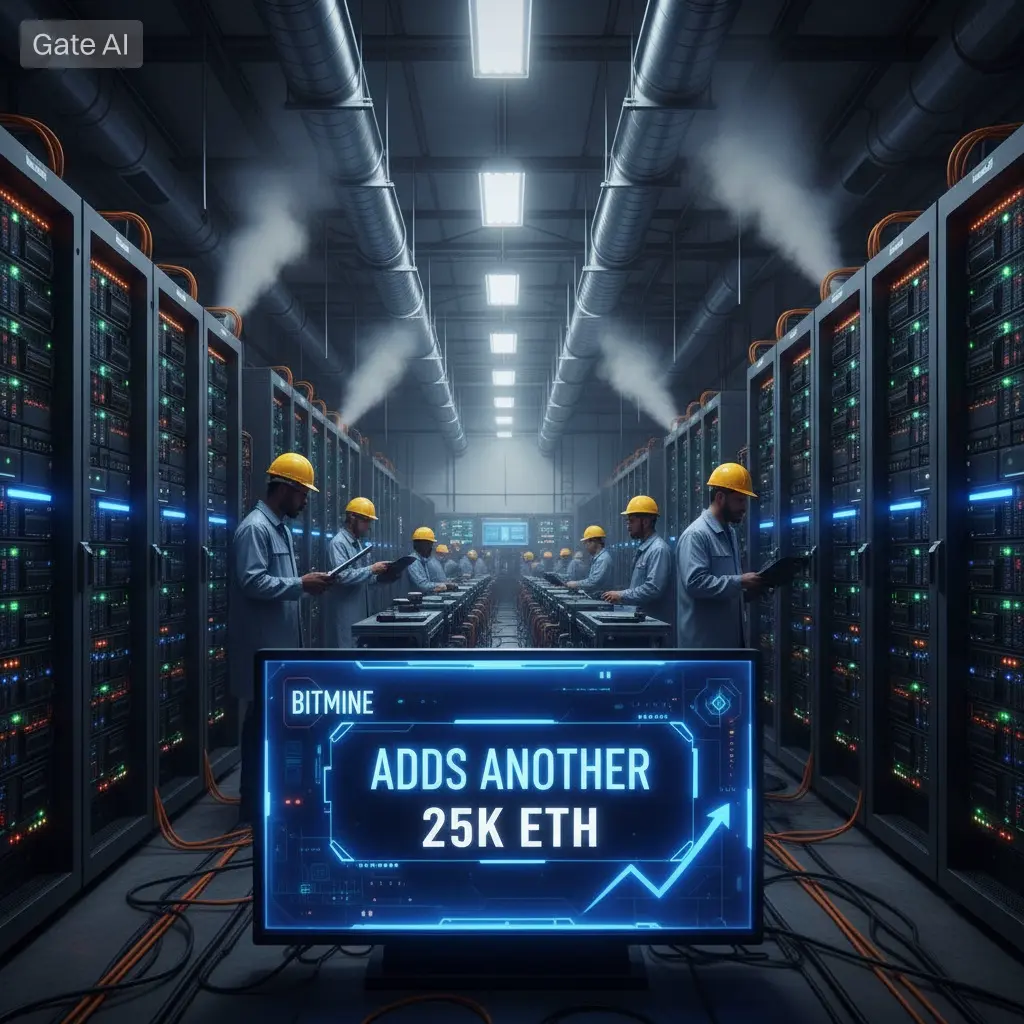
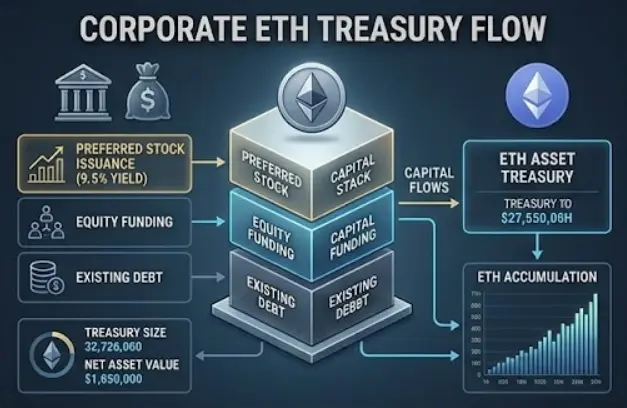
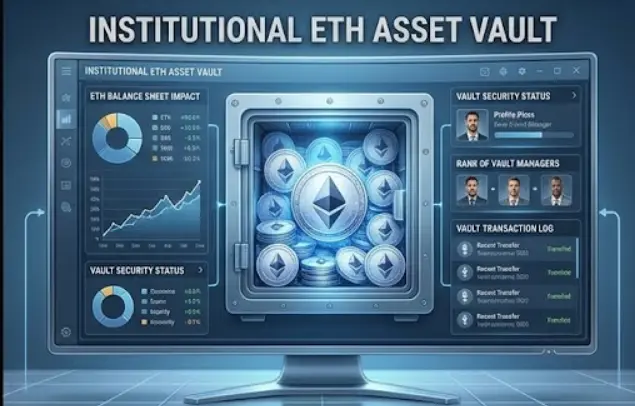
The digital asset industry continues to witness growing institutional confidence in Ethereum as Bitmine has reportedly expanded its treasury holdings once again, adding another 25,000 ETH to its balance sheet. This latest accumulation follows the company's previous large-scale Ethereum purchases and further strengthens its position as one of the most closely watched corporate participants in the evolving digital asset ecosystem.
The additional acquisition highlights a broader trend that has been gaining momentum throughout the market: institutions are increasingly viewing Ethereum as a strategic long-term asset rather than simply a speculative cryptocurrency. While Bitcoin remains the dominant digital asset in terms of market capitalization and institutional recognition, Ethereum has continued to attract attention due to its unique role as the foundation of decentralized finance, tokenization, stablecoins, and blockchain-based applications.
By adding another 25,000 ETH, Bitmine appears to be reinforcing its conviction in Ethereum's long-term growth potential. Treasury decisions of this magnitude are typically based on extensive research, capital allocation analysis, and long-term strategic planning. Such moves often reflect confidence in the underlying technology, ecosystem development, and future adoption trends rather than short-term market fluctuations.
Ethereum occupies a unique position within the digital asset landscape. Unlike assets primarily valued for scarcity, Ethereum functions as a programmable blockchain network that supports smart contracts and decentralized applications. This functionality has enabled the creation of an extensive ecosystem encompassing lending protocols, digital asset exchanges, stablecoin networks, tokenized assets, gaming platforms, and enterprise blockchain solutions.
Institutional interest in Ethereum has accelerated as blockchain technology becomes increasingly integrated into mainstream financial services. Asset managers, financial institutions, and technology firms continue exploring tokenization initiatives, blockchain-based settlement systems, and digital asset infrastructure. Many of these innovations rely on Ethereum or Ethereum-compatible technologies, further strengthening the network's strategic relevance.
The latest purchase also comes during a period of heightened attention toward Ethereum-focused treasury strategies. In previous market cycles, corporate treasury adoption was overwhelmingly centered on Bitcoin. Today, a growing number of organizations are evaluating Ethereum as a potential treasury reserve asset due to its expanding utility, ecosystem activity, and participation in the broader digital economy.
One factor attracting institutional attention is Ethereum's role in supporting stablecoins. Stablecoin transactions represent one of the fastest-growing segments of the blockchain industry, facilitating payments, settlements, remittances, and decentralized financial services. As stablecoin usage expands globally, Ethereum continues to benefit from its position as one of the primary networks supporting these digital assets.
The tokenization of real-world assets has emerged as another significant driver of Ethereum adoption. Financial institutions worldwide are exploring the digitization of bonds, funds, real estate, and various financial instruments using blockchain technology. Many industry participants view tokenization as one of the most transformative opportunities in modern finance, with Ethereum positioned as a leading infrastructure provider for these initiatives.
Market participants often interpret large institutional purchases as indicators of confidence in future adoption trends. While no single acquisition guarantees future performance, repeated treasury expansions can influence market sentiment by demonstrating that sophisticated investors are willing to allocate substantial capital toward a particular asset. Bitmine's continued accumulation strategy may therefore attract additional attention from investors evaluating Ethereum's long-term prospects.
Another important consideration is Ethereum's developer ecosystem. The network continues to maintain one of the largest and most active developer communities in the blockchain industry. Continuous innovation, protocol upgrades, infrastructure improvements, and application development contribute to Ethereum's competitive position and strengthen its long-term value proposition.
Institutional investors typically prioritize assets with deep liquidity, strong security, broad market participation, and sustainable network effects. Ethereum's established ecosystem, extensive infrastructure, and global adoption have helped position it as one of the leading candidates for institutional digital asset exposure. The latest acquisition by Bitmine appears consistent with this broader investment thesis.
The digital asset market itself has matured significantly over recent years. Custody solutions, compliance frameworks, regulatory engagement, trading infrastructure, and institutional-grade services have improved substantially, making it easier for organizations to manage large cryptocurrency positions. These developments have reduced barriers that previously limited institutional participation.
The growing relationship between traditional finance and blockchain technology continues to reshape investment strategies worldwide. As financial institutions increasingly explore blockchain-based solutions, Ethereum's importance as a foundational infrastructure layer becomes more apparent. This evolving landscape may help explain why organizations are becoming more comfortable allocating capital toward Ethereum-focused treasury strategies.
Investors will continue monitoring whether additional companies adopt similar approaches in the coming months. The willingness of organizations to hold Ethereum as a strategic treasury asset could become an increasingly important trend within the broader cryptocurrency market. If institutional participation continues expanding, treasury accumulation strategies may play a meaningful role in shaping long-term market dynamics.
Bitmine's addition of another 25,000 ETH represents more than a simple portfolio adjustment. It reflects the growing institutional recognition of Ethereum's role within the digital economy, the increasing convergence of traditional finance and blockchain technology, and the belief among many market participants that Ethereum may remain a central component of the next generation of financial infrastructure.
As the cryptocurrency sector continues evolving, developments such as this highlight the changing perception of digital assets among professional investors. What was once viewed primarily as an experimental technology is increasingly being considered a strategic asset class capable of supporting innovation across finance, payments, asset management, and digital commerce. The latest Ethereum acquisition serves as another indication that institutional engagement with blockchain technology continues to deepen, potentially shaping the future trajectory of the digital asset industry for years to come.
The digital asset industry continues to witness growing institutional confidence in Ethereum as Bitmine has reportedly expanded its treasury holdings once again, adding another 25,000 ETH to its balance sheet. This latest accumulation follows the company's previous large-scale Ethereum purchases and further strengthens its position as one of the most closely watched corporate participants in the evolving digital asset ecosystem.
The additional acquisition highlights a broader trend that has been gaining momentum throughout the market: institutions are increasingly viewing Ethereum as a strategic long-term asset rather than simply a speculative cryptocurrency. While Bitcoin remains the dominant digital asset in terms of market capitalization and institutional recognition, Ethereum has continued to attract attention due to its unique role as the foundation of decentralized finance, tokenization, stablecoins, and blockchain-based applications.
By adding another 25,000 ETH, Bitmine appears to be reinforcing its conviction in Ethereum's long-term growth potential. Treasury decisions of this magnitude are typically based on extensive research, capital allocation analysis, and long-term strategic planning. Such moves often reflect confidence in the underlying technology, ecosystem development, and future adoption trends rather than short-term market fluctuations.
Ethereum occupies a unique position within the digital asset landscape. Unlike assets primarily valued for scarcity, Ethereum functions as a programmable blockchain network that supports smart contracts and decentralized applications. This functionality has enabled the creation of an extensive ecosystem encompassing lending protocols, digital asset exchanges, stablecoin networks, tokenized assets, gaming platforms, and enterprise blockchain solutions.
Institutional interest in Ethereum has accelerated as blockchain technology becomes increasingly integrated into mainstream financial services. Asset managers, financial institutions, and technology firms continue exploring tokenization initiatives, blockchain-based settlement systems, and digital asset infrastructure. Many of these innovations rely on Ethereum or Ethereum-compatible technologies, further strengthening the network's strategic relevance.
The latest purchase also comes during a period of heightened attention toward Ethereum-focused treasury strategies. In previous market cycles, corporate treasury adoption was overwhelmingly centered on Bitcoin. Today, a growing number of organizations are evaluating Ethereum as a potential treasury reserve asset due to its expanding utility, ecosystem activity, and participation in the broader digital economy.
One factor attracting institutional attention is Ethereum's role in supporting stablecoins. Stablecoin transactions represent one of the fastest-growing segments of the blockchain industry, facilitating payments, settlements, remittances, and decentralized financial services. As stablecoin usage expands globally, Ethereum continues to benefit from its position as one of the primary networks supporting these digital assets.
The tokenization of real-world assets has emerged as another significant driver of Ethereum adoption. Financial institutions worldwide are exploring the digitization of bonds, funds, real estate, and various financial instruments using blockchain technology. Many industry participants view tokenization as one of the most transformative opportunities in modern finance, with Ethereum positioned as a leading infrastructure provider for these initiatives.
Market participants often interpret large institutional purchases as indicators of confidence in future adoption trends. While no single acquisition guarantees future performance, repeated treasury expansions can influence market sentiment by demonstrating that sophisticated investors are willing to allocate substantial capital toward a particular asset. Bitmine's continued accumulation strategy may therefore attract additional attention from investors evaluating Ethereum's long-term prospects.
Another important consideration is Ethereum's developer ecosystem. The network continues to maintain one of the largest and most active developer communities in the blockchain industry. Continuous innovation, protocol upgrades, infrastructure improvements, and application development contribute to Ethereum's competitive position and strengthen its long-term value proposition.
Institutional investors typically prioritize assets with deep liquidity, strong security, broad market participation, and sustainable network effects. Ethereum's established ecosystem, extensive infrastructure, and global adoption have helped position it as one of the leading candidates for institutional digital asset exposure. The latest acquisition by Bitmine appears consistent with this broader investment thesis.
The digital asset market itself has matured significantly over recent years. Custody solutions, compliance frameworks, regulatory engagement, trading infrastructure, and institutional-grade services have improved substantially, making it easier for organizations to manage large cryptocurrency positions. These developments have reduced barriers that previously limited institutional participation.
The growing relationship between traditional finance and blockchain technology continues to reshape investment strategies worldwide. As financial institutions increasingly explore blockchain-based solutions, Ethereum's importance as a foundational infrastructure layer becomes more apparent. This evolving landscape may help explain why organizations are becoming more comfortable allocating capital toward Ethereum-focused treasury strategies.
Investors will continue monitoring whether additional companies adopt similar approaches in the coming months. The willingness of organizations to hold Ethereum as a strategic treasury asset could become an increasingly important trend within the broader cryptocurrency market. If institutional participation continues expanding, treasury accumulation strategies may play a meaningful role in shaping long-term market dynamics.
Bitmine's addition of another 25,000 ETH represents more than a simple portfolio adjustment. It reflects the growing institutional recognition of Ethereum's role within the digital economy, the increasing convergence of traditional finance and blockchain technology, and the belief among many market participants that Ethereum may remain a central component of the next generation of financial infrastructure.
As the cryptocurrency sector continues evolving, developments such as this highlight the changing perception of digital assets among professional investors. What was once viewed primarily as an experimental technology is increasingly being considered a strategic asset class capable of supporting innovation across finance, payments, asset management, and digital commerce. The latest Ethereum acquisition serves as another indication that institutional engagement with blockchain technology continues to deepen, potentially shaping the future trajectory of the digital asset industry for years to come.