#StrongNonfarmPayrollsRekindleRateHikeFear
The Jobs Report That Broke the AI Trade: Why 172,000 Payrolls Just Rewrote the Rules for Crypto
Strong economic data just became one of the most dangerous signals in markets.
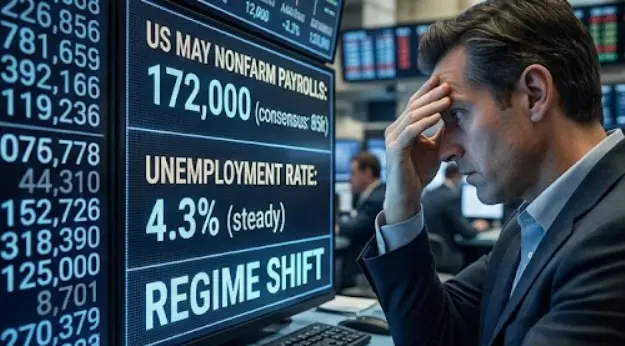
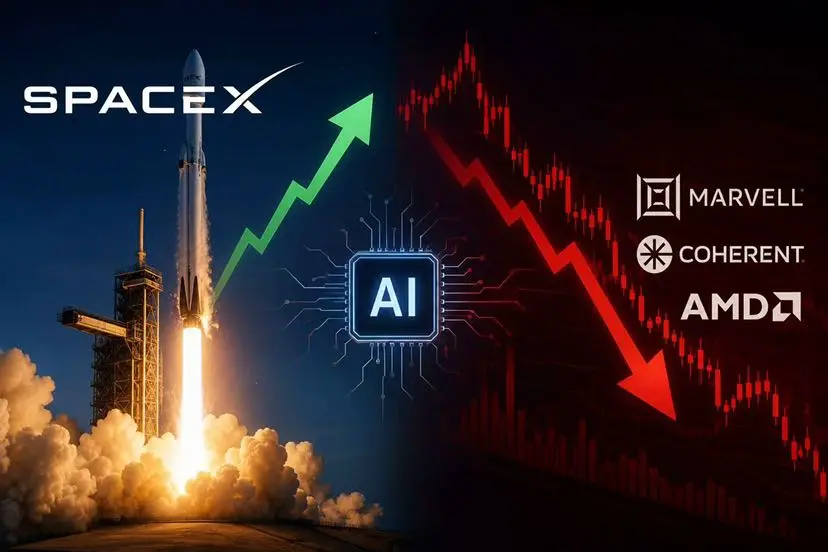
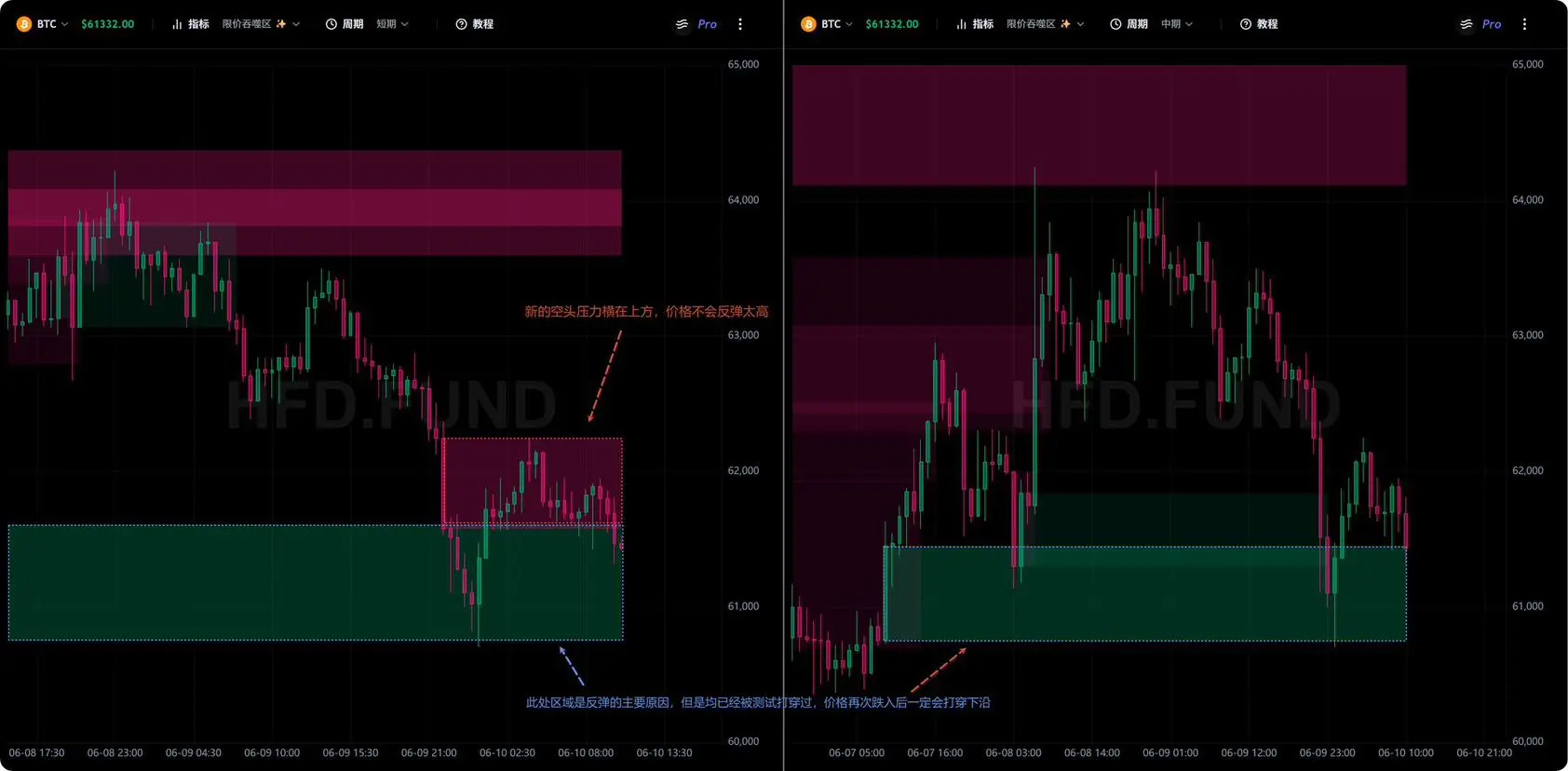
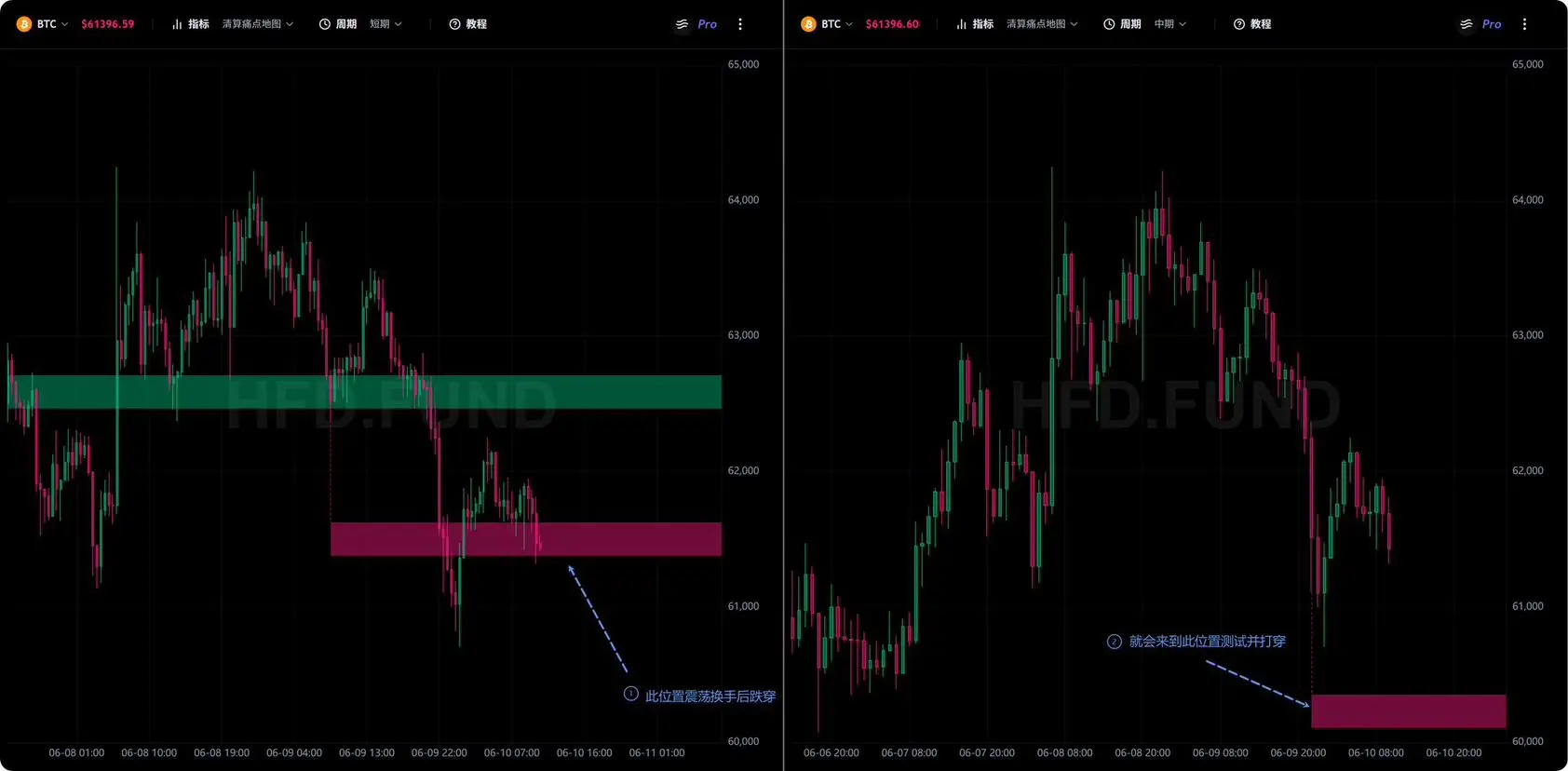
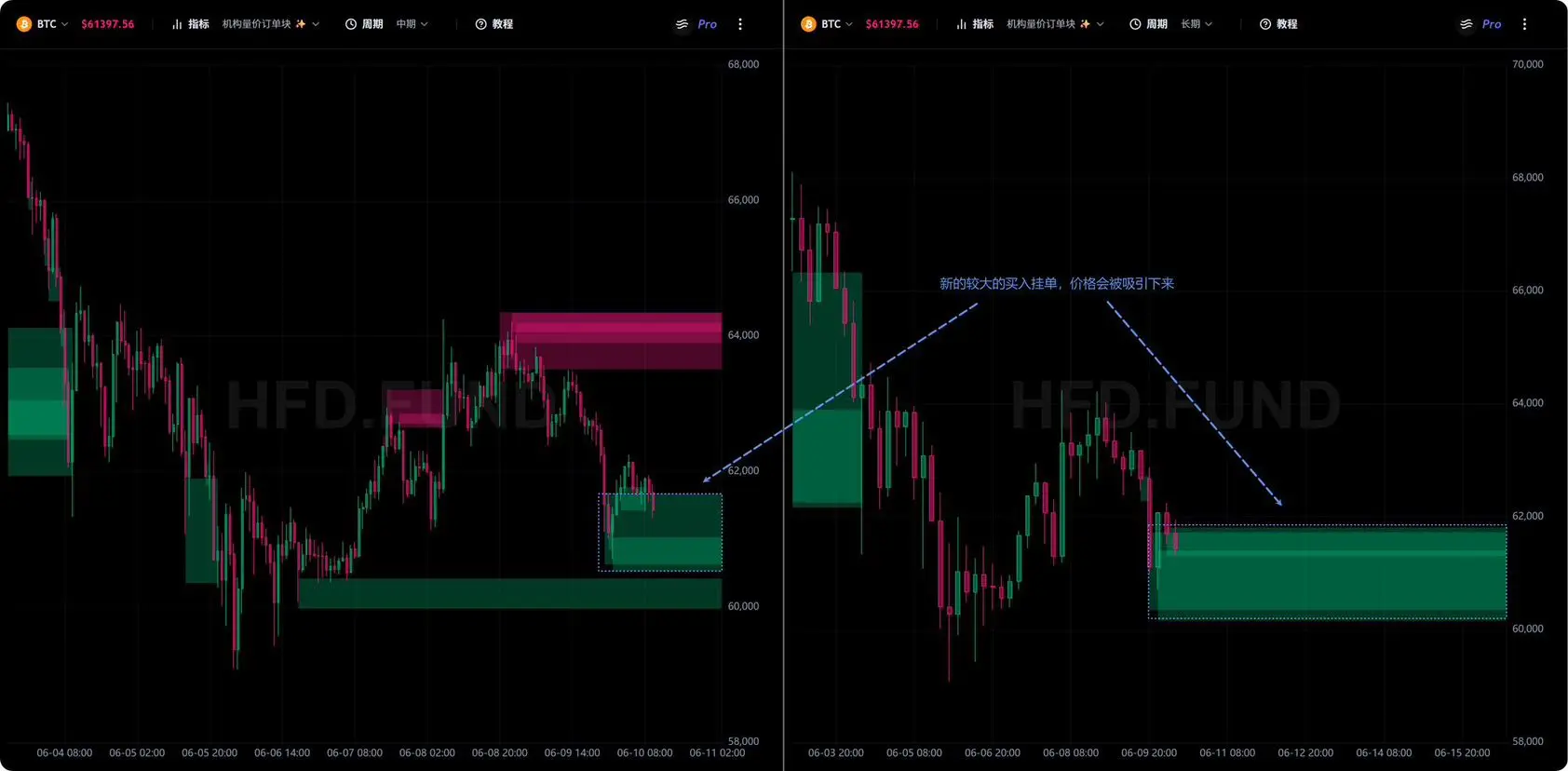
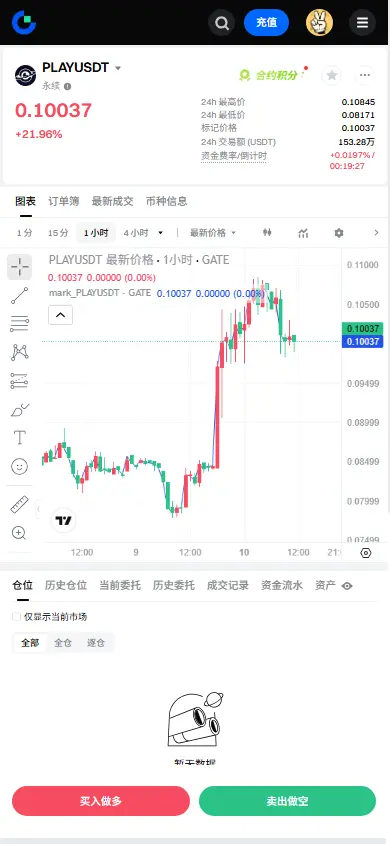
On June 5, US nonfarm payrolls surged by 172,000 — more than double the 85,000 consensus forecast. The unemployment rate held steady at 4.3%. Within hours, the probability of a Fed rate hike by year-end jumped from 48% to 70%. The Nasdaq dropped sharply, semiconductor stocks sold off, and Bitcoin slipped below key levels near $62,000.
This was not a normal market reaction. This was a regime shift.
Why good news became bad news
For the past two years, markets operated on one simple assumption:
Weak data = Fed cuts = liquidity = risk assets up.
But this jobs report broke that logic.
172,000 jobs plus strong revisions showed the economy does NOT urgently need rate cuts.
When rate cuts are uncertain, liquidity expectations change instantly.
That shift hit crypto, tech, and AI equities at the same time.
Not because of the headline — but because of future capital conditions.
The semiconductor unwind was the real signal
AI and semiconductor stocks had become the biggest liquidity magnet of this cycle.
When macro tightened, that crowded trade started unwinding.
That forced selling spilled into all risk assets.
Crypto was not the cause — it was the receiver of liquidity flow.
The hidden crypto reality
Bitcoin dropping below $62,000 was not a standalone crypto event.
It was part of a broader capital rotation:
AI infrastructure stocks
Mega-cap growth equities
Yield-bearing assets
Macro IPO-driven speculation
Crypto is no longer the default liquidity destination.
It is one of many competing trades.
The Fed narrative is incomplete
Yes — stronger data = higher rates = pressure on crypto.
But that is only part of the story.
The real driver now is:
Where does marginal capital flow?
Crypto is competing against assets that offer:
Yield
Growth narratives
Institutional momentum
Bull Case
If liquidity stabilizes and rate expectations peak, crypto can rebound fast.
ETF inflows still provide structural demand.
If AI and equities cool off, capital can rotate back strongly into crypto.
Bear Case
If higher-for-longer continues, crypto remains structurally weak.
No yield.
High competition from productive assets.
Rallies get sold instead of followed.
Key Risk
This is not just a Fed story.
It is a global liquidity competition story.
Misreading it as purely macro-driven is the biggest mistake.
Hidden Insight
Crypto is no longer the primary speculative asset class.
It is now a secondary liquidity trade inside a larger capital system.
That changes volatility, cycles, and recovery speed.
Conclusion
The jobs report did not break crypto.
It revealed something deeper:
Crypto is now competing for capital — not dominating it.
The next move in markets will not depend only on the Fed.
It will depend on which narrative attracts the next marginal dollar.
The Jobs Report That Broke the AI Trade: Why 172,000 Payrolls Just Rewrote the Rules for Crypto
Strong economic data just became one of the most dangerous signals in markets.
On June 5, US nonfarm payrolls surged by 172,000 — more than double the 85,000 consensus forecast. The unemployment rate held steady at 4.3%. Within hours, the probability of a Fed rate hike by year-end jumped from 48% to 70%. The Nasdaq dropped sharply, semiconductor stocks sold off, and Bitcoin slipped below key levels near $62,000.
This was not a normal market reaction. This was a regime shift.
Why good news became bad news
For the past two years, markets operated on one simple assumption:
Weak data = Fed cuts = liquidity = risk assets up.
But this jobs report broke that logic.
172,000 jobs plus strong revisions showed the economy does NOT urgently need rate cuts.
When rate cuts are uncertain, liquidity expectations change instantly.
That shift hit crypto, tech, and AI equities at the same time.
Not because of the headline — but because of future capital conditions.
The semiconductor unwind was the real signal
AI and semiconductor stocks had become the biggest liquidity magnet of this cycle.
When macro tightened, that crowded trade started unwinding.
That forced selling spilled into all risk assets.
Crypto was not the cause — it was the receiver of liquidity flow.
The hidden crypto reality
Bitcoin dropping below $62,000 was not a standalone crypto event.
It was part of a broader capital rotation:
AI infrastructure stocks
Mega-cap growth equities
Yield-bearing assets
Macro IPO-driven speculation
Crypto is no longer the default liquidity destination.
It is one of many competing trades.
The Fed narrative is incomplete
Yes — stronger data = higher rates = pressure on crypto.
But that is only part of the story.
The real driver now is:
Where does marginal capital flow?
Crypto is competing against assets that offer:
Yield
Growth narratives
Institutional momentum
Bull Case
If liquidity stabilizes and rate expectations peak, crypto can rebound fast.
ETF inflows still provide structural demand.
If AI and equities cool off, capital can rotate back strongly into crypto.
Bear Case
If higher-for-longer continues, crypto remains structurally weak.
No yield.
High competition from productive assets.
Rallies get sold instead of followed.
Key Risk
This is not just a Fed story.
It is a global liquidity competition story.
Misreading it as purely macro-driven is the biggest mistake.
Hidden Insight
Crypto is no longer the primary speculative asset class.
It is now a secondary liquidity trade inside a larger capital system.
That changes volatility, cycles, and recovery speed.
Conclusion
The jobs report did not break crypto.
It revealed something deeper:
Crypto is now competing for capital — not dominating it.
The next move in markets will not depend only on the Fed.
It will depend on which narrative attracts the next marginal dollar.