#美伊谈判博弈 The US-Iran renewed ceasefire agreement causes Bitcoin to plummet; how does the international situation affect the crypto market?
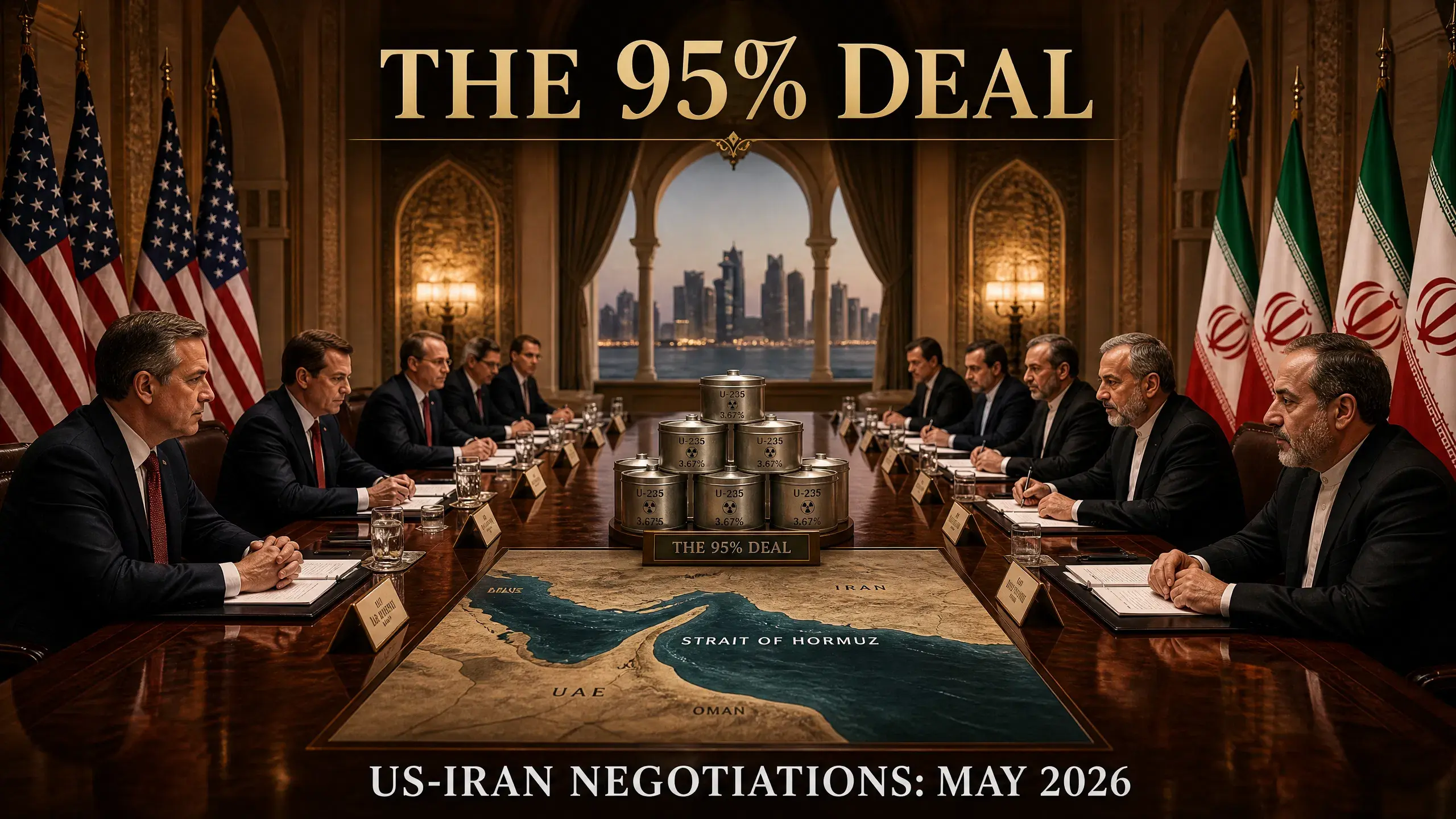
Recently, the Middle East situation has once again become the focus of global financial market attention. On May 28, multiple international media reported that negotiators from the US and Iran had reached a memorandum of understanding (MOU) to extend the current ceasefire for 60 days. The agreement also includes restarting nuclear negotiations and restoring normal shipping through the Strait of Hormuz, but final approval still requires US President Trump’s endorsement.
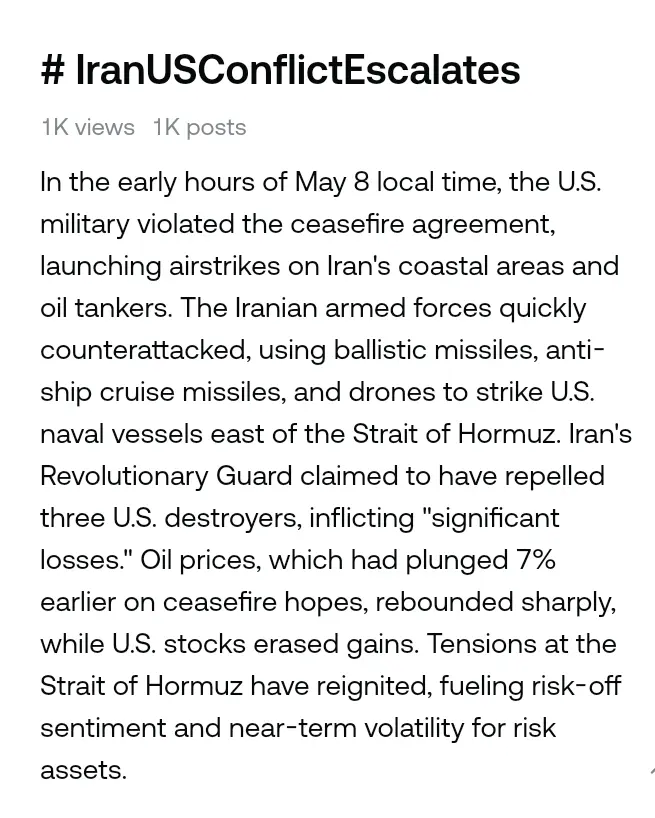
In theory, extending the ceasefire should mean reduced war risk, and global markets should welcome a wave of risk appetite recovery. However, unexpectedly, Bitcoin experienced a significant pullback after the news, breaking below $75k, with many leveraged longs being liquidated. Why did seemingly positive news fail to boost the crypto market? How exactly does the international situation influence Bitcoin and the entire crypto market?
1. The game behind the US-Iran ceasefire agreement
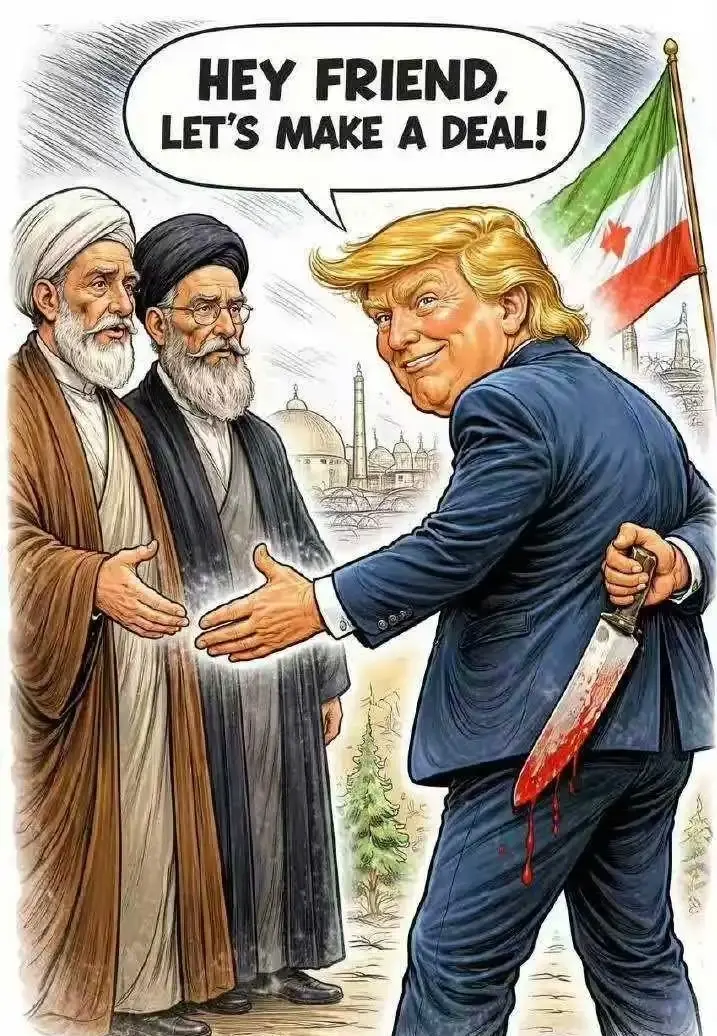
According to publicly available information, this 60-day ceasefire is not a true peace agreement but more like a “buffer period” to buy time for further negotiations.
The agreement involves:
- Extending the current ceasefire for 60 days;
- Restarting Iran nuclear negotiations;
- Restoring shipping through the Strait of Hormuz;
- Partially lifting port and shipping restrictions on Iran;
- Discussing the possibility of lifting some sanctions in the future.
Meanwhile, the US Treasury announced new sanctions on entities and ships involved in Iran’s oil trade. This means: the ceasefire is real, but strategic confrontation has not ended. The market sees not “war ending,” but “war temporarily paused.” This uncertainty is precisely what financial markets dislike most.
2. Why didn’t Bitcoin rally on positive news?
Many investors tend to view Bitcoin as “digital gold.” But in fact, over the past few years, Bitcoin has increasingly resembled a high-volatility risk asset.
When market risk appetite rises: tech stocks go up; AI concepts rise; cryptocurrencies rise;
When market risk appetite declines: tech stocks fall; cryptocurrencies often fall even faster.
Therefore, Bitcoin is not purely a safe-haven asset but has attributes of: risk assets; macro liquidity assets; and some safe-haven qualities.
After the ceasefire announcement, the market began reassessing the future global economic environment.
Investors found that: if the Strait of Hormuz reopens, oil supply will gradually normalize.
This means: oil prices may fall; inflation pressures ease; Fed rate cut expectations re-emerge. Funds started to withdraw from the safe-haven trades that had previously surged due to war, entering a phase of re-pricing.
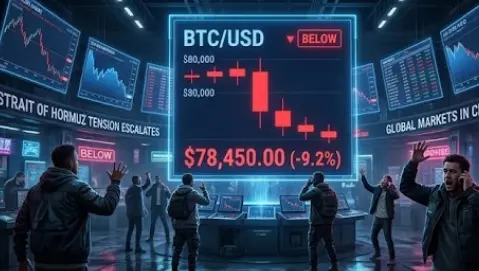
In the short term, this rebalancing of funds actually puts pressure on Bitcoin.
3. What truly influences the crypto market is liquidity, not war
Looking back at recent market trends:
- Russia-Ukraine war outbreak
After the Russia-Ukraine conflict in 2022, Bitcoin did not continue to rise. Instead, amid aggressive Fed rate hikes, Bitcoin declined from high levels.
- Escalation of the Israel-Palestine conflict
From 2023 to 2024, Middle East tensions worsened. But the core reasons driving Bitcoin to break new highs are not war, but:
- US spot ETF approval;
- Improved global liquidity;
- Continuous inflow of institutional funds.
The current US-Iran situation follows the same logic. What truly determines Bitcoin’s price is not whether the US and Iran cease fire, but how the ceasefire impacts:
- Oil prices;
- Inflation;
- Federal Reserve policies;
- Global dollar liquidity.
War is just the fuse. Liquidity is the fuel that determines the direction.
4. The importance of the Strait of Hormuz is underestimated
The Strait of Hormuz accounts for about one-fifth of global oil transportation. In recent months of conflict, the market’s biggest concern was not direct clashes between Iran and the US, but the long-term closure of the Strait.
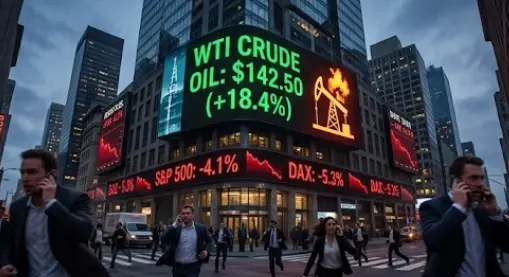
If the strait remains blocked: international oil prices soar; global inflation rebounds; Fed rate hikes are delayed; risk assets are sold off. One of the key points of the ceasefire agreement now is to restore navigation through the Strait of Hormuz.
Therefore, what the market is actually trading is: the future trend of global energy prices, not just geopolitical news.
5. How to view Bitcoin’s future trend?
In the short term, the crypto market may remain volatile. The reason is simple: the ceasefire agreement has not yet been finalized; there are significant political disagreements within the US; ongoing military friction and sanctions escalation risks between the US and Iran; markets are reassessing the future pace of rate cuts.
Thus, in the coming weeks: any news about Iran nuclear negotiations, the Strait of Hormuz, or US sanctions could trigger sharp crypto market swings.
But in the longer term, the core factors that determine Bitcoin’s bull or bear trend remain unchanged: global monetary policies; ETF capital inflows; institutional allocation demand; macro liquidity environment. Geopolitical events can cause short-term fluctuations but are unlikely to determine long-term trends.
6. Conclusion
The 60-day extension of the US-Iran ceasefire is essentially a temporary easing of geopolitical risks. But for Bitcoin, the market’s focus has never been just on the war itself, but on how the war influences energy prices, inflation levels, and global liquidity.
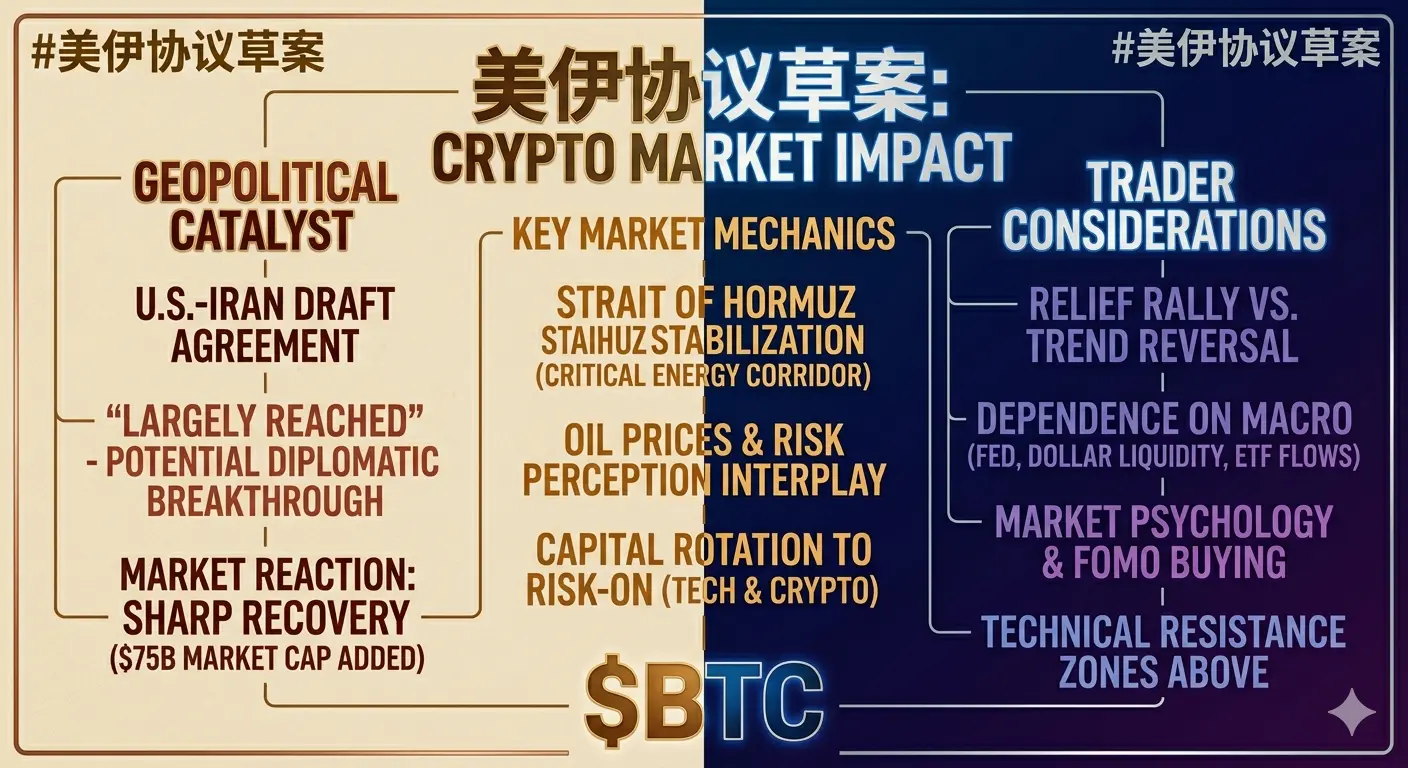
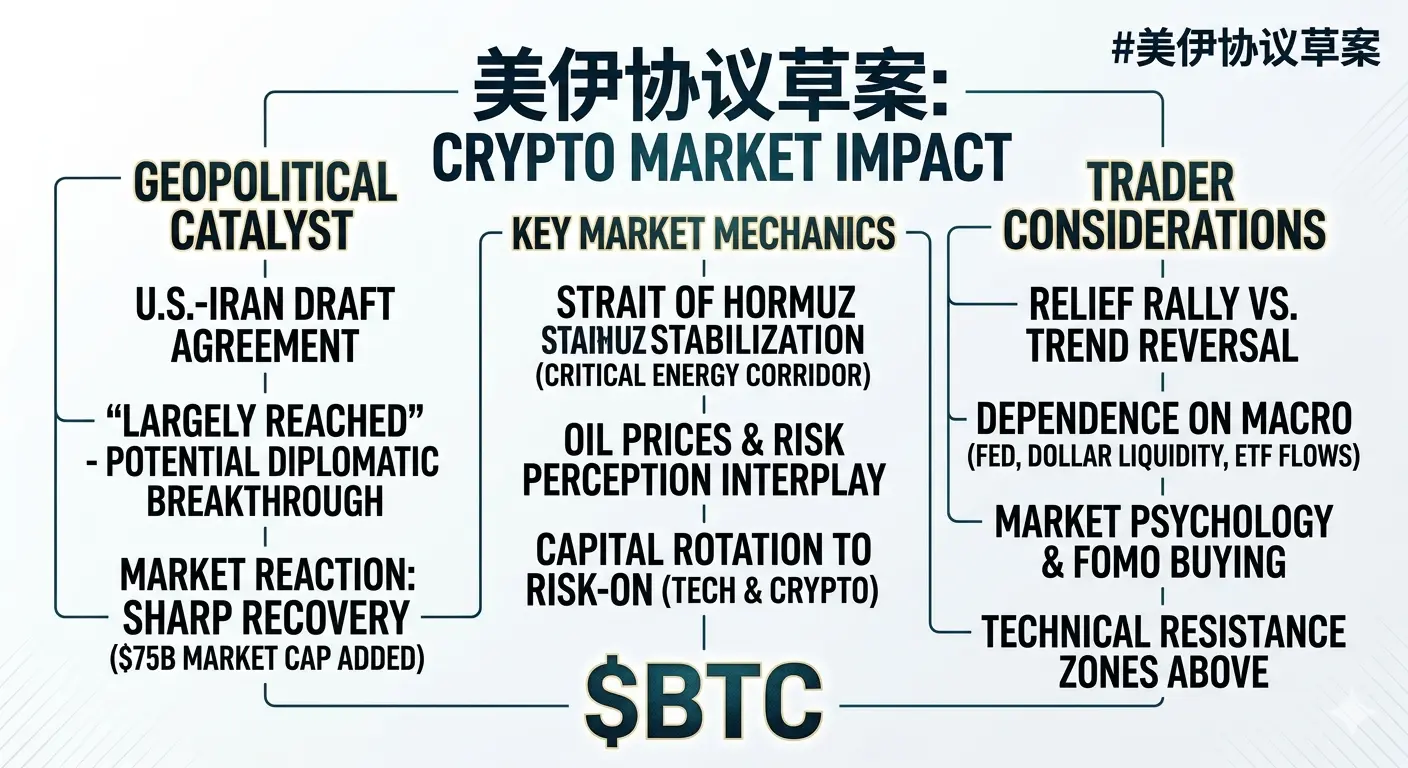
From this perspective, the chain of influence of the international situation on the crypto market is actually very clear: war → oil prices → inflation → Fed policies → global liquidity → Bitcoin price.
Therefore, when a major international event occurs, investors should not only watch the battlefield but also pay more attention to capital flows and monetary policy changes behind the scenes. Because ultimately, what drives Bitcoin up or down is often not the news itself, but how the news changes market expectations for future liquidity. $BTC
Recently, the Middle East situation has once again become the focus of global financial market attention. On May 28, multiple international media reported that negotiators from the US and Iran had reached a memorandum of understanding (MOU) to extend the current ceasefire for 60 days. The agreement also includes restarting nuclear negotiations and restoring normal shipping through the Strait of Hormuz, but final approval still requires US President Trump’s endorsement.
In theory, extending the ceasefire should mean reduced war risk, and global markets should welcome a wave of risk appetite recovery. However, unexpectedly, Bitcoin experienced a significant pullback after the news, breaking below $75k, with many leveraged longs being liquidated. Why did seemingly positive news fail to boost the crypto market? How exactly does the international situation influence Bitcoin and the entire crypto market?
1. The game behind the US-Iran ceasefire agreement
According to publicly available information, this 60-day ceasefire is not a true peace agreement but more like a “buffer period” to buy time for further negotiations.
The agreement involves:
- Extending the current ceasefire for 60 days;
- Restarting Iran nuclear negotiations;
- Restoring shipping through the Strait of Hormuz;
- Partially lifting port and shipping restrictions on Iran;
- Discussing the possibility of lifting some sanctions in the future.
Meanwhile, the US Treasury announced new sanctions on entities and ships involved in Iran’s oil trade. This means: the ceasefire is real, but strategic confrontation has not ended. The market sees not “war ending,” but “war temporarily paused.” This uncertainty is precisely what financial markets dislike most.
2. Why didn’t Bitcoin rally on positive news?
Many investors tend to view Bitcoin as “digital gold.” But in fact, over the past few years, Bitcoin has increasingly resembled a high-volatility risk asset.
When market risk appetite rises: tech stocks go up; AI concepts rise; cryptocurrencies rise;
When market risk appetite declines: tech stocks fall; cryptocurrencies often fall even faster.
Therefore, Bitcoin is not purely a safe-haven asset but has attributes of: risk assets; macro liquidity assets; and some safe-haven qualities.
After the ceasefire announcement, the market began reassessing the future global economic environment.
Investors found that: if the Strait of Hormuz reopens, oil supply will gradually normalize.
This means: oil prices may fall; inflation pressures ease; Fed rate cut expectations re-emerge. Funds started to withdraw from the safe-haven trades that had previously surged due to war, entering a phase of re-pricing.
In the short term, this rebalancing of funds actually puts pressure on Bitcoin.
3. What truly influences the crypto market is liquidity, not war
Looking back at recent market trends:
- Russia-Ukraine war outbreak
After the Russia-Ukraine conflict in 2022, Bitcoin did not continue to rise. Instead, amid aggressive Fed rate hikes, Bitcoin declined from high levels.
- Escalation of the Israel-Palestine conflict
From 2023 to 2024, Middle East tensions worsened. But the core reasons driving Bitcoin to break new highs are not war, but:
- US spot ETF approval;
- Improved global liquidity;
- Continuous inflow of institutional funds.
The current US-Iran situation follows the same logic. What truly determines Bitcoin’s price is not whether the US and Iran cease fire, but how the ceasefire impacts:
- Oil prices;
- Inflation;
- Federal Reserve policies;
- Global dollar liquidity.
War is just the fuse. Liquidity is the fuel that determines the direction.
4. The importance of the Strait of Hormuz is underestimated
The Strait of Hormuz accounts for about one-fifth of global oil transportation. In recent months of conflict, the market’s biggest concern was not direct clashes between Iran and the US, but the long-term closure of the Strait.
If the strait remains blocked: international oil prices soar; global inflation rebounds; Fed rate hikes are delayed; risk assets are sold off. One of the key points of the ceasefire agreement now is to restore navigation through the Strait of Hormuz.
Therefore, what the market is actually trading is: the future trend of global energy prices, not just geopolitical news.
5. How to view Bitcoin’s future trend?
In the short term, the crypto market may remain volatile. The reason is simple: the ceasefire agreement has not yet been finalized; there are significant political disagreements within the US; ongoing military friction and sanctions escalation risks between the US and Iran; markets are reassessing the future pace of rate cuts.
Thus, in the coming weeks: any news about Iran nuclear negotiations, the Strait of Hormuz, or US sanctions could trigger sharp crypto market swings.
But in the longer term, the core factors that determine Bitcoin’s bull or bear trend remain unchanged: global monetary policies; ETF capital inflows; institutional allocation demand; macro liquidity environment. Geopolitical events can cause short-term fluctuations but are unlikely to determine long-term trends.
6. Conclusion
The 60-day extension of the US-Iran ceasefire is essentially a temporary easing of geopolitical risks. But for Bitcoin, the market’s focus has never been just on the war itself, but on how the war influences energy prices, inflation levels, and global liquidity.
From this perspective, the chain of influence of the international situation on the crypto market is actually very clear: war → oil prices → inflation → Fed policies → global liquidity → Bitcoin price.
Therefore, when a major international event occurs, investors should not only watch the battlefield but also pay more attention to capital flows and monetary policy changes behind the scenes. Because ultimately, what drives Bitcoin up or down is often not the news itself, but how the news changes market expectations for future liquidity. $BTC