#StablecoinSupercycle
𝑻𝑯𝑬 𝑺𝑻𝑨𝑩𝑳𝑬𝑪𝑶𝑰𝑵 𝑺𝑼𝑷𝑬𝑹𝑪𝒀𝑪𝑳𝑬: 𝑻𝑯𝑬 𝑸𝑼𝑰𝑬𝑻 𝑭𝑶𝑹𝑪𝑬 𝑹𝑬𝑺𝑯𝑨𝑷𝑰𝑵𝑮 𝑮𝑳𝑶𝑩𝑨𝑳 𝑭𝑰𝑵𝑨𝑵𝑪𝑬
If someone had asked investors a few years ago what would become the most important real-world application of blockchain technology, many would have pointed toward decentralized finance, digital collectibles, or entirely new forms of online economies.
The market chose a different path.
In 2026, the most serious conversation in digital assets is no longer centered on speculation. It is centered on money itself.
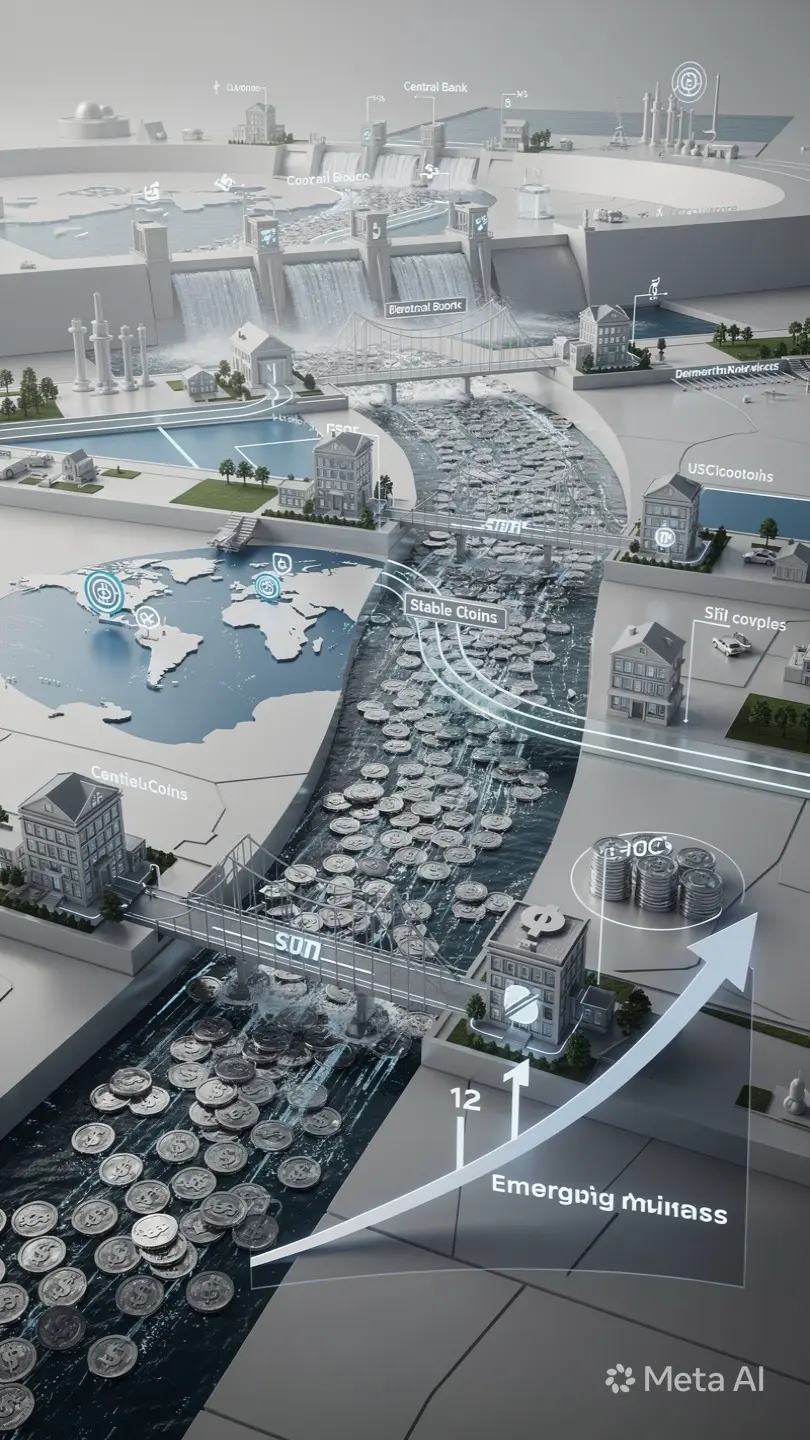
Stablecoins have quietly evolved from simple trading tools into one of the most important pieces of financial infrastructure being built anywhere in the world. What began as a mechanism for moving between volatile assets is now becoming a foundation for payments, settlements, treasury management, cross-border transfers, and corporate liquidity operations.
The scale of this transformation is becoming difficult to ignore.
Stablecoin supply has expanded dramatically during the past year, surpassing the three-hundred-billion-dollar mark and continuing to grow as financial institutions, payment providers, and corporate treasury teams explore blockchain-based settlement systems. For many industry observers, this is no longer an experiment. It is the early construction phase of a new financial network.
What makes this trend particularly important is that it solves a genuine economic problem.
Traditional international payments often involve multiple intermediaries, settlement delays, operational costs, and limited availability outside business hours. Stablecoins offer an alternative model where value can move continuously across borders with far less friction.
Professional investors understand that technologies capable of reducing financial friction tend to attract long-term adoption. Financial history repeatedly rewards systems that make money move faster, cheaper, and more efficiently.
The market is beginning to recognize this reality.
In recent weeks, several industry reports and institutional discussions have highlighted a growing shift in investor focus. Rather than asking which digital asset might produce the next short-term rally, many financial professionals are examining which infrastructure layers may power the next generation of financial services. Stablecoins sit directly at the center of that discussion.
Another reason this narrative has gained momentum is the increasing convergence between traditional finance and blockchain infrastructure.
Large financial institutions are exploring tokenized deposits, digital settlement networks, and blockchain-based payment rails. The objective is not disruption for the sake of disruption. The objective is efficiency.
Markets reward efficiency.
Capital flows toward efficiency.
Innovation that improves efficiency often survives long after speculative trends disappear.
This is precisely why experienced traders are paying close attention.
While public attention often follows price movements, institutional capital frequently follows infrastructure. The companies and networks enabling settlement, compliance, custody, payments, and liquidity management may ultimately play a larger role in the industry's future than many of today's headline-grabbing assets.
Perhaps the most fascinating aspect of the stablecoin story is that it reflects a broader maturity occurring throughout the digital asset ecosystem.
A decade ago, the industry was primarily discussing possibilities.
Today, it is increasingly discussing implementation.
The conversation has shifted from what blockchain technology could become to how it can be integrated into existing financial systems at scale.
That transition changes everything.
Markets built on utility tend to last longer than markets built solely on excitement.
For investors looking beyond daily volatility, the rise of stablecoins may represent one of the most important structural developments of the decade. While attention remains focused on prices, a new financial infrastructure is quietly taking shape beneath the surface.
And if history offers any lesson, infrastructure revolutions often create far more value than anyone initially expects.
𝑻𝑯𝑬 𝑺𝑻𝑨𝑩𝑳𝑬𝑪𝑶𝑰𝑵 𝑺𝑼𝑷𝑬𝑹𝑪𝒀𝑪𝑳𝑬: 𝑻𝑯𝑬 𝑸𝑼𝑰𝑬𝑻 𝑭𝑶𝑹𝑪𝑬 𝑹𝑬𝑺𝑯𝑨𝑷𝑰𝑵𝑮 𝑮𝑳𝑶𝑩𝑨𝑳 𝑭𝑰𝑵𝑨𝑵𝑪𝑬
If someone had asked investors a few years ago what would become the most important real-world application of blockchain technology, many would have pointed toward decentralized finance, digital collectibles, or entirely new forms of online economies.
The market chose a different path.
In 2026, the most serious conversation in digital assets is no longer centered on speculation. It is centered on money itself.
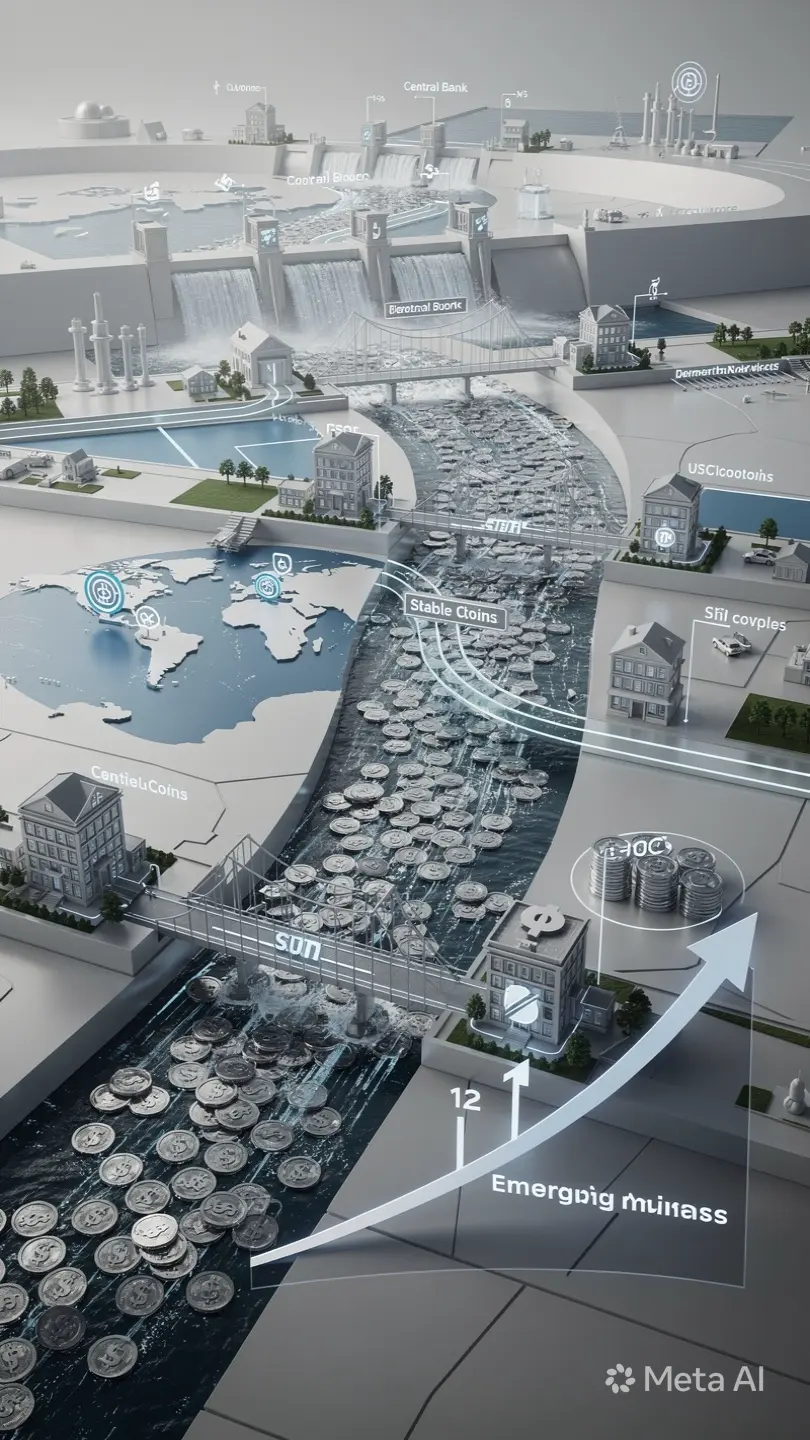
Stablecoins have quietly evolved from simple trading tools into one of the most important pieces of financial infrastructure being built anywhere in the world. What began as a mechanism for moving between volatile assets is now becoming a foundation for payments, settlements, treasury management, cross-border transfers, and corporate liquidity operations.
The scale of this transformation is becoming difficult to ignore.
Stablecoin supply has expanded dramatically during the past year, surpassing the three-hundred-billion-dollar mark and continuing to grow as financial institutions, payment providers, and corporate treasury teams explore blockchain-based settlement systems. For many industry observers, this is no longer an experiment. It is the early construction phase of a new financial network.
What makes this trend particularly important is that it solves a genuine economic problem.
Traditional international payments often involve multiple intermediaries, settlement delays, operational costs, and limited availability outside business hours. Stablecoins offer an alternative model where value can move continuously across borders with far less friction.
Professional investors understand that technologies capable of reducing financial friction tend to attract long-term adoption. Financial history repeatedly rewards systems that make money move faster, cheaper, and more efficiently.
The market is beginning to recognize this reality.
In recent weeks, several industry reports and institutional discussions have highlighted a growing shift in investor focus. Rather than asking which digital asset might produce the next short-term rally, many financial professionals are examining which infrastructure layers may power the next generation of financial services. Stablecoins sit directly at the center of that discussion.
Another reason this narrative has gained momentum is the increasing convergence between traditional finance and blockchain infrastructure.
Large financial institutions are exploring tokenized deposits, digital settlement networks, and blockchain-based payment rails. The objective is not disruption for the sake of disruption. The objective is efficiency.
Markets reward efficiency.
Capital flows toward efficiency.
Innovation that improves efficiency often survives long after speculative trends disappear.
This is precisely why experienced traders are paying close attention.
While public attention often follows price movements, institutional capital frequently follows infrastructure. The companies and networks enabling settlement, compliance, custody, payments, and liquidity management may ultimately play a larger role in the industry's future than many of today's headline-grabbing assets.
Perhaps the most fascinating aspect of the stablecoin story is that it reflects a broader maturity occurring throughout the digital asset ecosystem.
A decade ago, the industry was primarily discussing possibilities.
Today, it is increasingly discussing implementation.
The conversation has shifted from what blockchain technology could become to how it can be integrated into existing financial systems at scale.
That transition changes everything.
Markets built on utility tend to last longer than markets built solely on excitement.
For investors looking beyond daily volatility, the rise of stablecoins may represent one of the most important structural developments of the decade. While attention remains focused on prices, a new financial infrastructure is quietly taking shape beneath the surface.
And if history offers any lesson, infrastructure revolutions often create far more value than anyone initially expects.