#IranUSConflictEscalates #USIranConflict #MacroMarkets #Oil
Rising Geopolitical Tensions Put Global Financial Markets at a Critical Crossroads
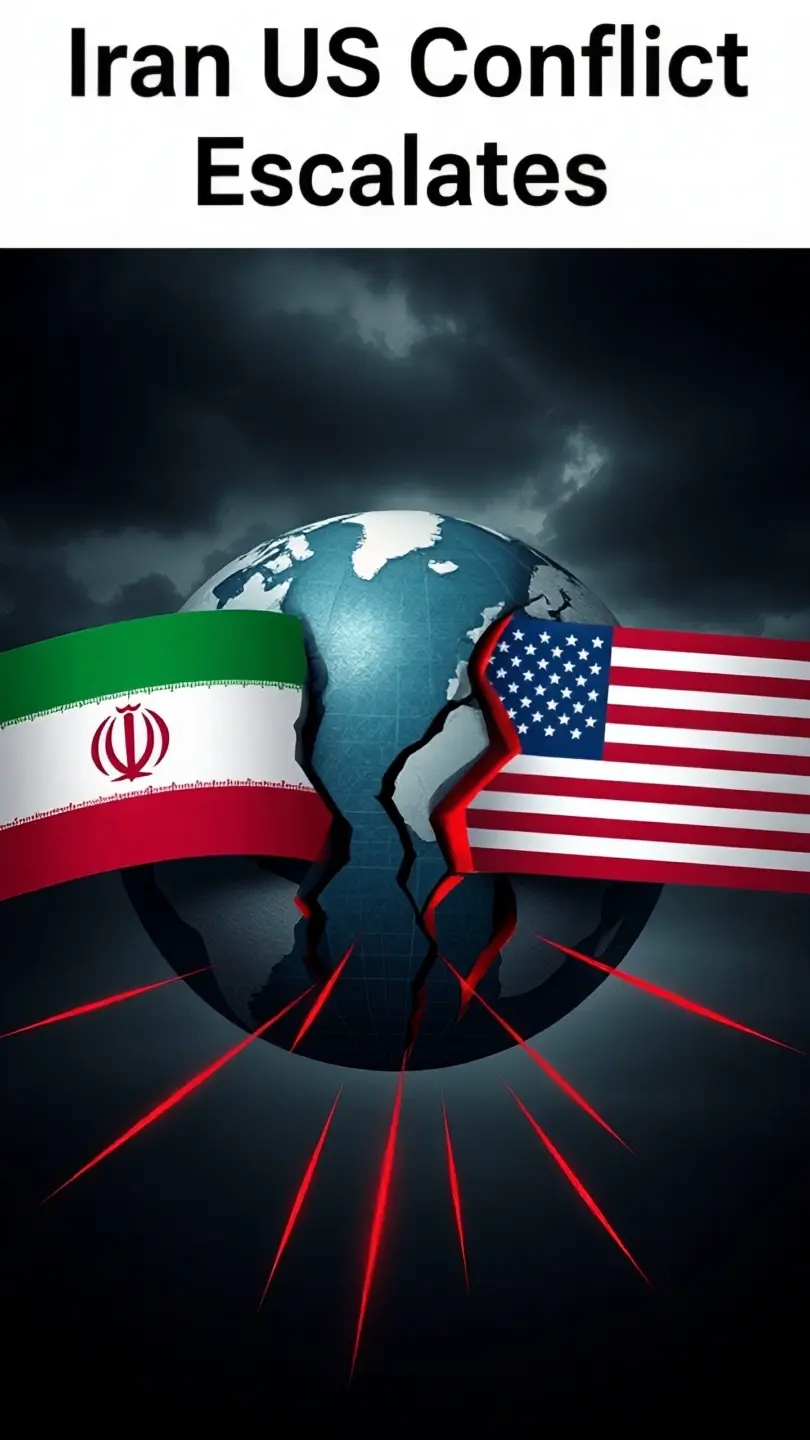
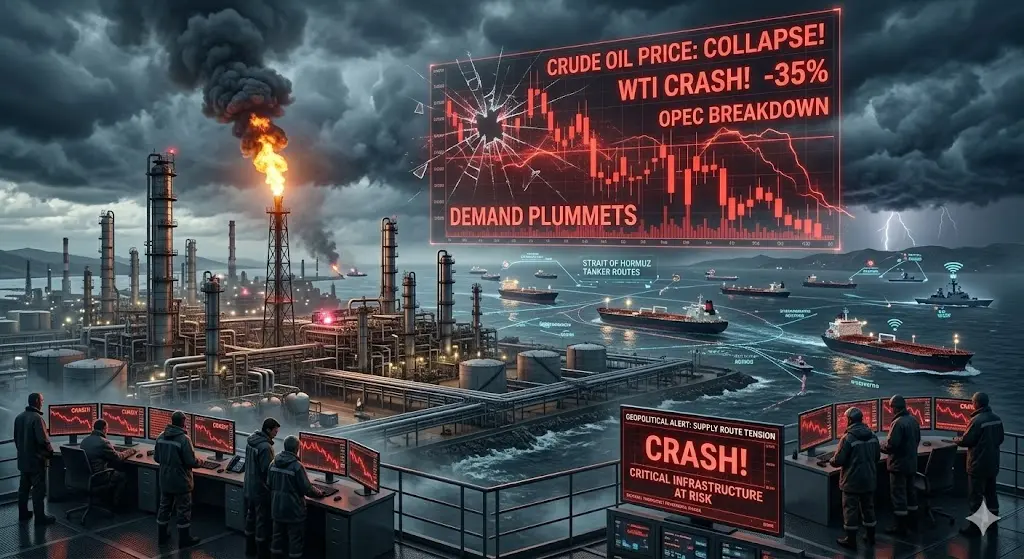
Global financial markets have entered another period of heightened uncertainty as geopolitical tensions between the United States and Iran intensify. Developments surrounding the Strait of Hormuz have once again reminded investors how quickly geopolitical events can reshape market sentiment. This strategically important shipping route is responsible for a significant share of the world's energy transportation, meaning any disruption immediately influences oil prices, inflation expectations, and risk appetite across global markets.
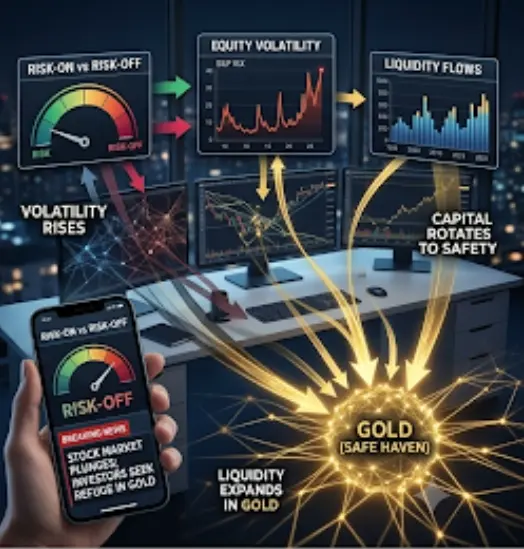
Today's market reaction demonstrates how interconnected financial markets have become. Following the latest developments, investors quickly shifted toward defensive positioning. Equity markets experienced increased volatility, Bitcoin came under selling pressure, and crude oil prices reacted sharply as traders began pricing in the possibility of supply disruptions. These rapid moves highlight that macroeconomic events remain one of the strongest short-term drivers of both traditional and digital asset markets.
My Thoughts on Whether the US-Iran Situation Could Escalate Further
From my perspective, markets will remain extremely sensitive to every new headline over the coming days. Diplomatic statements, military developments, and international responses will all play an important role in determining investor confidence. While financial markets often react immediately to breaking news, long-term trends usually depend on whether tensions continue escalating or diplomatic efforts successfully reduce uncertainty.
History shows that geopolitical conflicts often create temporary spikes in volatility before markets gradually stabilize once greater clarity emerges. However, if additional military activity affects critical trade routes or energy infrastructure, global inflation concerns could return quickly, increasing uncertainty across stocks, commodities, and cryptocurrencies alike. For this reason, I believe investors should monitor verified developments carefully instead of reacting emotionally to every headline.
My Opinion on Bitcoin's Ability to Recover
Bitcoin once again demonstrated that despite growing institutional adoption, it remains highly sensitive to macroeconomic risk. During periods of geopolitical uncertainty, investors frequently reduce exposure to higher-risk assets before confidence returns. This explains why Bitcoin experienced renewed selling pressure alongside weakness in equity markets.
Despite the recent decline, my long-term outlook remains constructive. Institutional participation continues expanding, blockchain infrastructure keeps improving, and Bitcoin's role as a globally recognized digital asset continues strengthening. Short-term volatility should not distract investors from these larger structural trends.
If geopolitical tensions begin easing and broader market confidence improves, Bitcoin could gradually recover lost momentum. A sustained move above key resistance levels would likely require stronger institutional buying, improving liquidity conditions, and supportive macroeconomic developments. Until then, volatility should be expected as markets continue responding to global news flow.
My View on the Upcoming Economic Data and Interest Rate Expectations
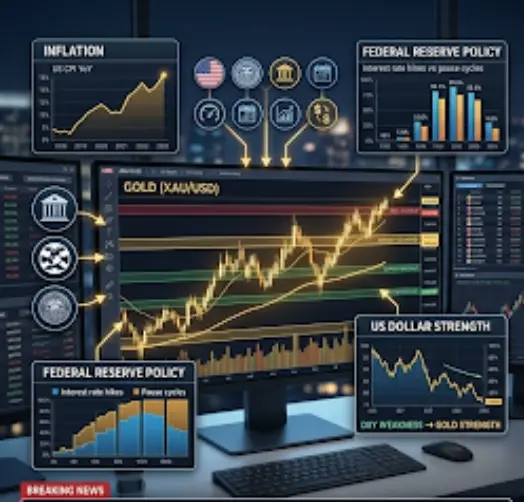
The upcoming economic data release could become another major catalyst for financial markets. Stronger-than-expected economic figures may reinforce expectations that central banks will remain cautious about lowering interest rates, potentially strengthening the US Dollar while creating additional pressure on risk assets, including cryptocurrencies.
Conversely, softer economic data could increase expectations that monetary policy may become more accommodative in the future. Such a scenario would likely improve overall market sentiment, supporting equities, digital assets, and other growth-oriented investments. However, the final market reaction will depend not only on the headline numbers but also on inflation trends, employment conditions, and guidance regarding future policy decisions.
My Advice for Investors During This Period
In my experience, periods like this reward patience more than aggressive speculation. Geopolitical headlines and major economic data releases can produce rapid market swings that often reverse just as quickly. Rather than chasing volatility, investors should focus on disciplined risk management, maintaining diversified portfolios, and making decisions based on long-term fundamentals instead of short-term emotions.
Successful investors understand that uncertainty is a natural part of financial markets. Every cycle presents opportunities, but preserving capital during volatile conditions is just as important as identifying future growth potential. Careful position sizing, continuous research, and a long-term investment perspective remain the strongest tools for navigating periods of heightened uncertainty.
Final Outlook
The combination of geopolitical developments and major economic data makes this one of the most important periods for global markets in recent weeks. The direction of oil prices, equity markets, Bitcoin, and broader investor sentiment will likely depend on how these events unfold over the coming days.
While short-term volatility may remain elevated, I believe the broader investment landscape will ultimately be determined by diplomatic progress, macroeconomic stability, institutional participation, and global liquidity conditions. Investors who remain informed, disciplined, and focused on long-term fundamentals will be better positioned to navigate whatever the market delivers next.
Rising Geopolitical Tensions Put Global Financial Markets at a Critical Crossroads
Global financial markets have entered another period of heightened uncertainty as geopolitical tensions between the United States and Iran intensify. Developments surrounding the Strait of Hormuz have once again reminded investors how quickly geopolitical events can reshape market sentiment. This strategically important shipping route is responsible for a significant share of the world's energy transportation, meaning any disruption immediately influences oil prices, inflation expectations, and risk appetite across global markets.
Today's market reaction demonstrates how interconnected financial markets have become. Following the latest developments, investors quickly shifted toward defensive positioning. Equity markets experienced increased volatility, Bitcoin came under selling pressure, and crude oil prices reacted sharply as traders began pricing in the possibility of supply disruptions. These rapid moves highlight that macroeconomic events remain one of the strongest short-term drivers of both traditional and digital asset markets.
My Thoughts on Whether the US-Iran Situation Could Escalate Further
From my perspective, markets will remain extremely sensitive to every new headline over the coming days. Diplomatic statements, military developments, and international responses will all play an important role in determining investor confidence. While financial markets often react immediately to breaking news, long-term trends usually depend on whether tensions continue escalating or diplomatic efforts successfully reduce uncertainty.
History shows that geopolitical conflicts often create temporary spikes in volatility before markets gradually stabilize once greater clarity emerges. However, if additional military activity affects critical trade routes or energy infrastructure, global inflation concerns could return quickly, increasing uncertainty across stocks, commodities, and cryptocurrencies alike. For this reason, I believe investors should monitor verified developments carefully instead of reacting emotionally to every headline.
My Opinion on Bitcoin's Ability to Recover
Bitcoin once again demonstrated that despite growing institutional adoption, it remains highly sensitive to macroeconomic risk. During periods of geopolitical uncertainty, investors frequently reduce exposure to higher-risk assets before confidence returns. This explains why Bitcoin experienced renewed selling pressure alongside weakness in equity markets.
Despite the recent decline, my long-term outlook remains constructive. Institutional participation continues expanding, blockchain infrastructure keeps improving, and Bitcoin's role as a globally recognized digital asset continues strengthening. Short-term volatility should not distract investors from these larger structural trends.
If geopolitical tensions begin easing and broader market confidence improves, Bitcoin could gradually recover lost momentum. A sustained move above key resistance levels would likely require stronger institutional buying, improving liquidity conditions, and supportive macroeconomic developments. Until then, volatility should be expected as markets continue responding to global news flow.
My View on the Upcoming Economic Data and Interest Rate Expectations
The upcoming economic data release could become another major catalyst for financial markets. Stronger-than-expected economic figures may reinforce expectations that central banks will remain cautious about lowering interest rates, potentially strengthening the US Dollar while creating additional pressure on risk assets, including cryptocurrencies.
Conversely, softer economic data could increase expectations that monetary policy may become more accommodative in the future. Such a scenario would likely improve overall market sentiment, supporting equities, digital assets, and other growth-oriented investments. However, the final market reaction will depend not only on the headline numbers but also on inflation trends, employment conditions, and guidance regarding future policy decisions.
My Advice for Investors During This Period
In my experience, periods like this reward patience more than aggressive speculation. Geopolitical headlines and major economic data releases can produce rapid market swings that often reverse just as quickly. Rather than chasing volatility, investors should focus on disciplined risk management, maintaining diversified portfolios, and making decisions based on long-term fundamentals instead of short-term emotions.
Successful investors understand that uncertainty is a natural part of financial markets. Every cycle presents opportunities, but preserving capital during volatile conditions is just as important as identifying future growth potential. Careful position sizing, continuous research, and a long-term investment perspective remain the strongest tools for navigating periods of heightened uncertainty.
Final Outlook
The combination of geopolitical developments and major economic data makes this one of the most important periods for global markets in recent weeks. The direction of oil prices, equity markets, Bitcoin, and broader investor sentiment will likely depend on how these events unfold over the coming days.
While short-term volatility may remain elevated, I believe the broader investment landscape will ultimately be determined by diplomatic progress, macroeconomic stability, institutional participation, and global liquidity conditions. Investors who remain informed, disciplined, and focused on long-term fundamentals will be better positioned to navigate whatever the market delivers next.