# Geopolitics

162.23K
#Geopolitics #FinancialMarkets #Macroeconomics
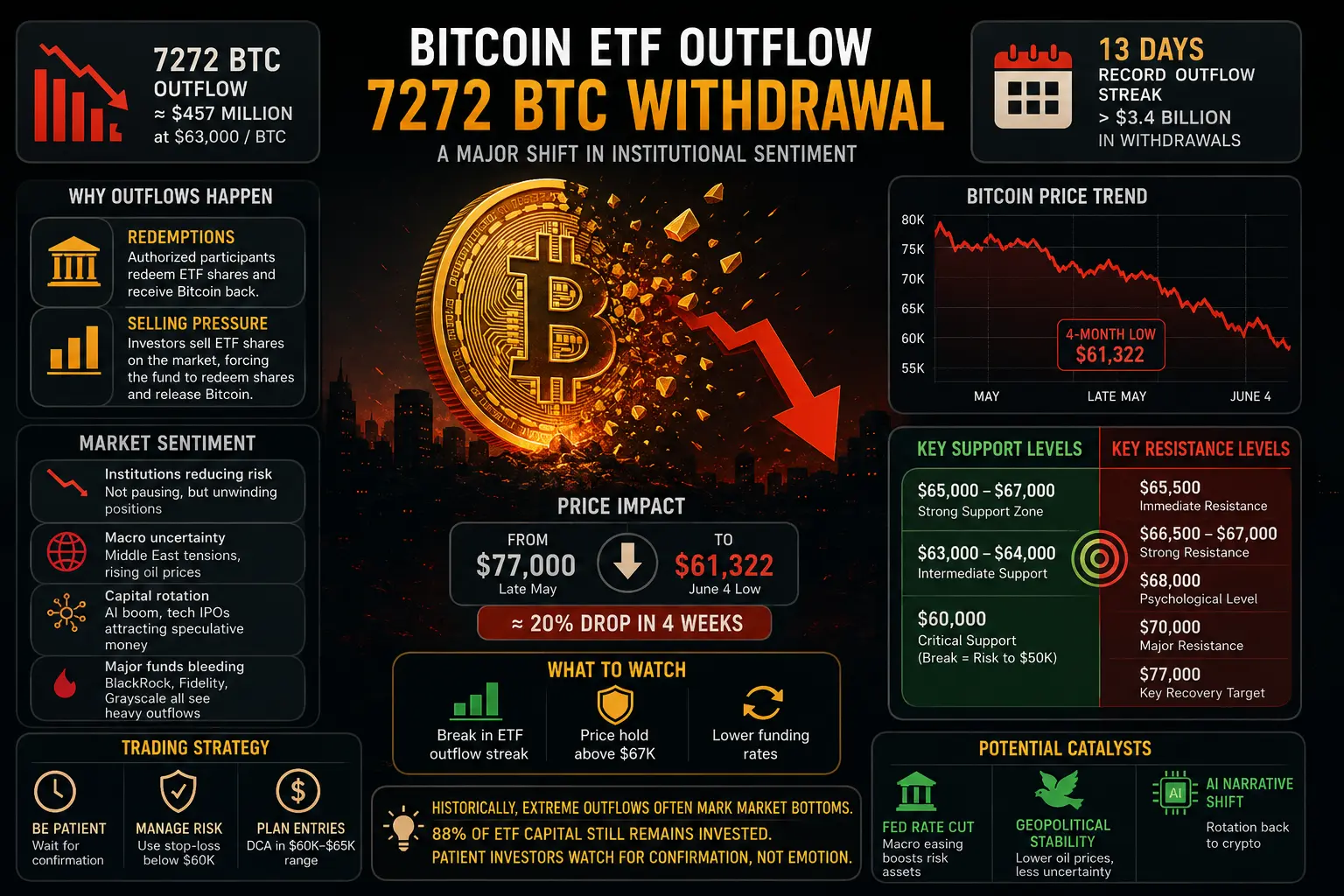
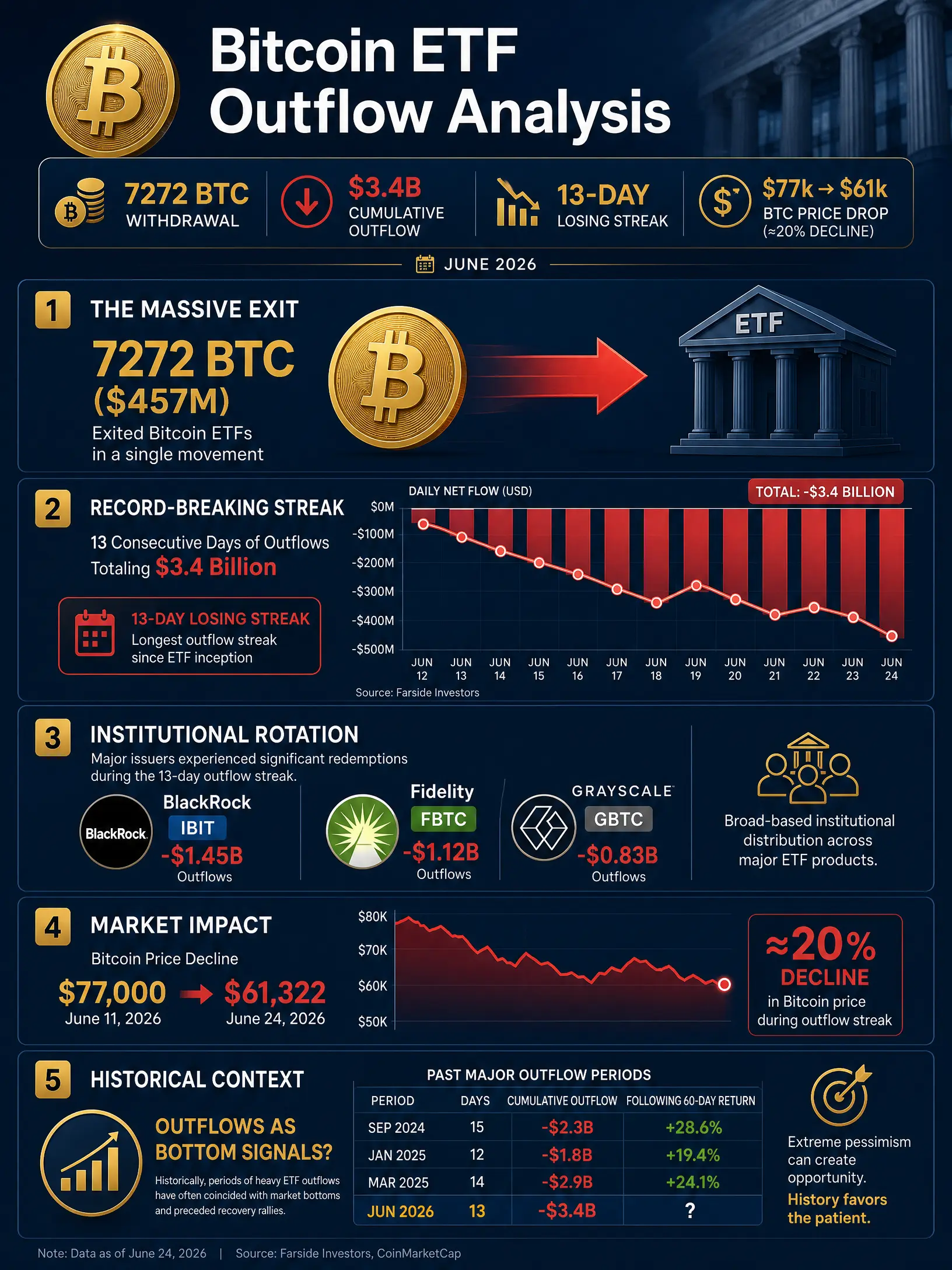
The cryptocurrency market is not driven solely by technical analysis, on-chain data, or interest rate decisions. In recent years, it has become increasingly clear that geopolitical developments have now become one of the main drivers of crypto pricing. Wars, trade tensions, energy crises, sanctions, election processes, and shifts in global power balances directly influence capital flows into digital assets, especially Bitcoin. As we moved into 2026, the volatility seen in the market once again demonstrated how strong this relationship has become
BTC0.81%
ETH1.05%
post-image
post-image
  • Reward
  • Comment
  • Repost
  • Share
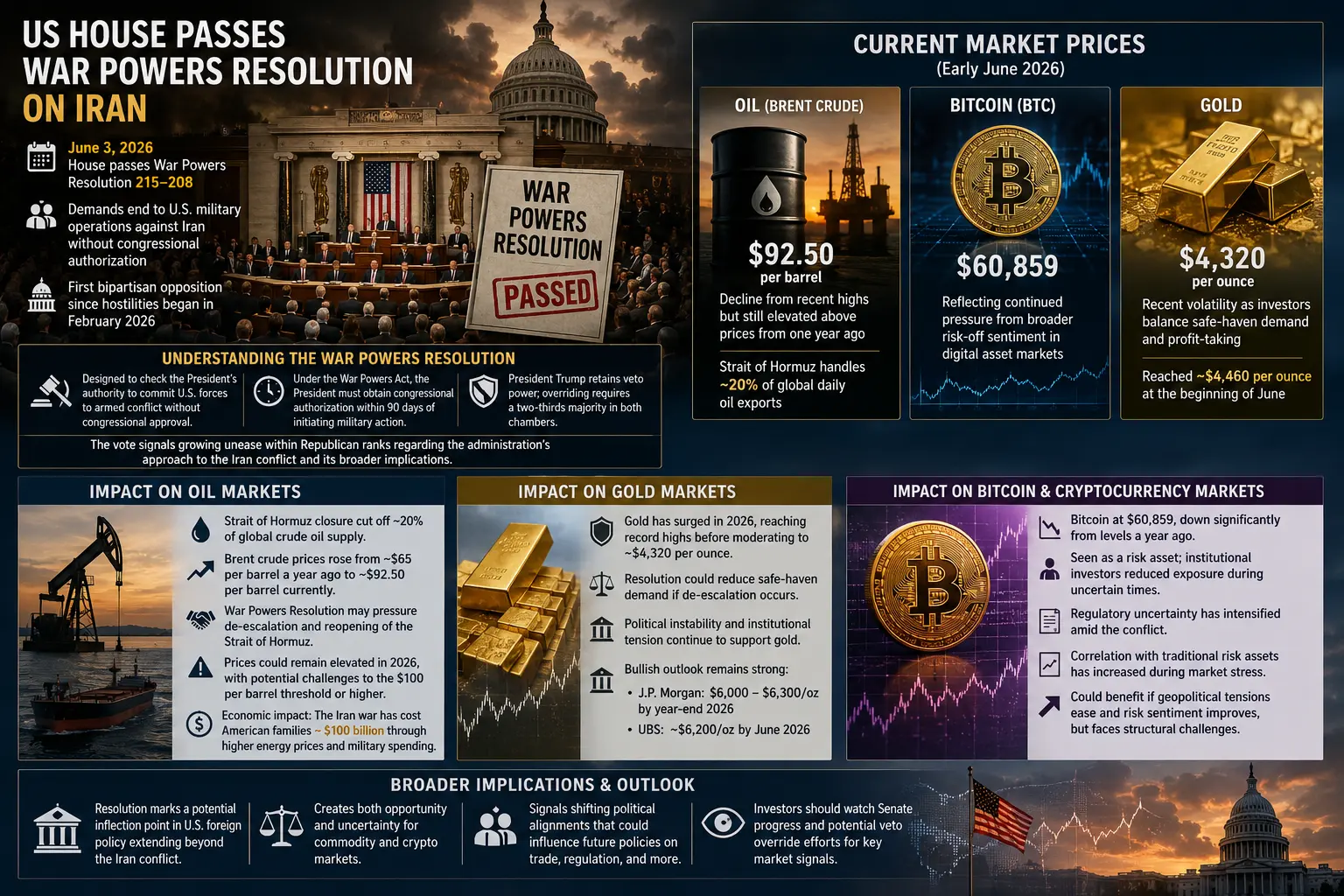
Market Dynamics: BTC Below $77,000, Gold Edges Higher, Brent Crude Surges Past $107
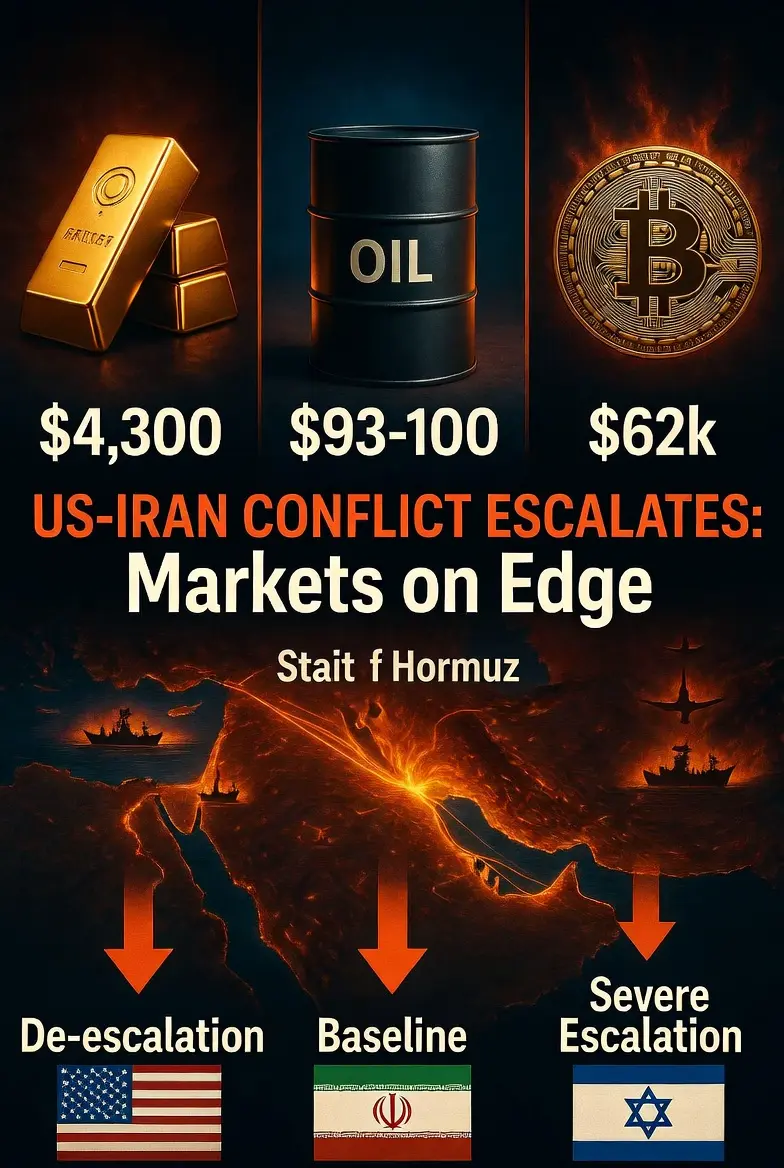
Global markets continue to price in the pressure that Middle East geopolitical tensions are placing on energy and risk assets. The picture is clear: safe-haven demand is pushing gold higher, while the Strait of Hormuz risk premium has carried Brent crude above $107. Bitcoin, caught in this risk-off wave, has slipped below $77,000.
1. Bitcoin: $77,000 Support Broken, Institutional Buying Continues
After testing $79,000 over the weekend, Bitcoin fell to around $77,800 on Monday and dropped as low as $76,880 durin
BTC0.81%
ETH1.05%
DOGE1.64%
discovery
Market Dynamics: BTC Below $77,000, Gold Edges Higher, Brent Crude Surges Past $107
Global markets continue to price in the pressure that Middle East geopolitical tensions are placing on energy and risk assets. The picture is clear: safe-haven demand is pushing gold higher, while the Strait of Hormuz risk premium has carried Brent crude above $107. Bitcoin, caught in this risk-off wave, has slipped below $77,000.
1. Bitcoin: $77,000 Support Broken, Institutional Buying Continues
After testing $79,000 over the weekend, Bitcoin fell to around $77,800 on Monday and dropped as low as $76,880 during the session. This level had been viewed as the peak of the last 12 weeks.
What’s Behind the Decline
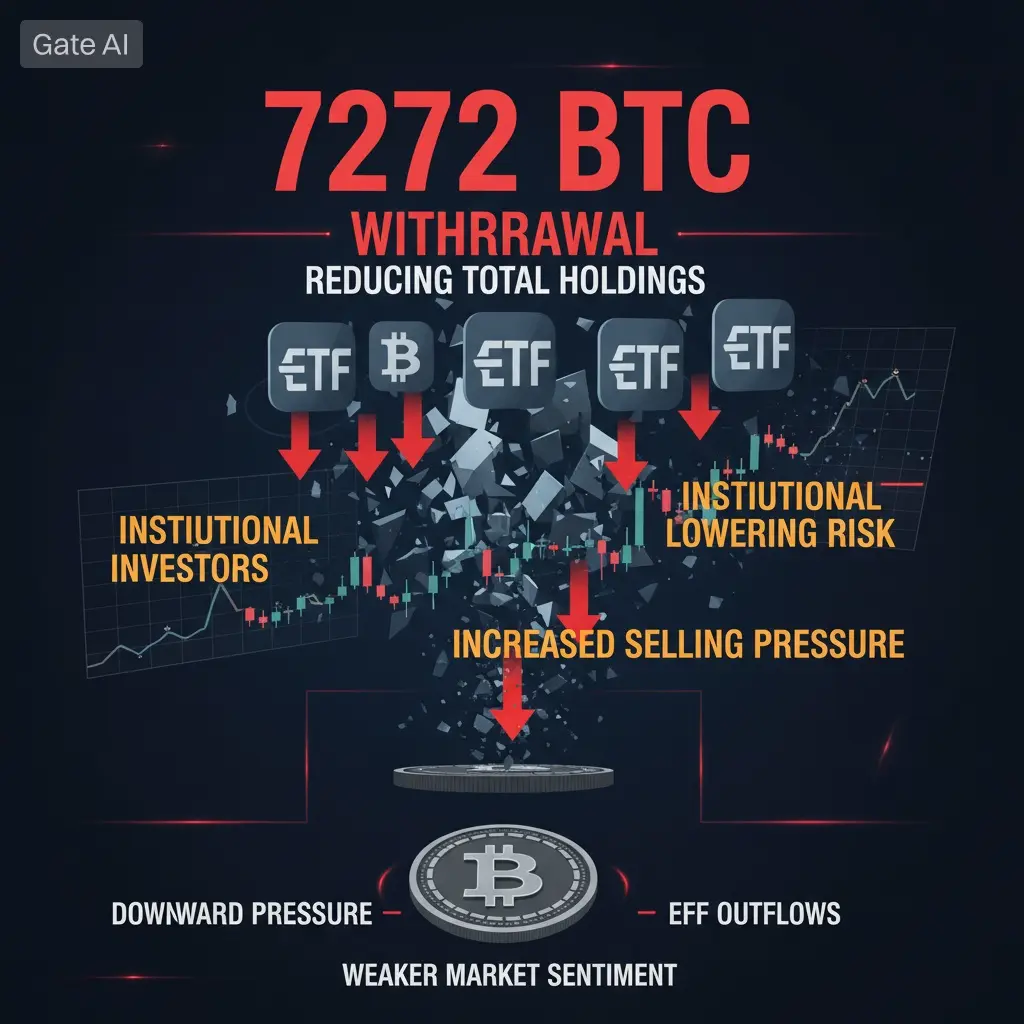
• Geopolitical Pressure: The postponement of U.S.-Iran talks and the boarding of two container ships in the Strait of Hormuz pushed oil prices higher and reduced risk appetite. • Liquidations: Roughly $300 million in positions were liquidated over the last 24 hours. Liquidations in Ethereum exceeded those in Bitcoin. • ETF Flows: Despite the pullback, institutional demand remains strong. Spot Bitcoin ETFs in the U.S. recorded inflows for nine straight days, totaling $2.12 billion. Inflows were $223.3 million on April 23 and $14.4 million on April 24.
Institutional Activity Remains Active
A major public company acquired 3,273 BTC at an average price of $77,906 between April 20 and April 26, bringing its total holdings to 818,334 BTC. Industry leaders note that institutional investors are treating Bitcoin prices below $70,000 as a buying signal. On February 2, more than $100 million in institutional inflows were recorded in a single day.
Technical Outlook
BTC had previously closed above the 61.8% Fibonacci retracement level at $78,490. The $80,000 level stands out as psychological resistance. Analysts see risk of a pullback toward $75,000 if BTC closes below $76,500. Prediction markets currently price the probability of Bitcoin reaching $150,000 by the end of June at 1.35%.
2. Brent Crude: Above $107 on Hormuz Premium
Brent crude traded at $108.62 per barrel on April 28, up 0.36%. WTI was at $96.92 per barrel. On a weekly basis, Brent is up 17% and WTI is up 13%.
Drivers Behind the Rise
• Strait of Hormuz: Flows through the strait, which carries 9.1 million barrels per day, have declined significantly. This has been described as the most severe energy supply shock on record. • Inventories: Global oil inventories are heading toward all-time lows. Physical spot cargoes are trading at premiums. • Forecasts: In a scenario where disruptions in Hormuz last 21 days, Brent forecasts for the fourth quarter of 2026 have been revised up to $90 per barrel. In a worst-case scenario, the March–April average could be $110 per barrel. 3. Gold: Near Record Levels on Safe-Haven Demand
Geopolitical risk and inflation concerns tied to higher oil are supporting gold. Spot gold is around $4,708 per ounce. In India, 24-karat gold is around 15,442 rupees per gram, or 1,54,420 rupees per 10 grams.
2026 Performance: Gold has risen by roughly 18,000 rupees so far in 2026. On December 31, 2025, 10 grams were priced at 1.33 lakh rupees, compared with around 1.51 lakh rupees now.
Analyst View: Analysts note that tension in Hormuz is providing geopolitical support for gold. Technical resistance is at $4,850, and a break could open a path toward $5,000. Support sits at $4,650.
What Markets Are Watching
For Bitcoin, the level is $77,800. The driving forces are risk-off sentiment, ETF inflows, and institutional buying. The critical threshold is $80,000 resistance and $76,500 support.
For Brent, the level is $108.62. The drivers are the Hormuz disruption and supply deficit. The key psychological resistance is $110.
For gold, the level is $4,708 per ounce. The drivers are safe-haven demand and oil-driven inflation risk. Resistance is at $4,850.
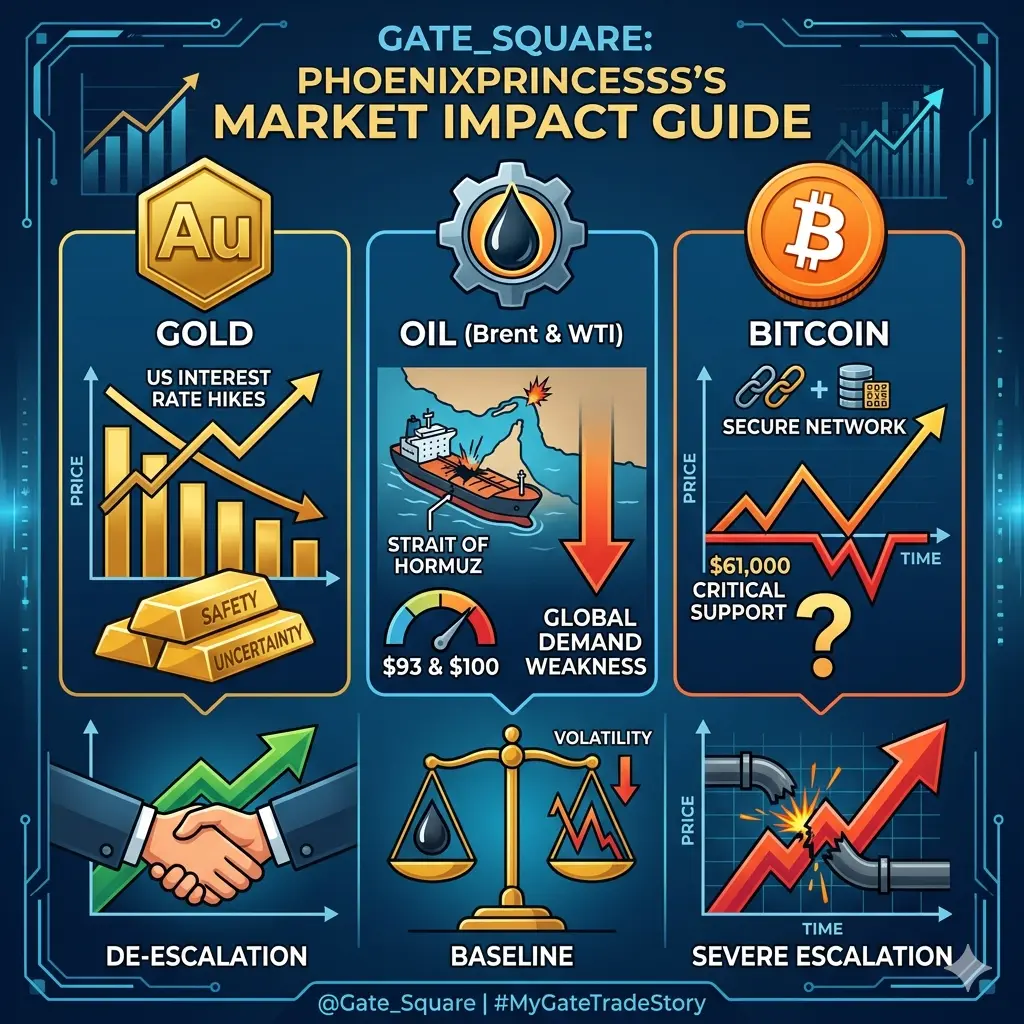
Conclusion: Markets are currently pricing the “energy shock + geopolitical risk” theme. Supply risk in oil is keeping inflation alive, which is delaying expectations for rate cuts. That creates short-term pressure for risk assets like Bitcoin, while institutional accumulation and ETF inflows are forming a floor. Gold is finding support from both the geopolitical and inflation angles.
In the coming week, the number of tankers passing through the Strait of Hormuz and diplomatic signals between the U.S. and Iran will determine the direction of all three assets. Analysts warn of the risk that Bitcoin could retest $75,000.
#MarketUpdate #GlobalMarkets #MacroOutlook #Geopolitics
#GateSquareDaily
$BTC $ETH $DOGE
repost-content-media
  • Reward
  • 29
  • Repost
  • Share
MuteVerse:
LFG 🔥
View More
#IranProposesHormuzStraitReopeningTerms
Iran’s latest proposal regarding the Strait of Hormuz has become a major focus for global markets, as this route remains one of the most important energy corridors in the world. Any progress toward reopening normal maritime activity could influence oil supply, shipping costs, and overall market confidence.
The Strait of Hormuz plays a critical role in international trade, carrying a large share of global crude oil and LNG flows. When tensions rise in the region, energy prices often react quickly, while transportation and insurance costs also move higher
BTC0.81%
post-image
post-image
  • Reward
  • 8
  • Repost
  • Share
MrFlower_XingChen:
To The Moon 🌕
View More
#IranProposesHormuzStraitReopeningTerms
The global energy and geopolitical landscape has entered a critical turning point as Iran introduces a strategic proposal to reopen the Strait of Hormuz, aiming to de-escalate tensions without immediately resolving deeper nuclear disputes. This move is not just diplomatic—it is a calculated attempt to stabilize global markets while preserving Iran’s core political red lines.
---
📊 What Exactly Is Iran Proposing?
Iran has offered a phased de-escalation plan with one key priority:
👉 Immediate reopening of the Strait of Hormuz
👉 Ceasefire stabilization
BTC0.81%
post-image
  • Reward
  • 23
  • Repost
  • Share
SheenCrypto:
To The Moon 🌕
View More
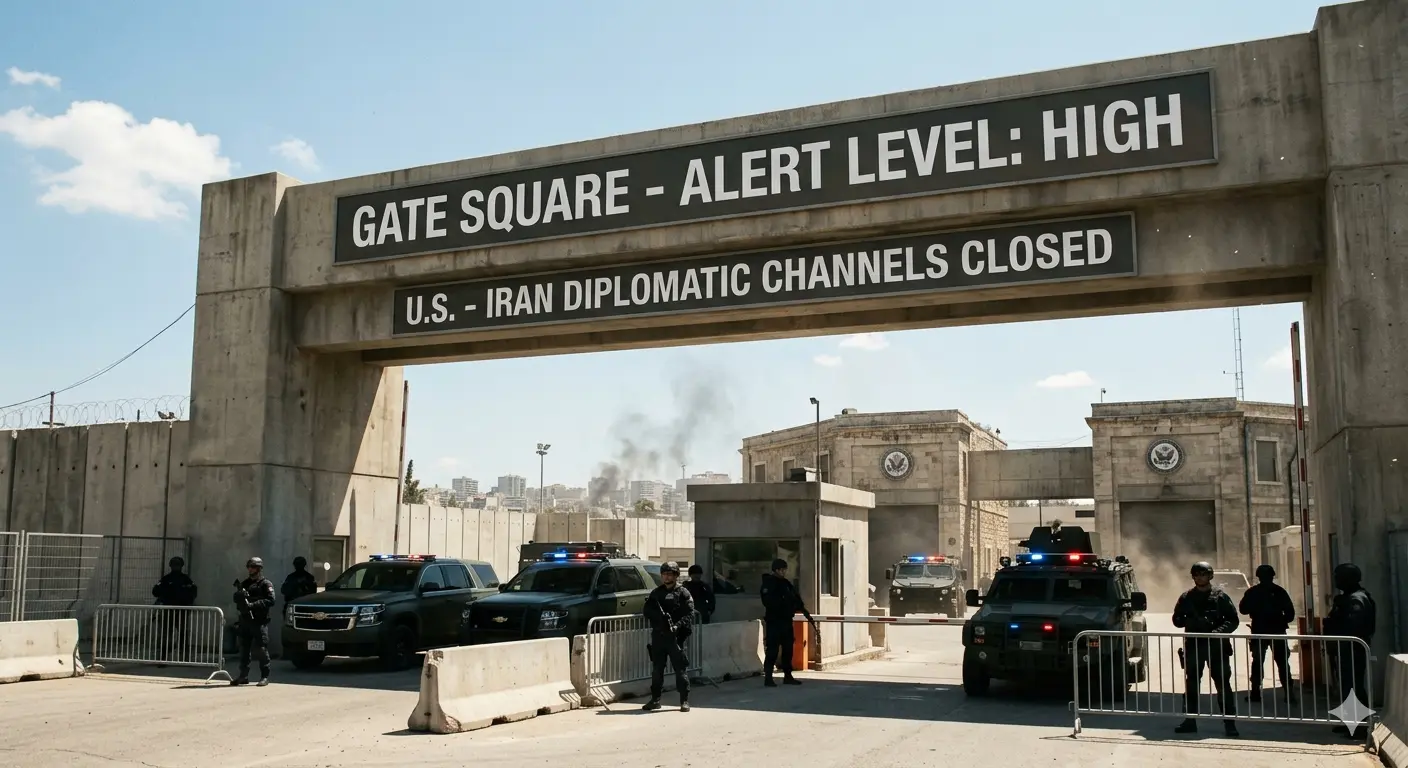
#US-IranTalksStall
US–Iran Talks Stall | Geopolitical Breakdown & Market Impact
The negotiations between the United States and Iran have entered a complete deadlock, driven by structural disagreements, escalating security actions, and internal political fragmentation on both sides. What was expected to be a fragile diplomatic pathway has now shifted into a high-risk standoff with global economic consequences.
Why the Talks Have Stalled
1. Nuclear Enrichment Deadlock
At the core of the dispute is Iran’s nuclear enrichment program.
The United States demands complete dismantling or strict long-t
BTC0.81%
Dubai_Prince
#US-IranTalksStall
US–Iran Talks Stall | Geopolitical Breakdown & Market Impact
The negotiations between the United States and Iran have entered a complete deadlock, driven by structural disagreements, escalating security actions, and internal political fragmentation on both sides. What was expected to be a fragile diplomatic pathway has now shifted into a high-risk standoff with global economic consequences.
Why the Talks Have Stalled
1. Nuclear Enrichment Deadlock
At the core of the dispute is Iran’s nuclear enrichment program.
The United States demands complete dismantling or strict long-term limits.
Iran insists on maintaining nuclear sovereignty and operational independence.
Hardline factions within Iran, particularly linked to the IRGC, view negotiations as a strategic concession that weakens national leverage. This has created a non-negotiable political red line.
2. Military Pressure & Naval Blockade
Tensions escalated sharply after the United States enforced a naval blockade on Iranian ports following disruptions in the Strait of Hormuz.
Iran considers this action a violation of ceasefire terms
The US frames it as strategic containment and pressure enforcement
The result is a reciprocal escalation with no diplomatic exit ramp
This has effectively frozen negotiation momentum.
3. Internal Power Fragmentation in Iran
Iran’s political structure is currently divided:
Hardliners oppose diplomacy entirely under current conditions
IRGC-aligned voices reject any compromise on Hormuz sovereignty
Foreign policy leadership reportedly sees negotiations as non-viable under Supreme Leader constraints
This internal divergence has weakened Iran’s ability to present a unified negotiating position.
4. Breakdown of Mediation Channels
External mediation attempts, including regional diplomatic efforts, have failed to restart dialogue.
A second round of talks collapsed before formal continuation
The ceasefire window has expired
Both sides have reverted to defensive and preparatory postures
The situation has entered what analysts describe as a “no deal, no war” equilibrium.
5. Hardline US Positioning
The United States has adopted an uncompromising stance:
No easing of sanctions or blockade without a comprehensive agreement
Public signaling emphasizes leverage dominance
Diplomatic flexibility has significantly narrowed
This has created a structural impasse where neither side is willing to initiate concessions.
Strait of Hormuz: The Core Pressure Point
The Strait of Hormuz remains the most critical geopolitical chokepoint in global energy flows.
Roughly 20% of global oil and LNG passes through it
Current conditions reflect partial closure and restricted passage
Both Iran and the US maintain opposing control narratives over access rights
Market consensus suggests prolonged disruption risk, with expectations that normalization may not occur in the near term.
Oil Market Shockwave
Current Market Levels
Brent Crude: Above $104–107
WTI Crude: Around $101–102
Key Drivers
Supply disruption risk from Hormuz instability
Rapid surge in global shipping and freight costs
Refining pressure impacting diesel and jet fuel markets
Persistent geopolitical risk premium embedded in pricing
Institutional Outlook Range
Forecasts vary widely depending on escalation scenarios:
Bullish stress scenario: Potential spikes above $110+
Base normalization outlook: Mid-$70s to $90 range over time
Bearish resolution case: Return toward $60–$70 levels in 2026–2027 cycle
The divergence reflects extreme uncertainty around maritime stability.
Bitcoin Market Response
Current Positioning
BTC: ~$77,500 range
Short-term trend: Volatile but relatively stable
Monthly performance: Strong recovery momentum despite macro risk
Key Market Dynamics
1. Oil-Driven Macro Correlation
Bitcoin has shown a delayed reaction to oil shocks:
Oil spikes first
Risk assets, including crypto, adjust afterward
2. Relative Resilience
Compared to equities and commodities, Bitcoin’s reaction has been relatively muted, suggesting partial pricing-in of geopolitical risk.
3. Institutional Support
Strong ETF inflows continuing across US spot Bitcoin products
Large-scale accumulation by institutional players reinforces structural demand
Liquidity absorption is acting as a stabilizing force
4. Market Sentiment
Sentiment remains in fear territory
However, underlying positioning shows persistent bullish conviction
Key Technical Zones (BTC)
Support: $73,000 – $74,000
Resistance: $78,000 – $80,000
Breakout extension: Above $80,000 toward higher liquidity zones
Breakdown risk: Below $73,000 opens deeper correction scenario
Strategic Market Implications
If Oil Remains Above $110
Increased inflation pressure
Risk-off behavior across equities and crypto
Bitcoin likely retests lower support zones
If Diplomatic Progress Resumes
Rapid oil correction expected
Risk assets rebound strongly
BTC reclaims upside momentum toward $80K+ range
Trading & Risk Framework
Conservative Positioning
Reduce exposure during headline volatility
Maintain cash reserves for opportunistic entries
Prioritize capital preservation over aggressive leverage
Hedge downside risk through structured protection strategies
Aggressive Positioning
Range trading between key support/resistance levels
Oil remains leading indicator for macro risk direction
Breakout confirmation required before directional conviction
Key Market Signals to Watch
1. Oil Price Direction (Primary Indicator)
2. ETF Inflow Strength in Bitcoin Markets
3. USD Strength (DXY trend impact on risk assets)
4. Diplomatic Headlines on Hormuz or Nuclear Talks
5. Shipping and Freight Market Stress Indicators
The US–Iran standoff has transitioned from diplomatic tension into a structural geopolitical risk event with direct macroeconomic transmission.
The Strait of Hormuz remains the central pressure point
Oil markets are pricing sustained disruption risk
Bitcoin is balancing institutional inflows against macro uncertainty
Global markets remain in a reactive, headline-driven phase
Until a clear resolution emerges, volatility will remain elevated, with oil acting as the primary leading indicator for broader risk sentiment.
#USIranTalksStall #Geopolitics #OilMarkets #CryptoAnalysis
repost-content-media
  • Reward
  • Comment
  • Repost
  • Share
#US-IranTalksStall
US–Iran Talks Stall | Geopolitical Breakdown & Market Impact
The negotiations between the United States and Iran have entered a complete deadlock, driven by structural disagreements, escalating security actions, and internal political fragmentation on both sides. What was expected to be a fragile diplomatic pathway has now shifted into a high-risk standoff with global economic consequences.
Why the Talks Have Stalled
1. Nuclear Enrichment Deadlock
At the core of the dispute is Iran’s nuclear enrichment program.
The United States demands complete dismantling or strict long-t
BTC0.81%
post-image
  • Reward
  • 1
  • Repost
  • Share
CryptoDiscovery:
To The Moon 🌕
#US-IranTalksStall
US Iran talks stall, increasing uncertainty across global markets.
Diplomatic progress between the United States and Iran has slowed, raising concerns about prolonged tensions in a region critical to global energy supply. Stalled negotiations often extend uncertainty, making it harder for markets to price in clear outcomes.
As a result, investors are closely monitoring signals from both sides while adjusting exposure to risk sensitive assets. Energy markets, currencies, and commodities typically react first, followed by broader shifts in global sentiment.
Why this matters
P
post-image
post-image
post-image
post-image
post-image
  • Reward
  • 12
  • Repost
  • Share
ShainingMoon:
LFG 🔥
View More
🌍 Gate Plaza | Market Alert
US–Iran Tensions Rise | Strait of Hormuz in Focus
Geopolitical tensions between the United States and Iran are increasing once again, raising concerns over stability in the Middle East and global energy security.
Key Risk Area: Strait of Hormuz
This critical oil transit route is back under close watch due to:
• Heightened military activity in the region
• Rising uncertainty around shipping safety
• Potential disruption risks for global oil flow
• Increased attention from global markets
Market Reaction
Growing tensions are already impacting sentiment:
• Oil marke
DragonFlyOfficial
🌍 Gate Plaza | Hot Topics 4/24
⚠️ US–Iran Tensions Escalate | Hormuz Strait Risk Rising
The geopolitical situation in the Middle East is once again entering a high-risk phase, as tensions between the United States and Iran continue to intensify.
Recent developments indicate growing instability, with Iran signaling stronger strategic positioning while the United States increases regional deployments and initiates precautionary evacuation measures. These moves reflect a rising level of uncertainty across the region.
🌊 Strait of Hormuz Under Pressure
The Strait of Hormuz, one of the world’s most critical energy shipping routes, is once again at the center of global attention.
Increased risk of tanker interception
Heightened naval presence in the region
Growing concerns over potential blockade scenarios
Rising volatility in global energy supply chains
As diplomatic disagreements widen, the probability of extended tension remains a key market concern.
📉 Market Impact Outlook
Escalating geopolitical risk is already influencing market sentiment:
Oil markets reacting to supply disruption fears
Increased volatility in global commodities
Risk-off sentiment across financial markets
Heightened uncertainty for energy-dependent economies
The next phase of developments could significantly influence global price stability.
🎁 Community Reward Event
Gate Plaza is launching a limited-time discussion reward campaign:
🏆 5 lucky participants will share $1,000 in position experience vouchers
💬 Weekly Discussion Topics
1️⃣ Do you think the ceasefire will collapse? Will the Strait of Hormuz be blocked? Share your analysis.
2️⃣ If escalation continues, how will oil prices and global markets react?
🔗 Share your thoughts: https://www.gate.com/post
📅 Deadline: 4/26 18:00 (UTC+8)
⚠️ Risk Warning
Geopolitical instability and market volatility can significantly impact global financial conditions. Always analyze risk carefully and avoid emotional decision-making.
Dragon Fly Official
#美伊谈判陷入僵局
repost-content-media
  • Reward
  • 1
  • Repost
  • Share
Yusfirah:
LFG 🔥
Market Tomorrow as US-Iran Talks Resume:
Positive development → Risk-on relief expected.
BTC likely tests higher ($79K–$80K zone in play).
Lower escalation fears = bullish for crypto & equities.
Watch for any contradictions from Iran side.
#Bitcoin #Geopolitics $BTC $ETH
BTC0.81%
ETH1.05%
post-image
  • Reward
  • Comment
  • Repost
  • Share
#US-IranTalksStall
🌍 US–Iran Talks Stall — Market Watching Closely
Geopolitical tensions are back in focus as US–Iran talks show signs of stalling. Such developments often create uncertainty across global markets, influencing commodities, equities, and crypto sentiment.
Investors are closely monitoring the situation, as any escalation or breakthrough could trigger sharp market reactions. In times like these, staying informed and managing risk becomes crucial for traders.
⚠️ Expect volatility and keep an eye on global headlines.
#GlobalMarkets #Geopolitics #CryptoNews
post-image
  • Reward
  • 1
  • Repost
  • Share
ChuDevil:
Just charge forward 👊
Load More