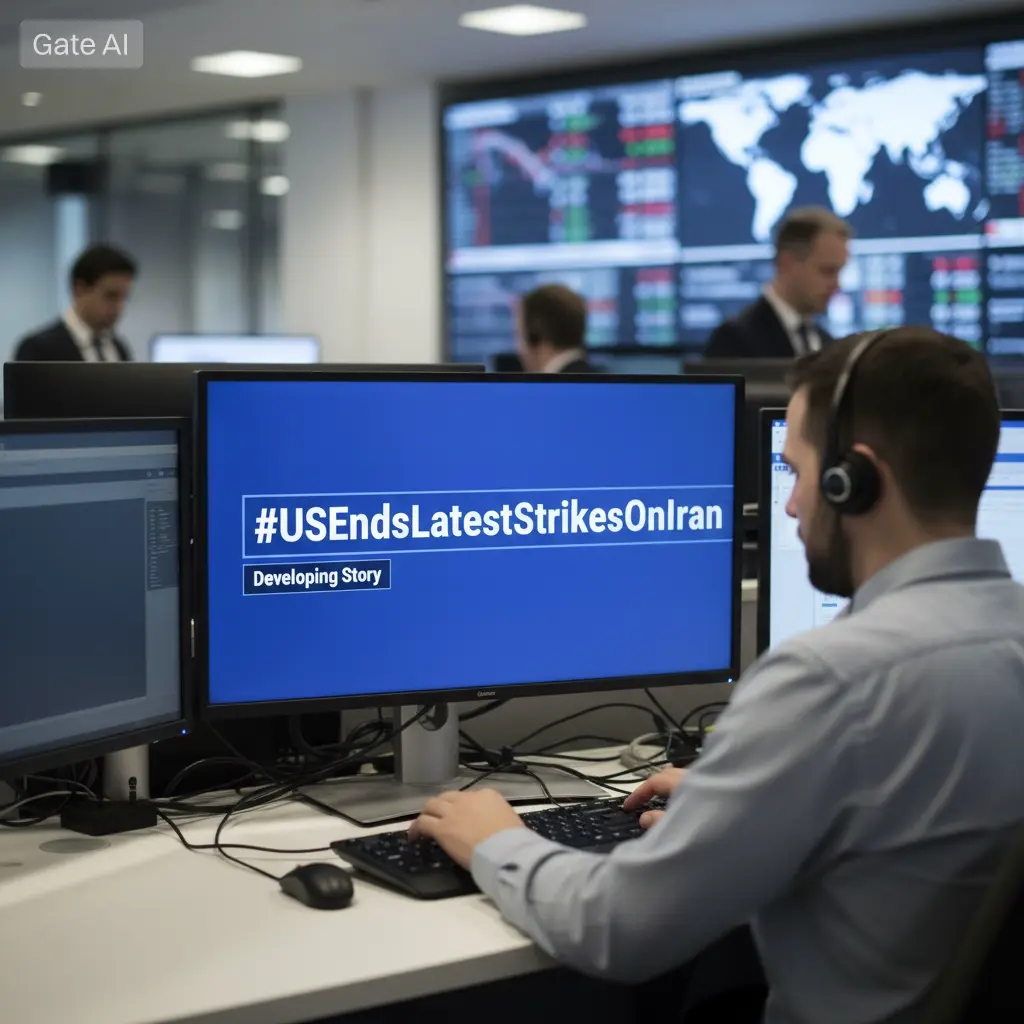

#USEndsLatestStrikesOnIran 🌍 | Markets Watch Geopolitics Closely 📊
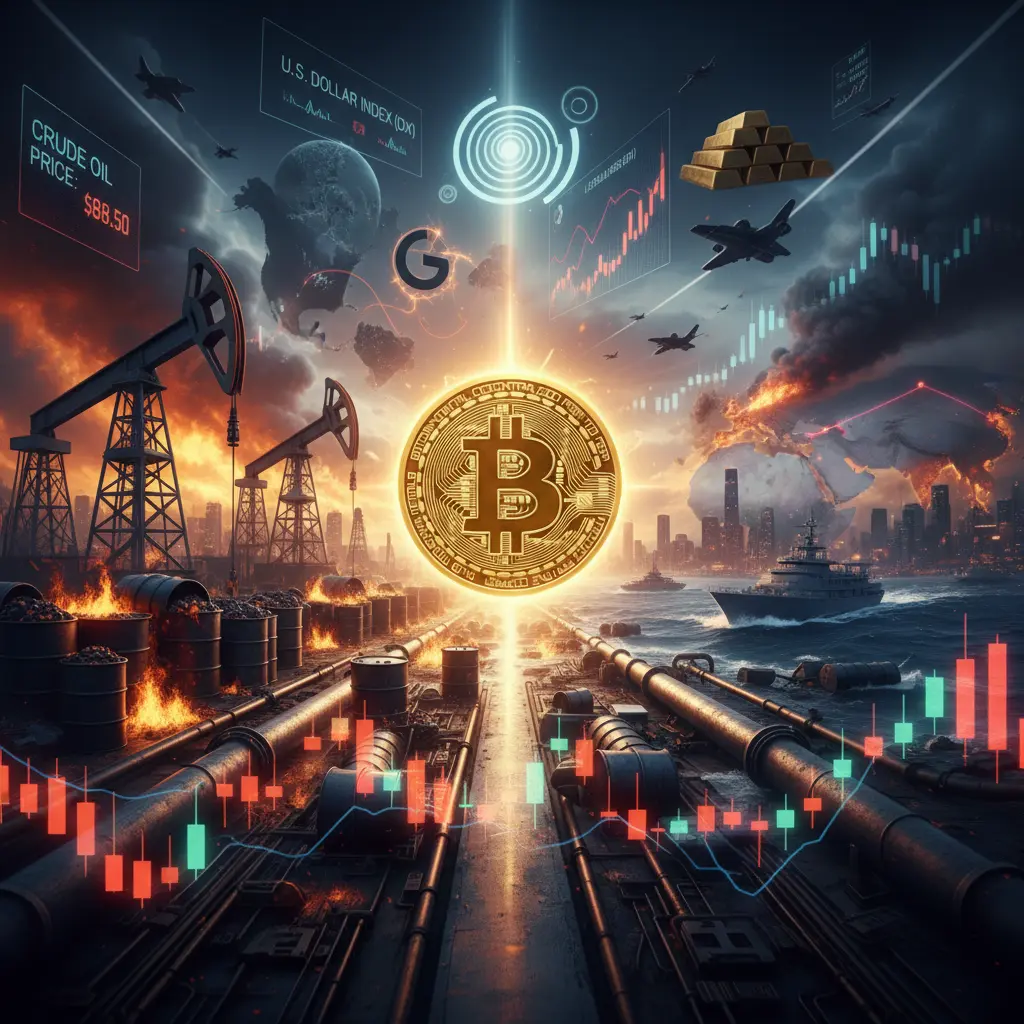
Global attention remains on the Middle East after the U.S. military announced the completion of its latest round of strikes on Iran, marking another major development in ongoing regional tensions. Reports indicate the operation targeted multiple military-related sites as investors continue monitoring the situation for its potential impact on energy markets and global risk sentiment.
🔍 Key Market Focus
⚠️ Geopolitical Developments
Military activity in the region continues to influence investor sentiment and increase uncertainty across global markets.
🛢️ Energy Markets
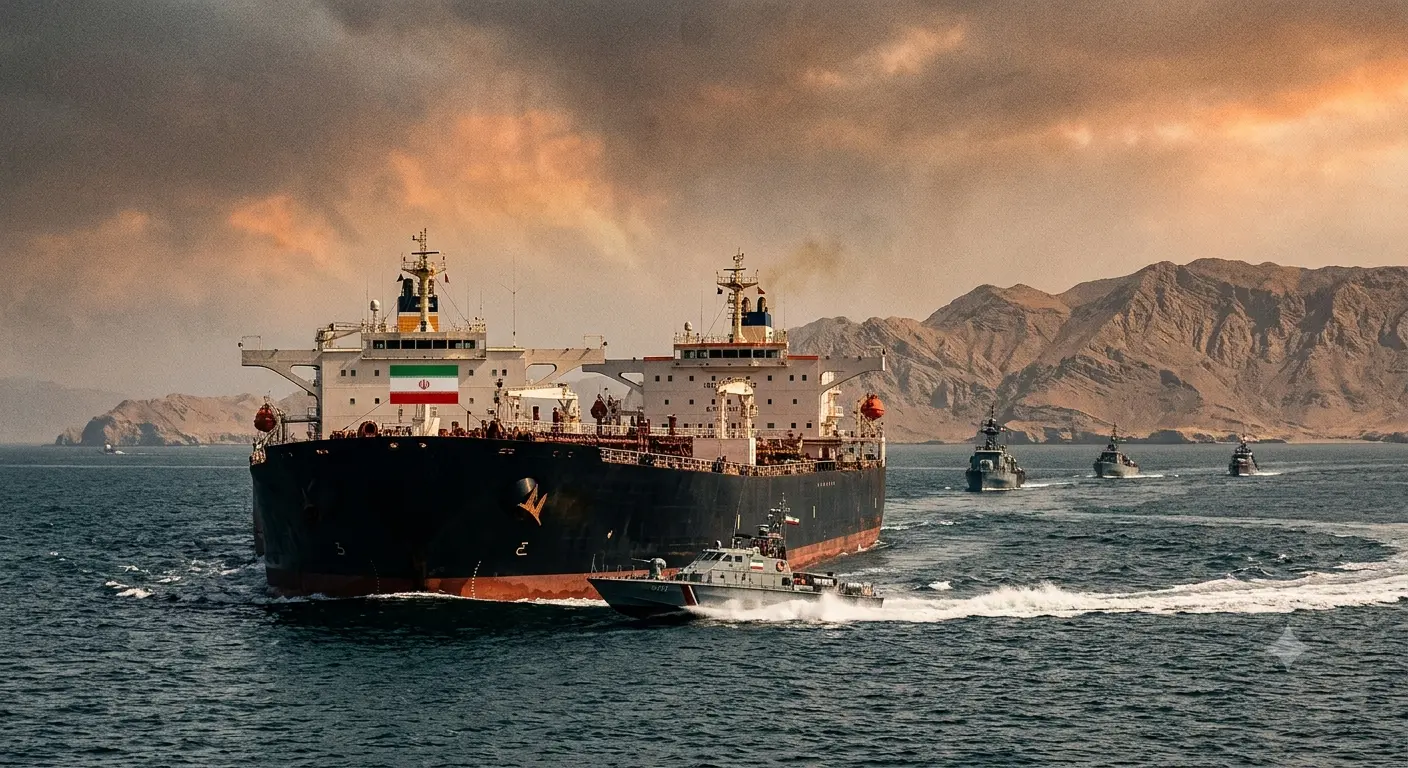
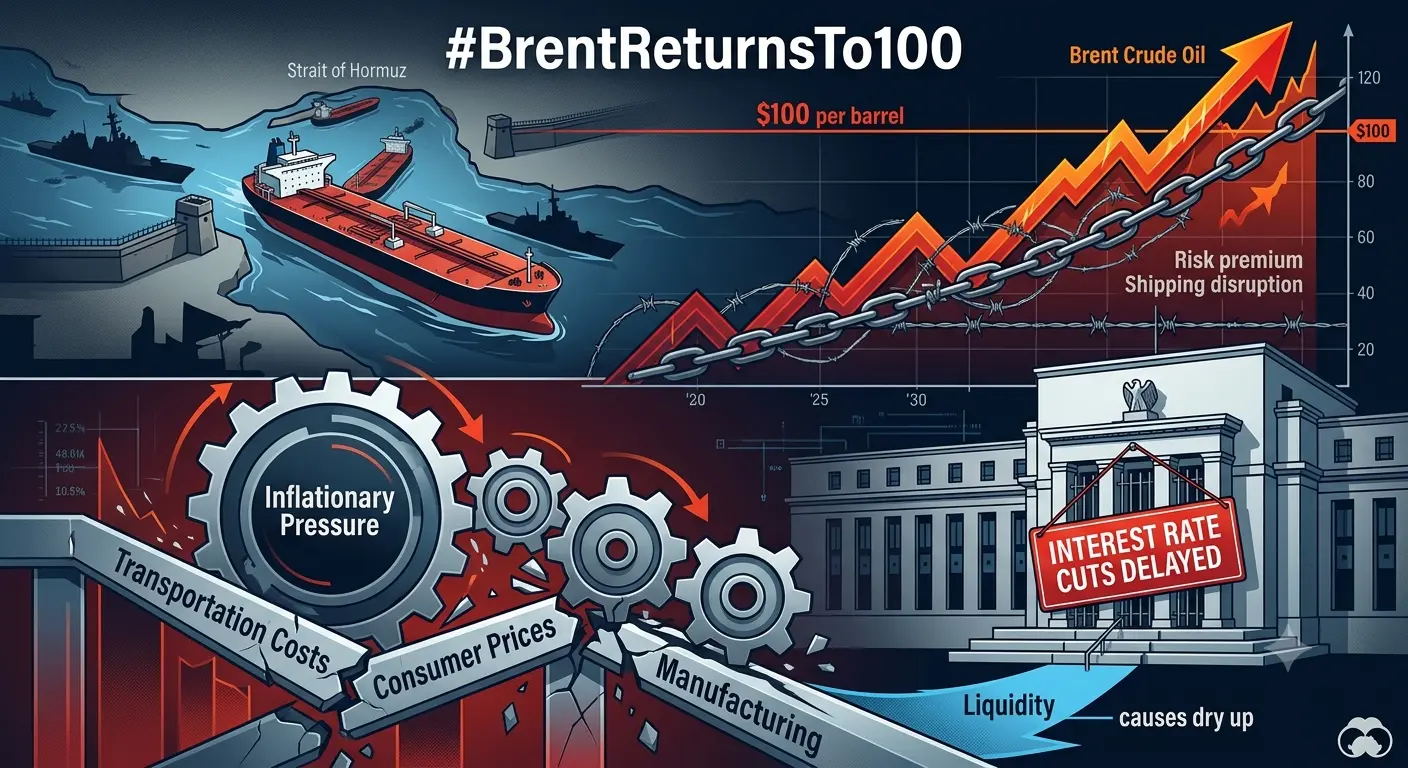
Traders remain focused on oil supply routes and the Strait of Hormuz, as any disruption could affect crude oil prices and inflation expectations.
📈 Financial Markets
Periods of geopolitical uncertainty often lead investors to closely watch commodities, equities, and cryptocurrencies for signs of changing risk appetite.
🌐 What's Next?
Market participants will continue following official announcements and diplomatic developments to assess the broader economic impact.
💡 Market Insight
Geopolitical events can create short-term volatility, but long-term investment decisions should remain based on disciplined research, risk management, and evolving macroeconomic conditions.
💬 What's your view?
How do you think ongoing geopolitical tensions will influence global markets and crypto in the coming weeks? Share your thoughts below! 👇
#USEndsLatestStrikesOnIran #Geopolitics #MarketUpdate #MacroEconomics
Global attention remains on the Middle East after the U.S. military announced the completion of its latest round of strikes on Iran, marking another major development in ongoing regional tensions. Reports indicate the operation targeted multiple military-related sites as investors continue monitoring the situation for its potential impact on energy markets and global risk sentiment.
🔍 Key Market Focus
⚠️ Geopolitical Developments
Military activity in the region continues to influence investor sentiment and increase uncertainty across global markets.
🛢️ Energy Markets
Traders remain focused on oil supply routes and the Strait of Hormuz, as any disruption could affect crude oil prices and inflation expectations.
📈 Financial Markets
Periods of geopolitical uncertainty often lead investors to closely watch commodities, equities, and cryptocurrencies for signs of changing risk appetite.
🌐 What's Next?
Market participants will continue following official announcements and diplomatic developments to assess the broader economic impact.
💡 Market Insight
Geopolitical events can create short-term volatility, but long-term investment decisions should remain based on disciplined research, risk management, and evolving macroeconomic conditions.
💬 What's your view?
How do you think ongoing geopolitical tensions will influence global markets and crypto in the coming weeks? Share your thoughts below! 👇
#USEndsLatestStrikesOnIran #Geopolitics #MarketUpdate #MacroEconomics