#BlackRockReducesBTCIncreasesETH
BlackRock Reduces BTC, Increases ETH: A Strategic Shift or Portfolio Rebalancing?
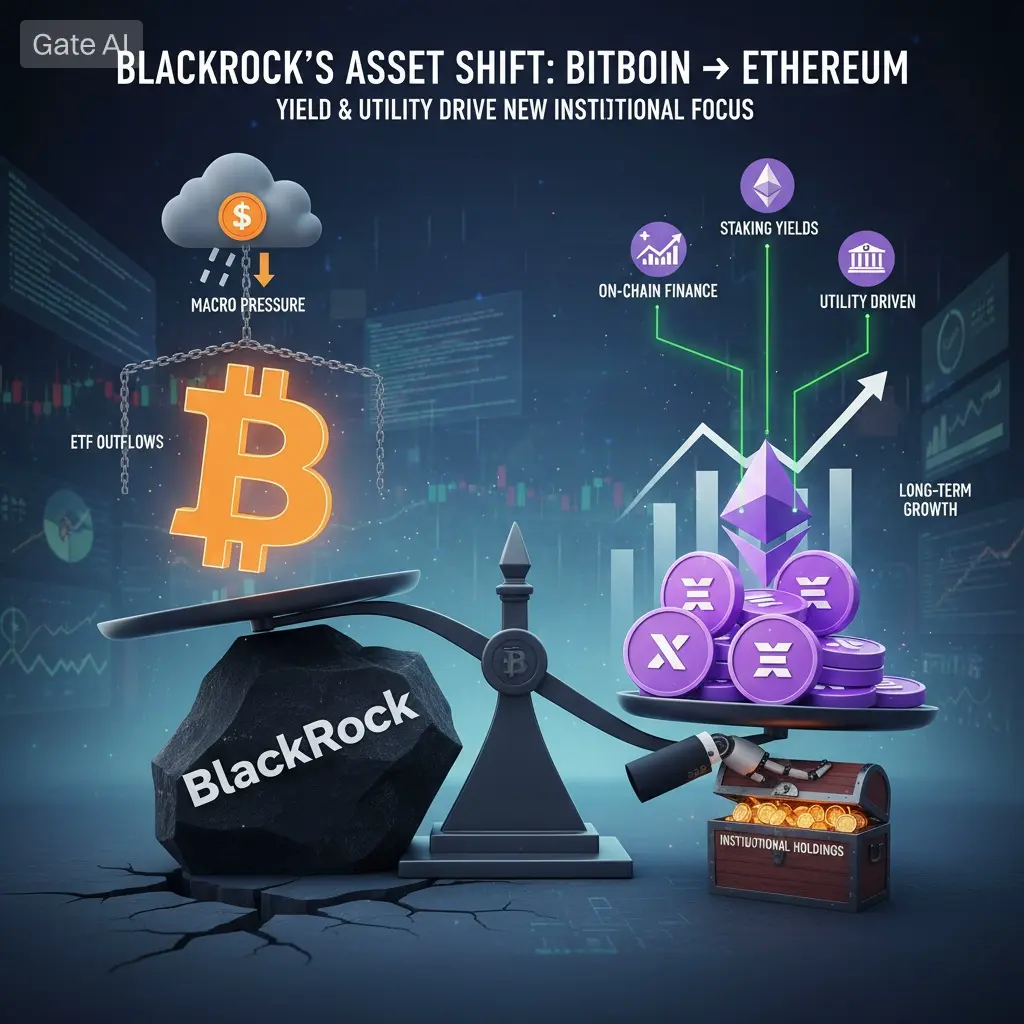
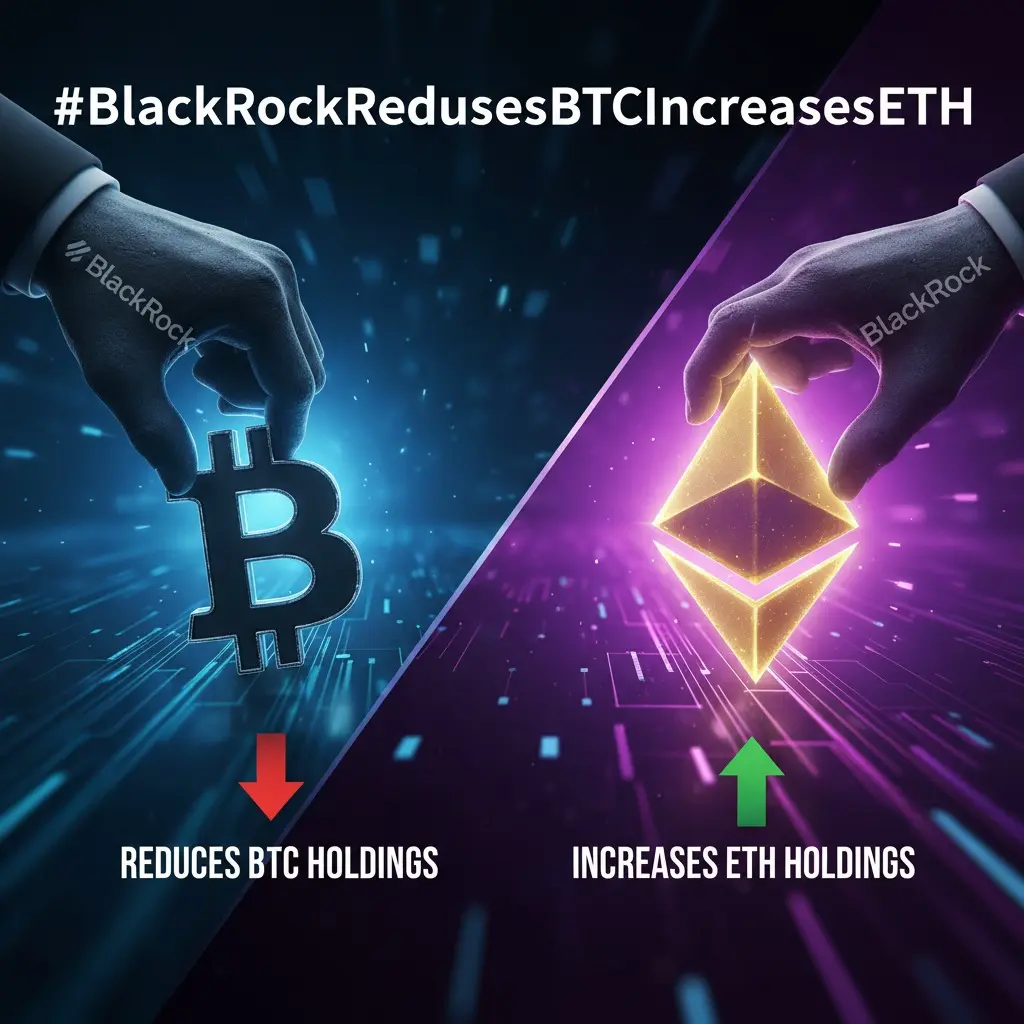
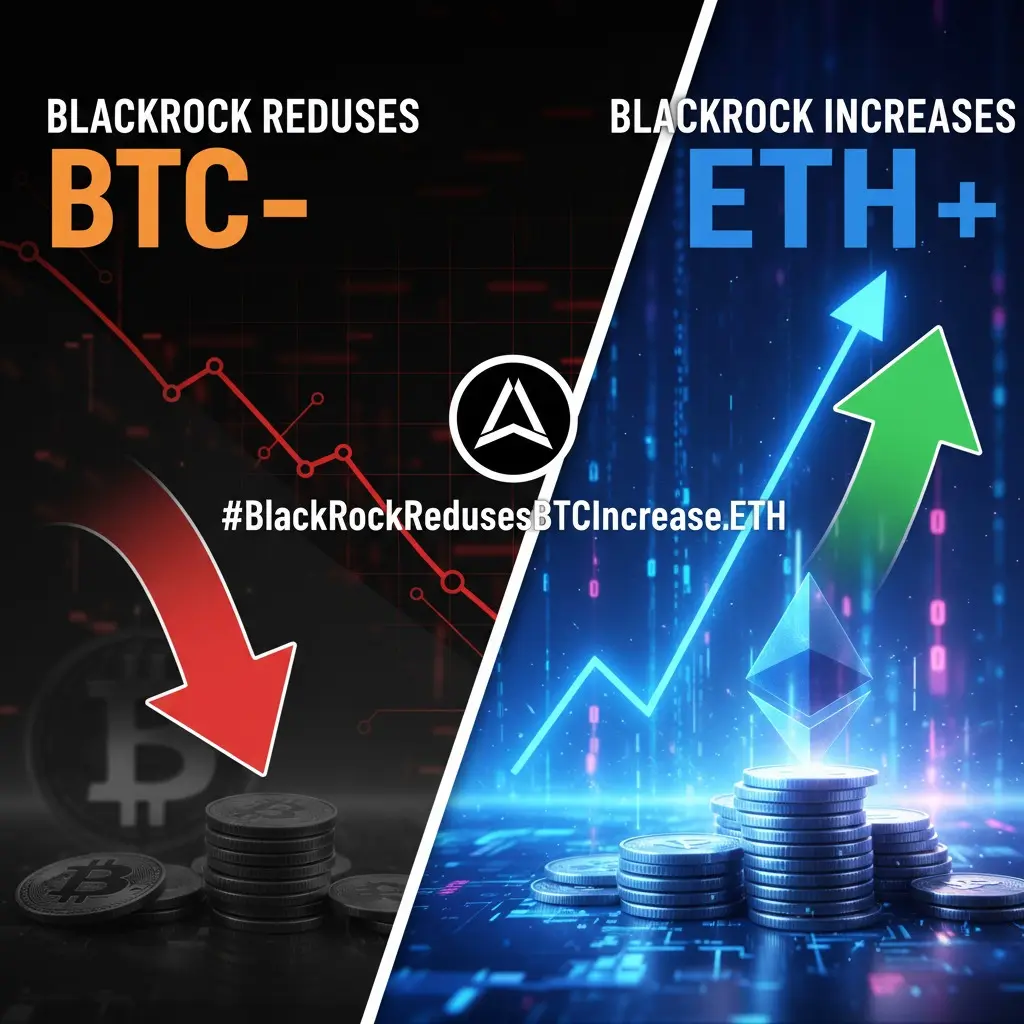
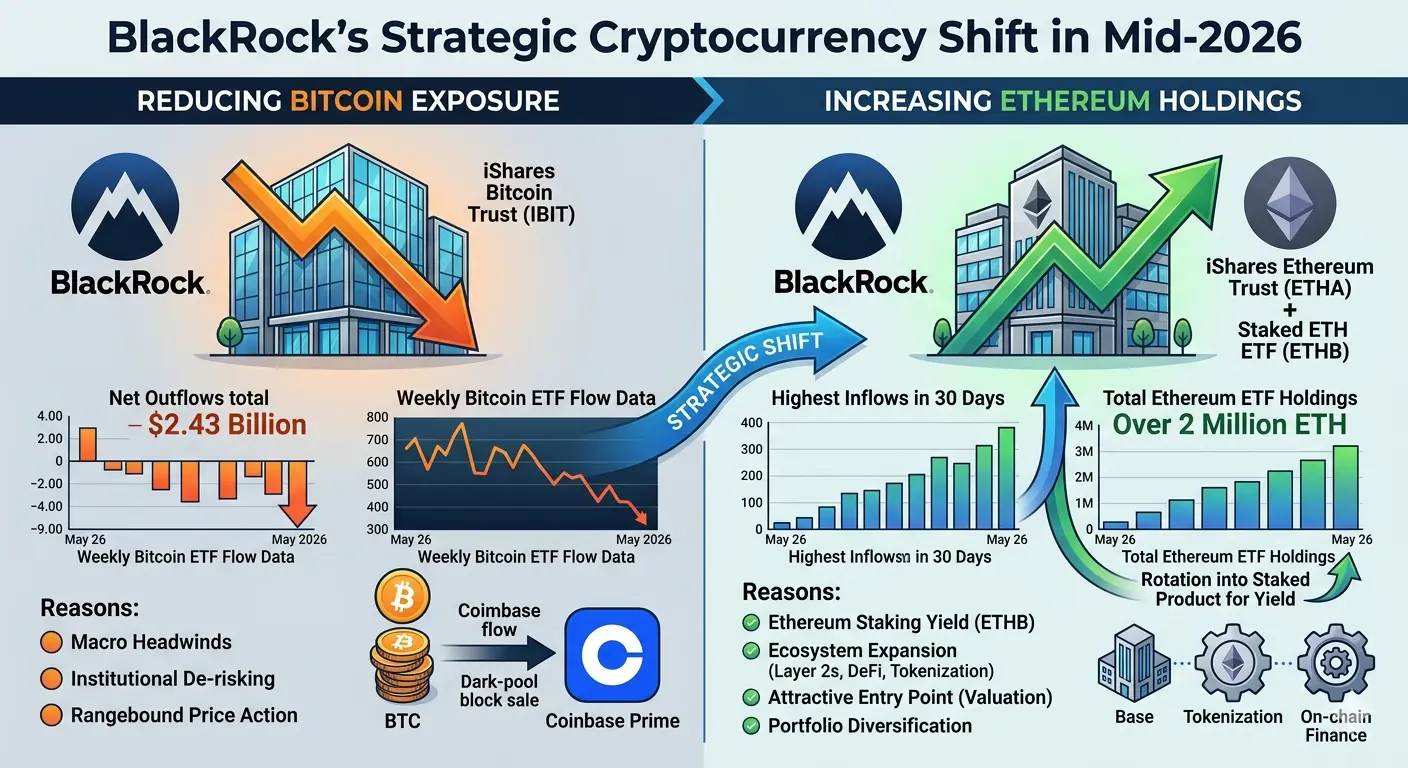
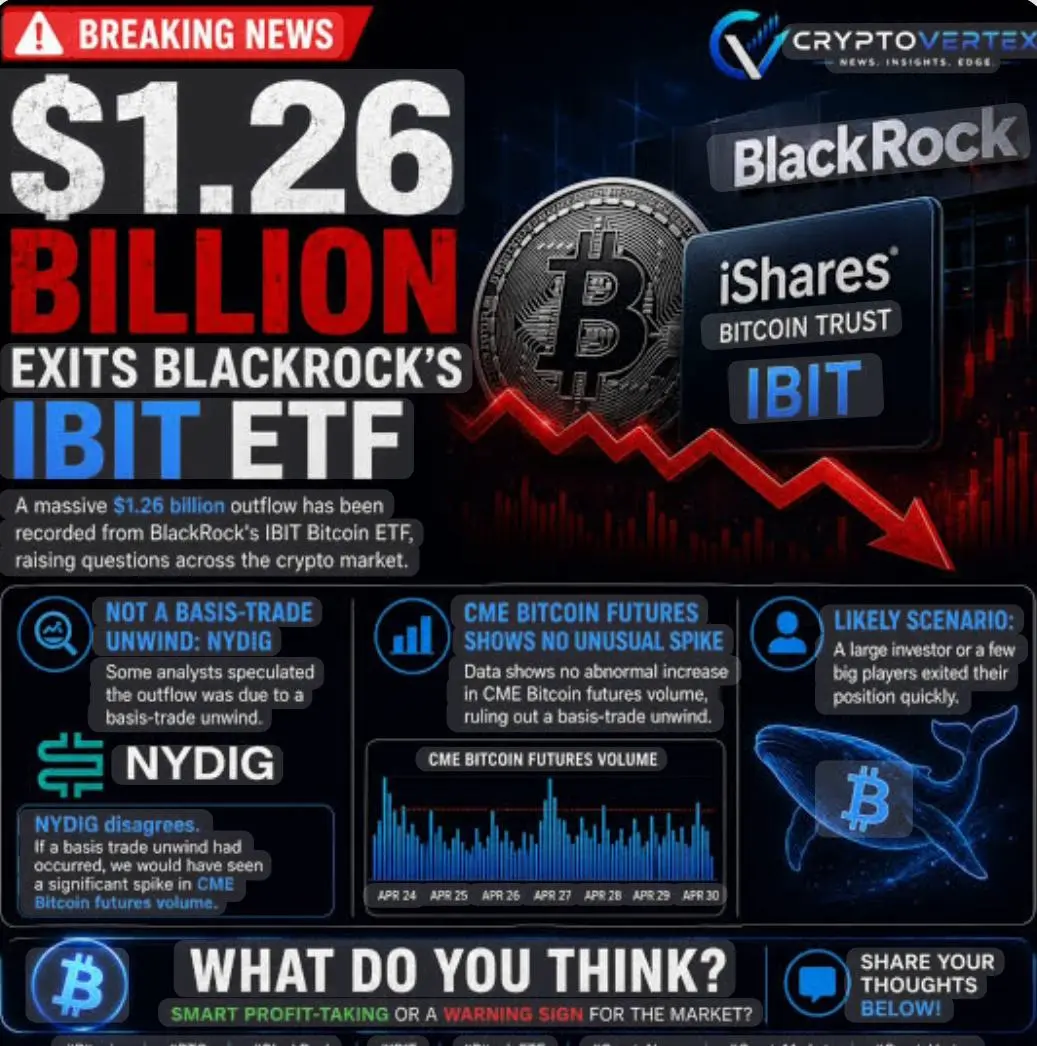
Institutional capital continues to play a defining role in shaping cryptocurrency markets, and few names carry more influence than BlackRock. As the world's largest asset manager, every adjustment within BlackRock's digital asset exposure attracts significant attention from investors seeking clues about broader institutional trends. Recent market reports indicating a reduction in Bitcoin exposure alongside increased Ethereum allocations have sparked discussions about whether institutional investors are beginning to favor Ethereum's expanding utility narrative over Bitcoin's established store-of-value proposition.
While the move does not necessarily signal a bearish outlook on Bitcoin, it highlights how institutional strategies within the digital asset market are becoming increasingly sophisticated. Rather than viewing cryptocurrencies as a single asset class, large investors are now evaluating Bitcoin and Ethereum through distinct investment frameworks, each serving different roles within diversified portfolios.
Understanding the Portfolio Adjustment
Recent fund flow data suggests that BlackRock-related products have experienced a moderation in Bitcoin accumulation while simultaneously increasing exposure to Ethereum-focused investment vehicles. The shift comes at a time when Ethereum is benefiting from growing institutional interest following the launch and expansion of spot Ethereum ETFs, increasing tokenization activity, and rising adoption of blockchain-based financial infrastructure.
For institutional investors, portfolio rebalancing is a routine process. Asset managers continuously adjust allocations based on market performance, risk management objectives, and evolving investment opportunities.
As Bitcoin significantly outperformed many traditional assets during recent market cycles, some reduction in exposure may simply reflect profit-taking and portfolio balancing rather than a change in long-term conviction.
However, Ethereum's growing share of institutional attention suggests that additional factors may be influencing capital allocation decisions.
Why Ethereum Is Attracting Institutional Capital
Ethereum has evolved far beyond its original role as a smart contract platform. Today, it serves as the foundation for decentralized finance, stablecoins, tokenized assets, blockchain gaming, and a growing range of enterprise applications.
Unlike Bitcoin, which primarily functions as a store of value, Ethereum operates as an economic infrastructure layer supporting billions of dollars in daily transaction activity.
Several developments have strengthened Ethereum's institutional investment case:
The Rise of Tokenization
Tokenization has become one of the most discussed themes in global finance. Financial institutions increasingly view blockchain technology as a mechanism for representing traditional assets such as bonds, equities, real estate, and private credit on-chain.
Many of these initiatives are being developed on Ethereum or Ethereum-compatible networks.
As tokenization expands, demand for blockchain infrastructure could increase substantially, potentially enhancing Ethereum's long-term value proposition.
Growth of Stablecoin Activity
Stablecoins have emerged as one of the most successful blockchain applications.
Major stablecoin issuers process transaction volumes that rival traditional payment networks, with Ethereum remaining a primary settlement layer for many of these assets.
The continued growth of stablecoin adoption reinforces Ethereum's position within the digital financial ecosystem.
Institutional Infrastructure Development
Global financial institutions are actively exploring blockchain-based settlement systems, digital asset custody solutions, and tokenized investment products.
Ethereum's mature developer ecosystem and extensive network effects make it a leading candidate for supporting these initiatives.
This infrastructure-focused narrative differs significantly from Bitcoin's investment thesis and may appeal to institutions seeking exposure to technological growth alongside digital asset adoption.
Why Bitcoin Remains Important
Despite increased Ethereum allocations, Bitcoin continues to occupy a unique position within institutional portfolios.
Bitcoin remains the largest cryptocurrency by market capitalization and is widely viewed as the digital equivalent of gold. Its fixed supply, decentralized design, and increasing acceptance among financial institutions support its role as a long-term store of value.
Spot Bitcoin ETFs have attracted billions of dollars in assets since their launch, demonstrating sustained institutional demand.
As a result, a reduction in Bitcoin exposure should not automatically be interpreted as a loss of confidence.
Instead, many investors view Bitcoin and Ethereum as complementary assets serving different strategic purposes.
Bitcoin offers scarcity and monetary characteristics, while Ethereum provides exposure to blockchain infrastructure and network utility.
ETF Flows Are Reshaping Institutional Behavior
The approval of both Bitcoin and Ethereum ETFs has fundamentally changed how institutions access digital assets.
Rather than managing wallets, custody solutions, and direct blockchain interactions, investors can now gain regulated exposure through familiar financial products.
This accessibility has encouraged a broader range of institutions to enter the market.
As ETF markets mature, capital flows between Bitcoin and Ethereum products are becoming increasingly important indicators of institutional sentiment.
Investors closely monitor these flows because they provide insight into how professional asset managers are positioning for future market developments.
The Broader Impact on Crypto Markets
When institutions adjust allocations between Bitcoin and Ethereum, the effects often extend beyond the two assets themselves.
Changes in institutional sentiment can influence:
- Market liquidity.
- Investor confidence.
- Sector rotation within cryptocurrencies.
- Capital flows into decentralized finance projects.
- Adoption of tokenization initiatives.
- Development of blockchain infrastructure.
As institutional participation expands, portfolio decisions by major asset managers increasingly shape market narratives across the entire digital asset ecosystem.
Potential Risks to the Ethereum Thesis
Although Ethereum's growth story remains compelling, several challenges continue to exist.
Regulatory uncertainty remains a key factor. Governments worldwide are still developing frameworks for digital assets, decentralized finance, and blockchain-based financial products.
Competition from alternative blockchain networks also continues to intensify. Several emerging ecosystems aim to challenge Ethereum's dominance by offering lower transaction costs, higher throughput, or specialized infrastructure.
In addition, broader macroeconomic conditions can influence demand for both Bitcoin and Ethereum regardless of their individual fundamentals.
These factors remind investors that institutional adoption does not eliminate market risk.
Looking Ahead
The recent adjustment in BlackRock-related digital asset allocations highlights the evolving nature of institutional cryptocurrency investing. Rather than viewing the market through a simple Bitcoin-versus-Ethereum lens, professional investors are increasingly assessing each asset based on its unique role within the digital economy.
Ethereum's growing importance in tokenization, decentralized finance, and blockchain infrastructure continues to attract institutional attention. At the same time, Bitcoin maintains its position as the dominant digital store of value and remains a cornerstone of many crypto investment strategies.
Whether this shift represents the beginning of a broader institutional rotation or merely a temporary portfolio rebalance remains to be seen. What is clear, however, is that institutional participation in digital assets is becoming more nuanced, sophisticated, and influential than ever before.
As capital continues to flow into regulated crypto investment products, market participants will closely monitor allocation trends for clues about the next phase of growth in the digital asset industry. 🚀📊
BlackRock Reduces BTC, Increases ETH: A Strategic Shift or Portfolio Rebalancing?
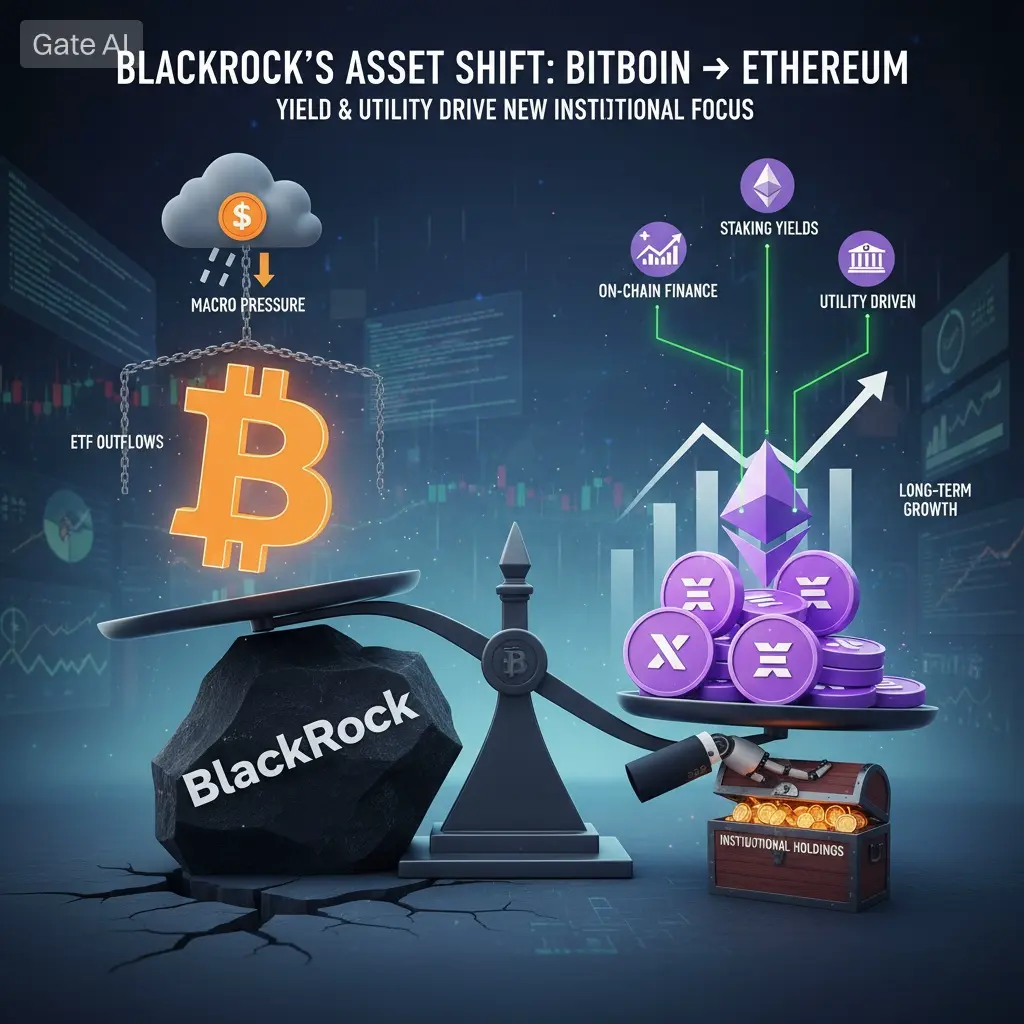
Institutional capital continues to play a defining role in shaping cryptocurrency markets, and few names carry more influence than BlackRock. As the world's largest asset manager, every adjustment within BlackRock's digital asset exposure attracts significant attention from investors seeking clues about broader institutional trends. Recent market reports indicating a reduction in Bitcoin exposure alongside increased Ethereum allocations have sparked discussions about whether institutional investors are beginning to favor Ethereum's expanding utility narrative over Bitcoin's established store-of-value proposition.
While the move does not necessarily signal a bearish outlook on Bitcoin, it highlights how institutional strategies within the digital asset market are becoming increasingly sophisticated. Rather than viewing cryptocurrencies as a single asset class, large investors are now evaluating Bitcoin and Ethereum through distinct investment frameworks, each serving different roles within diversified portfolios.
Understanding the Portfolio Adjustment
Recent fund flow data suggests that BlackRock-related products have experienced a moderation in Bitcoin accumulation while simultaneously increasing exposure to Ethereum-focused investment vehicles. The shift comes at a time when Ethereum is benefiting from growing institutional interest following the launch and expansion of spot Ethereum ETFs, increasing tokenization activity, and rising adoption of blockchain-based financial infrastructure.
For institutional investors, portfolio rebalancing is a routine process. Asset managers continuously adjust allocations based on market performance, risk management objectives, and evolving investment opportunities.
As Bitcoin significantly outperformed many traditional assets during recent market cycles, some reduction in exposure may simply reflect profit-taking and portfolio balancing rather than a change in long-term conviction.
However, Ethereum's growing share of institutional attention suggests that additional factors may be influencing capital allocation decisions.
Why Ethereum Is Attracting Institutional Capital
Ethereum has evolved far beyond its original role as a smart contract platform. Today, it serves as the foundation for decentralized finance, stablecoins, tokenized assets, blockchain gaming, and a growing range of enterprise applications.
Unlike Bitcoin, which primarily functions as a store of value, Ethereum operates as an economic infrastructure layer supporting billions of dollars in daily transaction activity.
Several developments have strengthened Ethereum's institutional investment case:
The Rise of Tokenization
Tokenization has become one of the most discussed themes in global finance. Financial institutions increasingly view blockchain technology as a mechanism for representing traditional assets such as bonds, equities, real estate, and private credit on-chain.
Many of these initiatives are being developed on Ethereum or Ethereum-compatible networks.
As tokenization expands, demand for blockchain infrastructure could increase substantially, potentially enhancing Ethereum's long-term value proposition.
Growth of Stablecoin Activity
Stablecoins have emerged as one of the most successful blockchain applications.
Major stablecoin issuers process transaction volumes that rival traditional payment networks, with Ethereum remaining a primary settlement layer for many of these assets.
The continued growth of stablecoin adoption reinforces Ethereum's position within the digital financial ecosystem.
Institutional Infrastructure Development
Global financial institutions are actively exploring blockchain-based settlement systems, digital asset custody solutions, and tokenized investment products.
Ethereum's mature developer ecosystem and extensive network effects make it a leading candidate for supporting these initiatives.
This infrastructure-focused narrative differs significantly from Bitcoin's investment thesis and may appeal to institutions seeking exposure to technological growth alongside digital asset adoption.
Why Bitcoin Remains Important
Despite increased Ethereum allocations, Bitcoin continues to occupy a unique position within institutional portfolios.
Bitcoin remains the largest cryptocurrency by market capitalization and is widely viewed as the digital equivalent of gold. Its fixed supply, decentralized design, and increasing acceptance among financial institutions support its role as a long-term store of value.
Spot Bitcoin ETFs have attracted billions of dollars in assets since their launch, demonstrating sustained institutional demand.
As a result, a reduction in Bitcoin exposure should not automatically be interpreted as a loss of confidence.
Instead, many investors view Bitcoin and Ethereum as complementary assets serving different strategic purposes.
Bitcoin offers scarcity and monetary characteristics, while Ethereum provides exposure to blockchain infrastructure and network utility.
ETF Flows Are Reshaping Institutional Behavior
The approval of both Bitcoin and Ethereum ETFs has fundamentally changed how institutions access digital assets.
Rather than managing wallets, custody solutions, and direct blockchain interactions, investors can now gain regulated exposure through familiar financial products.
This accessibility has encouraged a broader range of institutions to enter the market.
As ETF markets mature, capital flows between Bitcoin and Ethereum products are becoming increasingly important indicators of institutional sentiment.
Investors closely monitor these flows because they provide insight into how professional asset managers are positioning for future market developments.
The Broader Impact on Crypto Markets
When institutions adjust allocations between Bitcoin and Ethereum, the effects often extend beyond the two assets themselves.
Changes in institutional sentiment can influence:
- Market liquidity.
- Investor confidence.
- Sector rotation within cryptocurrencies.
- Capital flows into decentralized finance projects.
- Adoption of tokenization initiatives.
- Development of blockchain infrastructure.
As institutional participation expands, portfolio decisions by major asset managers increasingly shape market narratives across the entire digital asset ecosystem.
Potential Risks to the Ethereum Thesis
Although Ethereum's growth story remains compelling, several challenges continue to exist.
Regulatory uncertainty remains a key factor. Governments worldwide are still developing frameworks for digital assets, decentralized finance, and blockchain-based financial products.
Competition from alternative blockchain networks also continues to intensify. Several emerging ecosystems aim to challenge Ethereum's dominance by offering lower transaction costs, higher throughput, or specialized infrastructure.
In addition, broader macroeconomic conditions can influence demand for both Bitcoin and Ethereum regardless of their individual fundamentals.
These factors remind investors that institutional adoption does not eliminate market risk.
Looking Ahead
The recent adjustment in BlackRock-related digital asset allocations highlights the evolving nature of institutional cryptocurrency investing. Rather than viewing the market through a simple Bitcoin-versus-Ethereum lens, professional investors are increasingly assessing each asset based on its unique role within the digital economy.
Ethereum's growing importance in tokenization, decentralized finance, and blockchain infrastructure continues to attract institutional attention. At the same time, Bitcoin maintains its position as the dominant digital store of value and remains a cornerstone of many crypto investment strategies.
Whether this shift represents the beginning of a broader institutional rotation or merely a temporary portfolio rebalance remains to be seen. What is clear, however, is that institutional participation in digital assets is becoming more nuanced, sophisticated, and influential than ever before.
As capital continues to flow into regulated crypto investment products, market participants will closely monitor allocation trends for clues about the next phase of growth in the digital asset industry. 🚀📊