






#24hCryptoFuturesLiquidationsTop400M
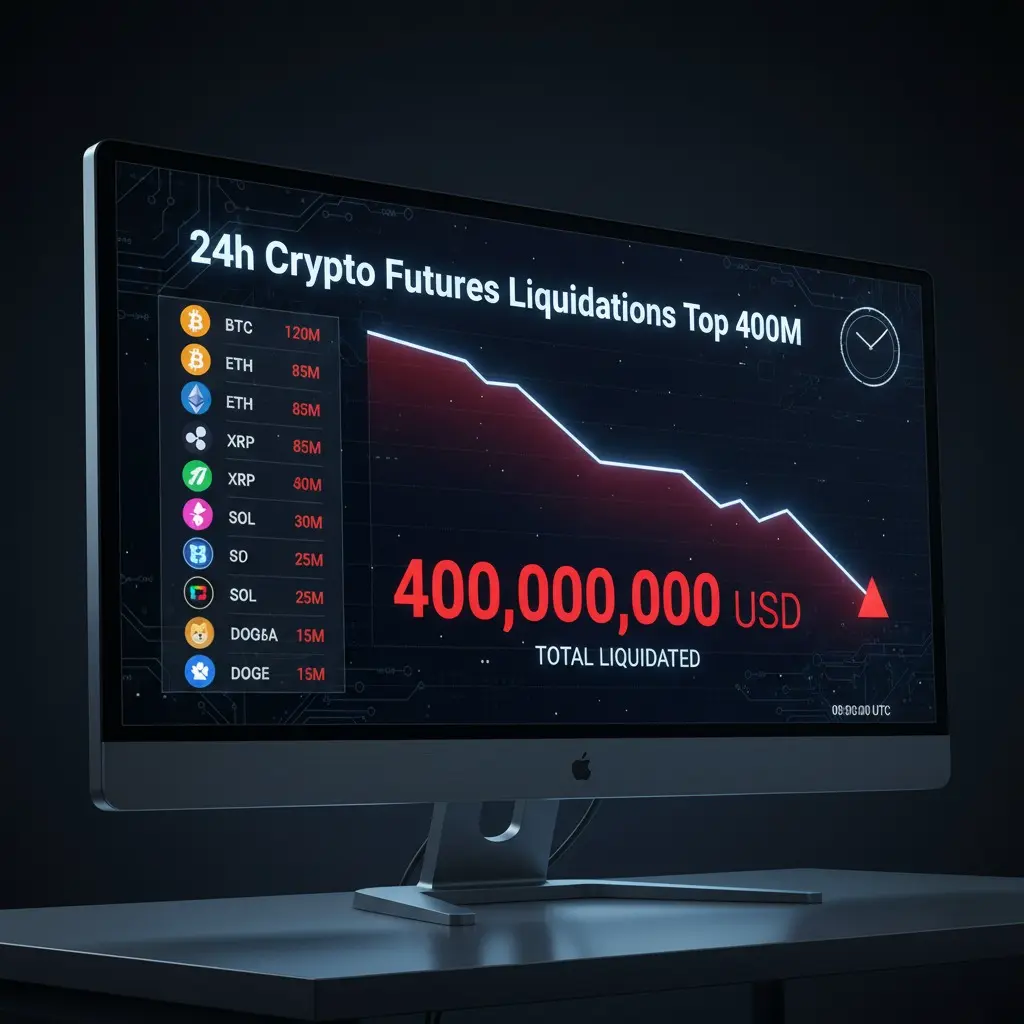
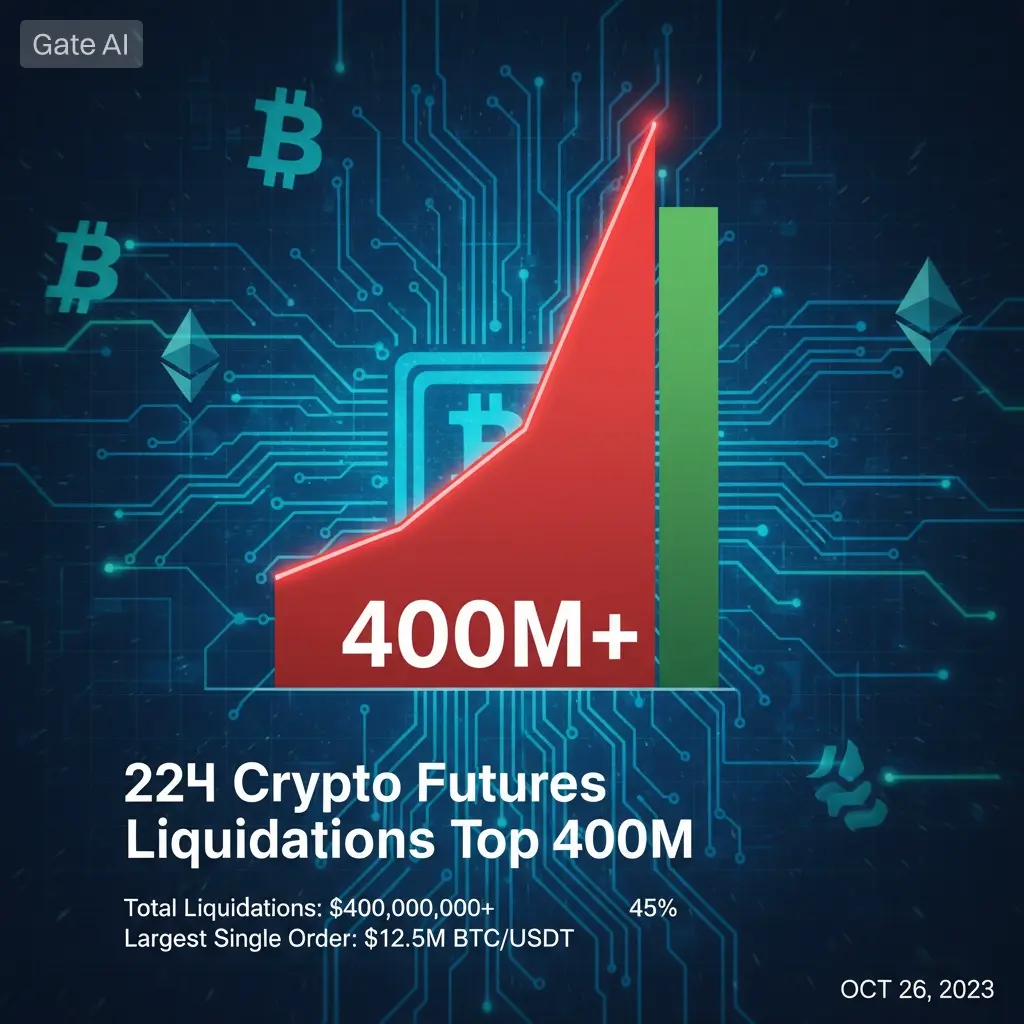
The cryptocurrency market recently experienced a significant shockwave when over $400 million in leveraged positions were liquidated within a 24-hour period, sending Bitcoin prices tumbling and exposing the inherent risks of high-leverage trading. This event serves as a critical reminder of how quickly fortunes can change in the volatile world of crypto derivatives trading.
The Mechanics of Futures Liquidation
In the cryptocurrency futures market, traders utilize leverage to amplify their positions, commonly employing ratios of 10x, 20x, or even 50x. This means that with just $1,000 of capital, a trader can control positions worth $10,000, $20,000, or $50,000 respectively. While this leverage magnifies potential profits, it equally amplifies potential losses. When the market moves against a trader's position, their margin begins to deplete. Once the margin falls below maintenance requirements, exchanges automatically close these positions to prevent further losses. This forced closure is what traders call liquidation.
The $400 Million Liquidation Event Explained
The recent $400 million liquidation figure represents the total value of positions that were forcibly closed by exchanges within a single day. The majority of these liquidations were long positions, meaning traders who had bet on Bitcoin's price rising were caught off guard by sudden downward movements. According to market data, over $280 million of the liquidated positions were longs, marking one of the largest long liquidation events since late February.
Price Action and Critical Levels
Bitcoin's price action during this period revealed several critical technical levels. The cryptocurrency initially traded near $75,800 before experiencing sharp declines. During the liquidation cascade, Bitcoin fell to session lows around $72,450, representing a drop of approximately $3,400 from recent highs. The price briefly touched $74,442 before stabilizing, showing how quickly markets can move when leveraged positions begin to unwind.
Current market data shows Bitcoin trading around $74,114, with the 24-hour high reaching $74,248 and the low at $73,170. The price has recovered somewhat from the liquidation lows, but the market remains sensitive to further volatility. The 24-hour trading volume exceeded 21,190 BTC, indicating significant market activity during this turbulent period.
The Cascade Effect: How Liquidations Amplify Price Moves
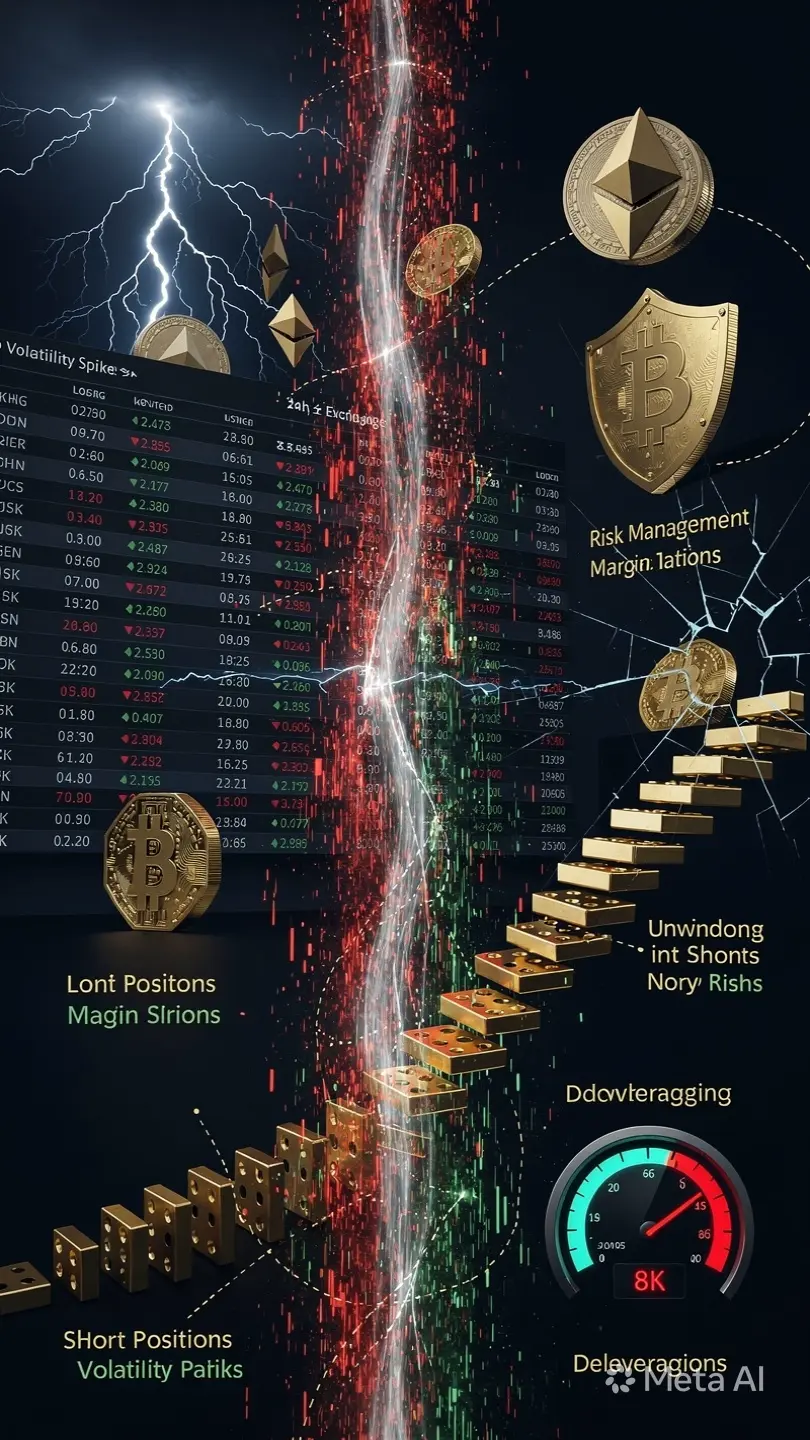
The most dangerous aspect of liquidation events is the cascade effect they create. When Bitcoin's price begins to fall, it triggers liquidations of over-leveraged long positions. These forced sales push the price even lower, which in turn triggers more liquidations. This creates a snowball effect where selling begets more selling.
For example, consider a scenario where Bitcoin trades at $75,000 and numerous traders hold 20x leveraged long positions. If the price drops just 5% to $71,250, those 20x leveraged positions face liquidation. The forced selling from these liquidations drives the price down further, potentially to $70,000 or lower, which then liquidates the next tier of leveraged positions. This chain reaction can continue until the price finds support or the over-leveraged positions are exhausted.
Root Causes of the Recent Liquidation Event
Several factors contributed to the recent massive liquidation event. Geopolitical tensions played a significant role, with uncertainty surrounding international conflicts causing investors to seek safer assets. Additionally, macroeconomic factors including rising bond yields and equity market pressure removed support from cryptocurrency prices. The Dollar Index strengthening above 100, driven by inflation concerns and expectations of continued Federal Reserve policy, also pressured risk assets including Bitcoin.
Furthermore, institutional flows showed weakness during this period. Spot Bitcoin ETFs recorded seven consecutive trading days of outflows, with reports indicating a single investor sold $1.29 billion worth of BlackRock's Bitcoin ETF in a dark pool transaction. This institutional selling pressure compounded the already fragile market conditions.
Market Structure and Leverage Distribution
The liquidation heat maps reveal dense clusters of leveraged long positions stacked beneath current price levels. This concentration of leverage creates a precarious situation where even modest price declines can trigger widespread liquidations. The long-to-short ratio on major exchanges showed more than three long positions for every short, indicating excessive bullish leverage in the market.
When the market structure becomes this skewed toward one direction, it creates conditions ripe for a liquidation cascade. Smart money often recognizes these imbalances and may position to take advantage of the forced selling that occurs when prices move against the crowded trade.
Impact on Different Market Participants
The liquidation event affected various market participants differently. Retail traders using high leverage were hit hardest, with many seeing their entire positions wiped out. Professional traders with better risk management and lower leverage ratios weathered the storm more effectively. Institutional investors used the opportunity to accumulate at lower prices, demonstrating the divide between sophisticated and novice market participants.
Altcoins experienced even greater volatility during this period. Solana led the decline among major cryptocurrencies with a 5.1% drop, followed by BNB at 4.5%, XRP at 3.8%, and Ethereum at 3.7%. This underperformance of altcoins relative to Bitcoin is typical during market stress, as investors flee to the relative safety of the largest cryptocurrency.
Lessons for Traders
The $400 million liquidation event offers several important lessons for market participants. First, high leverage dramatically increases the risk of total capital loss. Even experienced traders should consider using conservative leverage ratios, typically not exceeding 3x to 5x in volatile markets. Second, proper risk management including stop-loss orders and position sizing is essential for survival in crypto markets.
Smart traders often use spot markets rather than leveraged futures when volatility is expected. Spot positions cannot be liquidated, giving traders the ability to weather temporary downturns without forced selling. Additionally, maintaining adequate cash reserves allows traders to take advantage of price dips rather than being forced to sell at losses.
Market Recovery and Forward Outlook
Following the liquidation event, Bitcoin has shown signs of stabilization around the $74,000 level. The Coinbase Bitcoin Premium Index, which tracks the price difference between Bitcoin traded on Coinbase and the global market average, fell to -160, its lowest reading since early February when Bitcoin bottomed near $60,000. This weakness in the premium index suggests reduced institutional demand.
However, some technical indicators suggest potential for recovery. The average relative strength index across several altcoins entered oversold territory, suggesting a bounce could be forthcoming. Additionally, options market data shows significant open interest with roughly $8 billion worth of Bitcoin and Ethereum options set to expire, which could create volatility but also potential support levels.
Conclusion
The $400 million liquidation event serves as a stark reminder of the risks inherent in leveraged cryptocurrency trading. When markets move quickly, over-leveraged positions create cascade effects that amplify price movements and cause widespread losses. Traders who survived this event with their capital intact likely did so through proper risk management, conservative leverage usage, and maintaining positions that could not be forcibly closed.
As the market recovers from this liquidation event, participants should remember that cryptocurrency markets remain highly volatile and unpredictable. The traders who succeed over the long term are those who manage risk effectively and avoid the temptation of excessive leverage that leads to forced liquidations during market downturns.
@Gate_Square @Gate广场_Official
The cryptocurrency market recently experienced a significant shockwave when over $400 million in leveraged positions were liquidated within a 24-hour period, sending Bitcoin prices tumbling and exposing the inherent risks of high-leverage trading. This event serves as a critical reminder of how quickly fortunes can change in the volatile world of crypto derivatives trading.
The Mechanics of Futures Liquidation
In the cryptocurrency futures market, traders utilize leverage to amplify their positions, commonly employing ratios of 10x, 20x, or even 50x. This means that with just $1,000 of capital, a trader can control positions worth $10,000, $20,000, or $50,000 respectively. While this leverage magnifies potential profits, it equally amplifies potential losses. When the market moves against a trader's position, their margin begins to deplete. Once the margin falls below maintenance requirements, exchanges automatically close these positions to prevent further losses. This forced closure is what traders call liquidation.
The $400 Million Liquidation Event Explained
The recent $400 million liquidation figure represents the total value of positions that were forcibly closed by exchanges within a single day. The majority of these liquidations were long positions, meaning traders who had bet on Bitcoin's price rising were caught off guard by sudden downward movements. According to market data, over $280 million of the liquidated positions were longs, marking one of the largest long liquidation events since late February.
Price Action and Critical Levels
Bitcoin's price action during this period revealed several critical technical levels. The cryptocurrency initially traded near $75,800 before experiencing sharp declines. During the liquidation cascade, Bitcoin fell to session lows around $72,450, representing a drop of approximately $3,400 from recent highs. The price briefly touched $74,442 before stabilizing, showing how quickly markets can move when leveraged positions begin to unwind.
Current market data shows Bitcoin trading around $74,114, with the 24-hour high reaching $74,248 and the low at $73,170. The price has recovered somewhat from the liquidation lows, but the market remains sensitive to further volatility. The 24-hour trading volume exceeded 21,190 BTC, indicating significant market activity during this turbulent period.
The Cascade Effect: How Liquidations Amplify Price Moves
The most dangerous aspect of liquidation events is the cascade effect they create. When Bitcoin's price begins to fall, it triggers liquidations of over-leveraged long positions. These forced sales push the price even lower, which in turn triggers more liquidations. This creates a snowball effect where selling begets more selling.
For example, consider a scenario where Bitcoin trades at $75,000 and numerous traders hold 20x leveraged long positions. If the price drops just 5% to $71,250, those 20x leveraged positions face liquidation. The forced selling from these liquidations drives the price down further, potentially to $70,000 or lower, which then liquidates the next tier of leveraged positions. This chain reaction can continue until the price finds support or the over-leveraged positions are exhausted.
Root Causes of the Recent Liquidation Event
Several factors contributed to the recent massive liquidation event. Geopolitical tensions played a significant role, with uncertainty surrounding international conflicts causing investors to seek safer assets. Additionally, macroeconomic factors including rising bond yields and equity market pressure removed support from cryptocurrency prices. The Dollar Index strengthening above 100, driven by inflation concerns and expectations of continued Federal Reserve policy, also pressured risk assets including Bitcoin.
Furthermore, institutional flows showed weakness during this period. Spot Bitcoin ETFs recorded seven consecutive trading days of outflows, with reports indicating a single investor sold $1.29 billion worth of BlackRock's Bitcoin ETF in a dark pool transaction. This institutional selling pressure compounded the already fragile market conditions.
Market Structure and Leverage Distribution
The liquidation heat maps reveal dense clusters of leveraged long positions stacked beneath current price levels. This concentration of leverage creates a precarious situation where even modest price declines can trigger widespread liquidations. The long-to-short ratio on major exchanges showed more than three long positions for every short, indicating excessive bullish leverage in the market.
When the market structure becomes this skewed toward one direction, it creates conditions ripe for a liquidation cascade. Smart money often recognizes these imbalances and may position to take advantage of the forced selling that occurs when prices move against the crowded trade.
Impact on Different Market Participants
The liquidation event affected various market participants differently. Retail traders using high leverage were hit hardest, with many seeing their entire positions wiped out. Professional traders with better risk management and lower leverage ratios weathered the storm more effectively. Institutional investors used the opportunity to accumulate at lower prices, demonstrating the divide between sophisticated and novice market participants.
Altcoins experienced even greater volatility during this period. Solana led the decline among major cryptocurrencies with a 5.1% drop, followed by BNB at 4.5%, XRP at 3.8%, and Ethereum at 3.7%. This underperformance of altcoins relative to Bitcoin is typical during market stress, as investors flee to the relative safety of the largest cryptocurrency.
Lessons for Traders
The $400 million liquidation event offers several important lessons for market participants. First, high leverage dramatically increases the risk of total capital loss. Even experienced traders should consider using conservative leverage ratios, typically not exceeding 3x to 5x in volatile markets. Second, proper risk management including stop-loss orders and position sizing is essential for survival in crypto markets.
Smart traders often use spot markets rather than leveraged futures when volatility is expected. Spot positions cannot be liquidated, giving traders the ability to weather temporary downturns without forced selling. Additionally, maintaining adequate cash reserves allows traders to take advantage of price dips rather than being forced to sell at losses.
Market Recovery and Forward Outlook
Following the liquidation event, Bitcoin has shown signs of stabilization around the $74,000 level. The Coinbase Bitcoin Premium Index, which tracks the price difference between Bitcoin traded on Coinbase and the global market average, fell to -160, its lowest reading since early February when Bitcoin bottomed near $60,000. This weakness in the premium index suggests reduced institutional demand.
However, some technical indicators suggest potential for recovery. The average relative strength index across several altcoins entered oversold territory, suggesting a bounce could be forthcoming. Additionally, options market data shows significant open interest with roughly $8 billion worth of Bitcoin and Ethereum options set to expire, which could create volatility but also potential support levels.
Conclusion
The $400 million liquidation event serves as a stark reminder of the risks inherent in leveraged cryptocurrency trading. When markets move quickly, over-leveraged positions create cascade effects that amplify price movements and cause widespread losses. Traders who survived this event with their capital intact likely did so through proper risk management, conservative leverage usage, and maintaining positions that could not be forcibly closed.
As the market recovers from this liquidation event, participants should remember that cryptocurrency markets remain highly volatile and unpredictable. The traders who succeed over the long term are those who manage risk effectively and avoid the temptation of excessive leverage that leads to forced liquidations during market downturns.
@Gate_Square @Gate广场_Official