𝐓𝐇𝐄 𝐂𝐄𝐀𝐒𝐄𝐅𝐈𝐑𝐄 𝐉𝐔𝐒𝐓 𝐁𝐑𝐎𝐊𝐄 ?
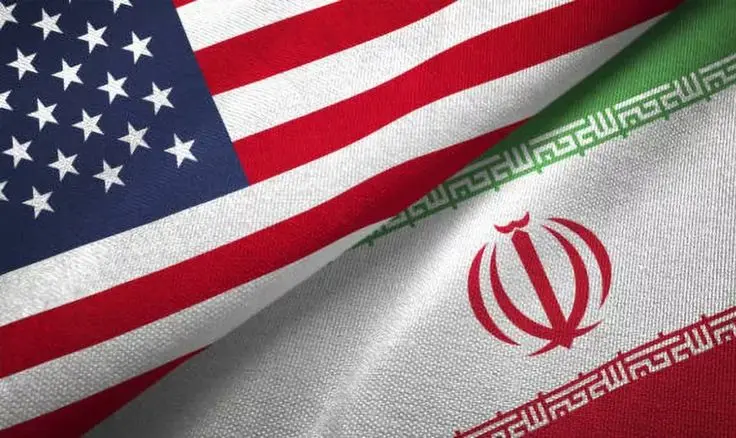
On May 7, U.S. and Iranian forces exchanged fire in the Strait of Hormuz, shattering the truce that had held since April 8. Both sides accuse the other of striking first. The U.S. says its destroyers were targeted, Iran says its vessels were attacked. The result is the same: the ceasefire is cracked wide open .
🔹 Three U.S. destroyers came under missile and drone fire, CENTCOM confirmed
🔹The U.S. struck Iranian military facilities in response
🔹Iran retaliated by targeting American military vessels, per Tehran's military command
🔹 Trump declared the U.S. inflicted "great damage" and threatened more strikes if Iran does not sign a deal fast
🔹Brent crude remains elevated as the physical oil market faces a 920 million barrel supply gap over March and April
▫️ A 14-point U.S. proposal was delivered to Tehran through Pakistani mediators just days ago
▫️ Iran was expected to respond on Thursday, the same day the strikes occurred
▫️ Pakistani PM Shehbaz Sharif had struck an optimistic tone hours before the exchanges
▫️ Iranian civilians express cynicism, with one telling AFP neither side can really reach an agreement
▫️ Physical crude for immediate delivery trades at +$100
The timing tells the real story. A one-page memorandum had been delivered via Pakistan, and both sides had signaled progress. Trump praised "very good talks." Pakistan's leader spoke of a long-term ceasefire. Then the shooting started. This is how negotiations look when both sides still believe escalation can squeeze out better terms. The futures market had been pricing in a deal, physical crude was pricing in reality, and the reality won.
What comes next depends entirely on the Strait of Hormuz. Over 1,500 ships and 20,000 crew remain trapped in the Gulf . Global markets lost about 15 million barrels per day in March and April . Inventories are draining fast. The Energy Intelligence report is blunt: if the strait stays closed into peak summer consumption, the world faces two consecutive months of 160 to 200 million barrel draws. That pushes prices to record highs and triggers a downward economic spiral . The physical market already trades above $150 for some grades . Futures are still $30 behind.
A broader deal remains on paper. The 14-point memo would trigger a 30-day negotiating window covering the strait, sanctions relief, and a ten-year uranium enrichment ban . But Iranian media denies a deal is close, calling reports of an imminent agreement fabricated . One Iranian parliamentary spokesman described the proposals as a U.S. wish list . Meanwhile the UAE is still absorbing missile strikes, Lebanon's ceasefire is straining after an Israeli airstrike killed a Hezbollah commander, and Washington has scheduled new Israel-Lebanon talks for May 14 .
The ceasefire paper was thin. It tore under the first real pressure. Now both sides are back to doing what they know: hitting and threatening harder. The physical oil market has been warning about this moment for weeks. The paper market is about to catch up.
#IranUSConflictEscalates