# BitcoinVolatility

7.15K
𝐂𝐀𝐏𝐈𝐓𝐀𝐋 𝐈𝐒 𝐑𝐎𝐓𝐀𝐓𝐈𝐍𝐆 𝐅𝐀𝐒𝐓 — 𝐁𝐔𝐓 𝐓𝐇𝐈𝐒 𝐂𝐘𝐂𝐋𝐄 𝐋𝐎𝐎𝐊𝐒 𝐃𝐈𝐅𝐄𝐑𝐄𝐍𝐓
This week’s market discussion revolves around one massive question:
Is a real altcoin season finally beginning?
At the same time, macro pressure keeps building globally.
🔹 US-Iran tensions remain unresolved.
🔹 Energy markets stay highly sensitive.
🔹 Trump’s China visit could reshape global trade expectations.
🔹 Risk assets are reacting to every geopolitical headline.
Crypto markets now sit directly between liquidity expansion and geopolitical uncertainty.
Historically, Bitcoin absorbs the
BTC-1.81%
ETH-1.73%
SOL-1.27%
SUI-0.54%
User_any
𝐂𝐀𝐏𝐈𝐓𝐀𝐋 𝐈𝐒 𝐑𝐎𝐓𝐀𝐓𝐈𝐍𝐆 𝐅𝐀𝐒𝐓 — 𝐁𝐔𝐓 𝐓𝐇𝐈𝐒 𝐂𝐘𝐂𝐋𝐄 𝐋𝐎𝐎𝐊𝐒 𝐃𝐈𝐅𝐄𝐑𝐄𝐍𝐓
This week’s market discussion revolves around one massive question:
Is a real altcoin season finally beginning?
At the same time, macro pressure keeps building globally.
🔹 US-Iran tensions remain unresolved.
🔹 Energy markets stay highly sensitive.
🔹 Trump’s China visit could reshape global trade expectations.
🔹 Risk assets are reacting to every geopolitical headline.
Crypto markets now sit directly between liquidity expansion and geopolitical uncertainty.
Historically, Bitcoin absorbs the first wave of global capital during uncertainty.
Then rotation begins.
That rotation may already be starting.
🔹 Ethereum keeps attracting institutional flows.
🔹 Solana activity is exploding again.
🔹 SUI, RWAs, AI, and infrastructure plays are accelerating.
🔹 Stablecoin liquidity continues expanding across exchanges.
Several analysts now describe the market as an “early rotation phase” rather than a full altseason.
The key signal remains Bitcoin dominance.
Previous cycles showed the same pattern:
🔹 BTC rallies first.
🔹 Large-cap altcoins follow.
🔹 Smaller sectors ignite later.
Analysts tracking the Altcoin Season Index still show Bitcoin-led conditions overall, although capital rotation into selective ecosystems is becoming increasingly visible.
This cycle also looks structurally different from 2021.
Institutional money is chasing utility over hype.
🔹 Tokenization
🔹 Stablecoins
🔹 AI infrastructure
🔹 Real-world assets
🔹 High-speed settlement networks
Ethereum, Solana, and infrastructure ecosystems continue absorbing the majority of institutional attention.
At the same time, traders face the hardest question in every cycle:
Chase momentum or stay defensive?
Current market structure suggests one important reality:
Liquidity rewards strength.
Projects showing:
🔹 Real adoption
🔹 Strong onchain activity
🔹 Institutional positioning
🔹 Stablecoin growth
🔹 ETF narratives
…continue attracting capital first.
Meanwhile, high-volatility meme sectors remain the fastest-moving side of the market.
The next few weeks may define whether this becomes a selective rotation…
Or the beginning of a full altcoin expansion cycle.
𝐂𝐀𝐏𝐈𝐓𝐀𝐋 𝐀𝐋𝐖𝐀𝐘𝐒 𝐅𝐎𝐋𝐋𝐎𝐖𝐒 𝐍𝐀𝐑𝐑𝐀𝐓𝐈𝐕𝐄𝐒.
#BitcoinVolatility
#CapitalFlowsBackToAltcoins
#GateSquareMayTradingShare
#山寨币资金回流

repost-content-media
  • Reward
  • 1
  • Repost
  • Share
ShainingMoon:
2026 GOGOGO 👊
#BitcoinVolatility
𝐁𝐈𝐓𝐂𝐎𝐈𝐍 𝐅𝐀𝐂𝐄𝐒 𝐄𝐗𝐏𝐋𝐎𝐒𝐈𝐕𝐄 𝐕𝐎𝐋𝐀𝐓𝐈𝐋𝐈𝐓𝐘 𝐀𝐒 𝐁𝐈𝐋𝐋𝐈𝐎𝐍𝐒 𝐈𝐍 𝐆𝐀𝐌𝐌𝐀 𝐏𝐑𝐄𝐒𝐒𝐔𝐑𝐄 𝐂𝐑𝐄𝐀𝐓𝐄 𝐀 𝐂𝐑𝐈𝐓𝐈𝐂𝐀𝐋 𝐌𝐀𝐑𝐊𝐄𝐓 𝐁𝐀𝐓𝐓𝐋𝐄
Bitcoin has re-entered one of its most important volatility phases of the year after reclaiming the 82,000 dollar level before sharply retracing back toward the 80,000 range. The sudden expansion in price movement comes after weeks of compressed trading conditions where the market remained trapped in a narrow consolidation zone. Historically, Bitcoin rarely stays quiet for extended periods, and pr
BTC-1.81%
MrFlower_XingChen
#BitcoinVolatility
𝐁𝐈𝐓𝐂𝐎𝐈𝐍 𝐅𝐀𝐂𝐄𝐒 𝐄𝐗𝐏𝐋𝐎𝐒𝐈𝐕𝐄 𝐕𝐎𝐋𝐀𝐓𝐈𝐋𝐈𝐓𝐘 𝐀𝐒 𝐁𝐈𝐋𝐋𝐈𝐎𝐍𝐒 𝐈𝐍 𝐆𝐀𝐌𝐌𝐀 𝐏𝐑𝐄𝐒𝐒𝐔𝐑𝐄 𝐂𝐑𝐄𝐀𝐓𝐄 𝐀 𝐂𝐑𝐈𝐓𝐈𝐂𝐀𝐋 𝐌𝐀𝐑𝐊𝐄𝐓 𝐁𝐀𝐓𝐓𝐋𝐄
Bitcoin has re-entered one of its most important volatility phases of the year after reclaiming the 82,000 dollar level before sharply retracing back toward the 80,000 range. The sudden expansion in price movement comes after weeks of compressed trading conditions where the market remained trapped in a narrow consolidation zone. Historically, Bitcoin rarely stays quiet for extended periods, and prolonged low-volatility environments often build hidden pressure that eventually erupts into aggressive market movement.
The 80,000 to 82,000 dollar region has now become a major battlefield between bullish momentum traders and short-term sellers. Futures positioning, spot demand, and derivatives activity all suggest that market participants are defending this range aggressively because it may determine Bitcoin’s next macro direction. A successful stabilization above 80K could strengthen bullish continuation toward higher yearly highs, while a breakdown below key support levels may trigger another wave of liquidations and panic selling.
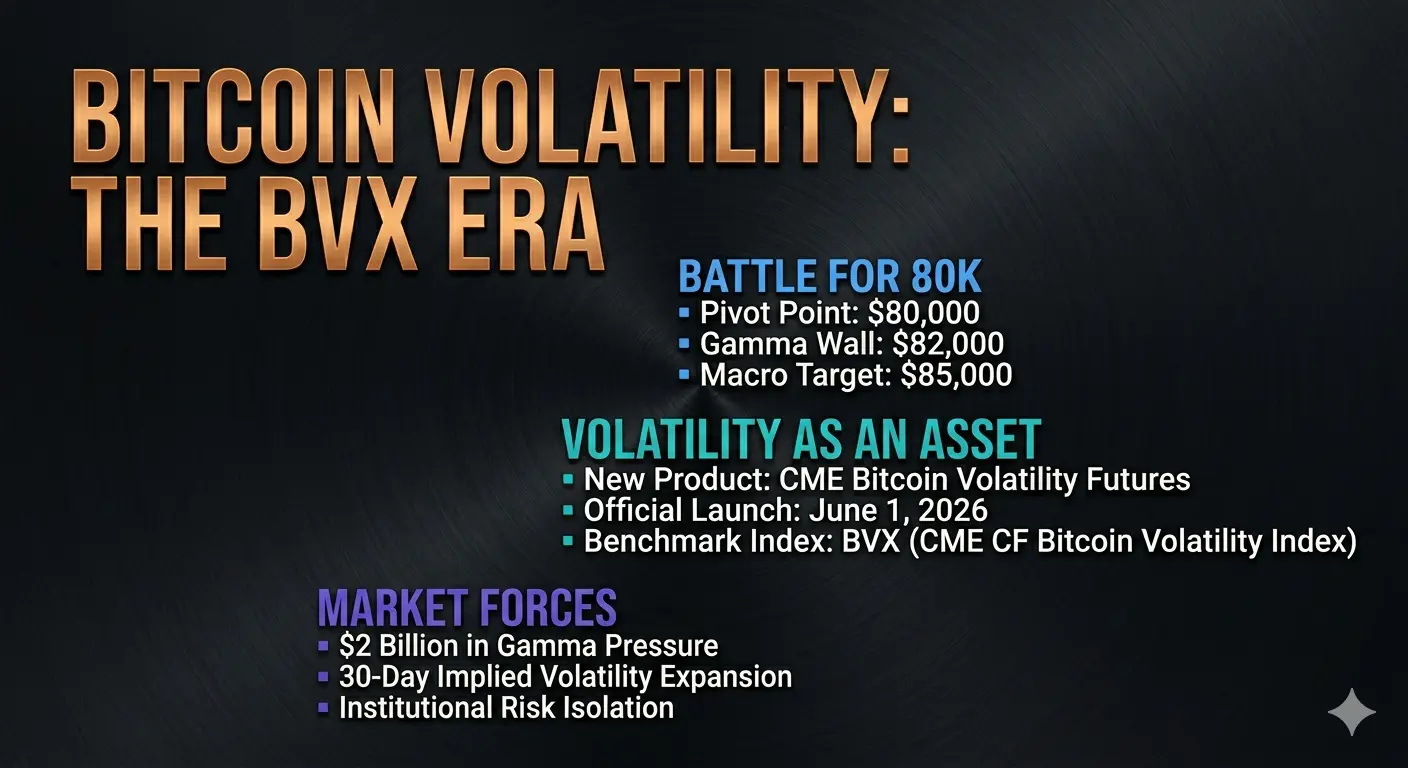
One of the most powerful forces driving current volatility is the enormous concentration of short gamma exposure around the 82,000 dollar level. Analysts estimate that nearly 2 billion dollars in derivatives positioning is clustered near this zone, creating conditions where even small price movements force market makers into rapid hedging activity. This feedback loop amplifies volatility because every breakout or rejection can accelerate buying or selling pressure automatically through derivatives mechanics.
As Bitcoin briefly pushed above 82K, market sentiment shifted rapidly from caution to aggressive optimism. Social media activity surged, leverage increased across futures markets, and fear of missing out returned strongly among retail traders. However, once the market retraced, high leverage positions were liquidated quickly, intensifying downside volatility and creating sharp intraday swings.
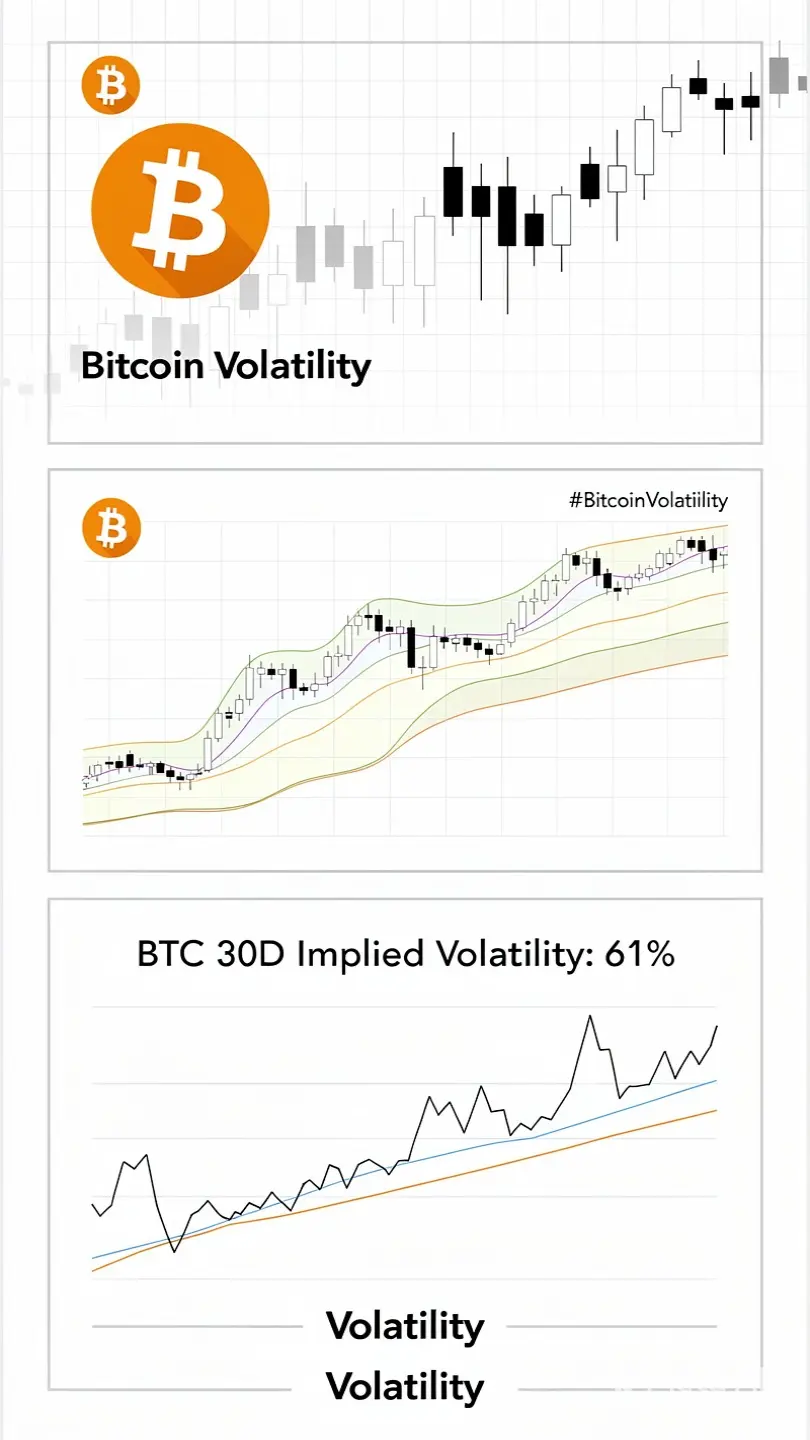
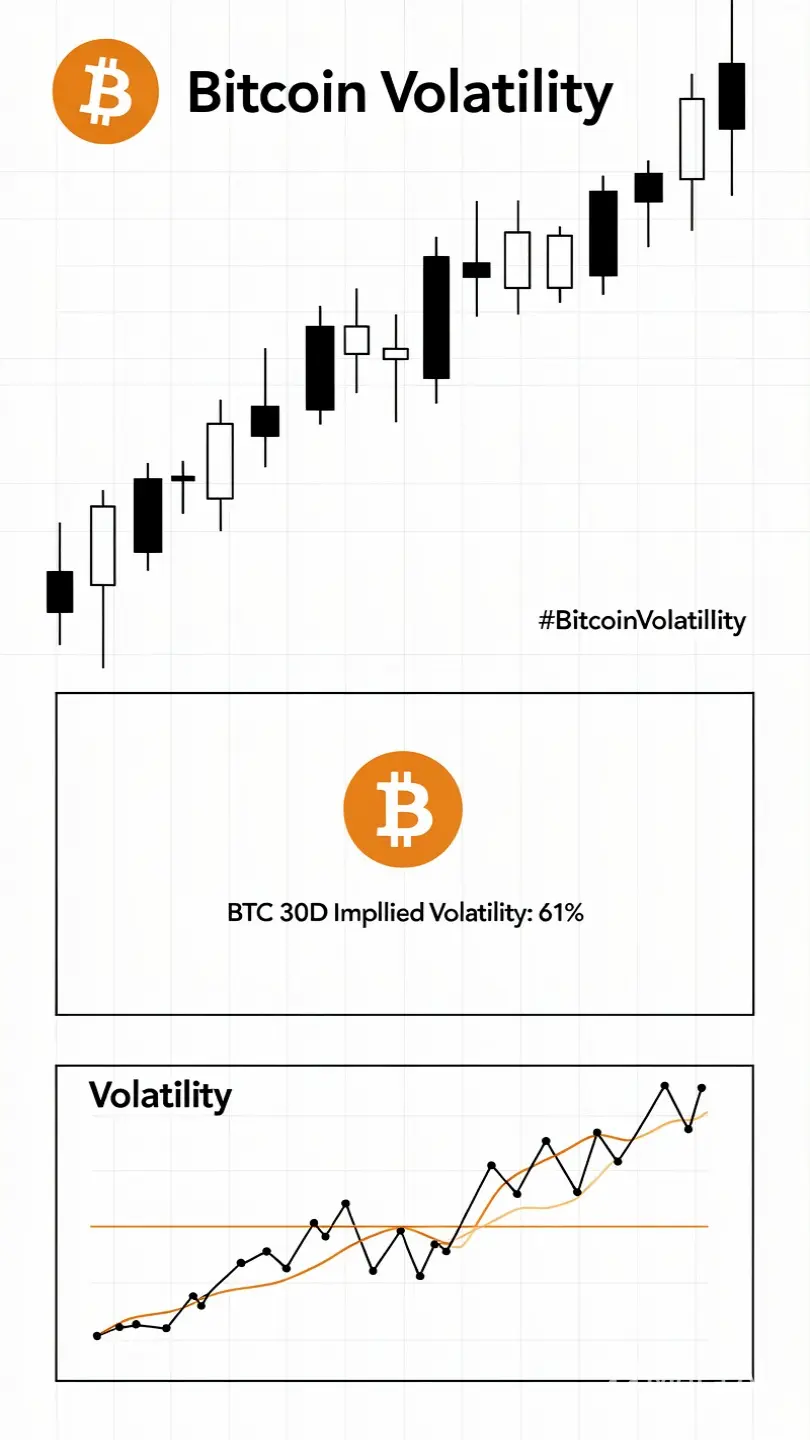
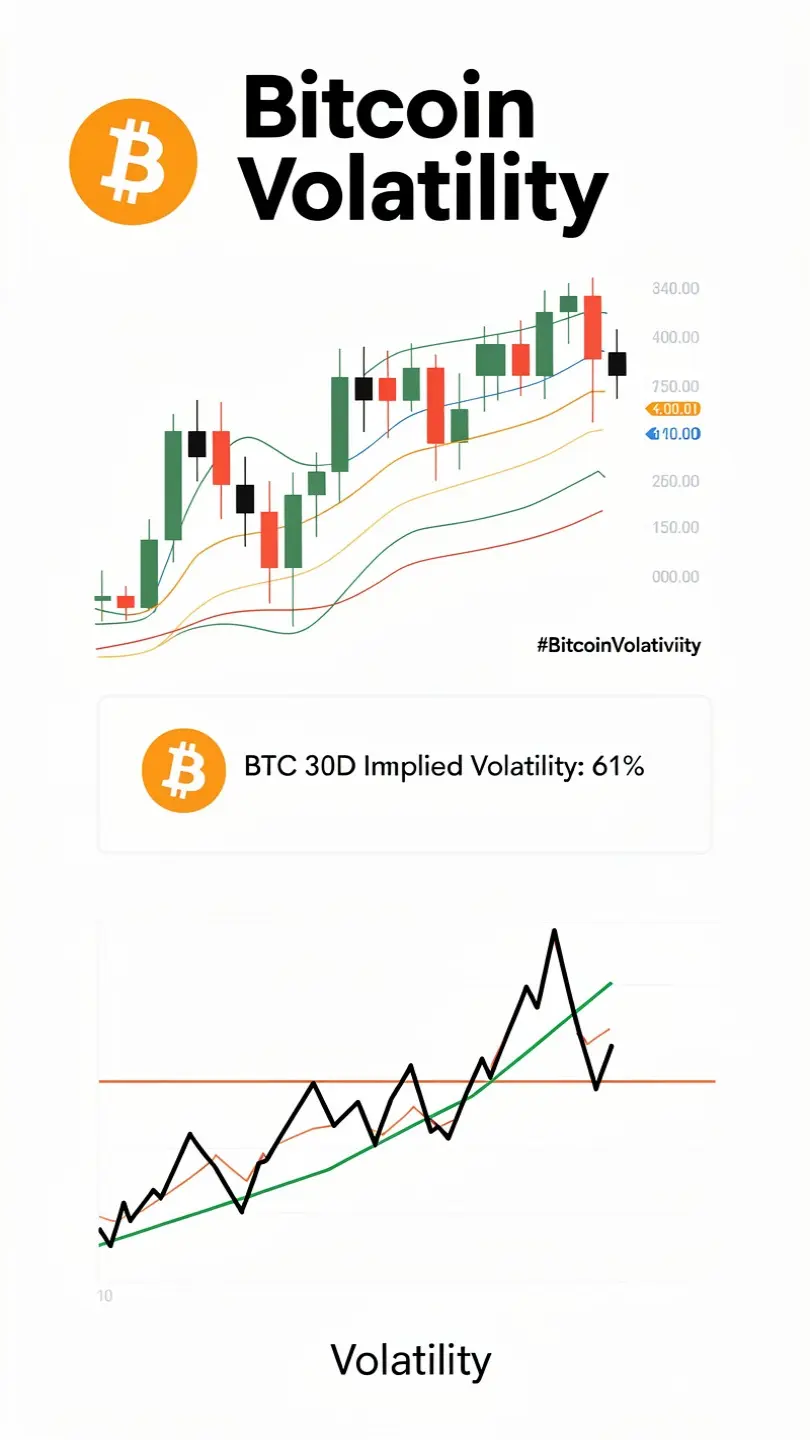
Options market data also confirms that volatility expansion is accelerating. One-week implied volatility has rebounded significantly after remaining suppressed for several weeks. Historically, these transitions from low volatility to expanding volatility often mark the beginning of major directional market phases. Bitcoin’s largest rallies and corrections have frequently emerged immediately after long periods of market compression.
Institutional involvement is also evolving at a rapid pace. CME Group recently confirmed plans to introduce Bitcoin volatility futures, a major milestone for crypto derivatives infrastructure. This development signals that institutional participants are no longer focused only on Bitcoin’s price direction but are increasingly interested in volatility itself as a standalone tradable asset class.
The new CME product will reportedly settle using the CME CF Bitcoin Volatility Index, known as BVX, which measures expected 30-day volatility using real-time options market data. This means hedge funds and institutional traders will soon have direct exposure to future market turbulence without needing to predict whether Bitcoin rises or falls. Such products significantly deepen market sophistication and may increase overall institutional participation within crypto derivatives markets.
Macroeconomic uncertainty is also contributing to Bitcoin’s unstable trading environment. Global markets continue reacting to inflation concerns, interest rate expectations, liquidity conditions, and geopolitical tensions. Bitcoin is increasingly behaving like a macro-sensitive financial asset rather than an isolated speculative instrument. Recent volatility spikes have closely mirrored broader risk sentiment shifts across traditional markets.
ETF flows remain another critical factor shaping market direction. While spot Bitcoin ETFs played a major role in driving institutional demand earlier in the year, recent inflow momentum has slowed slightly. Some trading sessions even recorded temporary outflows, creating uncertainty about whether institutional capital will continue supporting higher prices near current resistance zones.
From a technical perspective, Bitcoin is facing one of the most important resistance ranges of 2026 between 82,000 and 83,500 dollars. A decisive breakout above this area with strong volume could potentially open the path toward 85,000 dollars and higher Fibonacci extension targets. However, failure to defend support around 80,500 may expose the market to a deeper retracement toward the 76,000 region.
On-chain behavior also reveals a growing divergence between long-term holders and short-term leveraged traders. While retail participants continue reacting emotionally to rapid price swings, larger wallets and institutional players appear focused on accumulation opportunities during periods of volatility. Historically, these stronger hands tend to benefit during market stress while excessive leverage gets flushed out through forced liquidations.
The broader evolution of Bitcoin’s derivatives ecosystem is becoming increasingly important as well. The expansion of options markets, structured products, and volatility-linked instruments is gradually transforming Bitcoin into a mature macro asset integrated within the global financial system. This shift could attract larger hedge funds, portfolio managers, and institutional capital over time.
Despite recent pullbacks and uncertainty, Bitcoin continues showing structural resilience compared to many traditional assets. The market’s ability to repeatedly defend the 80,000 dollar region despite rising macro pressure suggests underlying institutional demand remains strong beneath short-term volatility.
The coming weeks may ultimately determine whether Bitcoin enters another major bullish expansion phase or transitions into a prolonged high-volatility consolidation cycle. If buyers successfully reclaim and maintain control above 82K, momentum could accelerate rapidly toward new highs. However, failure to sustain support may trigger deeper corrections and widespread liquidation events across leveraged positions.
What is certain for now is that volatility has officially returned to the crypto market. After months of quiet consolidation, Bitcoin is once again entering an environment where derivatives positioning, institutional activity, ETF flows, and macroeconomic forces are colliding simultaneously. In the current market structure, volatility itself is becoming one of the most valuable and influential assets shaping Bitcoin’s future direction.
#GateSquareMayTradingShare
repost-content-media
  • Reward
  • Comment
  • Repost
  • Share
#TrumpVisitsChinaMay13
Global Macro Update — Ceasefire Fragility, Oil Shock & Crypto Rotation (May 2026)
The global macro environment has entered a high-risk phase after Donald Trump signaled that the Iran ceasefire is hanging by a thread, reinforcing a hardline stance against Iran’s nuclear ambitions. This statement has immediately shifted geopolitical expectations, as markets begin pricing in a higher probability of renewed escalation across the Middle East. The situation is no longer static diplomacy — it’s a live macro trigger influencing multiple asset classes in real time.
The Strait of
BTC-1.81%
post-image
  • Reward
  • 9
  • Repost
  • Share
BeautifulDay:
To The Moon 🌕
View More
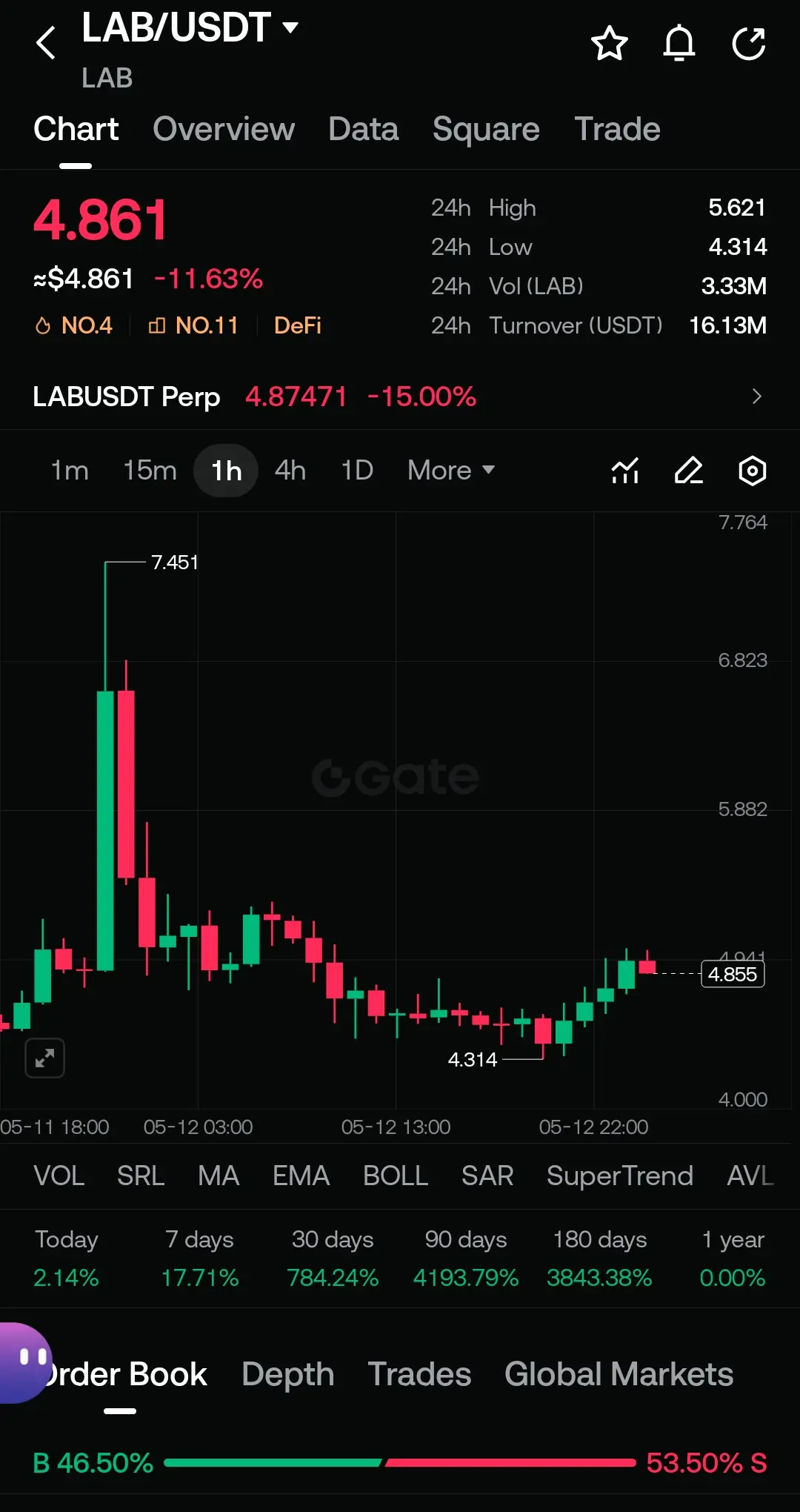
$LAB /USDT Heavy Dump Correction Setup
📍 Entry Zone: $4.82 – $4.89
🎯 Target 1: $4.55
🎯 Target 2: $4.20
🎯 Target 3: $3.80
🛑 Stop Loss: $5.10
💡 LAB under aggressive sell-off pressure — volatility extremely high with strong downside continuation.
#GateSquareMayTradingShare #BitcoinVolatility #DailyPolymarketHotspot #CapitalFlowsBackToAltcoins #TrumpVisitsChinaMay13
LAB2.30%
post-image
  • Reward
  • 1
  • Repost
  • Share
GateUser-5314cb76:
are you süre about it it how long it will take ???
#BitcoinVolatility
**$2 Billion Gamma Pressure Could Shake Bitcoin Market**
Bitcoin has once again become the center of global financial attention after reclaiming the 82,000 dollar level before pulling back toward the 80,000 range. What makes this movement significant is not only the price itself, but the sudden return of volatility after weeks of compressed and directionless trading. Markets that remain quiet for too long often build hidden pressure beneath the surface, and Bitcoin now appears to be releasing that pressure in dramatic fashion. Recent price action confirms that traders are p
BTC-1.81%
MrFlower_XingChen
#BitcoinVolatility
**$2 Billion Gamma Pressure Could Shake Bitcoin Market**
Bitcoin has once again become the center of global financial attention after reclaiming the 82,000 dollar level before pulling back toward the 80,000 range. What makes this movement significant is not only the price itself, but the sudden return of volatility after weeks of compressed and directionless trading. Markets that remain quiet for too long often build hidden pressure beneath the surface, and Bitcoin now appears to be releasing that pressure in dramatic fashion. Recent price action confirms that traders are preparing for a larger move as uncertainty and momentum rise together.
Current market conditions show Bitcoin trading around the 80,000 to 81,000 dollar area after briefly touching above 82,000 earlier in the week. Futures data and spot market activity indicate that traders are aggressively defending this zone because it has become a major psychological and technical battleground. The market is now watching whether Bitcoin can stabilize above 80K or whether another sharp wave of liquidations could trigger deeper downside volatility.
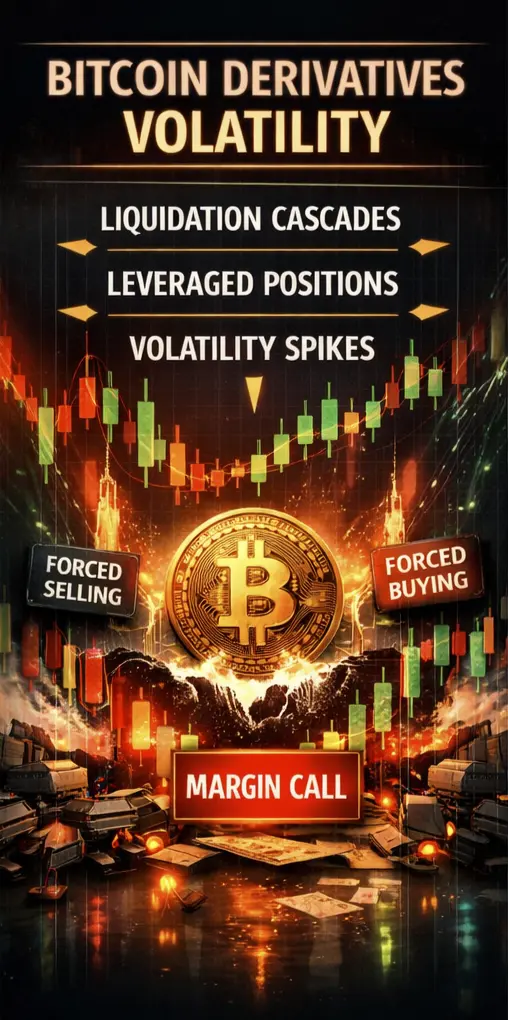
One of the biggest reasons behind the sudden increase in volatility is the massive derivatives positioning around the 82,000 dollar level. Analysts estimate that billions of dollars in short gamma exposure are concentrated near this region, meaning every breakout attempt or rejection can force rapid hedging activity from market makers. This creates a feedback loop where even relatively small price moves can quickly turn into aggressive swings. As a result, traders are experiencing sudden spikes in both bullish momentum and panic selling within very short timeframes.
Glassnode data and options market behavior suggest that one week implied volatility has rebounded sharply after remaining suppressed for several weeks. This matters because volatility expansion often marks the transition between consolidation and trend formation. Bitcoin rarely stays calm for long periods, and historically, major volatility expansions have preceded some of the largest market moves in crypto history. The current environment feels increasingly similar to previous periods where markets shifted from low activity into explosive momentum phases.
Institutional interest is also evolving rapidly. CME Group recently confirmed plans to launch Bitcoin volatility futures on June 1, pending regulatory approval. This development is extremely important because it shows how mature the Bitcoin market has become. Large institutions are no longer interested only in Bitcoin’s direction; they now want exposure to volatility itself as a tradable asset. That is a major sign that crypto markets are integrating deeper into the traditional financial system.
The upcoming CME volatility futures product will settle using the CME CF Bitcoin Volatility Index, also known as BVX. This index tracks expected 30 day volatility based on real time options order books rather than spot price movements. In other words, institutional traders will now be able to speculate directly on future market turbulence without needing to predict whether Bitcoin goes up or down. That changes the structure of the market significantly and may increase overall derivatives activity across the crypto ecosystem.
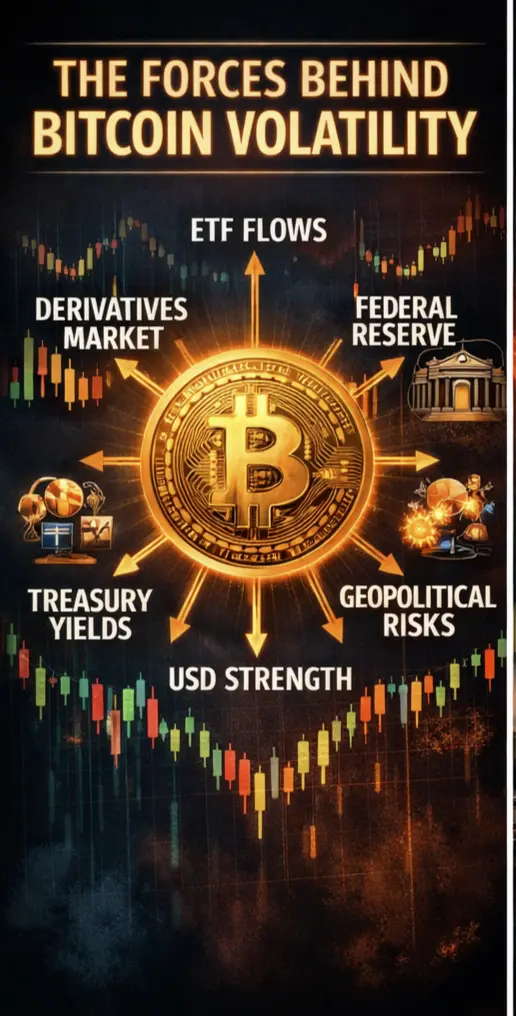
At the same time, macroeconomic uncertainty continues influencing risk assets worldwide. Concerns surrounding interest rates, inflation, global liquidity, and geopolitical tensions are creating unstable conditions across traditional financial markets. Bitcoin is increasingly reacting to macro headlines just like stocks and commodities. Recent volatility spikes were partially linked to geopolitical developments and broader market sentiment shifts, showing how interconnected crypto has become with the global economy.
ETF flows are another major factor currently impacting Bitcoin’s direction. While institutional demand helped Bitcoin recover above 80K, some recent sessions have shown slowing inflows and even temporary outflows from spot Bitcoin ETFs. This creates uncertainty because ETFs have been one of the strongest drivers of institutional capital entering crypto markets over the past year. Traders are now closely monitoring whether fresh inflows return strongly enough to support another breakout above resistance.
Technically, Bitcoin is facing an extremely critical resistance zone between 82,000 and 83,500 dollars. Several analysts believe a decisive close above this area could trigger continuation toward higher Fibonacci extension targets around 85,000 dollars and beyond. However, failure to maintain support near 80,500 may expose the market to a deeper retracement toward the 76,000 range. This makes the current zone one of the most important technical battlegrounds of the year so far.
Market psychology has also shifted dramatically in recent days. During the previous consolidation phase, many traders became complacent due to the lack of major movement. But once Bitcoin pushed above 82K, fear of missing out returned rapidly across social media and derivatives markets. High leverage positions increased sharply, which then amplified liquidations during pullbacks. This cycle of greed and fear is once again dominating short term trading behavior.
On-chain activity also suggests that large holders and institutions continue monitoring accumulation opportunities carefully. While retail traders react emotionally to volatility, many long term participants appear focused on the broader trend rather than short term fluctuations. Historically, strong hands tend to accumulate during periods of fear and uncertainty while leveraged traders are forced out of the market during volatility spikes.
Another important development is the growing sophistication of crypto derivatives infrastructure. The introduction of volatility futures, combined with the expansion of options markets, means Bitcoin is increasingly behaving like a mature macro asset rather than a speculative niche instrument. This transition could attract even larger institutional participation over time, especially from hedge funds and portfolio managers seeking alternative volatility exposure.
Despite recent pullbacks, Bitcoin remains structurally stronger than many traditional assets this year. The fact that the market continues defending the 80,000 dollar region after major macro uncertainty shows underlying demand remains resilient. Traders now recognize that Bitcoin is no longer driven purely by retail speculation; it is increasingly influenced by institutional positioning, ETF flows, and derivatives market mechanics.
The next few weeks may become one of the most decisive periods for the crypto market in 2026. If Bitcoin successfully reclaims and holds above 82K with strong volume, momentum could accelerate quickly toward new yearly highs. On the other hand, failure to sustain support may trigger another wave of volatility and forced liquidations across leveraged positions. Either outcome would likely increase market activity significantly.
What is clear right now is that volatility has officially returned to Bitcoin. After months of tight consolidation and uncertainty, the market is finally showing signs of expansion again. Whether this becomes the beginning of another major bullish leg or a broader high volatility consolidation phase, traders across the world are preparing for larger moves ahead. In today’s crypto environment, volatility itself has become one of the most valuable assets in the market.
repost-content-media
  • Reward
  • 11
  • Repost
  • Share
ThereIsNoNameOnTheSummit.:
Chong Chong GT 🚀
View More
Crypto Market Rebounds as BTC Reclaims $81K and Altcoin Momentum Expands
The crypto market is starting the week with renewed momentum as climbed back above the $81,000 level and broader altcoin participation continued strengthening.
One of the strongest areas today has been the PayFi sector, which led market gains with a solid 24-hour recovery. That’s interesting because it suggests liquidity is no longer staying concentrated only in BTC — it’s beginning to rotate into higher-risk sectors again.
Personally, I think this rebound feels healthier than some of the previous short-lived recoveries
BTC-1.81%
ETH-1.73%
  • Reward
  • Comment
  • Repost
  • Share
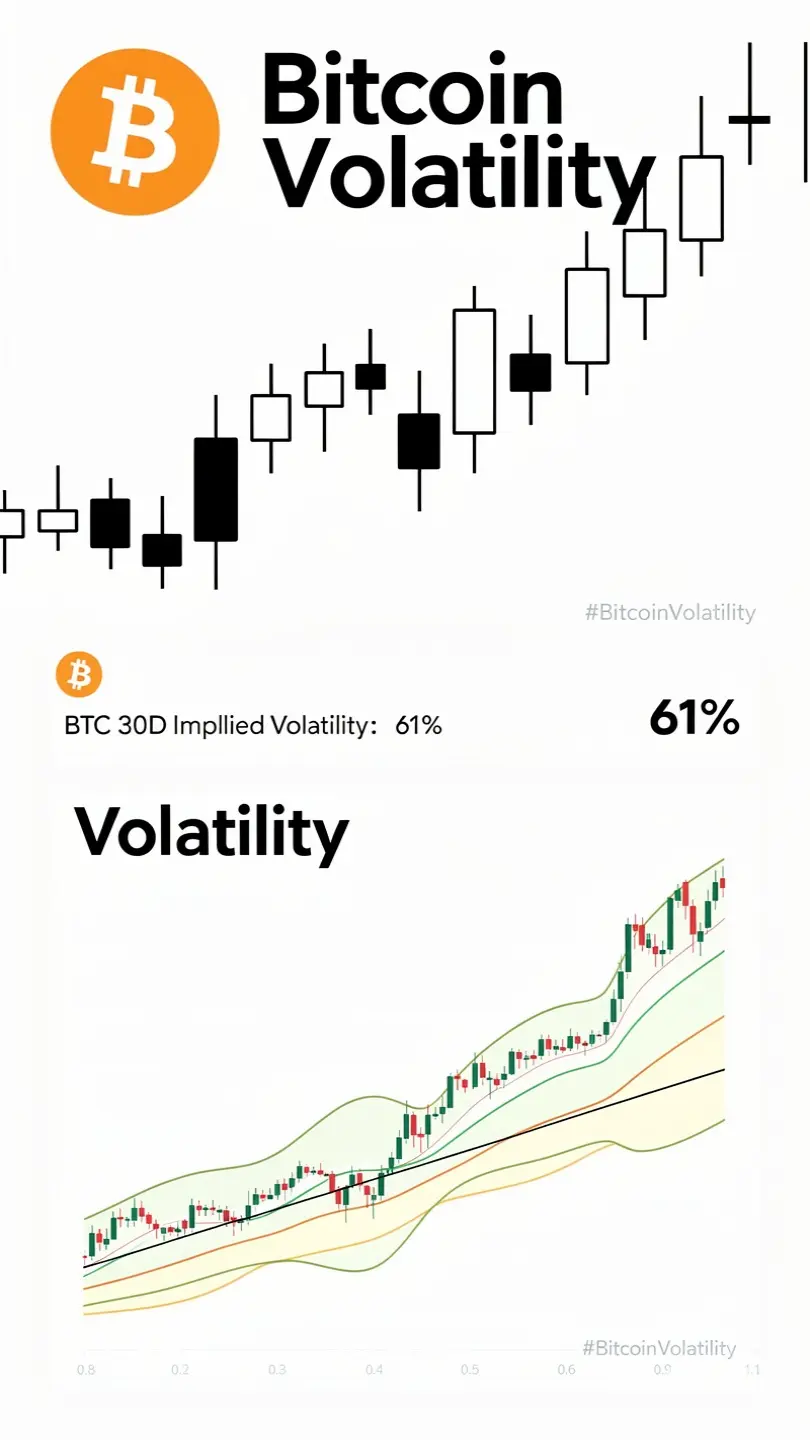
#BitcoinVolatility — Understanding the Wild Swings of the Digital Gold
The story of Bitcoin has never been a calm one. From its mysterious creation to its rise as a globally recognized financial asset, Bitcoin has been defined by one dominant characteristic: volatility. Unlike traditional currencies or even most stocks, Bitcoin moves with a speed and intensity that can create fortunes overnight—or wipe them out just as quickly. This extreme fluctuation is not a flaw in the system alone; it is a reflection of how young, speculative, and emotionally driven the cryptocurrency market still is.
At
BTC-1.81%
post-image
post-image
post-image
  • Reward
  • 19
  • Repost
  • Share
Crypto_Buzz_with_Alex:
LFG 🔥
View More
🔅𝗪𝗵𝗮𝘁 𝗗𝗶𝗱 𝗬𝗼𝘂 𝗠𝗶𝘀𝘀𝗲𝗱 𝗶𝗻 𝗖𝗿𝘆𝗽𝘁𝗼 𝗶𝗻 𝗹𝗮𝘀𝘁 24𝗛?🔅
-
$SOL starts testing Alpenglow consensus upgrade
• Bankers push stricter stablecoin reward rules
• Australia considers ending crypto tax discount
• SEC delays prediction market ETFs again
• Circle raises $222M for Arc blockchain
$BTC Strategy buys 535 BTC, nears 4% supply
#BitcoinVolatility
SOL-1.27%
BTC-1.81%
post-image
  • Reward
  • Comment
  • Repost
  • Share
#BitcoinVolatility
🔥 Bitcoin Volatility Is Back — Why $80K–$82K Has Become the New Battleground for Liquidity, Derivatives Pressure, and Short-Term Market Direction 🔥
Bitcoin has officially exited its recent phase of tight consolidation and is now re-entering a more volatile price structure. After breaking above the $82,000 region, BTC has since pulled back and is currently holding above $80,000, effectively ending several weeks of relatively narrow range trading. This transition is important because it signals that the market is no longer in a low-volatility equilibrium phase, but instead
BTC-1.81%
post-image
post-image
post-image
post-image
  • Reward
  • 9
  • Repost
  • Share
cryptoStylish:
very goood
View More
#BitcoinVolatility
₿ 𝐁𝐈𝐓𝐂𝐎𝐈𝐍 𝐕𝐎𝐋𝐀𝐓𝐈𝐋𝐈𝐓𝐘 𝐈𝐒 𝐍𝐎𝐓 𝐑𝐀𝐍𝐃𝐎𝐌 — 𝐈𝐓 𝐈𝐒 𝐓𝐇𝐄 𝐌𝐀𝐑𝐊𝐄𝐓’𝐒 𝐋𝐈𝐐𝐔𝐈𝐃𝐈𝐓𝐘 𝐋𝐀𝐍𝐆𝐔𝐀𝐆𝐄
Most traders still misunderstand Bitcoin volatility.
They see violent candles, sudden liquidations, and rapid price swings as chaos.
But in reality, Bitcoin volatility is one of the clearest reflections of how global liquidity, institutional positioning, derivatives leverage, and macro sentiment interact inside the digital asset market.
Volatility is not a market malfunction.
It is the mechanism through which liquidity transfers from weak pos
BTC-1.81%
post-image
post-image
post-image
  • Reward
  • 25
  • Repost
  • Share
Peacefulheart:
Diamond Hands 💎
View More
Load More

Join 40 M users in our growing community

⚡️ Join 40 M users in the crypto craze discussion
💬 Engage with your favorite top creators
👍 See what interests you
  • Pinned