Bitcoin&Gold
$BTC $XAUT
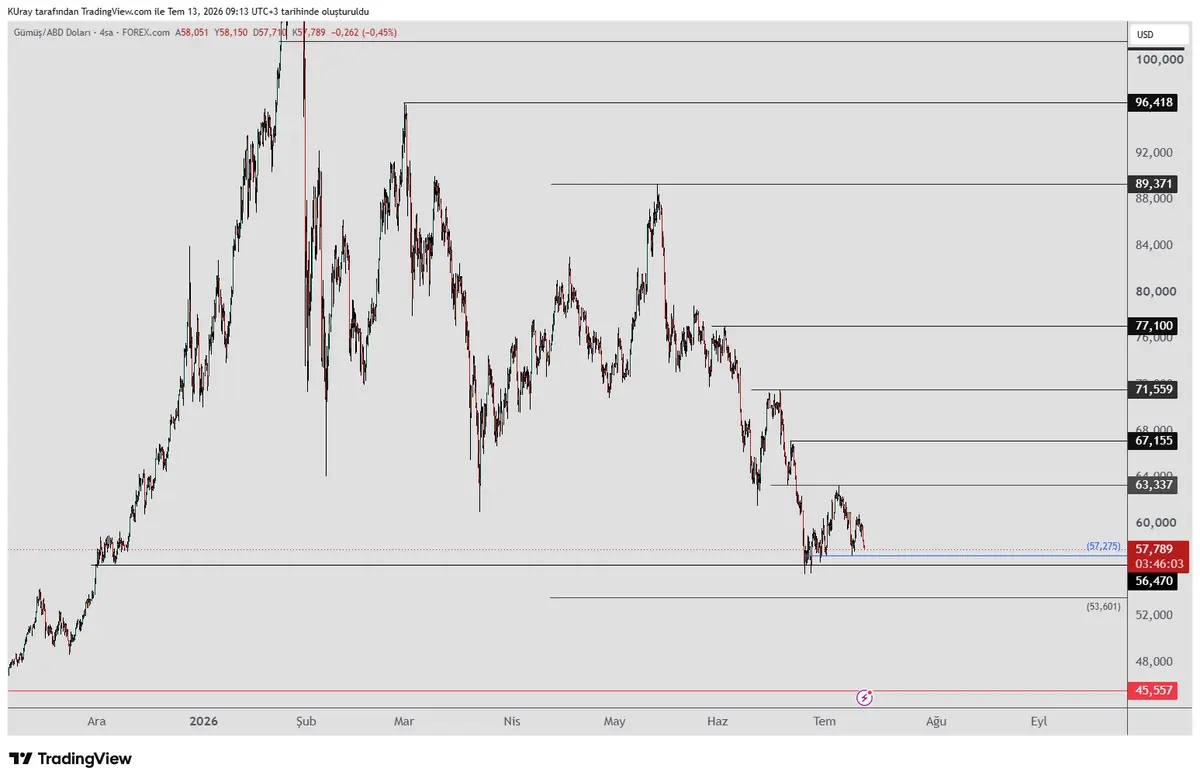
Bitcoin is down roughly 31% and gold is off about 6% year-to-date, making them the two worst-performing major asset classes tracked in the dataset . The S&P 500 is up around 9%, small caps have gained 19%, and value stocks are up 15% — pretty much everything is green except these two .
That's the weird part. According to Charlie Bilello's analysis, which tracks annual returns for the last 15 years, Bitcoin and gold have never finished a calendar year as the bottom two performers among major assets . In 2025, gold gained over 60% while Bitcoin had its worst year since 2018 . Now both are getting crushed at the same time.
What does this mean? The narrative around both assets is shifting.
The Safe-Haven Question
Bitcoin and gold are supposed to be hedges, but this year tells a different story. According to Ross Maxwell at VT Markets, Bitcoin's 30-day realized volatility during major conflict periods ranges between 40% and 70%, while gold's stays much lower at 12% to 20% . Bitcoin still trades like a risk asset, not a safe harbor.
Even gold's safe-haven credentials are being questioned. Economist Robin Brooks argues gold now acts like a high-beta asset, with its correlation to the S&P 500 rising above 0.50 in recent months, matching Bitcoin's equity correlation . He attributes this shift partly to retail inflows from the heavily marketed "debasement trade" in late 2025 .
When investors panic, money flows to cash, Treasuries, and AI stocks — not crypto and gold.
What's Driving the Divergence
Bitcoin's Pain:
· ETF outflows hit $1.78 billion this week alone
· 53% of BTC supply is held at unrealized loss
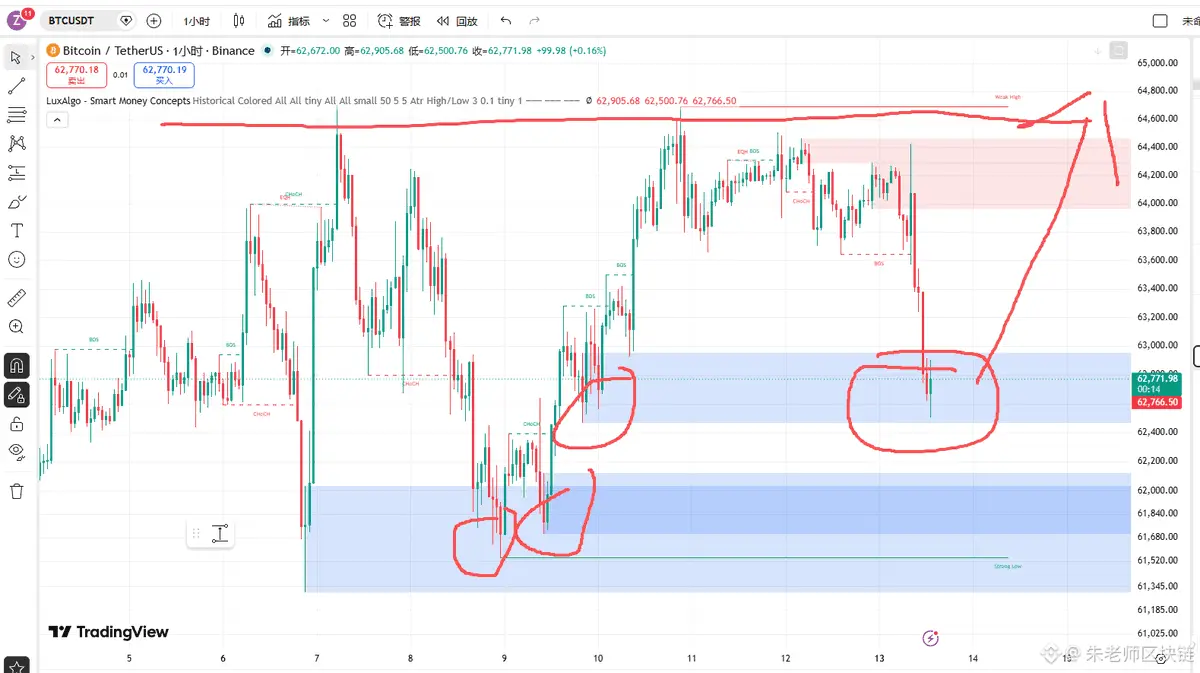
· Down over 50% from its October 2025 peak of $126,080
· Capital rotating toward AI stocks and megacap IPOs like SpaceX
Gold's Sideways Drift:
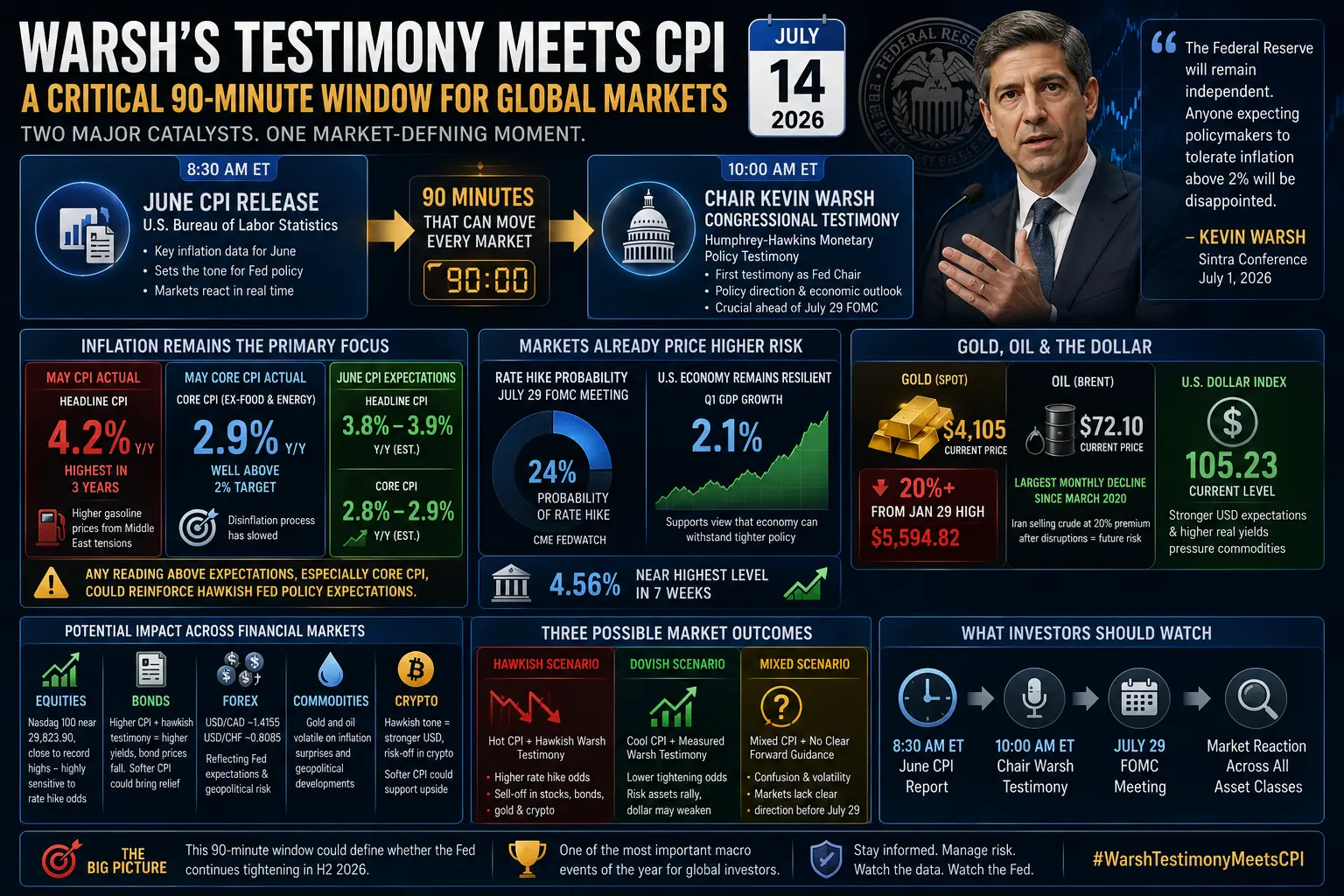
· Down just 6% YTD, holding near $4,070 after hitting record highs above $5,000 earlier this year
· Still benefiting from central bank buying and geopolitical tensions
· But leveraged selling and ETF outflows have pressured the metal
Where to Next?
The Bitcoin-to-gold ratio tells the story. According to WisdomTree's model, Bitcoin is currently undervalued against gold by about 30% relative to macro conditions like a softer dollar, elevated inflation expectations, and institutional demand flows . The model's fair-value estimate for the BTC/gold ratio is around 21, but the actual ratio sits near 15-16 . That's a meaningful divergence.
Some analysts see this as a signal. The RSI on the Bitcoin-to-gold ratio has dropped below 30, a reading that historically appears only at major cycle lows — 2015, 2018, and 2022 . In each prior case, extreme relative weakness preceded new expansion phases.
But this time could be different. Both assets now have larger institutional footprints, with ETFs and big-money allocators influencing price action. Goldman Sachs data shows hedge fund positions in both Bitcoin and gold continue to be net short .
What this means for you: Both assets are historically cheap relative to the broader market, and the BTC/gold ratio suggests more upside potential in Bitcoin vs. gold if macro conditions hold. But both are also proving they're not the safe havens many assumed — at least not in this cycle. Watch ETF flows, Fed policy, and whether gold's equity correlation stays elevated. That will tell you if this is a buying opportunity or a structural shift.
This is not financial advice. Always do your own research.
$BTC $XAUT
Bitcoin is down roughly 31% and gold is off about 6% year-to-date, making them the two worst-performing major asset classes tracked in the dataset . The S&P 500 is up around 9%, small caps have gained 19%, and value stocks are up 15% — pretty much everything is green except these two .
That's the weird part. According to Charlie Bilello's analysis, which tracks annual returns for the last 15 years, Bitcoin and gold have never finished a calendar year as the bottom two performers among major assets . In 2025, gold gained over 60% while Bitcoin had its worst year since 2018 . Now both are getting crushed at the same time.
What does this mean? The narrative around both assets is shifting.
The Safe-Haven Question
Bitcoin and gold are supposed to be hedges, but this year tells a different story. According to Ross Maxwell at VT Markets, Bitcoin's 30-day realized volatility during major conflict periods ranges between 40% and 70%, while gold's stays much lower at 12% to 20% . Bitcoin still trades like a risk asset, not a safe harbor.
Even gold's safe-haven credentials are being questioned. Economist Robin Brooks argues gold now acts like a high-beta asset, with its correlation to the S&P 500 rising above 0.50 in recent months, matching Bitcoin's equity correlation . He attributes this shift partly to retail inflows from the heavily marketed "debasement trade" in late 2025 .
When investors panic, money flows to cash, Treasuries, and AI stocks — not crypto and gold.
What's Driving the Divergence
Bitcoin's Pain:
· ETF outflows hit $1.78 billion this week alone
· 53% of BTC supply is held at unrealized loss
· Down over 50% from its October 2025 peak of $126,080
· Capital rotating toward AI stocks and megacap IPOs like SpaceX
Gold's Sideways Drift:
· Down just 6% YTD, holding near $4,070 after hitting record highs above $5,000 earlier this year
· Still benefiting from central bank buying and geopolitical tensions
· But leveraged selling and ETF outflows have pressured the metal
Where to Next?
The Bitcoin-to-gold ratio tells the story. According to WisdomTree's model, Bitcoin is currently undervalued against gold by about 30% relative to macro conditions like a softer dollar, elevated inflation expectations, and institutional demand flows . The model's fair-value estimate for the BTC/gold ratio is around 21, but the actual ratio sits near 15-16 . That's a meaningful divergence.
Some analysts see this as a signal. The RSI on the Bitcoin-to-gold ratio has dropped below 30, a reading that historically appears only at major cycle lows — 2015, 2018, and 2022 . In each prior case, extreme relative weakness preceded new expansion phases.
But this time could be different. Both assets now have larger institutional footprints, with ETFs and big-money allocators influencing price action. Goldman Sachs data shows hedge fund positions in both Bitcoin and gold continue to be net short .
What this means for you: Both assets are historically cheap relative to the broader market, and the BTC/gold ratio suggests more upside potential in Bitcoin vs. gold if macro conditions hold. But both are also proving they're not the safe havens many assumed — at least not in this cycle. Watch ETF flows, Fed policy, and whether gold's equity correlation stays elevated. That will tell you if this is a buying opportunity or a structural shift.
This is not financial advice. Always do your own research.