


#MyGateTradeStory What the Latest Meme Coin Hype Taught Me About Market Psychology
The meme coin market in June 2026 is not what it was two years ago. Back then, a single viral tweet could send a dog-themed token soaring 500% in hours. Today, the game has evolved into something far more psychological, far more strategic, and far more revealing about human behavior under financial pressure.
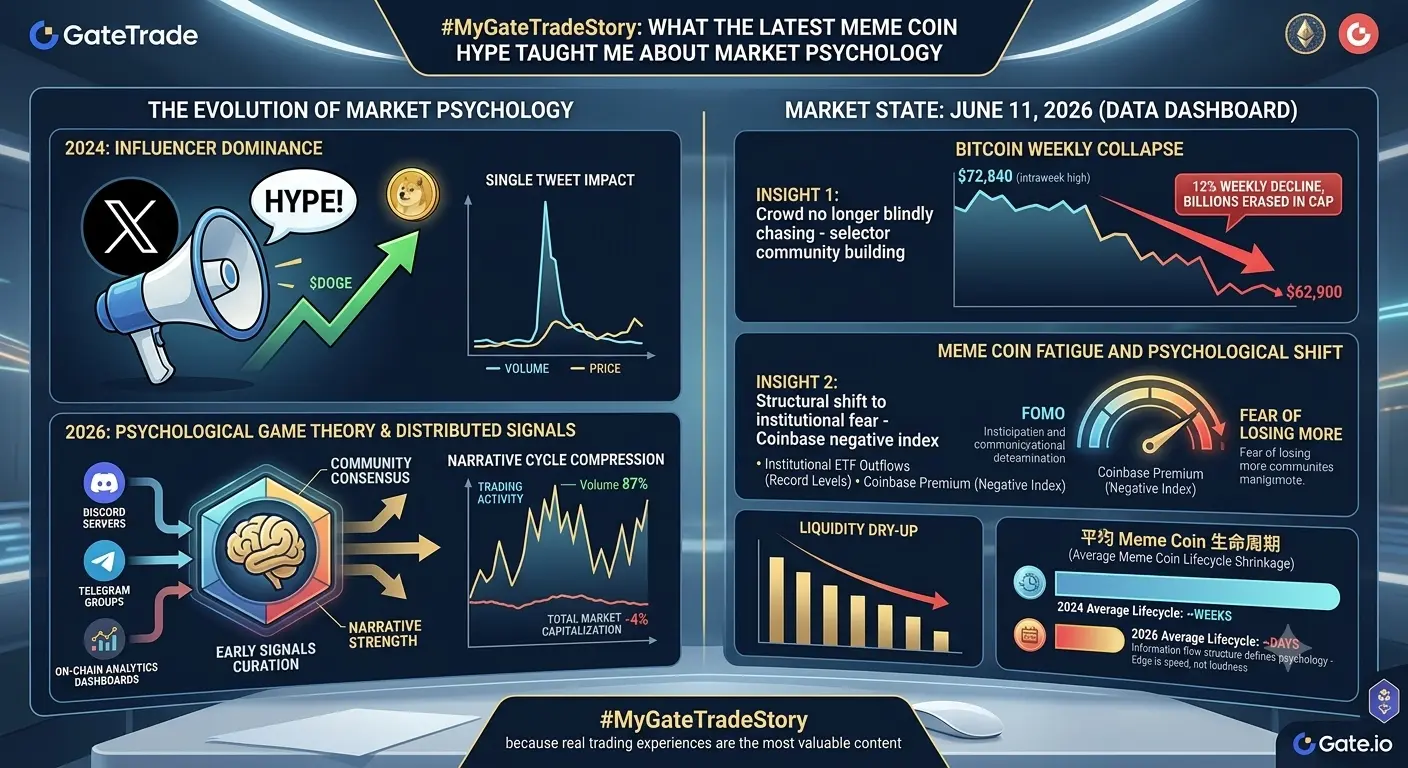
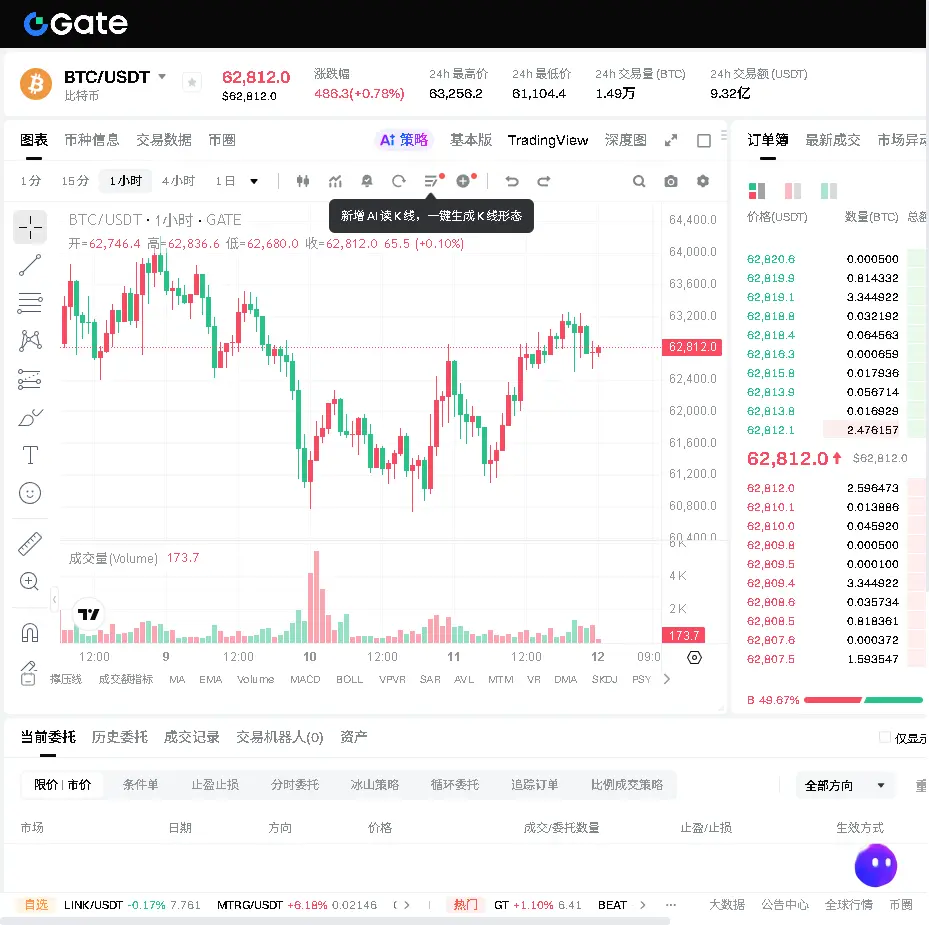
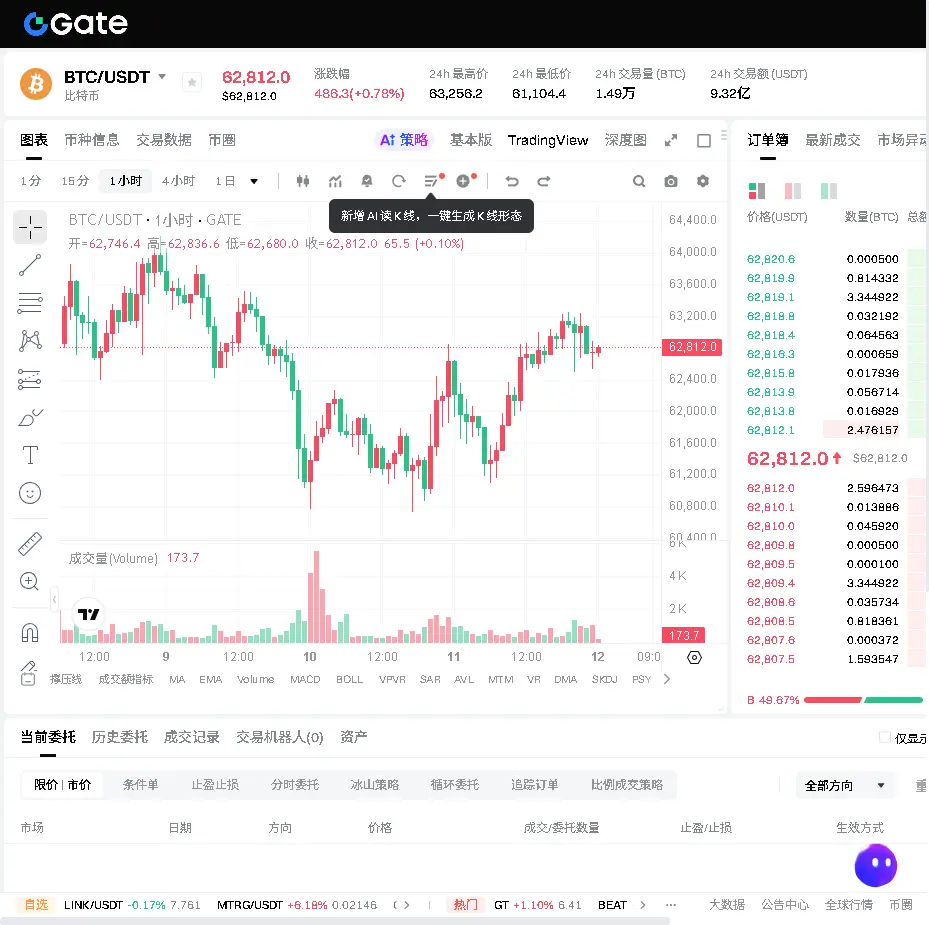
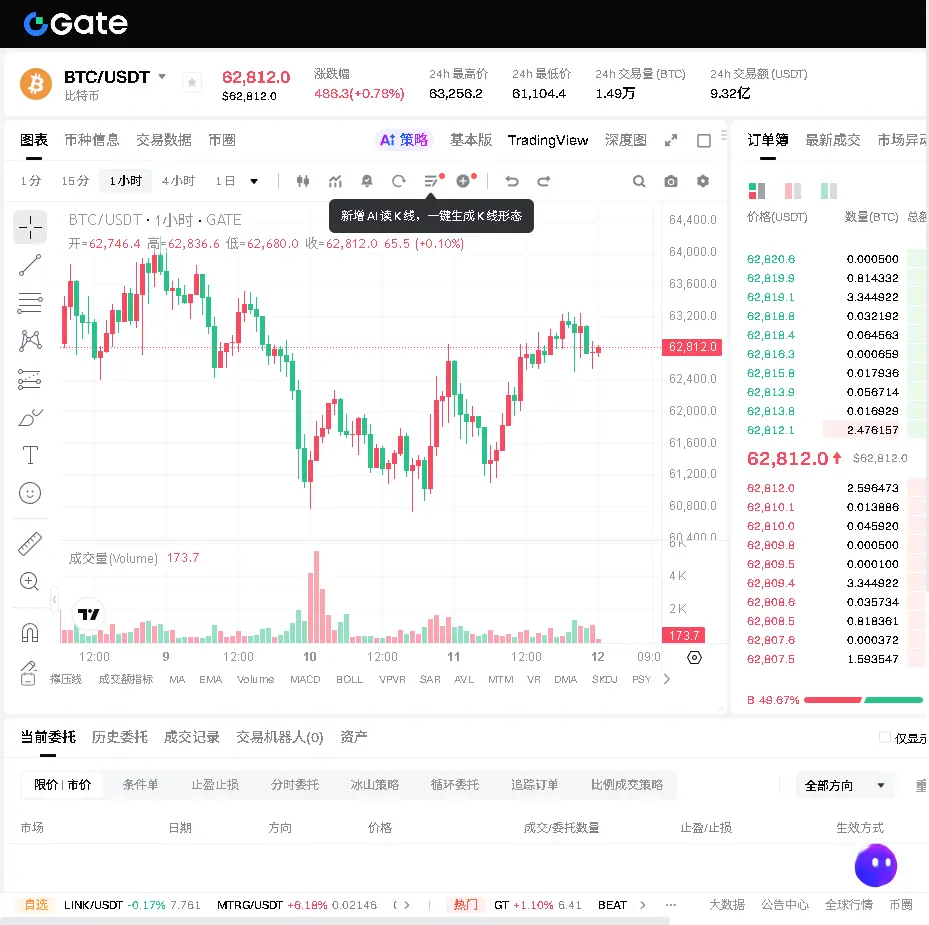
As of June 11, 2026, Dogecoin trades at approximately $0.085, down roughly 8.25% over the past week. Shiba Inu sits at $0.0000047, struggling to reclaim even a fraction of its former glory. PEPE hovers around $0.0000028, reflecting the broader meme coin fatigue gripping the market. Meanwhile, Bitcoin has tumbled from an intraweek high of $72,840 to lows near $64,100 before settling around $62,900, a devastating 12% weekly decline that has erased billions in market capitalization.
What does this tell us about market psychology? Three critical lessons stand out.
First, the crowd is no longer blindly chasing. The 2026 meme coin landscape has shifted from pure speculation to what analysts call psychological game theory and community consensus building. Traders are becoming selective, tracking narrative strength and community traction rather than reacting to tokens after they trend. Platforms are emerging that curate early signals instead of relying on automated hype bots. This is a sign of market maturation, even in the most speculative corners of crypto.
Second, fear of missing out has transformed into fear of losing more. When Bitcoin broke below its 200-day moving average and short-term holder realized price simultaneously in May 2026, it triggered a structural shift. Institutional ETF outflows hit record levels. The Coinbase Premium Index plunged to negative territory, meaning American institutional buyers were effectively paying less for Bitcoin than offshore markets. That institutional exodus cascaded into meme coins, where liquidity evaporated and bid depth collapsed. The psychological anchor that once drove FOMO purchases, the belief that someone bigger was always buying behind you, was shattered.
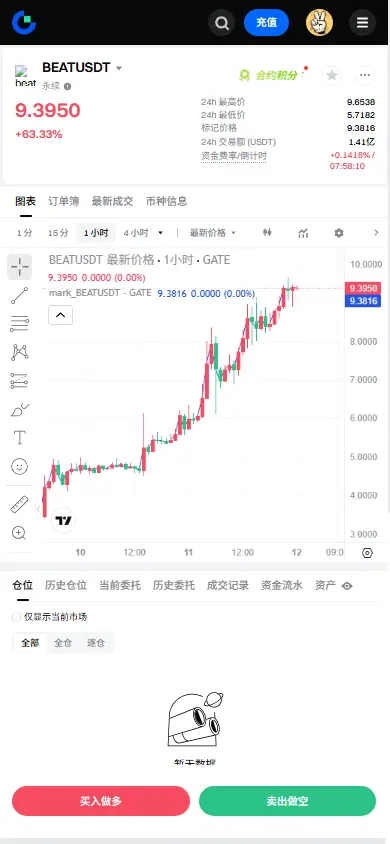
Third, narrative cycles are compressing faster than ever. The meme coin sector saw volume increase 87% year over year in 2026, yet total market capitalization declined 4%. More trading activity, less aggregate value. This paradox reveals a market where participants are churning positions rapidly, entering and exiting within days rather than weeks. The average meme coin lifecycle has shrunk dramatically, making timing the single most critical variable for any trade.
My biggest takeaway from this cycle is that market psychology is not just about greed and fear. It is about the structure of information flow. In 2024, a single influencer tweet could move markets because information was concentrated. In 2026, information is distributed across thousands of channels, Discord servers, Telegram groups, and on-chain analytics dashboards. The edge belongs to those who can synthesize signals faster, not those who react to the loudest voice.
The meme coin hype taught me that psychology follows structure. When the structure of information changes, the psychology changes too. Understanding that shift is what separates a trader who survives the downturn from one who gets caught holding bags when the music stops.
#MyGateTradeStory because real trading experiences are the most valuable content.
@Gate_Square
The meme coin market in June 2026 is not what it was two years ago. Back then, a single viral tweet could send a dog-themed token soaring 500% in hours. Today, the game has evolved into something far more psychological, far more strategic, and far more revealing about human behavior under financial pressure.
As of June 11, 2026, Dogecoin trades at approximately $0.085, down roughly 8.25% over the past week. Shiba Inu sits at $0.0000047, struggling to reclaim even a fraction of its former glory. PEPE hovers around $0.0000028, reflecting the broader meme coin fatigue gripping the market. Meanwhile, Bitcoin has tumbled from an intraweek high of $72,840 to lows near $64,100 before settling around $62,900, a devastating 12% weekly decline that has erased billions in market capitalization.
What does this tell us about market psychology? Three critical lessons stand out.
First, the crowd is no longer blindly chasing. The 2026 meme coin landscape has shifted from pure speculation to what analysts call psychological game theory and community consensus building. Traders are becoming selective, tracking narrative strength and community traction rather than reacting to tokens after they trend. Platforms are emerging that curate early signals instead of relying on automated hype bots. This is a sign of market maturation, even in the most speculative corners of crypto.
Second, fear of missing out has transformed into fear of losing more. When Bitcoin broke below its 200-day moving average and short-term holder realized price simultaneously in May 2026, it triggered a structural shift. Institutional ETF outflows hit record levels. The Coinbase Premium Index plunged to negative territory, meaning American institutional buyers were effectively paying less for Bitcoin than offshore markets. That institutional exodus cascaded into meme coins, where liquidity evaporated and bid depth collapsed. The psychological anchor that once drove FOMO purchases, the belief that someone bigger was always buying behind you, was shattered.
Third, narrative cycles are compressing faster than ever. The meme coin sector saw volume increase 87% year over year in 2026, yet total market capitalization declined 4%. More trading activity, less aggregate value. This paradox reveals a market where participants are churning positions rapidly, entering and exiting within days rather than weeks. The average meme coin lifecycle has shrunk dramatically, making timing the single most critical variable for any trade.
My biggest takeaway from this cycle is that market psychology is not just about greed and fear. It is about the structure of information flow. In 2024, a single influencer tweet could move markets because information was concentrated. In 2026, information is distributed across thousands of channels, Discord servers, Telegram groups, and on-chain analytics dashboards. The edge belongs to those who can synthesize signals faster, not those who react to the loudest voice.
The meme coin hype taught me that psychology follows structure. When the structure of information changes, the psychology changes too. Understanding that shift is what separates a trader who survives the downturn from one who gets caught holding bags when the music stops.
#MyGateTradeStory because real trading experiences are the most valuable content.
@Gate_Square