




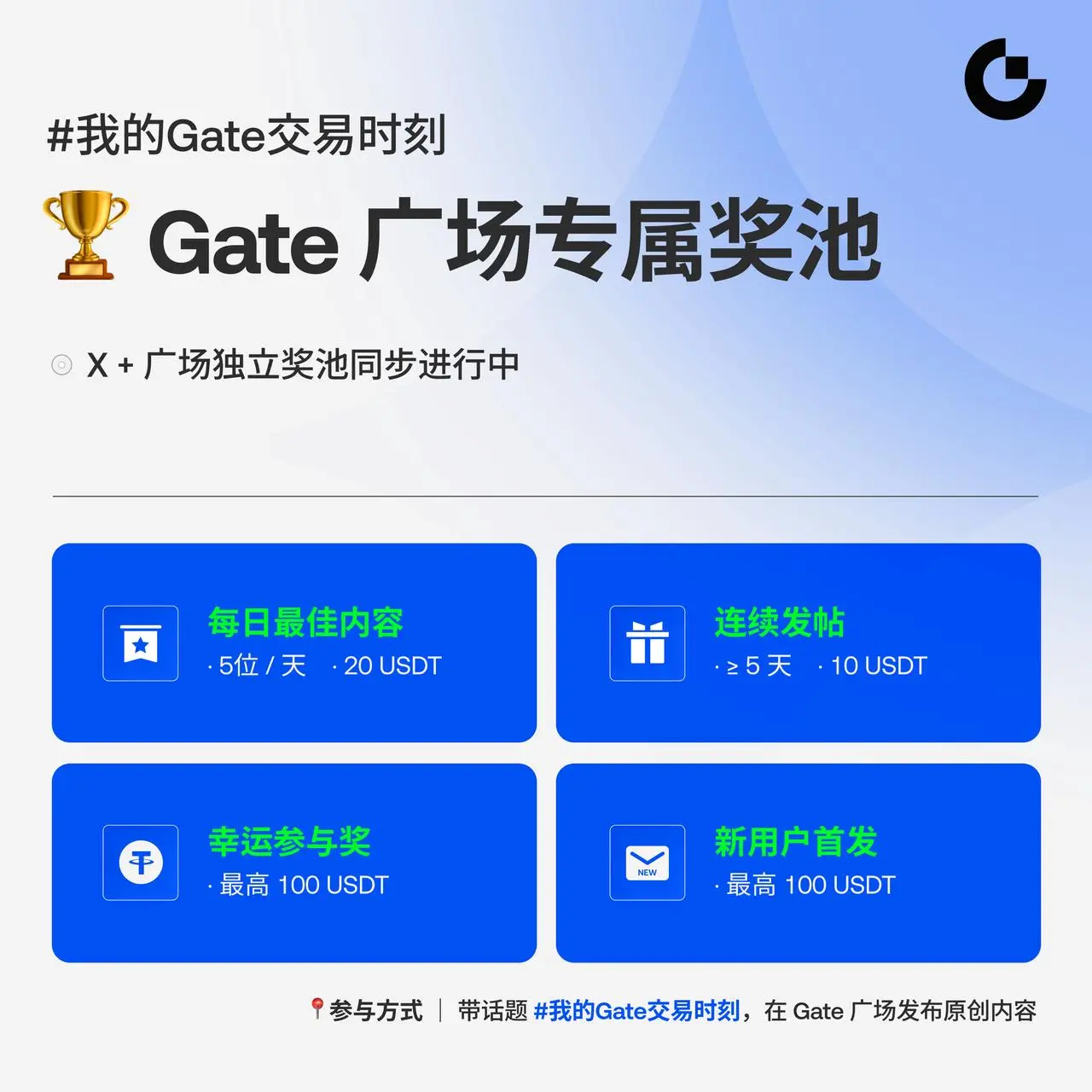

#我的Gate交易时刻
What is a football virtual currency? A review of popular cryptocurrencies for the 2026 World Cup football virtual currencies
1. What is a football virtual currency?
Football virtual currency, simply put, refers to encrypted digital assets deeply tied to the football industry. The global popularity of the 2026 USA-Canada-Mexico World Cup is bringing these tokens into the spotlight.
Based on market form, football virtual currencies can be roughly divided into three categories:
The first is officially authorized fan tokens, issued in cooperation with platforms like Chiliz by clubs or national teams, with holders enjoying voting rights, exclusive rewards, and other real benefits;
The second is SportFi ecosystem assets, tokenizing real-world data such as player performance and match results to build decentralized sports financial scenarios;
The third is World Cup-themed meme coins, issued on public blockchains like Solana, mainly driven by social media hype and short-term speculation.
Little Caishen believes that among these, official fan tokens and SportFi assets have stronger practical value support, while meme coins require caution due to pure hype risks.
2. In-depth analysis of popular football virtual currencies for the 2026 World Cup
The 2026 World Cup is not only a football feast but also spurring an investment boom in football virtual currencies.
Chiliz (CHZ): The “infrastructure” of the fan token ecosystem
Chiliz is undoubtedly the leading project in the football virtual currency space. Its platform Socios has issued fan tokens for major clubs and national teams worldwide. CHZ, as the native asset of the underlying Layer 1 blockchain, is the “fuel” of the entire ecosystem.
On the eve of the 2026 World Cup, Chiliz released Roadmap 2.0, announcing a return to the US market and the launch of national team fan tokens. Additionally, Chiliz introduced the “Burn to Glory” mechanism during the World Cup—fan tokens for Argentina (ARG), Belgium (BELG), Portugal ($POR), and five other national teams will be burned based on actual team performance: 1% per victory in the group stage, increasing to 10% in the knockout rounds and final.
Little Caishen sees this as meaning team performance will directly affect the on-chain supply of tokens.
Market data shows that on June 18, CHZ traded between approximately $0.024 and $0.036, with a market cap of about $380 million to $420 million.
National team fan tokens: ARG and POR leading
Argentina fan token (ARG) and Portugal fan token ($POR) are currently the most talked-about national team fan tokens.
Argentina has Messi as the global ambassador for Socios. After Messi scored a hat-trick in Argentina’s first match of the 2026 World Cup, the $ARG trading volume surged. According to CoinGecko, ARG’s market cap is roughly between $6 million and $7.5 million. At press time, the latest price of ARG is $1.44.
Portugal fan token ($POR) is also highly watched, deeply linked to Cristiano Ronaldo’s global influence. As of mid-June 2026, POR’s price is about $0.3245, with a market cap of approximately $4.05 million and a daily trading volume over $410k. POR is traded under the code POR within the Chiliz ecosystem, giving holders rights to participate in decision-making and receive exclusive rewards.
In my view, the positive correlation between star players’ individual performance and fan token prices is significantly amplified during the World Cup, presenting both investment opportunities and volatility risks.
Emerging force: FCM
Besides the Chiliz ecosystem, several emerging football virtual currency projects have appeared for the 2026 World Cup.
Football Capital Markets (FCM) is a decentralized platform based on Solana, allowing users to trade tokenized assets linked to real player performances (such as MBAPPE, $YAMAL, etc.), essentially a decentralized “player stock market.”
FCM’s total supply is about 999 million tokens, with nearly 100% in circulation. According to Coinpaprika, FCM hit a record high of about $0.00671 on June 5, 2026, with a market cap exceeding $3 million at that time. As of June 18, the price was approximately $0.0002905, with a 24-hour trading volume of about $620k.
We see FCM as upgrading traditional sports betting predictions into asset trading, opening a new track in SportFi, but its unofficial nature also entails higher speculative risks.
Emerging ecosystem: WORLDCUP
WORLDCUP (World Cup Coin) is a typical Solana-based meme coin built around the 2026 World Cup branding.
As of June 8, it surged 130% in two days, with a market cap reaching a peak of $9.5 million and a 24-hour trading volume of $1.7 million. The project also launched 48 meme coins representing participating national teams, with transaction fees from these tokens split 50-50—half used for buyback of the main WORLDCUP token.
However, meme coins are extremely volatile.
By June 12, WORLDCUP’s price had fallen from the high of $0.012003 to $0.004341, a 50.34% drop in 24 hours.
3. Important risk warnings for football virtual currencies
Behind the popularity of football virtual currencies lie risks. TRM Labs issued a warning in June 2026, highlighting fan safety risks associated with World Cup-themed meme coins like WORLDCUP. These tokens lack official endorsement, and their value is mainly driven by community sentiment and short-term trading momentum.
Additionally, crypto scammers are exploiting the World Cup hype to set up fake ticket sales platforms and speculative fan token traps. For example, on Ethereum, the “MESSI” meme token has no official connection to Messi himself and has no real utility.
Little Caishen believes that fan tokens often follow a cycle of “pre-match hype, mid-match divergence, and post-match zeroing.”
The overall risks of fan tokens include low trading volume, large bid-ask spreads, potential liquidity drops during market volatility, and no intrinsic value beyond engagement benefits.
4. The future of football virtual currencies: from frenzy to rationality
The 2026 World Cup has elevated football virtual currencies from niche topics in the crypto world to focal points of global sports fans’ discussions. Data shows that pre-tournament decentralized prediction market bets have approached $2 billion, and dedicated World Cup tokens on DEXs traded over $49.4 million just hours before the start.
The core value of football virtual currencies lies in:
Upgrading fans’ “watching” into “participation,” transforming “passion” into quantifiable on-chain assets. Whether it’s Chiliz’s “Burn to Glory” mechanism or FCM’s player tokenization trading, they are redefining the boundaries of sports fan economy. However, we recommend that the three main criteria for evaluating football virtual currencies are: official authorization, practical utility, and high liquidity.
The whistle of the World Cup will sound, and the value return of football virtual currencies has only just begun.
What is a football virtual currency? A review of popular cryptocurrencies for the 2026 World Cup football virtual currencies
1. What is a football virtual currency?
Football virtual currency, simply put, refers to encrypted digital assets deeply tied to the football industry. The global popularity of the 2026 USA-Canada-Mexico World Cup is bringing these tokens into the spotlight.
Based on market form, football virtual currencies can be roughly divided into three categories:
The first is officially authorized fan tokens, issued in cooperation with platforms like Chiliz by clubs or national teams, with holders enjoying voting rights, exclusive rewards, and other real benefits;
The second is SportFi ecosystem assets, tokenizing real-world data such as player performance and match results to build decentralized sports financial scenarios;
The third is World Cup-themed meme coins, issued on public blockchains like Solana, mainly driven by social media hype and short-term speculation.
Little Caishen believes that among these, official fan tokens and SportFi assets have stronger practical value support, while meme coins require caution due to pure hype risks.
2. In-depth analysis of popular football virtual currencies for the 2026 World Cup
The 2026 World Cup is not only a football feast but also spurring an investment boom in football virtual currencies.
Chiliz (CHZ): The “infrastructure” of the fan token ecosystem
Chiliz is undoubtedly the leading project in the football virtual currency space. Its platform Socios has issued fan tokens for major clubs and national teams worldwide. CHZ, as the native asset of the underlying Layer 1 blockchain, is the “fuel” of the entire ecosystem.
On the eve of the 2026 World Cup, Chiliz released Roadmap 2.0, announcing a return to the US market and the launch of national team fan tokens. Additionally, Chiliz introduced the “Burn to Glory” mechanism during the World Cup—fan tokens for Argentina (ARG), Belgium (BELG), Portugal ($POR), and five other national teams will be burned based on actual team performance: 1% per victory in the group stage, increasing to 10% in the knockout rounds and final.
Little Caishen sees this as meaning team performance will directly affect the on-chain supply of tokens.
Market data shows that on June 18, CHZ traded between approximately $0.024 and $0.036, with a market cap of about $380 million to $420 million.
National team fan tokens: ARG and POR leading
Argentina fan token (ARG) and Portugal fan token ($POR) are currently the most talked-about national team fan tokens.
Argentina has Messi as the global ambassador for Socios. After Messi scored a hat-trick in Argentina’s first match of the 2026 World Cup, the $ARG trading volume surged. According to CoinGecko, ARG’s market cap is roughly between $6 million and $7.5 million. At press time, the latest price of ARG is $1.44.
Portugal fan token ($POR) is also highly watched, deeply linked to Cristiano Ronaldo’s global influence. As of mid-June 2026, POR’s price is about $0.3245, with a market cap of approximately $4.05 million and a daily trading volume over $410k. POR is traded under the code POR within the Chiliz ecosystem, giving holders rights to participate in decision-making and receive exclusive rewards.
In my view, the positive correlation between star players’ individual performance and fan token prices is significantly amplified during the World Cup, presenting both investment opportunities and volatility risks.
Emerging force: FCM
Besides the Chiliz ecosystem, several emerging football virtual currency projects have appeared for the 2026 World Cup.
Football Capital Markets (FCM) is a decentralized platform based on Solana, allowing users to trade tokenized assets linked to real player performances (such as MBAPPE, $YAMAL, etc.), essentially a decentralized “player stock market.”
FCM’s total supply is about 999 million tokens, with nearly 100% in circulation. According to Coinpaprika, FCM hit a record high of about $0.00671 on June 5, 2026, with a market cap exceeding $3 million at that time. As of June 18, the price was approximately $0.0002905, with a 24-hour trading volume of about $620k.
We see FCM as upgrading traditional sports betting predictions into asset trading, opening a new track in SportFi, but its unofficial nature also entails higher speculative risks.
Emerging ecosystem: WORLDCUP
WORLDCUP (World Cup Coin) is a typical Solana-based meme coin built around the 2026 World Cup branding.
As of June 8, it surged 130% in two days, with a market cap reaching a peak of $9.5 million and a 24-hour trading volume of $1.7 million. The project also launched 48 meme coins representing participating national teams, with transaction fees from these tokens split 50-50—half used for buyback of the main WORLDCUP token.
However, meme coins are extremely volatile.
By June 12, WORLDCUP’s price had fallen from the high of $0.012003 to $0.004341, a 50.34% drop in 24 hours.
3. Important risk warnings for football virtual currencies
Behind the popularity of football virtual currencies lie risks. TRM Labs issued a warning in June 2026, highlighting fan safety risks associated with World Cup-themed meme coins like WORLDCUP. These tokens lack official endorsement, and their value is mainly driven by community sentiment and short-term trading momentum.
Additionally, crypto scammers are exploiting the World Cup hype to set up fake ticket sales platforms and speculative fan token traps. For example, on Ethereum, the “MESSI” meme token has no official connection to Messi himself and has no real utility.
Little Caishen believes that fan tokens often follow a cycle of “pre-match hype, mid-match divergence, and post-match zeroing.”
The overall risks of fan tokens include low trading volume, large bid-ask spreads, potential liquidity drops during market volatility, and no intrinsic value beyond engagement benefits.
4. The future of football virtual currencies: from frenzy to rationality
The 2026 World Cup has elevated football virtual currencies from niche topics in the crypto world to focal points of global sports fans’ discussions. Data shows that pre-tournament decentralized prediction market bets have approached $2 billion, and dedicated World Cup tokens on DEXs traded over $49.4 million just hours before the start.
The core value of football virtual currencies lies in:
Upgrading fans’ “watching” into “participation,” transforming “passion” into quantifiable on-chain assets. Whether it’s Chiliz’s “Burn to Glory” mechanism or FCM’s player tokenization trading, they are redefining the boundaries of sports fan economy. However, we recommend that the three main criteria for evaluating football virtual currencies are: official authorization, practical utility, and high liquidity.
The whistle of the World Cup will sound, and the value return of football virtual currencies has only just begun.