Square
Following
Hot
News
Profile

CryptoEye

vip
Peak Tier 5
Active for: 2y
No content yet
85
Following
9.4k
Followers
30.3k
Liked
Pin
Featured#OneGateWitnessProgram
The crypto industry is evolving faster than ever, and in this rapidly changing environment, information, community participation, and authentic voices have become more valuable than ever. The OneGate Witness Program represents an opportunity for the Gate community to become more than just users — it is about becoming active participants, observers, creators, and voices within the growing Gate ecosystem.
A strong crypto platform is not built only through technology, trading products, or market infrastructure. It is also built through a powerful community that observes de
  • 7
  • 3
#StrategySTRCNears100ParValue
Strategy's STRC Approaches the Critical $100 Level – A Potential Turning Point for Bitcoin's Institutional Buying Strategy!
Strategy's STRC preferred stock is attracting renewed attention as investors watch its recovery toward the important $100 par value. This development matters not only for income-focused investors but also for Bitcoin's institutional investment landscape.
What Is STRC?
STRC, also known as Stretch, is Strategy's perpetual preferred stock listed on Nasdaq. It was designed to trade around its $100 stated value while providing variable-rate cash
STRC-0.39%
MSTR-7.78%
BTC-0.67%
#IntelBeatsEarningsButStockPlunges
Intel Delivers an Earnings Surprise, Yet Its Stock Faces a Brutal Market Reality – What Went Wrong?
Intel has delivered a surprising third-quarter 2026 earnings performance, beating Wall Street expectations, but the stock market responded with a dramatic sell-off. This situation highlights an important lesson for investors: strong earnings alone are not always enough to push a stock higher.
Strong Q3 Financial Performance
Intel reported third-quarter revenue of approximately $16.5 billion, representing 21% year-over-year growth. Adjusted earnings reached $0.
INTC-28.49%
  • 2
BTC breaks above 77,000 USDT, with its 24-hour loss narrowing to 2.67
live-replay-cover
758 views10-31 12:28
01:04:15
#BTC大跌 #BTC跌破77000美元
In mid-October, several analytics firms identified the area around $77,000 as a key support level: it is a dense cost-basis zone for a substantial portion of Bitcoin’s supply, as well as the level of active investors’ average purchase price (the “True Market Mean”).
Around $74,000 is the cost basis for short-term holders, while around $72,000 is the 200-day moving average. On October 9, when Bitcoin was still above $82,000, prediction markets showed that the market saw roughly a 40% chance of Bitcoin falling to $77,500 in October.
A week earlier, analysts had warned that
CryptoEye
#BTC大跌 #BTC跌破77000美元
In mid-October, several analytics firms identified the area around $77,000 as a key support level: it is a dense cost-basis zone for a substantial portion of Bitcoin’s supply, as well as the level of active investors’ average purchase price (the “True Market Mean”).
Around $74,000 is the cost basis for short-term holders, while around $72,000 is the 200-day moving average. On October 9, when Bitcoin was still above $82,000, prediction markets showed that the market saw roughly a 40% chance of Bitcoin falling to $77,500 in October.
A week earlier, analysts had warned that “Uptober” might not materialize—Bitcoin’s median October return has historically been around 14%, but in October 2026, liquidity, the macro environment, and institutional demand clearly outweighed seasonal patterns.
So the drop below $77,000 means, technically, that the market has fallen into a key support zone that had been tested repeatedly. Holding it could amount to a retest; a further drop below $74,000 or even $72,000 could undermine the previously bullish market structure. This depends on how the AnAn incident unfolds over the next few days, as well as on macro conditions and liquidity.
What to watch next
For those following the market, there are four things to keep an eye on:
When AnAn deposits and withdrawals resume—the first sign of recovering market confidence.
The final loss figure and progress in recovering funds—officially released figures will replace estimates from various parties.
The attackers’ identities and regulatory action—whether the hackers’ funds can be frozen and traced, and whether regulators in various jurisdictions tighten requirements for exchanges as a result.
Whether the $77,000 support level holds—a cross-check between technical and fundamental factors.
Bitcoin’s wild price swings are part of its nature: it fell more than 60% in 2018, dropped 62% again in 2022, and fell to around $60k in February 2026. Every crash creates panic, but also attracts new risk-takers. But whether it is packaged as “digital gold” or a “next-generation asset,” it is first and foremost a high-volatility, high-risk investment that is not legally protected domesticall
#BTC跌破77000美元
repost-content-media
BTC-0.67%
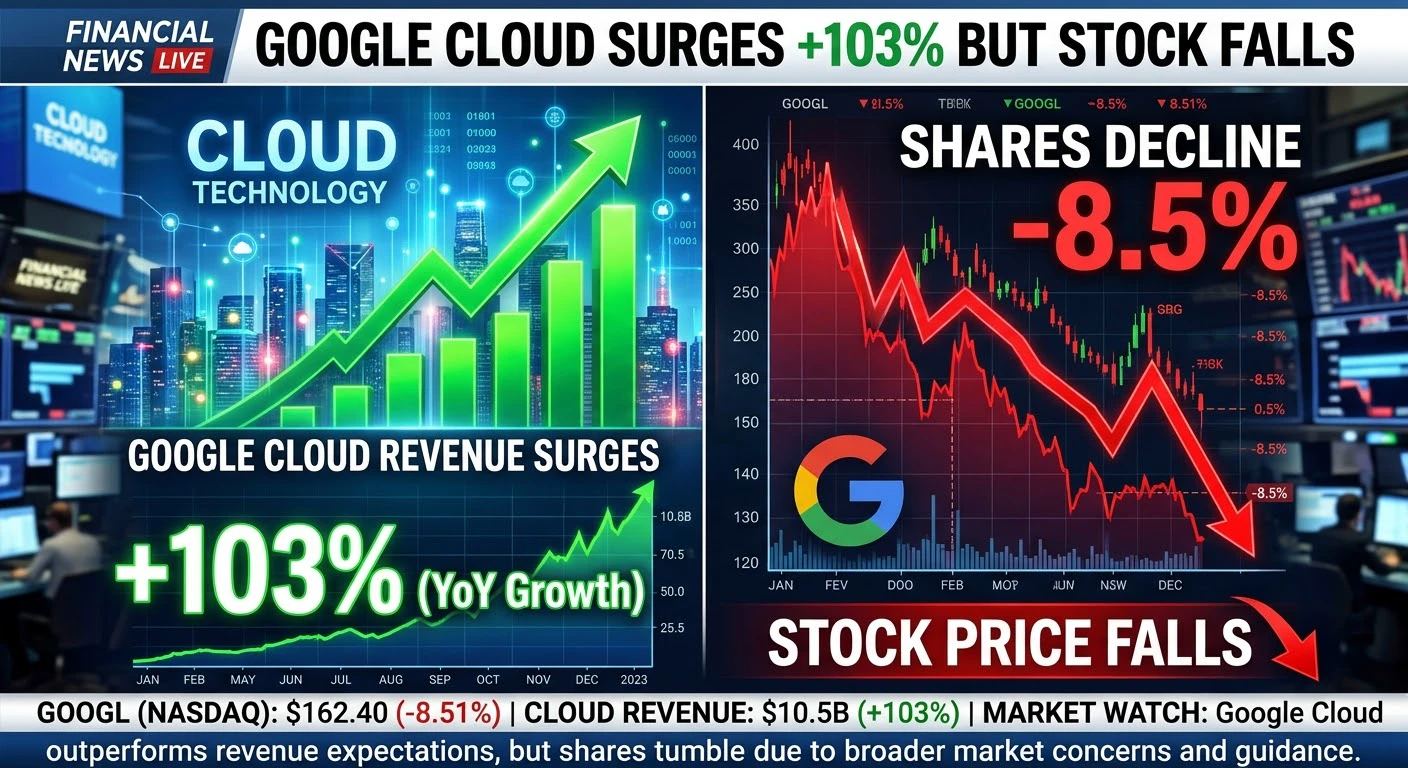
#GoogleCloudSurges103%ButStockFalls
#ShareWeekly
That is exactly what happened with Alphabet this week. Google Cloud grew its revenue by 103% year over year in the third quarter of 2026, reaching 30.7 billion dollars, and that marked a clear acceleration from the 82% growth it delivered just one quarter earlier. These are spectacular numbers by any standard. Cloud revenue more than doubled, the segment's operating margin jumped to 36.2% from 23.7% a year ago, and Alphabet's overall revenue rose 25% to 127.6 billion dollars while operating income climbed 30% to 40.6 billion with operating mar
CryptoEye
#GoogleCloudSurges103%ButStockFalls
#ShareWeekly
That is exactly what happened with Alphabet this week. Google Cloud grew its revenue by 103% year over year in the third quarter of 2026, reaching 30.7 billion dollars, and that marked a clear acceleration from the 82% growth it delivered just one quarter earlier. These are spectacular numbers by any standard. Cloud revenue more than doubled, the segment's operating margin jumped to 36.2% from 23.7% a year ago, and Alphabet's overall revenue rose 25% to 127.6 billion dollars while operating income climbed 30% to 40.6 billion with operating margin ticking up to 32% from 31%. And yet, moments after the report landed, the stock fell as much as 11% in after-hours trading and finished the session sharply lower, adding to a decline of roughly 7% for the month of October. So the obvious question is: why would investors punish a company for its best cloud quarter ever?
The first and most honest answer is that markets are forward-looking machines, and a 103% growth rate is never evaluated in isolation. It is always measured against what Wall Street already expected, and expectations heading into this print were extraordinarily high. Alphabet missed analyst estimates on both lines. Revenue came in at 127.6 billion against a consensus of roughly 127.9 billion, and diluted earnings per share of 2.12 dollars fell well short of the 3.01 dollars analysts were looking for. When a stock is priced for perfection, and a company already trading at a premium multiple delivers a beat that is not quite big enough, the reaction is often a sharp selloff. The market is not saying the business is broken; it is saying the price already reflected the good news, and the little surprises were on the wrong side.
The second factor is the much bigger story hiding behind those headlines: the cost of the AI race. Alphabet expects to spend roughly 200 billion dollars on capital expenditures in 2026, and it guided to another 300 billion in 2027. In the third quarter alone, capex was 51.4 billion dollars, up from 24 billion in the same period a year earlier, a rise of more than 100%. That spending drove the company to negative free cash flow for the first time, at minus 9.1 billion dollars for the quarter. Investors are watching the hyperscalers closely and worrying that the enormous outlays required to build AI infrastructure will pressure cash generation for years, even as the revenue benefits are proving slower and more uncertain than the spending. It is a tradeoff every cloud giant is facing, but Alphabet is being judged on the immediate cash burn, and the market does not like seeing a cash machine suddenly turn into a cash consumer.
The third reason is a technical one that explains why the earnings figure looked so bad even though the underlying business was healthy. Alphabet took a large hit on its portfolio of equity investments, which includes SpaceX and two dozen other companies. These investments lost 8.2 billion dollars in value during the quarter, compared with gains of nearly 12.8 billion in the prior-year period. The swing in that single line item was roughly 21 billion dollars against the bottom line, which is why reported EPS fell 26% even as operating income rose 30%. Without that investment swing, Alphabet's net income would actually have increased by about 35%. So the headline EPS decline is real but misleading, and a thoughtful investor has to look past it to see the operating engine underneath, which remains strong.
There is also a quieter worry that goes to the heart of Alphabet's moat: search advertising. Google search revenue grew 12% year over year, YouTube grew about 9%, and total advertising revenue rose 11%. That is respectable, but the fear is that generative AI will gradually eat into how people discover information, and ultimately into the advertising dollars that still make up the vast majority of Alphabet's revenue. Investors are asking whether AI assistants will bypass traditional search, and whether Google's ad business can hold up as the market shifts. The company argues these fears are overdone, and for now the numbers do not show any collapse in search, but the uncertainty is real and it caps how much the market rewards even strong cloud results.
Now let us step back and look at what the numbers actually prove about the business, because a falling stock price does not erase the quality of what Alphabet just showed us. Google Cloud is not just growing; it is growing faster than it has in years, and with rising profitability. The 103% growth means the segment effectively doubled in size, and the operating margin climbing to 36.2% shows this is not just revenue being bought with heavy spending, it is a business that is scaling and becoming more efficient at the same time. CEO Sundar Pichai said the results were powered by huge demand for AI infrastructure and AI solutions, and called out strong demand for Google's homegrown Tensor Processing Units, or TPUs. The fact that Google is selling its own AI chips alongside cloud services is a strategic advantage, because it means it is capturing value at multiple layers of the AI stack rather than just renting out servers. Cloud revenue is now on an annual run rate well above 70 billion dollars, and Alphabet's total annualized revenue crossed the 400 billion mark for the first time. These are milestones that most companies would kill for.
So what should an investor make of the contradiction between incredible growth and a falling stock? The healthiest way to frame it is this: the market is not betting against Google Cloud, it is betting against the price, the spend, and the timing. The stock already carried very high expectations, the capex burden is enormous and will remain heavy for years, and cash flow has turned negative while investors wait for the AI payoff to fully materialize. When a company grows this fast and the stock still drops, it almost always means the valuation was ahead of the fundamentals at the margin. The good news is that the fundamentals are catching up. The cloud segment is accelerating, margins are expanding, and the company remains extremely profitable at the operating level despite the temporary accounting hit from investment losses.
There is one more point that matters for anyone trying to judge whether this is a buying opportunity or a warning. Right after the plunge, Alphabet was trading at roughly 16 times earnings, which is near the lowest multiple in its history as a public company. That is a striking fact for a business growing at 25% overall, with the fastest-growing division in the entire company expanding at 103%. A low multiple on a company with accelerating cloud growth and expanding margins is precisely the kind of setup long-term investors study carefully. However, cheapness alone is not a reason to buy, because the stock could stay under pressure as long as the capex burn and the cash flow drain continue. The market will want to see signs that the spending is starting to generate free cash flow, and that search advertising is holding up against AI disruption. Until those two worries clear, the shares may remain volatile even if the underlying business keeps delivering.
The lesson here is a timeless one. A stock price is not a report card on the company, it is a scorecard on the gap between what happened and what was already expected. Google Cloud delivered a 103% surge, but the market had priced in a strong result, and the misses came from the parts of the report investors were most nervous about: revenue a touch below estimates, earnings hurt by a one-time investment swing, and a soaring capex bill that turned cash flow negative. None of that invalidates the cloud story. In fact, the acceleration from 82% to 103% growth, the jump in cloud margins to 36.2%, and the strength of the AI-driven demand are about as bullish a set of cloud numbers as Alphabet has ever produced. The selloff is a statement about valuation and patience, not a verdict on the quality of the business.
For anyone reading this and trying to decide what comes next, the framework is fairly clean. Watch the capex trajectory, because if Alphabet can hold its 2027 guidance near the low end while cloud revenue keeps compounding, the free cash flow break-even point arrives sooner than the market fears, and the stock could re-rate sharply higher. Watch the search and advertising numbers each quarter to see whether AI disruption is actually showing up in the core business. And pay attention to the cloud segment margin, because if the 36.2% operating margin proves sustainable and expands further, the market will eventually have to reward a company that is both fast and profitable. The growth is not in question. What is in question is whether investors have the patience to look past the short-term cash burn and the noisy accounting, and whether the market will eventually pay up for a business that is still compounding at triple-digit rates in its most important new division.
#ShareWeekly
repost-content-media
#GoogleCloudSurges103%ButStockFalls
Google Cloud Revenue Explodes 103%, Yet Alphabet Stock Plunges — What Is Wall Street Really Worried About?
The latest quarterly results from Google’s parent company, Alphabet, have delivered one of the most interesting surprises in the technology market. Google Cloud revenue surged an impressive 103% year-over-year in Q3 2026, reaching approximately $30.71 billion. However, instead of celebrating this extraordinary growth, investors reacted negatively, sending Alphabet shares sharply lower.
This situation highlights an important reality in today's financial
CryptoEye
#GoogleCloudSurges103%ButStockFalls
Google Cloud Revenue Explodes 103%, Yet Alphabet Stock Plunges — What Is Wall Street Really Worried About?
The latest quarterly results from Google’s parent company, Alphabet, have delivered one of the most interesting surprises in the technology market. Google Cloud revenue surged an impressive 103% year-over-year in Q3 2026, reaching approximately $30.71 billion. However, instead of celebrating this extraordinary growth, investors reacted negatively, sending Alphabet shares sharply lower.
This situation highlights an important reality in today's financial markets: strong business growth does not automatically translate into higher stock prices. Investors are increasingly looking beyond revenue numbers and asking a more important question: How much profit and sustainable cash flow can a company generate from its investments?
1. Why Did Google Cloud Grow 103%?
The biggest driver behind Google's remarkable cloud performance is the rapidly expanding demand for Artificial Intelligence.
Businesses worldwide are investing heavily in AI infrastructure, cloud computing, machine learning and advanced data-processing systems. Google Cloud provides the infrastructure that companies need to develop, train and operate AI applications.
Another important growth driver is Google's Tensor Processing Units (TPUs), its specialized AI chips designed to support demanding AI workloads.
The expansion of AI services, enterprise cloud contracts and demand for computing capacity have strengthened Google's competitive position against Microsoft Azure and Amazon Web Services.
Google Cloud generated approximately $30.71 billion in quarterly revenue, demonstrating that Google's AI strategy is producing significant commercial opportunities.
2. Why Did Alphabet Stock Fall Despite This Growth?
Here is where the story becomes interesting.
Alphabet's overall third-quarter revenue reached approximately $127.6 billion, representing 25% annual growth. However, the figure came below Wall Street expectations.
There were several reasons behind the negative market reaction:
• Earnings disappointment: Alphabet reported GAAP earnings per share of approximately $2.12, below analysts' expectations of around $3.01.
• Advertising weakness: Google's advertising business generated approximately $82 billion, falling short of market expectations. Since advertising remains one of Alphabet's most important revenue sources, investors are paying close attention to its growth.
• Massive AI spending: Building AI data centers, purchasing advanced chips and expanding cloud infrastructure requires enormous capital investment.
• Negative free cash flow: Alphabet reported approximately $9.1 billion in negative free cash flow during the quarter, raising concerns about how quickly its AI investments can generate returns.
• Profit pressure: Net income declined approximately 25% year-over-year to $26.17 billion.
These concerns overshadowed the impressive performance of Google Cloud. Alphabet shares subsequently suffered a major sell-off, falling more than 12% during Thursday's trading session.
3. The AI Investment Battle Is Becoming More Expensive
Google is not alone in this race.
Microsoft, Amazon, Meta and other major technology companies are investing billions of dollars to secure their positions in the next generation of AI infrastructure.
The opportunity is enormous, but so are the financial risks.
Alphabet has indicated that its capital expenditure could increase significantly in 2027. This means the company may need to spend even more money on data centers, computing equipment, energy and infrastructure.
Investors want evidence that these investments will generate sustainable returns rather than simply increasing operating costs.
The market is no longer rewarding every company simply for announcing ambitious AI plans. It wants measurable revenue, improving profitability and strong cash generation.
4. What Does This Mean for the Technology Market?
Alphabet's latest results send an important message to the broader technology sector.
AI demand remains powerful, but investors are becoming more selective.
Companies with strong AI revenue growth, efficient spending strategies and sustainable profit margins may continue attracting institutional investment.
Meanwhile, companies spending aggressively without demonstrating sufficient financial returns could face increased market pressure.
Google Cloud's performance is particularly important because it demonstrates that enterprise AI demand is becoming a real revenue opportunity rather than just a market expectation.
5. My Prediction: What Could Happen Next?
In my view, Alphabet's long-term outlook remains interesting, but short-term uncertainty has increased.
Three scenarios deserve attention:
Bullish Scenario: If Google demonstrates stronger advertising growth, maintains its cloud expansion and improves free cash flow, investor confidence could gradually return. A recovery in technology stocks could also support Alphabet.
Bearish Scenario: If advertising revenue continues disappointing and AI infrastructure expenses rise faster than earnings, further downside pressure could develop.
Neutral Scenario: The stock may enter a consolidation phase as investors wait for the next earnings report and clearer evidence of returns from AI investments.
The most important indicators to monitor are Google Cloud growth, advertising revenue, operating margins, capital expenditure and free cash flow.
Final Thoughts
Google Cloud's 103% revenue surge is a powerful achievement and demonstrates the growing commercial importance of artificial intelligence.
However, Alphabet's stock decline reminds investors that financial markets reward sustainable profitability, not revenue growth alone.
The next chapter of the AI revolution will not simply belong to companies that spend the most money. It will belong to companies that successfully convert technological innovation into lasting financial returns.
The real question is no longer whether AI demand is growing. The real question is who can turn that demand into sustainable profits.
What do you think? Is Alphabet's recent decline a temporary market overreaction, or is Wall Street correctly warning about the rising cost of the AI revolution?
#GoogleCloud #Alphabet
repost-content-media
GOOGL-1.32%
MSFT-1.60%
AMZN-1.55%
#HYPERalliesAgainstTheMarket
: The Power of Hyperliquid When the Crypto Market Turns Red!
The cryptocurrency market is experiencing significant selling pressure, with Bitcoin and Ethereum struggling to maintain their support levels. However, one project is attracting extraordinary attention by moving against the broader market trend: Hyperliquid (HYPE).
This performance is more than just another price movement. It highlights the growing importance of decentralized trading infrastructure and the potential of projects with strong market activity.
What Is Driving HYPE's Rally?
One of the biggest
CryptoEye
#HYPERalliesAgainstTheMarket
: The Power of Hyperliquid When the Crypto Market Turns Red!
The cryptocurrency market is experiencing significant selling pressure, with Bitcoin and Ethereum struggling to maintain their support levels. However, one project is attracting extraordinary attention by moving against the broader market trend: Hyperliquid (HYPE).
This performance is more than just another price movement. It highlights the growing importance of decentralized trading infrastructure and the potential of projects with strong market activity.
What Is Driving HYPE's Rally?
One of the biggest catalysts behind HYPE's recent rally is the announcement involving Intercontinental Exchange (ICE), the parent company of the New York Stock Exchange.
ICE announced a partnership with trade[XYZ] to develop US-regulated perpetual futures markets using Hyperliquid's infrastructure, subject to regulatory approval.
This development is significant because it could connect traditional financial markets with decentralized blockchain-based trading.
The proposed markets could cover:
Cryptocurrencies
Stocks and equities
Commodities
Foreign exchange
Other real-world assets
This announcement has strengthened expectations about Hyperliquid's future adoption and institutional relevance.
Strong Trading Activity
HYPE demonstrated impressive market strength on October 29–30, reaching approximately $97 during its rally.
Its 24-hour trading volume also increased substantially, reflecting growing market participation.
Another important development is Hyperliquid's growing derivatives activity. Its ecosystem is attracting traders looking for high-performance perpetual futures markets.
Why Is This Important?
When most cryptocurrencies are declining, an asset that maintains upward momentum deserves attention.
Hyperliquid offers a combination of decentralized infrastructure, perpetual trading, an expanding ecosystem and potential institutional exposure.
Its HYPE token also has an important role in the ecosystem, including staking and governance-related utility.
What Could Happen Next?
My outlook remains cautiously bullish.
Bullish scenario: If HYPE breaks above $97 and successfully establishes support, the psychological $100 level could become the next major target.
Neutral scenario: Price could consolidate between $88 and $97 while the market absorbs recent gains.
Bearish scenario: A breakdown below $88 could increase selling pressure, with $80–$81 becoming an important support region.
Final Thoughts
The most interesting lesson from this rally is that the crypto market is not moving in one direction anymore. Strong fundamentals, new partnerships and expanding trading infrastructure can create opportunities even during broader market weakness.
However, the ICE initiative still requires regulatory approval, and excitement surrounding major announcements does not guarantee long-term price appreciation.
Hyperliquid is proving that innovation and market adoption can make a difference. The next challenge for HYPE is turning this impressive momentum into sustainable growth.
#HYPERalliesAgainstTheMarket #HYPE
repost-content-media
HYPE+0.24%
BTC-0.67%
ETH-1.26%
XYZ-0.88%
#WCTCS9 The crypto market has just experienced a sharp drop triggered by the AnAn security incident, with over 240,000 liquidations in 24 hours and total liquidations exceeding $1.5 billion. Amid this extreme volatility, the key strategy this Friday is to keep total risk exposure below 20% and hold only very small positions through the weekend uncertainty.
📦 Assets to hold over the weekend (survival comes first)
1. BTC/ETH core blue-chip positions: Keep only core positions that are already up more than 15%, using profits to weather weekend news-driven volatility. These assets have the deepest
CryptoEye
#WCTCS9 The crypto market has just experienced a sharp drop triggered by the AnAn security incident, with over 240,000 liquidations in 24 hours and total liquidations exceeding $1.5 billion. Amid this extreme volatility, the key strategy this Friday is to keep total risk exposure below 20% and hold only very small positions through the weekend uncertainty.
📦 Assets to hold over the weekend (survival comes first)
1. BTC/ETH core blue-chip positions: Keep only core positions that are already up more than 15%, using profits to weather weekend news-driven volatility. These assets have the deepest liquidity, so even if extreme market conditions hit over the weekend, you can exit promptly on Monday.
2. High-conviction leading ecosystem coins: Projects among the top 20 by market cap, such as BNB, SOL, and UNI, have no major fundamental flaws and are unlikely to go to zero overnight like small-cap altcoins. Even if they fall with the broader market in the short term, they are also the quickest to recover in a rebound.
3. Convert all idle funds to stablecoins: Major stablecoins such as USDT and USDC won't fluctuate in price over the weekend. You can also earn some flexible interest through an exchange's earn products, keeping funds available for Monday's buying-the-dip opportunities.
⚠️ Assets you absolutely must not hold: Small-cap altcoins ranked below 100, contracts with leverage above 5x, and options nearing expiration. These assets have no liquidity over the weekend; if bad news hits, they could gap down to zero on Monday, leaving no opportunity to close your positions.
⏱️ How to set take-profit and stop-loss orders without monitoring the market
1. Place a conditional order as soon as you open a position: On the platform's trading page, select the “take-profit/stop-loss” order type and set both the trigger price and order price. Place orders for both directions as soon as you open the position, so you don't have to monitor the market manually afterward.
2. Fixed-percentage rules for major coins: Set hard stop-losses of 3%-5% for BTC/ETH. Once unrealized profits exceed 10%, move the stop-loss up to the entry price to lock in your principal. Set altcoin stop-losses wider, at 8%-10%, to avoid being easily stopped out by intraday wicks.
3. Automatically raise take-profit levels with a trailing stop: Use the platform's trailing stop feature. For example, set the stop-loss level to automatically move up 1.5% for every 2% price rise. No manual adjustments are needed; this lets you capture the full profit during a trend and exit automatically if the market reverses.
🚨 Three situations that should trigger an immediate portfolio adjustment
1. Large, unusual on-chain transfers are detected over the weekend, such as another movement of assets worth billions of dollars from a major exchange's hot wallet, which could trigger a second wave of market panic.
2. Unexpected rate-hike or rate-cut news that exceeds expectations emerges ahead of a Federal Reserve meeting, potentially driving extreme moves in BTC and U.S. tech stocks in tandem.
3. A black-swan announcement suddenly emerges over the weekend that the team behind an altcoin you hold has fled or cashed out. These coins are likely to crash to zero on Monday, so you must have stop-loss orders in place ahead of time.
📝 This week's trading lessons + weekend plan
• This week's lesson: On Wednesday, when I saw BTC fall below 80,000, I hoped for the best and didn't close my long position in time. It then fell all the way to 77,000, wiping out 80% of my unrealized profits. In the crypto market, taking chances by failing to follow stop-loss rules eventually becomes a recipe for liquidation.
repost-content-media
BTC-0.67%
ETH-1.26%
BNB-0.76%
SOL-0.77%
UNI+3.05%
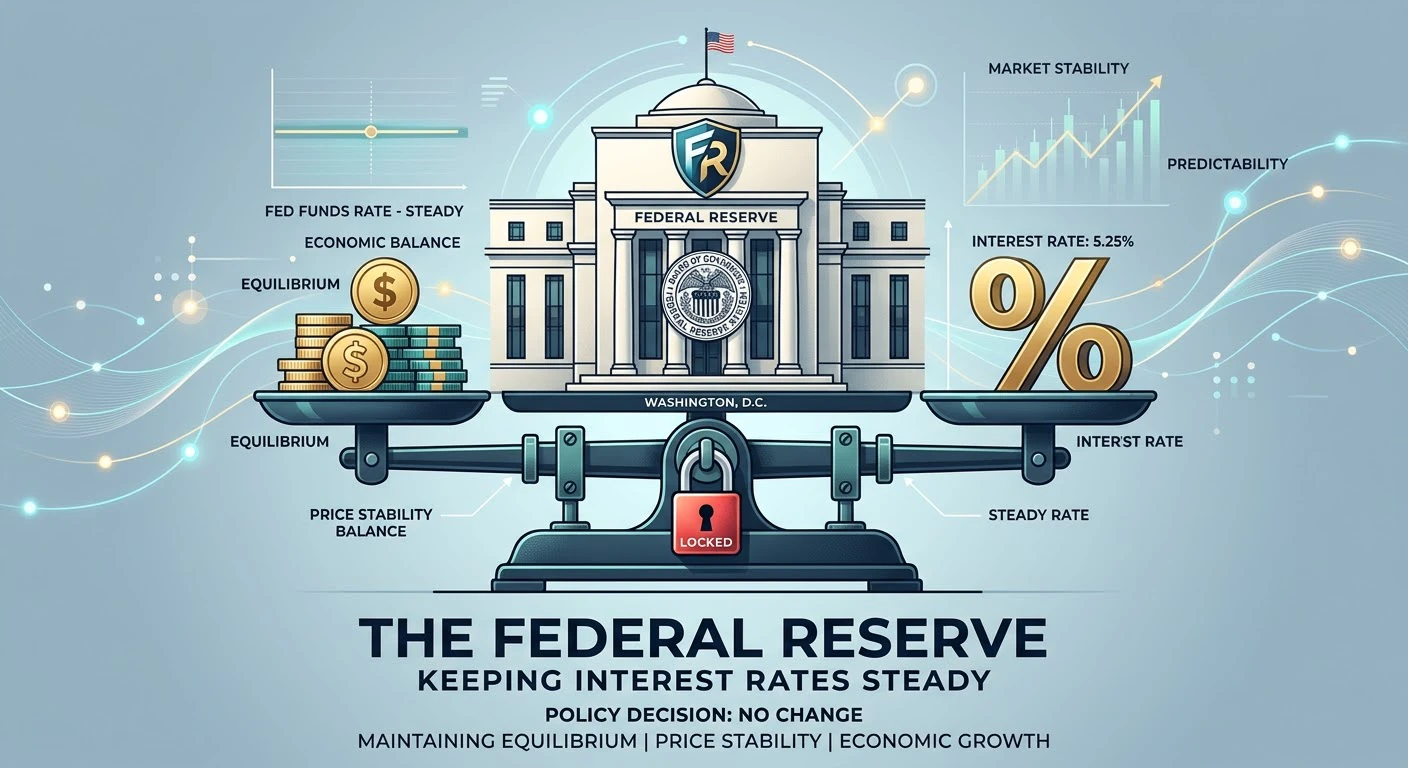
#FedKeepsRatesSteady
The US Federal Reserve’s Federal Open Market Committee delivered a widely anticipated decision on October 28, 2026, maintaining the target range for the federal funds rate at 3.75% to 4.00%. This was a 10-2 vote, with Governors Lisa D. Cook and Cleveland Fed President Beth M. Hammack dissenting in favor of a 25-basis-point increase.
The statement described economic activity as expanding at a “strong pace,” noted resilient domestic spending despite elevated geopolitical uncertainty, strong productivity and capital investment, steady job gains, and little change in the unem
CryptoEye
#FedKeepsRatesSteady
The US Federal Reserve’s Federal Open Market Committee delivered a widely anticipated decision on October 28, 2026, maintaining the target range for the federal funds rate at 3.75% to 4.00%. This was a 10-2 vote, with Governors Lisa D. Cook and Cleveland Fed President Beth M. Hammack dissenting in favor of a 25-basis-point increase.
The statement described economic activity as expanding at a “strong pace,” noted resilient domestic spending despite elevated geopolitical uncertainty, strong productivity and capital investment, steady job gains, and little change in the unemployment rate. Inflation, however, “remains elevated.” The Committee emphasized that the accumulation of more information will guide the appropriate policy stance to return inflation to the 2% goal in a timely manner, and reaffirmed its commitment to delivering price stability
This hold comes after the first rate hike since 2023, implemented in September. Markets had largely priced in a pause, yet the tone and the two dissents kept the door open for further tightening. Traders immediately began focusing on the December meeting, with CME FedWatch probabilities for a quarter-point hike hovering near 78-80% in the days following the announcement. The decision was framed as data-dependent rather than on a preset path, leaving investors to parse upcoming inflation readings, growth data, and geopolitical developments for clues
Bitcoin’s reaction illustrated the classic post-FOMC volatility pattern. In the hours after the 2:00 p.m. EDT statement, BTC briefly climbed above $81,000, touching levels near $81,700–$81,800 from pre-announcement prices around $80,800. That initial bounce proved short-lived. Overnight and into the following sessions, the price gave back the gains and more. By October 29–30, Bitcoin traded in the $77,000–$80,000 range, with prints near $78,000–$79,000 and daily declines of roughly 1–4% in successive sessions. Relative to its October 2025 all-time high near $126,000, the asset remained approximately 35–38% lower. Over the prior 30 days the move was down around 5–7.5%, reflecting a market already adjusting to higher-for-longer policy expectations and risk-off pressure
The immediate softness in Bitcoin after the hold is consistent with historical patterns after rate decisions that signal continued vigilance on inflation. When policy remains restrictive or the path leans toward further tightening, liquidity-sensitive assets like crypto often face headwinds as the risk-free rate near 4% competes for capital and as higher yields pressure valuations.
Spot Bitcoin ETF flows provided some cushion on certain days with net inflows in the $100–$170 million range, yet overall market structure showed leveraged positions being cleaned out during the pullback, amplifying short-term downside.
Geopolitical tension, particularly ongoing developments involving Iran, has been an important concurrent driver. Energy-price spikes linked to regional uncertainty have reinforced the elevated-inflation narrative that the Fed is watching closely. Higher oil prices feed into broader price pressures, reducing the likelihood of near-term easing and supporting the case for tighter financial conditions. Bitcoin has shown sensitivity to these headlines: escalation rhetoric has frequently produced 2–5% intraday declines, while de-escalation or deal speculation has sparked temporary rebounds. In the current environment the combination of a hawkish-leaning hold and persistent geopolitical risk has contributed to the post-FOMC dip, as investors reassess the growth-inflation trade-off and the durability of risk appetite
Ethereum has tracked Bitcoin’s direction with comparable or slightly larger percentage moves in the same window, remaining dependent on the same macro forces and on any shift in Fed signaling. Broader crypto market capitalization held near the $1.55–$1.6 trillion area, with daily volumes elevated during the volatility, indicating active repositioning rather than pure capitulation
Gold reacted to the same set of forces with its own volatility. Spot prices fluctuated around the $4,000–$4,070 zone in the immediate aftermath, posting modest session declines of 0.4–0.9% on some days as yields and the dollar adjusted. Gold remains sensitive to real yields and dollar strength; a more cautious Fed tone that softens the dollar can provide support, while elevated inflation readings or stronger growth data that keep rates higher for longer can cap upside. The metal continues to serve as a portfolio diversifier amid geopolitical uncertainty, yet short-term price action has been mixed rather than decisively directional.
The US dollar index showed relative steadiness after an initial reaction, hovering near the 102 area. A cautious or data-dependent statement can limit further dollar strength, while any upward revision in rate-hike probabilities tends to support the greenback. Bond yields experienced swings: the 10-year Treasury yield moved around the 5% level, with brief rises on the hawkish elements of the decision and subsequent moderation as markets digested Chair Kevin Warsh’s comments emphasizing readiness to act without locking in a December move. These yield and dollar dynamics feed directly into gold and crypto pricing
Equity markets responded with a focus on the forward path rather than the hold itself. Investors weighed the upgraded growth assessment against still-elevated inflation and the possibility of additional tightening. Technology and growth-oriented segments, which are more sensitive to discount rates, showed particular attention to the probability of a December hike. Overall risk sentiment remained cautious, with crypto often amplifying the equity moves in both directions
The central takeaway is that an unchanged rate decision is only part of the story. The language around inflation remaining elevated, the need for more data, the two dissents favoring a hike, and the explicit commitment to price stability matter more for market pricing than the level of the federal funds rate alone. Markets are now looking through to the next several months: whether upcoming inflation and activity data will support another move higher, or whether growth resilience without accelerating price pressures will allow a longer pause. Probability markets continue to assign a meaningful chance of further tightening before year-end
From a trading perspective centered on Bitcoin and the FOMC hold, the environment favors disciplined, risk-managed approaches rather than aggressive directional bets. Volatility is elevated in the days surrounding the decision and tends to persist as data arrives. Potential entry considerations for longer-term or swing positions could include watching for stabilization after the post-decision flush, particularly if prices hold above key psychological or recent swing levels near $76,000–$78,000 while monitoring volume and ETF flow trends. Short-term traders may look for mean-reversion opportunities after oversized moves, always defining risk with clear stop levels given the potential for further geopolitical or data-driven swings. Position sizing should remain conservative while the December meeting and intermediate inflation prints remain unresolved. A neutral-to-cautious bias is warranted until clearer evidence emerges that policy is no longer leaning restrictive or that geopolitical energy risks are abating.
Overall, the October hold leaves the market in a classic “wait-and-see” posture. Bitcoin and risk assets have priced in the pause but remain sensitive to any shift that raises the odds of additional hikes or prolongs higher-for-longer conditions. Gold and the dollar will continue to respond to real yields and growth-inflation data. Equity investors will trade the evolving probability of future cuts or hikes. The decisive variables in the coming weeks will be the incoming economic data, the evolution of geopolitical risks that influence energy prices, and any additional guidance from Fed officials. Patience, defined risk, and attention to the forward-looking signals rather than the current rate level alone remain the most practical approach for navigating this phase
#FedKeepsRatesSteady
repost-content-media
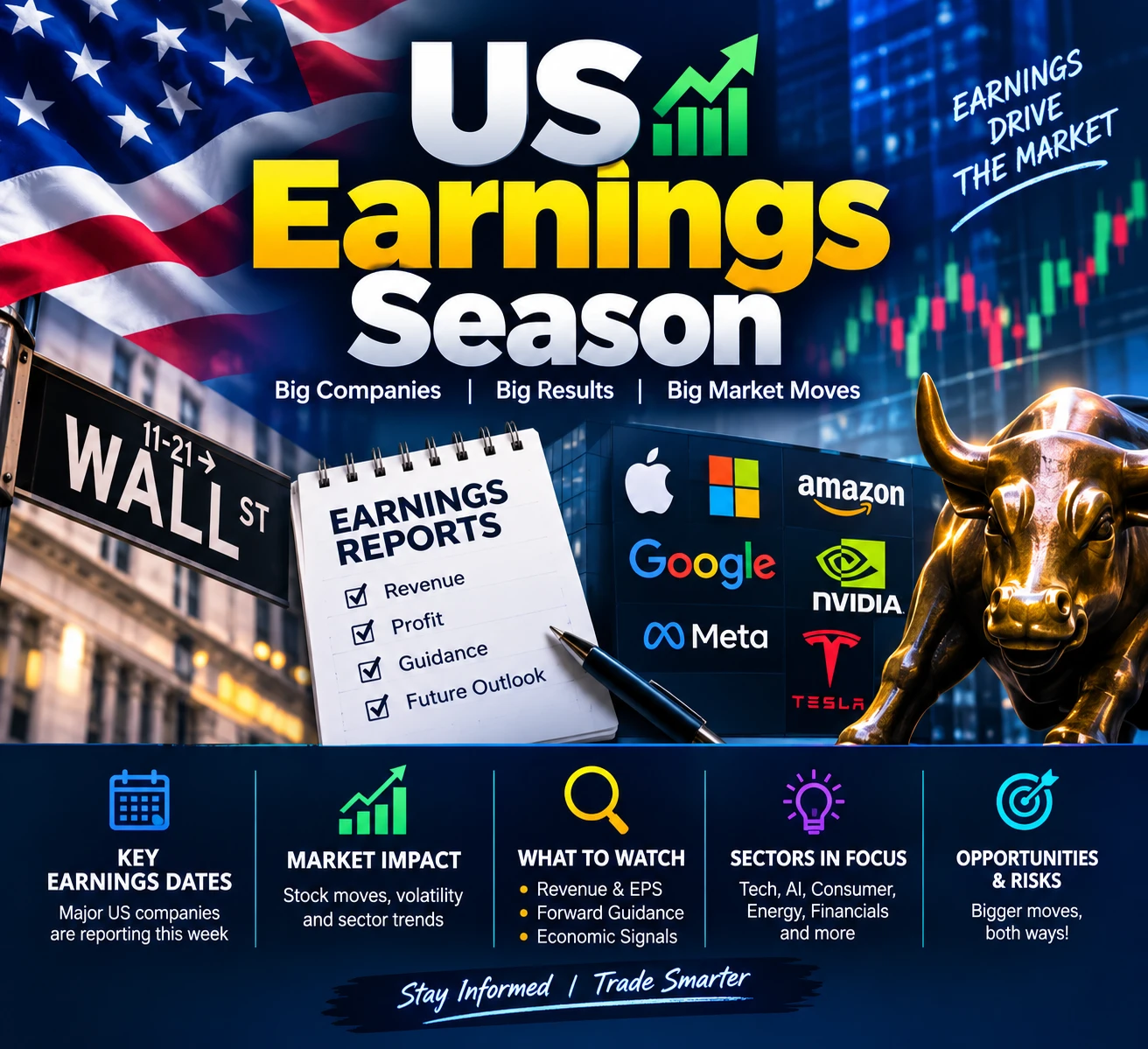
#USEarningsSeason
Wall Street's Biggest Test: Can Corporate Profits Sustain the Market Rally?
The US earnings season is entering a crucial phase, bringing fresh opportunities and uncertainty to global financial markets. Investors are closely examining quarterly reports from America's largest corporations to determine whether strong market valuations are supported by genuine business growth, rising profits, and sustainable future demand.
This earnings season is particularly important because artificial intelligence, technology investments, interest rates, inflation, and corporate spending are
CryptoEye
#USEarningsSeason
Wall Street's Biggest Test: Can Corporate Profits Sustain the Market Rally?
The US earnings season is entering a crucial phase, bringing fresh opportunities and uncertainty to global financial markets. Investors are closely examining quarterly reports from America's largest corporations to determine whether strong market valuations are supported by genuine business growth, rising profits, and sustainable future demand.
This earnings season is particularly important because artificial intelligence, technology investments, interest rates, inflation, and corporate spending are shaping the direction of the global economy.
1. Big Tech Earnings Are Driving Market Sentiment
The Magnificent Seven remain at the center of investor attention: Microsoft, Alphabet, Amazon, Apple, Meta, Tesla, and Nvidia.
Several major companies have already reported their third-quarter results.
Meta reported revenue of $64.60 billion, representing 26% year-over-year growth. However, its operating income declined 37%, partly because of a significant legal settlement charge.
Amazon delivered particularly strong operating performance. Its third-quarter revenue reached $201.9 billion, up 12%, while AWS revenue surged 39% to $46 billion. Operating income increased to $28.1 billion.
These results highlight the continued strength of cloud computing and AI-related demand, but they also raise questions about the cost of maintaining that growth.
2. Artificial Intelligence Is the Biggest Market Catalyst
AI remains one of the most important investment themes of 2026.
Microsoft, Alphabet, Amazon, Meta, and Nvidia are investing heavily in data centers, advanced chips, cloud infrastructure, and AI platforms.
However, investors are no longer satisfied with announcements about massive AI investments. They want measurable returns, stronger revenue, improved productivity, and sustainable profit margins.
The next major developments from Apple and Nvidia will be especially important. Apple is scheduled to report on November 2, while Nvidia's next earnings announcement is expected in November.
3. What Should Investors Watch?
There are five important indicators:
• Revenue growth: Are companies generating more business?
• Earnings per share (EPS): Are profits increasing?
• Forward guidance: What are management teams expecting for the coming quarters?
• AI capital expenditure: Are investments producing sufficient returns?
• Free cash flow: Can companies finance expansion without creating excessive financial pressure?
These indicators can reveal whether the current stock market valuations are justified.
4. How Could Earnings Season Affect Crypto Markets?
US stock markets and cryptocurrency markets are increasingly connected through institutional investment, liquidity, and overall risk sentiment.
Stronger corporate earnings could improve investor confidence, support technology stocks, and potentially encourage greater demand for risk-sensitive assets such as Bitcoin and Ethereum.
On the other hand, disappointing earnings, excessive AI spending, or weaker economic guidance could trigger stock market volatility and increase short-term selling pressure across crypto markets.
However, crypto prices also depend on independent factors, including Federal Reserve policy, ETF flows, regulatory developments, and institutional demand.
5. My Market Prediction
My outlook is cautiously optimistic, but selective.
If major technology companies demonstrate strong revenue growth, healthy profit margins, and convincing AI monetization, the broader equity market could receive another positive catalyst.
However, if earnings disappoint or management guidance signals rising costs and weaker demand, investors may take profits and trigger short-term corrections.
The coming reports from Apple and Nvidia will be particularly important for understanding the next phase of the technology rally.
Final Thoughts
The US earnings season is more than a collection of quarterly financial reports. It is a real-time test of corporate strength, economic resilience, and the future of artificial intelligence.
For traders, the smartest strategy is to follow actual financial performance rather than market hype. Opportunities exist, but risk management remains essential.
Strong Earnings, Clear Guidance, and Sustainable Growth Will Determine the Market's Next Direction.
#USEarningsSeason #USStocks
repost-content-media
MSFT-1.60%
AMZN-1.55%
AAPL-1.18%
TSLA-0.85%
NVDA-4.16%
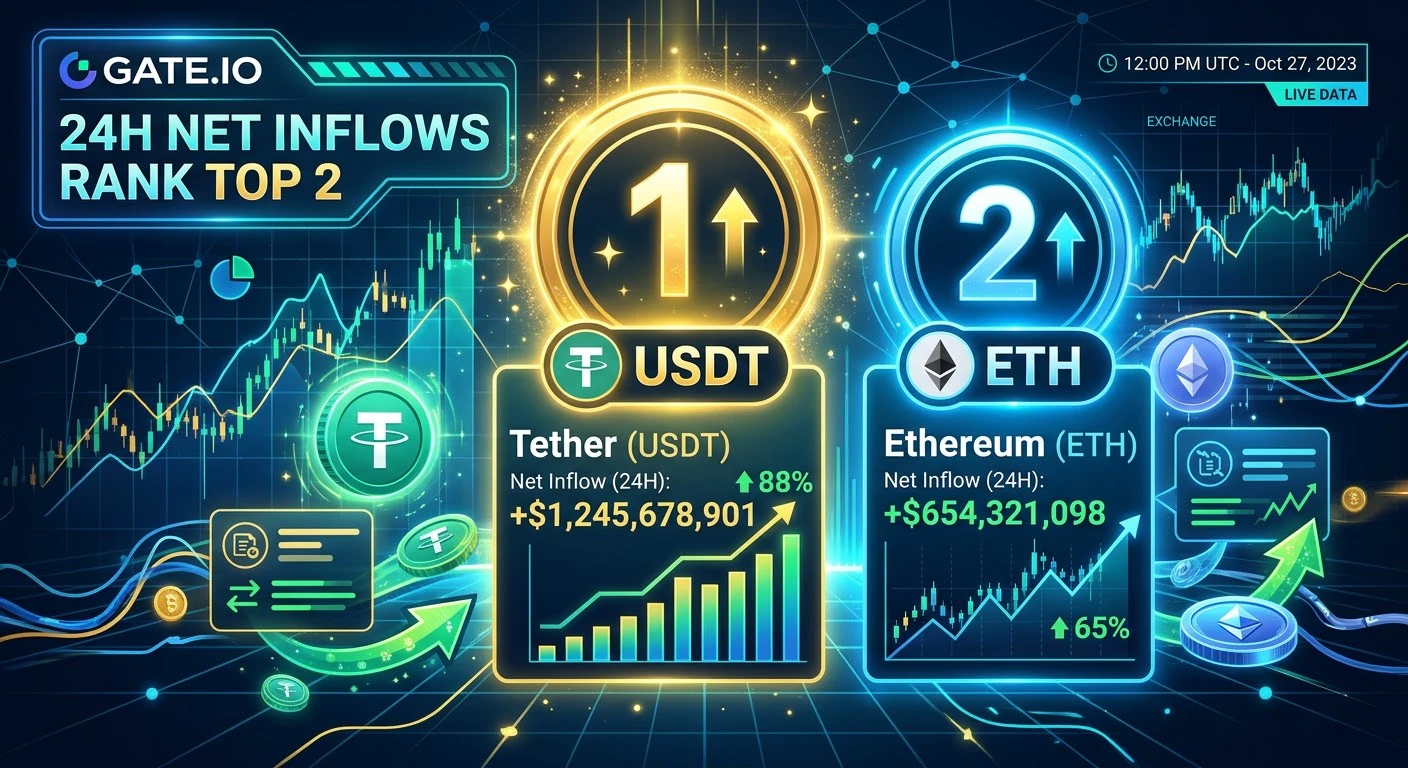
#Gate24HNetInflowsRankTop2 #ShareWeekly
Building a global exchange requires years of development, technological investment, user confidence, market understanding, and the ability to adapt to an industry that never stops changing.
This is why I believe Gate deserves genuine appreciation.
Founded in 2013, Gate has spent more than a decade developing its position in the digital asset industry. During this journey, the cryptocurrency market has experienced major transformations, intense competition, market corrections, technological breakthroughs, and changing investor expectations. Through these
CryptoEye
#Gate24HNetInflowsRankTop2 #ShareWeekly
Building a global exchange requires years of development, technological investment, user confidence, market understanding, and the ability to adapt to an industry that never stops changing.
This is why I believe Gate deserves genuine appreciation.
Founded in 2013, Gate has spent more than a decade developing its position in the digital asset industry. During this journey, the cryptocurrency market has experienced major transformations, intense competition, market corrections, technological breakthroughs, and changing investor expectations. Through these developments, Gate has continued expanding its services and building a broader financial ecosystem.
For me, the most impressive thing about Gate is its ambition. It is not simply trying to remain an exchange for buying and selling cryptocurrencies. It is working toward becoming a more comprehensive destination for digital finance.
1. More Than a Decade of Industry Experience
Experience is extremely valuable in financial technology.
Since 2013, Gate has witnessed the evolution of cryptocurrency from a relatively small market into a global financial industry.
Building a platform over such a long period requires continuous improvement. Technology changes, security expectations become stronger, and users demand better services.
Gate's long operating history demonstrates its continued participation in this competitive environment.
I particularly appreciate the importance of consistency. A successful platform must keep improving instead of depending entirely on its previous achievements.
Gate's development over more than a decade makes its journey worth recognizing.
2. An Impressive Selection of Digital Assets
One of Gate's major strengths is its extensive cryptocurrency selection.
According to previously shared platform figures, Gate supports more than 5,300 digital assets.
This gives users access to a wide range of opportunities across the cryptocurrency ecosystem.
Bitcoin and Ethereum remain important assets, but the industry also includes blockchain infrastructure, decentralized finance, artificial intelligence projects, gaming ecosystems, and emerging technologies.
A broad asset selection allows users to explore different sectors from one platform.
I appreciate that Gate recognizes how quickly this industry evolves. New projects and technologies continue emerging, and users increasingly want access to different parts of the market.
Providing variety is an important advantage in a competitive exchange environment.
3. Capital Inflows Reflect Interesting Market Activity
Another development worth highlighting is Gate's recent capital movement.
According to the DefiLlama data shared, Gate recorded approximately $57.97 million in net inflows over 24 hours, ranking second among centralized exchanges globally.
This is a notable figure.
Exchange inflows do not automatically mean that every incoming dollar will be used to purchase cryptocurrencies. Some funds may be allocated to trading, portfolio adjustments, stablecoin holdings, or other activities.
However, this level of capital movement makes Gate's position in the broader exchange market particularly interesting.
For me, the important point is that capital activity deserves attention alongside trading volume, liquidity, and market participation.
Gate's reported ranking is another reason to recognize its growing presence.
4. Security and Transparency Deserve Attention
Trust is one of the most important elements of a financial platform.
Users need confidence that an exchange takes security seriously and provides meaningful information about its reserves.
Gate's Proof of Reserves initiatives are an important part of its transparency efforts.
Previously shared figures reported approximately $8.688 billion in reserves, a reserve ratio of 118.49%, and coverage across 500 assets.
These figures are snapshots and should be understood according to the reporting methodology and assets covered.
Nevertheless, I appreciate the importance of making reserve information available for users to examine.
Transparency should be an ongoing commitment.
An exchange's reputation is strengthened when it continues improving its security practices and providing users with greater visibility into its financial position.
5. A Growing Financial Ecosystem
Gate's development goes beyond traditional cryptocurrency trading.
The platform offers different financial products, including spot trading, futures, and ETFs.
According to previously shared platform information, its broader product ecosystem also includes access to more than 12,800 stocks and ETFs.
This expansion is interesting because the future of financial markets is becoming increasingly interconnected.
Investors are no longer interested in only one type of asset. They want to explore different markets, understand changing opportunities, and manage their financial activities more conveniently.
Gate's broader product development reflects this changing demand.
I believe that exchanges capable of bringing different financial services together will have an important role in the future of digital finance.
6. GT: An Important Part of Gate's Identity
GT is another important element of the Gate ecosystem.
A native platform token can connect different aspects of an exchange's development, including ecosystem participation, utility, and token economics.
Gate has also reported ongoing GT burning activity.
Previously shared Q3 figures indicated a burn of approximately 1,987,321 GT, bringing cumulative reported burns to around 191.93 million GT.
This is an interesting development to monitor.
Token burns can affect circulating supply, but they do not guarantee an increase in market price.
Actual demand, token utility, market conditions, and ecosystem development remain important factors.
What I appreciate is the attention given to GT as part of the broader Gate ecosystem.
7. Innovation Is What Keeps an Exchange Competitive
The cryptocurrency industry does not stand still.
New technologies, trading strategies, financial products, and blockchain applications continuously change the market.
An exchange that wants to remain competitive must understand these developments and respond with useful improvements.
Gate's expanding ecosystem demonstrates its willingness to participate in this evolution.
I believe innovation should not simply mean introducing more products. It should also mean improving the overall user experience, making services more accessible, strengthening platform infrastructure, and providing useful tools for different types of market participants.
This is where long-term development becomes more important than short-term attention.
8. A Platform for Different Market Participants
Every cryptocurrency user has different objectives.
Long-term investors may focus on Bitcoin and established digital assets.
Active traders may prioritize liquidity, execution, and market analysis.
Other users may be interested in emerging blockchain projects, new financial products, or portfolio diversification.
Gate's broad ecosystem provides different ways for users to explore the market.
This variety is one of its strongest characteristics.
I also believe responsible trading education is important. Futures and leveraged products carry substantial risks, and users should understand those risks before participating.
A good platform should offer choices while encouraging informed decisions.
9. My Personal View on Gate's Future
Personally, I believe Gate's biggest strength is its willingness to develop beyond its original exchange identity.
Its history since 2013, extensive digital asset selection, financial products, GT ecosystem, transparency initiatives, and global market presence demonstrate a broad development strategy.
The reported $57.97 million in net inflows adds another interesting point to this story.
However, I would not judge the platform's long-term success through one day's capital movement.
I would pay more attention to continued product development, liquidity, security improvements, user experience, transparency, and the platform's ability to adapt to future financial technologies.
These are the areas that can help establish a stronger position over time.
The next stage of competition among exchanges will not be decided by asset listings alone. It will involve the complete experience that platforms provide.
Gate has an opportunity to continue strengthening its position through these areas.
10. Why I Appreciate Gate
There are several reasons behind my positive opinion:
More than a decade of industry experience since 2013.
An extensive selection of over 5,300 digital assets.
A broader ecosystem covering multiple financial products.
Continued attention to Proof of Reserves and transparency.
Development of the GT ecosystem and reported token burns.
Significant reported capital inflows and global exchange activity.
Continuous efforts to expand its presence in digital finance.
Each of these factors represents a different part of Gate's development.
Together, they explain why Gate remains an interesting name in the cryptocurrency industry.
Final Thoughts
The cryptocurrency industry rewards platforms that continue learning, adapting, and improving.
Gate's journey since 2013 deserves recognition because building a strong presence in this industry requires more than a good trading interface. It requires long-term vision, technology, infrastructure, product development, and a commitment to serving an evolving market.
I appreciate Gate not simply because of its market ranking or reported capital inflows, but because of the broader ecosystem it continues building.
For me, the most important measure of an exchange is not how much attention it receives today, but how effectively it prepares for tomorrow.
Gate represents experience, ambition, and continuous development in digital finance. Its journey is a reminder that long-term progress comes from consistently building, improving, and innovating.
My expectation is to see Gate continue expanding its ecosystem and strengthening its position in the global digital asset industry.
#Gate24HNetInflowsRankTop2
repost-content-media
#BTC跌至7.7万美元 #每周来晒
#BTCDropsToward77000
This Bitcoin sell-off looks more like volatility and bottom-building after a leverage flush than a complete trend reversal. $77,000 offers support, but a bottom usually requires the price to regain and hold ground, with buyers continuing to step in.
Why did it fall this time
· Macro headwinds: The Fed kept interest rates unchanged, but its policy stance was hawkish, and expectations of high rates weighed on tech stocks and crypto assets.
· Fund outflows: U.S. spot Bitcoin ETFs saw combined outflows of about $774 million over the preceding two days, fol
CryptoEye
#BTC跌至7.7万美元 #每周来晒
#BTCDropsToward77000
This Bitcoin sell-off looks more like volatility and bottom-building after a leverage flush than a complete trend reversal. $77,000 offers support, but a bottom usually requires the price to regain and hold ground, with buyers continuing to step in.
Why did it fall this time
· Macro headwinds: The Fed kept interest rates unchanged, but its policy stance was hawkish, and expectations of high rates weighed on tech stocks and crypto assets.
· Fund outflows: U.S. spot Bitcoin ETFs saw combined outflows of about $774 million over the preceding two days, followed by inflows of only about $424 million over the next three days, which did not make up for the shortfall.
· Leverage liquidation cascade: Crypto contract liquidations totaled about $356 million on Oct 29, including about $205 million in long positions. The price drop triggered liquidations, which in turn pushed prices lower.
· Industry news: bn-related security concerns sparked withdrawal fears, further dampening risk appetite. Does $77,000 count as a bottom? There is indeed buying support around $77,000. The average cost basis of recent buyers is about $75,800, and there is also some spot buying in the $78,000-$79,000 range. But support is not an ironclad floor.
After losing $80,000, it has become a short-term resistance level; the price needs to reclaim and hold it to show that selling pressure has eased.
What to watch next
· First, $80,000: Reclaiming it and holding on a retest would indicate a recovery by the bulls.
· Next, ETF flows: Support will be more solid if there are consecutive net inflows that are no longer offset by spot selling.
· Watch leverage: A decline in open interest and a slowdown in liquidations would indicate weakening selling momentum.
· Watch trading volume: A drop in volume during a sharp decline may just be a pause; a high-volume halt to the decline is more meaningful.
My view: $77,000 is worth watching, but it should not be treated as a bottom to buy blindly. A safer time would be after the price moves back above $80,000 and completes a retest confirmation. If it falls below $77,000 again, the next support would shift to around $76,000.
#BTCDropsToward77000
repost-content-media
BTC-0.67%
#BTC大跌 #BTC跌破77000美元
In mid-October, several analytics firms identified the area around $77,000 as a key support level: it is a dense cost-basis zone for a substantial portion of Bitcoin’s supply, as well as the level of active investors’ average purchase price (the “True Market Mean”).
Around $74,000 is the cost basis for short-term holders, while around $72,000 is the 200-day moving average. On October 9, when Bitcoin was still above $82,000, prediction markets showed that the market saw roughly a 40% chance of Bitcoin falling to $77,500 in October.
A week earlier, analysts had warned that
BTC-0.67%
  • 1
  • 1
market price
live-replay-cover
197 views10-31 08:49
00:33:25
Morning market update
live-replay-cover
911 views10-31 06:27
01:05:53
🔥 What are we talking about today? Gate Square trending topics have been updated!
🔹 #BTC falls to $77,000
With $80,000 breached, is this a deep correction, or has the trend started to weaken?
🔹 #Intel earnings beat expectations, but shares plunged
Despite solid earnings, the stock plunged about 23% at one point. Is the market worried about guidance, cash flow, or AI competitiveness?
🔹 #HYPE rallies against the market
While the broader market declines, $HYPE is bucking the trend. Is this rally driven by fundamentals, or new expectations for “compliant perpetuals”?
Quality content can recei
post-image
GateSquare
🔥 What are we talking about today? Gate Square trending topics have been updated!
🔹 #BTC falls to $77,000
With $80,000 breached, is this a deep correction, or has the trend started to weaken?
🔹 #Intel earnings beat expectations, but shares plunged
Despite solid earnings, the stock plunged about 23% at one point. Is the market worried about guidance, cash flow, or AI competitiveness?
🔹 #HYPE rallies against the market
While the broader market declines, $HYPE is bucking the trend. Is this rally driven by fundamentals, or new expectations for “compliant perpetuals”?
Quality content can receive traffic support + featured recommendations.
💰 Got a take? Join the conversation:
https://www.gate.com/post/topic
repost-content-media
BTC-0.67%
INTC-28.49%
HYPE+0.33%
  • 1
#GoogleCloudSurges103%ButStockFalls
#ShareWeekly
That is exactly what happened with Alphabet this week. Google Cloud grew its revenue by 103% year over year in the third quarter of 2026, reaching 30.7 billion dollars, and that marked a clear acceleration from the 82% growth it delivered just one quarter earlier. These are spectacular numbers by any standard. Cloud revenue more than doubled, the segment's operating margin jumped to 36.2% from 23.7% a year ago, and Alphabet's overall revenue rose 25% to 127.6 billion dollars while operating income climbed 30% to 40.6 billion with operating mar
  • 2
#GoogleCloudSurges103%ButStockFalls
Google Cloud Revenue Explodes 103%, Yet Alphabet Stock Plunges — What Is Wall Street Really Worried About?
The latest quarterly results from Google’s parent company, Alphabet, have delivered one of the most interesting surprises in the technology market. Google Cloud revenue surged an impressive 103% year-over-year in Q3 2026, reaching approximately $30.71 billion. However, instead of celebrating this extraordinary growth, investors reacted negatively, sending Alphabet shares sharply lower.
This situation highlights an important reality in today's financial
GOOGL-1.32%
MSFT-1.60%
AMZN-1.55%
  • 2
#HYPERalliesAgainstTheMarket
: The Power of Hyperliquid When the Crypto Market Turns Red!
The cryptocurrency market is experiencing significant selling pressure, with Bitcoin and Ethereum struggling to maintain their support levels. However, one project is attracting extraordinary attention by moving against the broader market trend: Hyperliquid (HYPE).
This performance is more than just another price movement. It highlights the growing importance of decentralized trading infrastructure and the potential of projects with strong market activity.
What Is Driving HYPE's Rally?
One of the biggest
HYPE+0.24%
BTC-0.67%
ETH-1.26%
XYZ-0.88%
  • 2
Load More