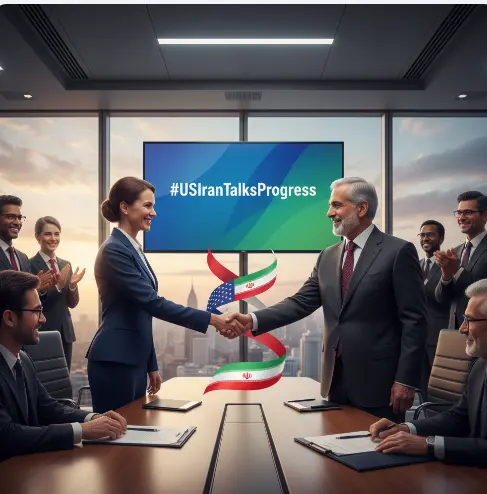



The latest developments under the #USIranTalksProgress narrative represent not only diplomatic engagement between two nations, but also a multi-layered process shaping global energy balances, geopolitical risk perception, and financial markets. As of April 2026, US–Iran relations have evolved into a hybrid strategy caught between traditional diplomacy and controlled tension.
Diplomatic Process: Ceasefire Without Trust
Recent developments indicate that both sides aim to avoid direct conflict, yet neither appears ready for a lasting agreement. The decision by the US President to extend the ceasefire reflects an effort to keep diplomatic channels open.
However, Iran has set clear conditions for continuing negotiations: Removal of the US naval blockade
Easing of economic sanctions
Recognition of its rights over its nuclear program
The most critical fault line between the parties remains a lack of trust. Iran accuses the US of violating ceasefire terms, while the US continues to view Iran’s regional activities and nuclear capacity as a threat.
Nuclear Negotiations: From Comprehensive Deal to Interim Understanding
In recent weeks, the direction of negotiations has shifted. Instead of pursuing a comprehensive agreement, both sides are now focusing on a temporary arrangement.
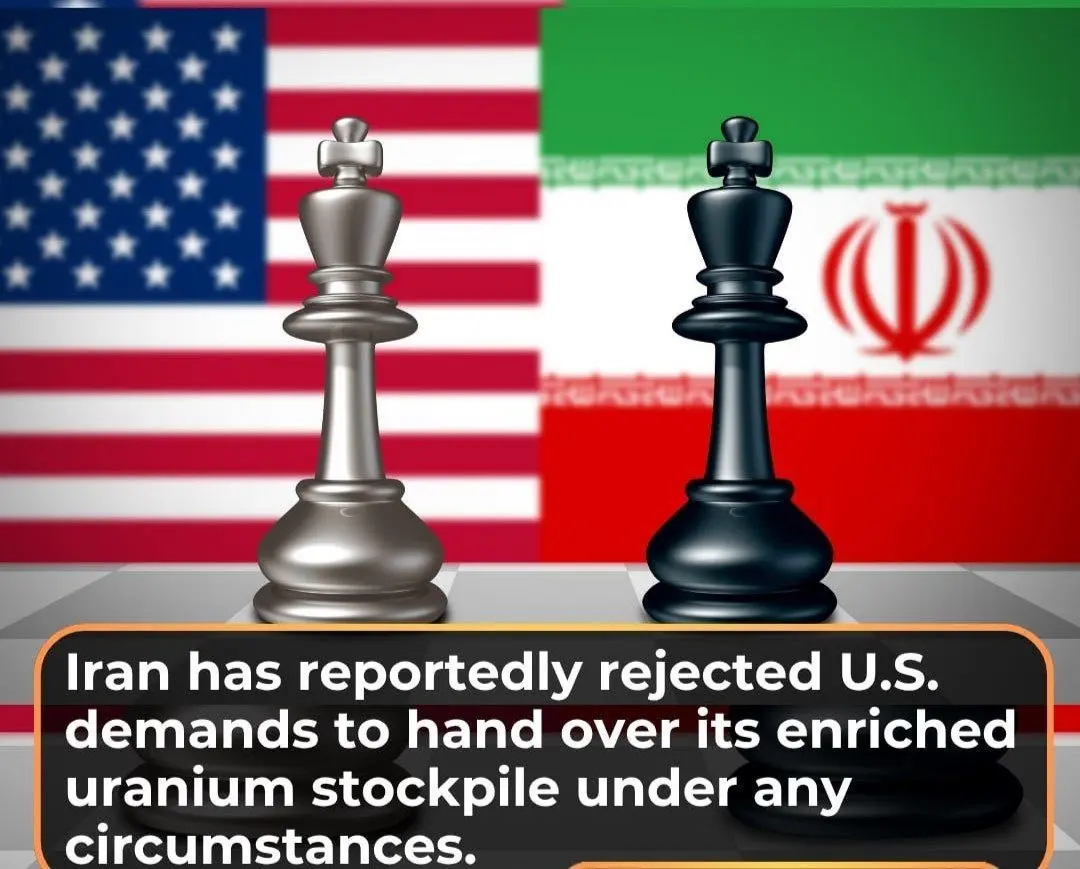
Key discussion points include: Limiting Iran’s stockpile of highly enriched uranium
Releasing frozen Iranian funds by the US, with figures reportedly reaching up to 20 billion dollars
A temporary moratorium on nuclear activities
This approach suggests both sides are pursuing a strategy of buying time. Rather than resolving the conflict permanently, a controlled balance aimed at delaying escalation is being constructed.
Strait of Hormuz: The Core of the Crisis
The most critical focal point of the crisis is the Strait of Hormuz, a passage through which approximately 20 percent of the world’s oil supply flows. It has become central to diplomatic bargaining.
Iran has clearly stated it will not reopen the strait unless the US lifts its blockade.
The US continues to maintain military pressure to preserve its negotiating leverage.
More than 200 tankers are reportedly stranded in the المنطقة.
The consequences are significant: Energy price volatility
Disruptions in global supply chains
Sharp increases in insurance and logistics costs
Economic and Geopolitical Impact
US–Iran negotiations are no longer a bilateral issue. Their global implications are extensive.
Oil and gas markets are directly affected
Energy security in Europe and Asia is at risk
Gulf countries face increasing economic pressure
The risk of a global recession is rising
At the same time, this process reflects a broader search for a new balance of power: China’s indirect role through energy trade
Mediation efforts by Pakistan, Türkiye, and Gulf states
Strategic Assessment: The Era of Controlled Chaos
The current situation can be summarized in one sentence:
There is neither full peace nor full war.
Both sides: Continue military pressure
Keep diplomatic channels open
Leverage economic tools to the fullest extent
This dynamic is commonly defined as controlled escalation.
Conclusion: What #USIranTalksProgress Really Signals
Although the hashtag suggests progress on the surface, it actually reflects a more complex reality:
Diplomacy continues but remains fragile
There is a ceasefire, but it is not sustainable
An agreement is possible, but the cost is high
In the short term: The likelihood of a temporary agreement is high
Volatility in energy markets will persist
In the medium term: A lasting solution will require both sides to step back from their maximum demands
Otherwise, the risks remain clear: Collapse of negotiations
A global crisis centered on the Strait of Hormuz
Renewed escalation into regional conflict
#GateSquare #CreatorCarnival #ContentMining