
#LiquidityMigration
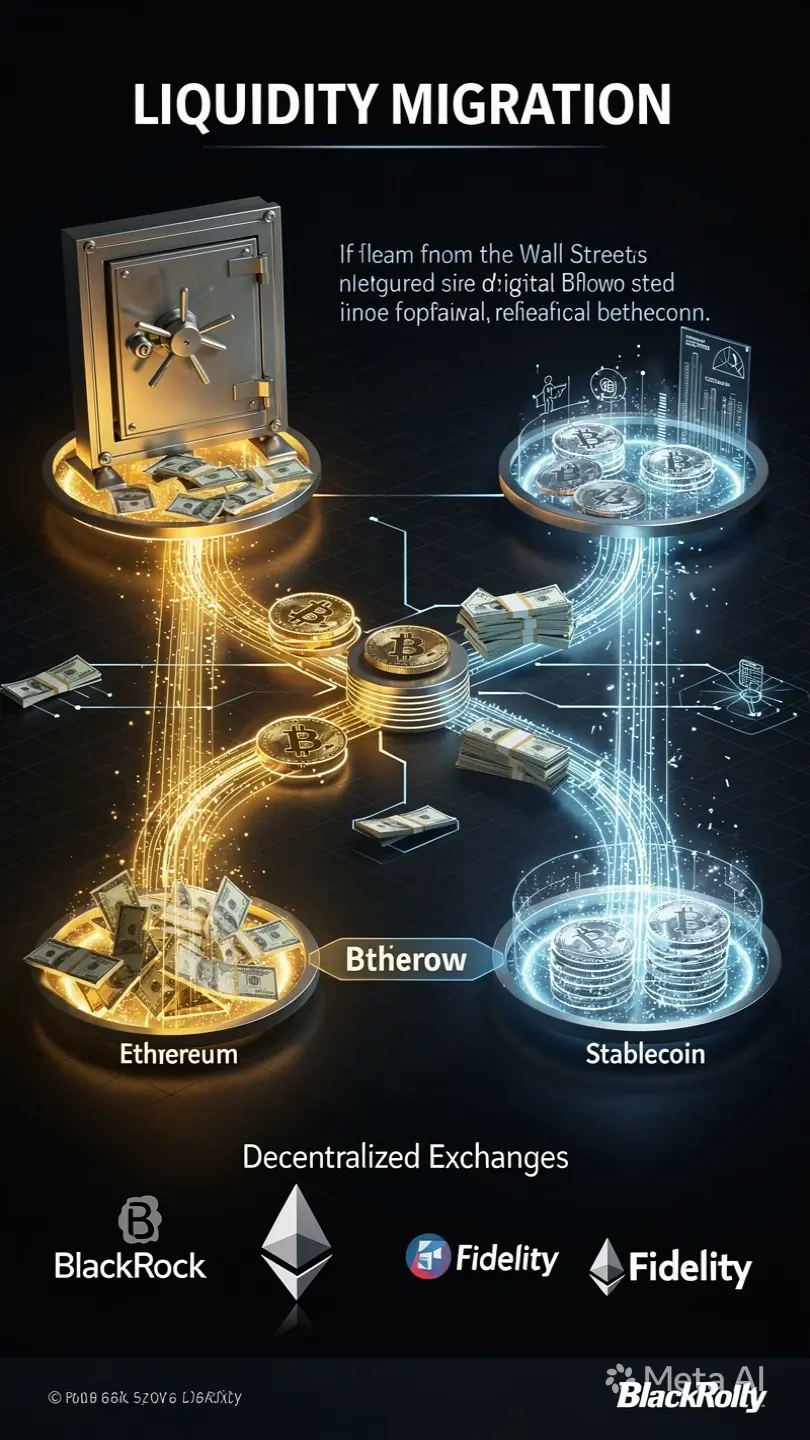
𝑻𝑯𝑬 𝑳𝑰𝑸𝑼𝑰𝑫𝑰𝑻𝒀 𝑴𝑰𝑮𝑹𝑨𝑻𝑰𝑶𝑵: 𝑾𝑯𝒀 𝑺𝑴𝑨𝑹𝑻 𝑪𝑨𝑷𝑰𝑻𝑨𝑳 𝑰𝑺 𝑭𝑶𝑳𝑳𝑶𝑾𝑰𝑵𝑮 𝑻𝑯𝑬 𝑭𝑳𝑶𝑾 𝑶𝑭 𝑴𝑶𝑵𝑬𝒀
Most investors spend their time searching for the next big asset.
Professional investors spend their time searching for where money is moving.
That distinction explains why liquidity has become one of the most important subjects in the digital asset market during 2026.
While headlines often focus on price movements, market narratives, and short-term volatility, experienced traders know that liquidity remains the foundation beneath every major trend. Assets do not rise simply because investors believe in a story. They rise because capital enters the market and creates sustained demand.
This is why many of the most sophisticated participants are currently focused on liquidity migration.
The concept is straightforward but powerful.
Capital rarely enters a market all at once. Instead, it tends to move in stages. Investors typically begin with the largest and most established assets before gradually expanding into adjacent sectors as confidence grows. This process creates a chain reaction that can influence the entire market structure.
Throughout 2026, analysts have observed increasing discussion around this phenomenon. As institutional participation expands and digital financial infrastructure continues to mature, investors are paying closer attention to where liquidity is accumulating and how it may spread across the ecosystem.
The reason is simple.
Liquidity often tells a story before prices do.
Professional traders understand that capital flow analysis provides insight into market behavior that cannot always be seen on a chart. When liquidity begins entering a sector consistently, it often reflects growing confidence, increasing participation, and improving long-term expectations.
These signals frequently emerge long before the broader market recognizes them.
What makes the current environment particularly fascinating is the number of forces contributing to liquidity expansion at the same time.
Institutional adoption continues to grow.
Stablecoin supply remains elevated.
Tokenized financial products are gaining attention.
Digital payment infrastructure is expanding.
Corporate treasury participation is increasing.
Each of these developments contributes to a larger pool of capital operating within the digital asset ecosystem.
Markets thrive on liquidity.
The greater the amount of capital available, the greater the potential for investment, innovation, and participation.
This relationship has remained true across every major financial market in history.
Investor psychology also plays a significant role.
When market participants observe capital entering a sector, confidence tends to strengthen. That confidence attracts additional participation, which creates further liquidity. Over time, this process can develop into a self-reinforcing cycle capable of supporting major market trends.
Experienced investors pay close attention to these feedback loops because they often reveal where momentum is building beneath the surface.
Another important aspect of liquidity migration is that it helps explain why different sectors perform differently during the same market environment. Capital does not move evenly. Some areas attract attention earlier. Others benefit later as investors search for additional opportunities.
Understanding this process can provide valuable context when evaluating market developments.
The biggest opportunities often emerge not where liquidity currently resides, but where it may move next.
For long-term investors, this remains one of the most important lessons of market history.
Technology matters.
Innovation matters.
Adoption matters.
Yet capital remains the force that ultimately transforms potential into reality.
As the digital asset industry continues evolving, liquidity migration is becoming one of the clearest indicators of market health and future direction. While headlines capture attention, capital flow often determines outcomes.
The investors who understand where liquidity is going may be the investors best prepared for what comes next.
𝑻𝑯𝑬 𝑳𝑰𝑸𝑼𝑰𝑫𝑰𝑻𝒀 𝑴𝑰𝑮𝑹𝑨𝑻𝑰𝑶𝑵: 𝑾𝑯𝒀 𝑺𝑴𝑨𝑹𝑻 𝑪𝑨𝑷𝑰𝑻𝑨𝑳 𝑰𝑺 𝑭𝑶𝑳𝑳𝑶𝑾𝑰𝑵𝑮 𝑻𝑯𝑬 𝑭𝑳𝑶𝑾 𝑶𝑭 𝑴𝑶𝑵𝑬𝒀
Most investors spend their time searching for the next big asset.
Professional investors spend their time searching for where money is moving.
That distinction explains why liquidity has become one of the most important subjects in the digital asset market during 2026.
While headlines often focus on price movements, market narratives, and short-term volatility, experienced traders know that liquidity remains the foundation beneath every major trend. Assets do not rise simply because investors believe in a story. They rise because capital enters the market and creates sustained demand.
This is why many of the most sophisticated participants are currently focused on liquidity migration.
The concept is straightforward but powerful.
Capital rarely enters a market all at once. Instead, it tends to move in stages. Investors typically begin with the largest and most established assets before gradually expanding into adjacent sectors as confidence grows. This process creates a chain reaction that can influence the entire market structure.
Throughout 2026, analysts have observed increasing discussion around this phenomenon. As institutional participation expands and digital financial infrastructure continues to mature, investors are paying closer attention to where liquidity is accumulating and how it may spread across the ecosystem.
The reason is simple.
Liquidity often tells a story before prices do.
Professional traders understand that capital flow analysis provides insight into market behavior that cannot always be seen on a chart. When liquidity begins entering a sector consistently, it often reflects growing confidence, increasing participation, and improving long-term expectations.
These signals frequently emerge long before the broader market recognizes them.
What makes the current environment particularly fascinating is the number of forces contributing to liquidity expansion at the same time.
Institutional adoption continues to grow.
Stablecoin supply remains elevated.
Tokenized financial products are gaining attention.
Digital payment infrastructure is expanding.
Corporate treasury participation is increasing.
Each of these developments contributes to a larger pool of capital operating within the digital asset ecosystem.
Markets thrive on liquidity.
The greater the amount of capital available, the greater the potential for investment, innovation, and participation.
This relationship has remained true across every major financial market in history.
Investor psychology also plays a significant role.
When market participants observe capital entering a sector, confidence tends to strengthen. That confidence attracts additional participation, which creates further liquidity. Over time, this process can develop into a self-reinforcing cycle capable of supporting major market trends.
Experienced investors pay close attention to these feedback loops because they often reveal where momentum is building beneath the surface.
Another important aspect of liquidity migration is that it helps explain why different sectors perform differently during the same market environment. Capital does not move evenly. Some areas attract attention earlier. Others benefit later as investors search for additional opportunities.
Understanding this process can provide valuable context when evaluating market developments.
The biggest opportunities often emerge not where liquidity currently resides, but where it may move next.
For long-term investors, this remains one of the most important lessons of market history.
Technology matters.
Innovation matters.
Adoption matters.
Yet capital remains the force that ultimately transforms potential into reality.
As the digital asset industry continues evolving, liquidity migration is becoming one of the clearest indicators of market health and future direction. While headlines capture attention, capital flow often determines outcomes.
The investors who understand where liquidity is going may be the investors best prepared for what comes next.