#6月3日,美國眾議院以215票對208票通過戰爭權力決議,要求川普停止對伊朗軍事行動,未經國會授權不得繼續作戰。4名共和黨議員與民主黨共同投下贊成票,係2月開戰以來首次。雖決議象徵意�� A historic vote unfolded on June 3, 2026, when the United States House of Representatives passed a war powers resolution directing President Donald Trump to seek congressional authorization before continuing military operations against Iran or withdraw U.S. forces entirely. The 215-to-208 vote marked the first successful war powers resolution concerning the Iran conflict since hostilities began in February, representing the clearest bipartisan rebuke of the president's handling of the war and its cascading economic consequences.
Four Republican lawmakers broke ranks with their party to join a unified Democratic caucus in support: Representatives Thomas Massie, Warren Davidson, Brian Fitzpatrick, and one additional GOP member whose district has been particularly impacted by the economic fallout. Fitzpatrick stated plainly after the vote, "We have to follow the law," referring to the 1973 War Powers Act that requires presidential military action to end within 60 days unless Congress authorizes continued engagement.
The conflict has now exceeded 90 days. This was the fourth time the House voted on such a resolution in 2026, and the first time it passed. The previous three attempts failed, with only Massie and Davidson supporting earlier versions. Republican leaders had actually postponed a scheduled May 21 vote at the last minute sending members home early for a recess after internal polling showed the resolution would likely pass.
This procedural maneuvering underscored how politically sensitive the issue had become within the GOP caucus, where growing war fatigue among constituents has pressured representatives to reconsider blanket support for the administration's military posture. Secretary of State Marco Rubio argued hours before the vote that the war had concluded and current strikes were "completely defensive," a claim the resolution's supporters rejected as inconsistent with ongoing military engagements and the continued deployment of U.S. forces.
The resolution now moves to the Senate, where Democrats have been gradually building support. Last month, a handful of Republican senators joined Democrats on a procedural measure advancing a similar war powers vote, signaling that Senate passage is increasingly plausible. However, even if both chambers approve, President Trump would almost certainly veto it, and his administration has publicly questioned the constitutionality of the War Powers Act itself. The market implications are substantial.
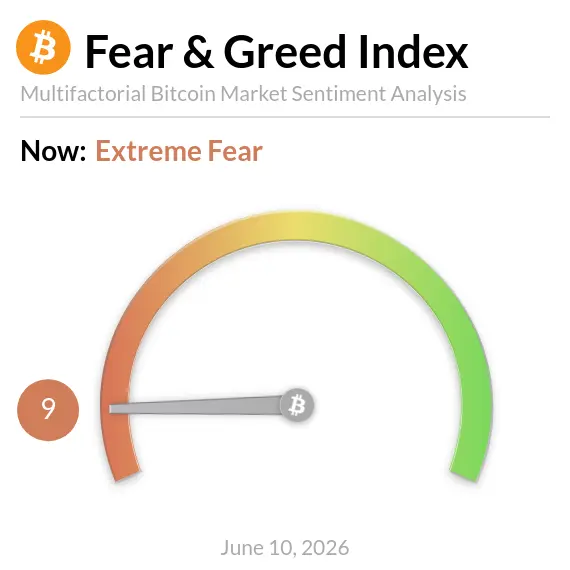
The Iran conflict has driven oil prices to elevated levels, disrupted shipping through the Strait of Hormuz, stoked inflation pressures that have kept the Federal Reserve in a hawkish stance, and contributed to Bitcoin's recent sell-off as risk appetite contracted across speculative assets. The House vote signals that congressional patience is eroding, and even a veto-proof coalition could eventually emerge if public opposition continues growing. For markets, the resolution's passage introduces a new variable: the possibility that legislative pressure could force a diplomatic resolution, which would reduce oil risk premiums and reshape inflation expectations.
The 215-208 tally is not just a political data point it is a signal that the bipartisan ceiling on war authorization is cracking, and the economic consequences of that crack will reverberate through energy markets, rate expectations, and risk asset pricing for the remainder of 2026.
#WarPowersResolution #HouseVote #IranWarPowers