One of the biggest misconceptions in crypto trading is believing every Moving Average crossover signals a new trend.
In reality, some of the most expensive losses happen during fake crossovers.
You've probably seen it before:
$BTC starts pumping.
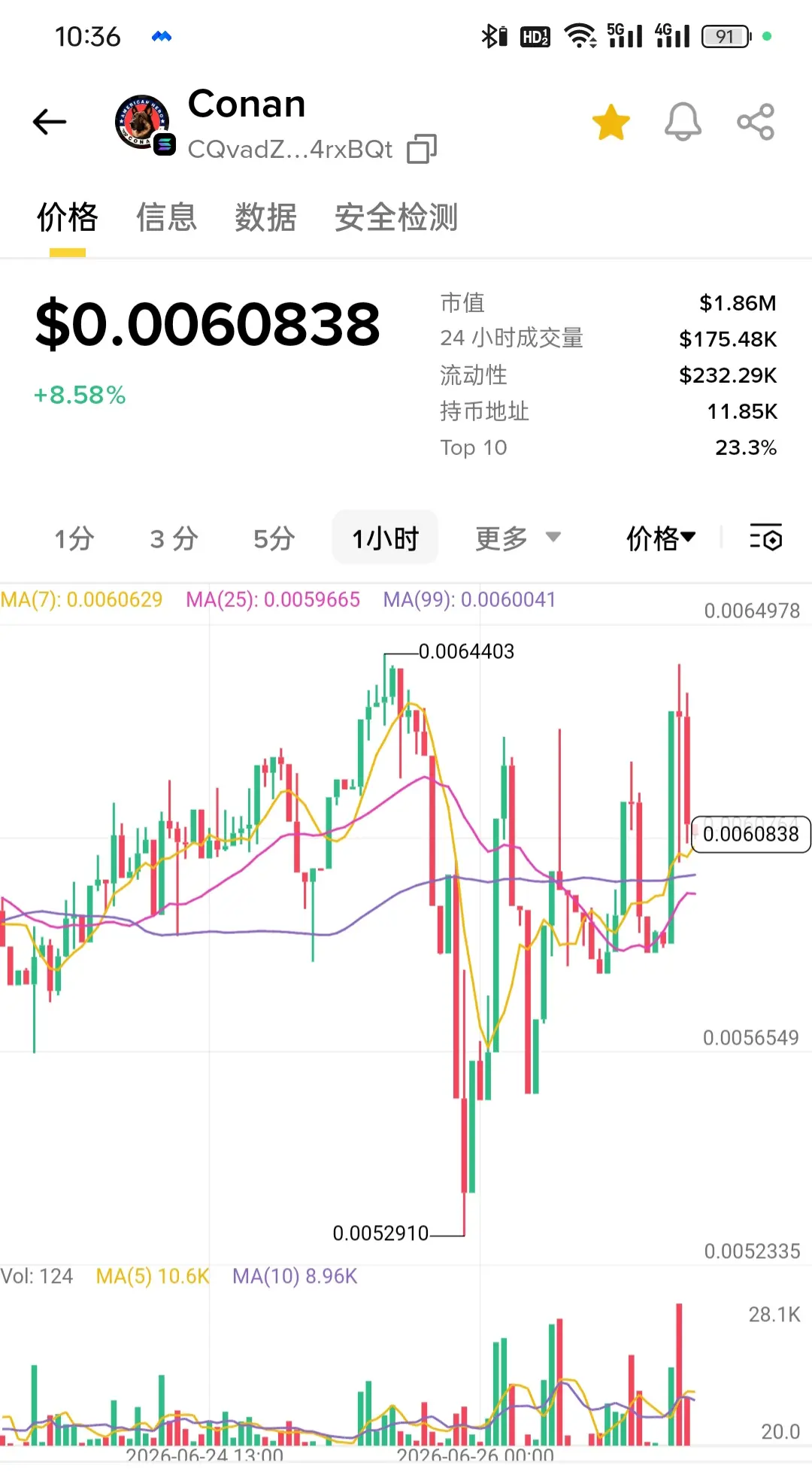
MA7 crosses above MA25.
Social media turns bullish.
Traders rush into longs. 🚀
Then suddenly...
Price reverses.
The crossover fails.
And late buyers get trapped.
So why does this happen?
📊 Low Volume Traps
A crossover without volume is like a breakout without participation.
Moving Averages are based on past price action. If #BTC rises on weak volume, the crossover may look bullish, but there isn't enough demand to support a sustained move.
The result?
A temporary crossover that quickly disappears once buying pressure fades.
🔹️ Liquidity Manipulation
Markets are driven by liquidity.
Large players know many retail traders enter positions immediately after crossovers.
This creates predictable liquidity zones.
Sometimes price is pushed just enough to trigger:
▫️ MA crossover traders
▫️ Breakout traders
▫️ FOMO buyers
Once those positions are filled, price reverses and liquidity gets collected.
The crossover wasn't the signal.
It was the bait.
🔴 Why RSI Matters
RSI helps determine whether momentum actually supports the crossover.
For example:
🟢 Bullish crossover + RSI pushing above 50
= stronger probability of continuation
🔴 Bullish crossover + RSI divergence
= potential warning sign
Momentum should confirm what the Moving Averages are suggesting.
🎯 Confirmation Techniques
Professional traders rarely trade the crossover itself.
They look for:
▪️ Rising volume
▪️ RSI confirmation
▪️ Strong candle closes
▪️ Break of key resistance
▪️ Higher timeframe trend alignment
The more confirmations present, the higher the quality of the setup.
📌 A Moving Average crossover should start your analysis, not end it.
The market rewards traders who wait for confirmation.
It punishes traders who react to the first signal they see.
In reality, some of the most expensive losses happen during fake crossovers.
You've probably seen it before:
$BTC starts pumping.
MA7 crosses above MA25.
Social media turns bullish.
Traders rush into longs. 🚀
Then suddenly...
Price reverses.
The crossover fails.
And late buyers get trapped.
So why does this happen?
📊 Low Volume Traps
A crossover without volume is like a breakout without participation.
Moving Averages are based on past price action. If #BTC rises on weak volume, the crossover may look bullish, but there isn't enough demand to support a sustained move.
The result?
A temporary crossover that quickly disappears once buying pressure fades.
🔹️ Liquidity Manipulation
Markets are driven by liquidity.
Large players know many retail traders enter positions immediately after crossovers.
This creates predictable liquidity zones.
Sometimes price is pushed just enough to trigger:
▫️ MA crossover traders
▫️ Breakout traders
▫️ FOMO buyers
Once those positions are filled, price reverses and liquidity gets collected.
The crossover wasn't the signal.
It was the bait.
🔴 Why RSI Matters
RSI helps determine whether momentum actually supports the crossover.
For example:
🟢 Bullish crossover + RSI pushing above 50
= stronger probability of continuation
🔴 Bullish crossover + RSI divergence
= potential warning sign
Momentum should confirm what the Moving Averages are suggesting.
🎯 Confirmation Techniques
Professional traders rarely trade the crossover itself.
They look for:
▪️ Rising volume
▪️ RSI confirmation
▪️ Strong candle closes
▪️ Break of key resistance
▪️ Higher timeframe trend alignment
The more confirmations present, the higher the quality of the setup.
📌 A Moving Average crossover should start your analysis, not end it.
The market rewards traders who wait for confirmation.
It punishes traders who react to the first signal they see.