#每周来晒 #PCE与GDP数据将揭晓 US October PCE and the revised third-quarter GDP estimate will be released tonight, but what truly warrants caution is that the narrative of “cooling inflation” simply does not hold up at this point.
The market expects core PCE to rise from 3.1% to 3.2% year over year, headline PCE to rise from 3.6% to 3.8%, and the revised GDP estimate to be upgraded from the initial 3.4% to 3.5%. The nuance in this data is that an upward revision to growth is not in itself a source of pressure; the real dominant variable is the marginal direction of inflation. CME FedWatch shows the market pricing in a 96% chance of a 25-bp rate hike in December. Discussion of a 50-bp hike has not disappeared, and Waller and Logan have recently continued to publicly argue that “at least 50 bps” are needed before pausing. In other words, the market has already paid a very high expectation cost for “inflation not cooling,” leaving extremely little room for a dovish surprise.
BTC’s reaction function is now locked in by rate-hike expectations. The rebound above $60,000 lacks incremental capital support. If core PCE comes in at 3.2% or higher, rate-hike risk will be priced in further, with around $58,000 a key level to watch on the downside; even if a below-expectations reading triggers a short-term rebound, in an environment where rate-hike expectations are already heavily priced in, the rebound’s durability will depend on whether capital is truly willing to enter, not on the direction of the data itself.
Technology stocks face the dual constraints of valuations and financing costs. The Nasdaq fell about 10% last week, and companies with heavy AI capital spending are extremely sensitive to marginal interest-rate changes. Hot PCE data would mean Treasury yields rise again and credit spreads widen further, squeezing high-valuation growth stocks on both the denominator and credit fronts; conversely, moderate data could open a window for an oversold recovery, but its durability would still depend on whether credit pricing improves in tandem.
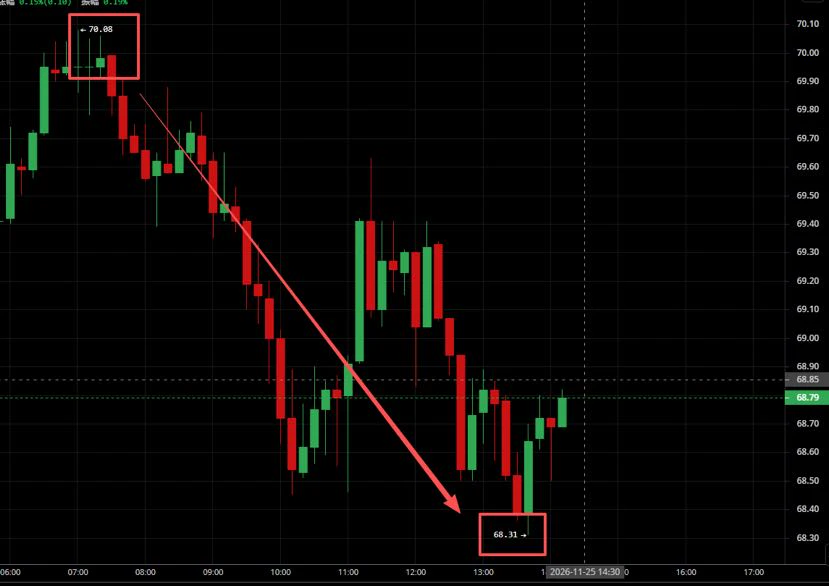
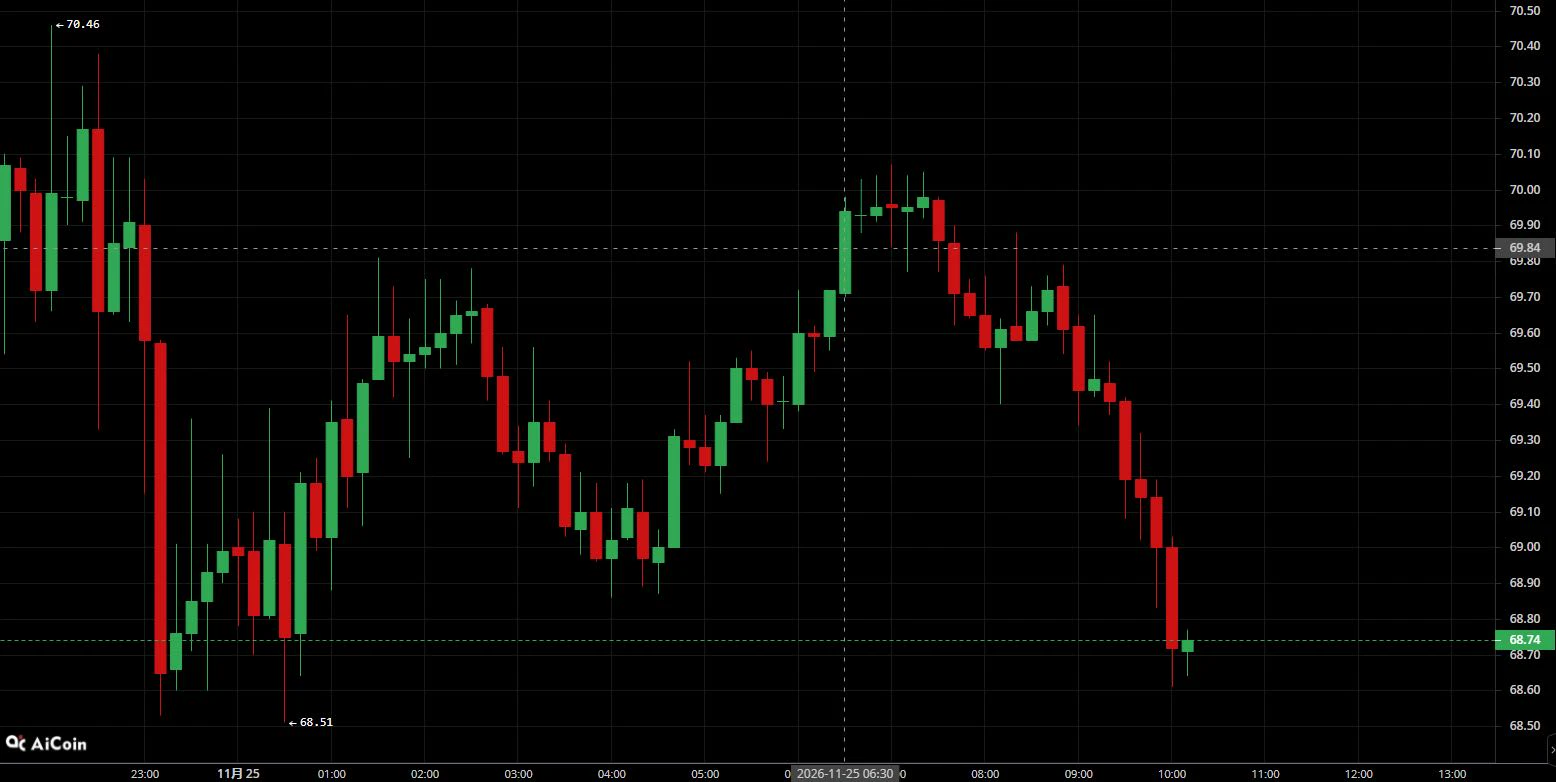
Gold is in the most nuanced position. Gold prices came under pressure ahead of the data, reaching around $3,550, reflecting defensive reductions in long positions amid tightening expectations. If sticky inflation is confirmed, a stronger dollar and higher Treasury yields will continue to cap the rebound; only if core PCE falls to 3.1% or lower could it open the door to a sustained upswing in gold prices.
Returning to the choice facing the user: what matters more right now is not “cooling inflation,” but “whether inflation is confirmed to be not cooling.” With rate hikes almost fully priced in, a modest upward revision to the economy is not enough to change the rate path, while a core PCE reading just 0.1 percentage point above expectations would be enough to push the 50-bp tail risk back into pricing. The marginal direction of inflation, not the marginal revision to growth, is what will truly drive pricing tonight.