


Jackson Hole Symposium👀
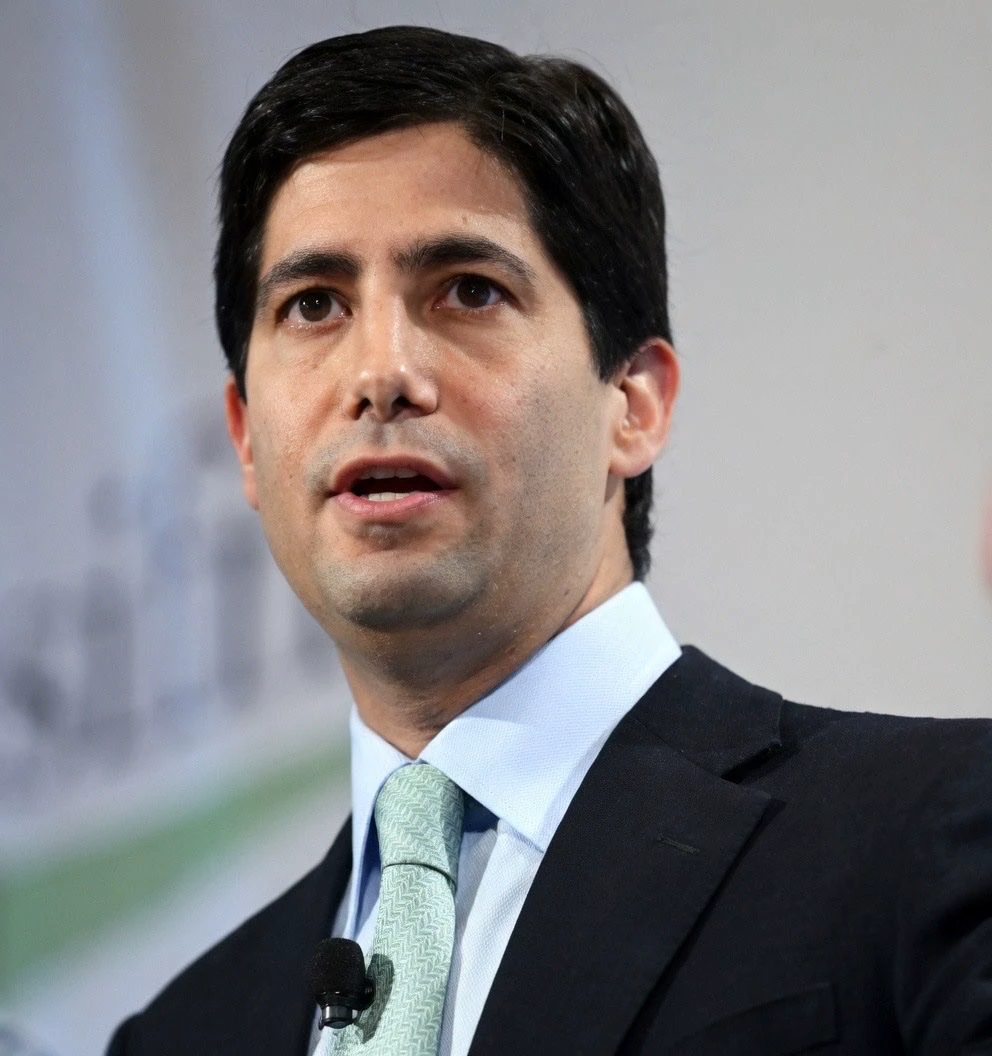
This year's speech by Kevin Warsh, his first from this podium, was far clearer and more forceful than markets expected. The summary of his speech is this: inflation is still above target, and if improvement doesn't become clear, interest rate hikes are on the table, and the Fed will be less assertive going forward. The most striking part of Warsh's speech was his assessment of inflation. Highlighting that the PCE price index is at 3.7% annually and 4.1% six-monthly, Warsh explicitly stated that the positive data from this summer "didn't convince him of the improving trend." A noteworthy detail was Warsh's breakdown of the PCE basket into its sub-components: price increases in 54% of the components were above 3%. Before the pandemic, this rate was around 32%.
Warsh stated that the return of inflation to target 2 must be "clear and at a sufficient pace," otherwise the Fed "has a job to do." This statement was interpreted as a clear signal to the markets ahead of the September meeting. Another point highlighted by market analysts is the emerging divergent stance between the Fed and the Treasury. While Warsh emphasizes that short-term interest rates should be the primary policy tool, the Treasury Department is attempting to prevent further increases in long-term interest rates by increasing long-term bond purchases. This creates an environment where the two institutions are pointing in different directions regarding interest rate policy. In his speech, Warsh hinted at a change in the Fed's communication strategy, criticizing its practice of guiding the markets. The new approach would involve the Fed speaking less, with markets acting based on data.
This change means that each data release will have a greater impact on the markets in the coming period.
This information is not investment advice. Do your own research.
This year's speech by Kevin Warsh, his first from this podium, was far clearer and more forceful than markets expected. The summary of his speech is this: inflation is still above target, and if improvement doesn't become clear, interest rate hikes are on the table, and the Fed will be less assertive going forward. The most striking part of Warsh's speech was his assessment of inflation. Highlighting that the PCE price index is at 3.7% annually and 4.1% six-monthly, Warsh explicitly stated that the positive data from this summer "didn't convince him of the improving trend." A noteworthy detail was Warsh's breakdown of the PCE basket into its sub-components: price increases in 54% of the components were above 3%. Before the pandemic, this rate was around 32%.
Warsh stated that the return of inflation to target 2 must be "clear and at a sufficient pace," otherwise the Fed "has a job to do." This statement was interpreted as a clear signal to the markets ahead of the September meeting. Another point highlighted by market analysts is the emerging divergent stance between the Fed and the Treasury. While Warsh emphasizes that short-term interest rates should be the primary policy tool, the Treasury Department is attempting to prevent further increases in long-term interest rates by increasing long-term bond purchases. This creates an environment where the two institutions are pointing in different directions regarding interest rate policy. In his speech, Warsh hinted at a change in the Fed's communication strategy, criticizing its practice of guiding the markets. The new approach would involve the Fed speaking less, with markets acting based on data.
This change means that each data release will have a greater impact on the markets in the coming period.
This information is not investment advice. Do your own research.