Mr_Randhawa

vip
Age 0.2 Year
Peak Tier 0
No content yet
#24hCryptoFuturesLiquidationsTop400M
━━━━━━━━━━━━━━━━━━━━
🔥 CRYPTO MARKET SHOCK: OVER $407M LIQUIDATED AS BITCOIN CRASHES BELOW $74.5K 🚨
The cryptocurrency market entered a severe volatility phase after geopolitical tensions between the United States and Iran triggered a rapid global risk-off reaction. Following reports of US military action near the Strait of Hormuz and the White House denying any formal diplomatic agreement with Iran, financial markets immediately turned defensive.
Bitcoin collapsed below $74,500, briefly touching the $72,900 zone, whi
ETH0.26%
Vortex_King
#24hCryptoFuturesLiquidationsTop400M
━━━━━━━━━━━━━━━━━━━━
🔥 CRYPTO MARKET SHOCK: OVER $407M LIQUIDATED AS BITCOIN CRASHES BELOW $74.5K 🚨
The cryptocurrency market entered a severe volatility phase after geopolitical tensions between the United States and Iran triggered a rapid global risk-off reaction. Following reports of US military action near the Strait of Hormuz and the White House denying any formal diplomatic agreement with Iran, financial markets immediately turned defensive.
Bitcoin collapsed below $74,500, briefly touching the $72,900 zone, while Ethereum and major altcoins experienced aggressive downside pressure. The sudden breakdown caused one of the largest liquidation cascades seen in recent weeks, wiping out heavily leveraged traders across crypto derivatives exchanges.
━━━━━━━━━━━━━━━━━━━━
💥 24H LIQUIDATIONS EXCEED $407 MILLION
━━━━━━━━━━━━━━━━━━━━
According to derivatives market data:
• Total crypto futures liquidations surged above $407M+
• Nearly 100,000 traders were liquidated globally
• More than 90% of liquidations came from long positions
• BTC and ETH futures recorded the highest liquidation volume
• Multiple exchanges experienced cascading forced closures
The event exposed how dangerously overleveraged the market had become before geopolitical uncertainty hit investor sentiment.
━━━━━━━━━━━━━━━━━━━━
⚠️ WHAT TRIGGERED THE MARKET CRASH?
━━━━━━━━━━━━━━━━━━━━
Several major catalysts combined simultaneously:
📌 Escalating US-Iran military tensions
📌 White House denial of diplomatic deal rumors
📌 Continued Bitcoin ETF outflows weakening institutional confidence
📌 Massive leverage concentration across futures markets
📌 Upcoming BTC and ETH options expiry increasing volatility pressure
📌 Algorithmic stop-loss cascades accelerating downside momentum
Once Bitcoin lost key support levels, forced liquidations amplified volatility across the entire crypto ecosystem.
━━━━━━━━━━━━━━━━━━━━
📊 BITCOIN TECHNICAL BREAKDOWN
━━━━━━━━━━━━━━━━━━━━
Current BTC Market Data
• Current Price: ~$73,700
• Daily High: ~$73,950
• Daily Low: ~$72,580
• Weekly Decline: Approximately 6%
Bitcoin has now lost the important $75,000 support zone, which has transformed into major short-term resistance.
Key Support Levels
🔹 $72,500 — Immediate support zone
🔹 $70,000 — Psychological support level
🔹 $68,000 — Strong macro accumulation zone
Major Resistance Levels
🔸 $75,000 — Critical reclaim level
🔸 $78,000 — Mid-range liquidity resistance
🔸 $82,000 — Heavy EMA and supply cluster
The overall structure remains fragile unless BTC successfully reclaims the $75K region with strong spot demand.
━━━━━━━━━━━━━━━━━━━━
📉 ETHEREUM & ALTCOIN MARKET CONDITIONS
━━━━━━━━━━━━━━━━━━━━
Ethereum mirrored Bitcoin weakness with even higher volatility sensitivity. ETH continues trading under bearish continuation pressure near the $1,975 region, while altcoins remain under stress due to declining liquidity inflows and rising market fear.
Current conditions across the broader market include:
• Reduced speculative appetite
• Higher BTC dominance volatility
• Weak altcoin momentum
• Risk-off capital rotation into safer assets
Sentiment indicators have now shifted back into Fear territory, reflecting rising uncertainty across the crypto market.
━━━━━━━━━━━━━━━━━━━━
🏛 INSTITUTIONAL FLOWS & ETF PRESSURE
━━━━━━━━━━━━━━━━━━━━
Institutional positioning has also weakened considerably:
• Spot Bitcoin ETFs recorded multiple consecutive outflow sessions
• Large dark-pool sell-side activity increased market pressure
• Institutional buy-side absorption slowed sharply during volatility
At the same time, nearly $8B in BTC and ETH options contracts approaching expiry continue increasing short-term volatility risk.
━━━━━━━━━━━━━━━━━━━━
💣 UNDERSTANDING THE LIQUIDATION CASCADE
━━━━━━━━━━━━━━━━━━━━
The market decline followed a classic deleveraging cycle:
1️⃣ Geopolitical shock hits markets
2️⃣ Bitcoin breaks major support zones
3️⃣ Stop-loss orders begin triggering
4️⃣ Exchanges force-liquidate leveraged longs
5️⃣ Additional selling pressure accelerates downside
6️⃣ Secondary liquidation waves expand volatility
This feedback loop pushed market volatility significantly beyond the initial news impact.
━━━━━━━━━━━━━━━━━━━━
🧠 TRADING STRATEGY & MARKET OUTLOOK
━━━━━━━━━━━━━━━━━━━━
Bullish Factors
✅ Long-term Bitcoin cycle structure remains intact
✅ Fear conditions historically create accumulation opportunities
✅ DCA strategies reduce timing risk
✅ Oversold conditions may support short-term rebounds
Bearish Factors
❌ Geopolitical uncertainty remains unresolved
❌ ETF outflows continue pressuring sentiment
❌ Technical structure remains weak below $75K
❌ Liquidity conditions remain unstable
Preferred Market Strategy
✔ Gradual DCA accumulation
✔ Strict stop-loss discipline
✔ Reduced leverage exposure
✔ Multi-zone entry planning
✔ Maintaining cash reserves during volatility
━━━━━━━━━━━━━━━━━━━━
⚠️ FINAL THOUGHT
━━━━━━━━━━━━━━━━━━━━
This event once again proves that excessive leverage becomes extremely dangerous during periods of geopolitical instability and macro uncertainty.
The crypto market is now entering a highly reactive environment where headlines, institutional flows, and global risk sentiment will continue driving short-term direction. Until macro conditions stabilize and Bitcoin reclaims critical resistance levels, volatility is expected to remain elevated across the entire digital asset market.
Risk management is no longer optional — it is survival.
repost-content-media
  • Reward
  • 4
  • Repost
  • Share
ShainingMoon:
thank you for the beautiful information and beautiful sharing 💜🥰
View More
#CBOEIntroducesExtendedTradingForStockOptions
━━━━━━━━━━━━━━━━━━━━
📈 CBOE EXPANDS STOCK OPTIONS TRADING HOURS IN MAJOR MARKET SHIFT 🚨
The Cboe Global Markets has officially introduced extended trading hours for stock options, marking a significant evolution in global derivatives trading infrastructure. The move is designed to provide traders and institutions with greater flexibility, improved overnight risk management, and broader access to US equity options markets beyond traditional Wall Street trading sessions.
━━━━━━━━━━━━━━━━━━━━
⏰ WHAT IS
CBOE-3.09%
Vortex_King
#CBOEIntroducesExtendedTradingForStockOptions
━━━━━━━━━━━━━━━━━━━━
📈 CBOE EXPANDS STOCK OPTIONS TRADING HOURS IN MAJOR MARKET SHIFT 🚨
The Cboe Global Markets has officially introduced extended trading hours for stock options, marking a significant evolution in global derivatives trading infrastructure. The move is designed to provide traders and institutions with greater flexibility, improved overnight risk management, and broader access to US equity options markets beyond traditional Wall Street trading sessions.
━━━━━━━━━━━━━━━━━━━━
⏰ WHAT IS CHANGING?
━━━━━━━━━━━━━━━━━━━━
Under the new framework, selected stock options products on CBOE will now be available for trading during extended hours outside the standard US market session.
This expansion aims to:
• Improve overnight hedging capabilities
• Allow faster reaction to global macro events
• Support international market participants
• Increase liquidity accessibility across time zones
• Reduce gap-risk exposure during major news events
The initiative reflects growing institutional demand for near-24-hour market access in modern financial markets.
━━━━━━━━━━━━━━━━━━━━
🌍 WHY EXTENDED HOURS MATTER
━━━━━━━━━━━━━━━━━━━━
Global financial markets now operate in an environment where geopolitical developments, central bank decisions, earnings releases, and economic data can instantly impact asset prices outside traditional US market hours.
Previously, traders often faced:
❌ Overnight exposure risk
❌ Delayed hedging opportunities
❌ Large opening price gaps
❌ Limited reaction time during international events
Extended trading sessions help reduce these limitations by allowing traders to actively manage positions during global market activity.
━━━━━━━━━━━━━━━━━━━━
📊 POTENTIAL MARKET IMPACT
━━━━━━━━━━━━━━━━━━━━
The introduction of extended options trading could significantly reshape market behavior:
Positive Effects
✅ Greater flexibility for institutions and retail traders
✅ Faster response to breaking macroeconomic developments
✅ Improved global participation in US derivatives markets
✅ Better overnight volatility management
Potential Risks
⚠️ Lower liquidity during overnight sessions
⚠️ Wider bid-ask spreads in thin trading periods
⚠️ Increased short-term volatility
⚠️ Higher sensitivity to news-driven price swings
Market makers and liquidity providers will play a critical role in stabilizing pricing efficiency during non-standard hours.
━━━━━━━━━━━━━━━━━━━━
🏛 INSTITUTIONAL & GLOBAL SIGNIFICANCE
━━━━━━━━━━━━━━━━━━━━
This move highlights a broader transformation happening across financial markets:
• Trading is becoming increasingly globalized
• Institutions demand continuous market access
• Technology is enabling near-24/7 financial ecosystems
• Derivatives markets continue expanding beyond traditional schedules
The change also aligns with growing interest in around-the-clock trading models already seen in crypto markets, where digital assets trade continuously without closing hours.
━━━━━━━━━━━━━━━━━━━━
🧠 FINAL THOUGHT
━━━━━━━━━━━━━━━━━━━━
CBOE’s decision to expand stock options trading hours represents another major step toward the future of continuous global trading. As financial markets become more interconnected and event-driven, access to extended trading windows may become an industry standard rather than a competitive advantage.
For traders, the opportunity is significant — but so is the need for disciplined risk management in a market environment that never truly sleeps.
repost-content-media
  • Reward
  • 3
  • Repost
  • Share
ShainingMoon:
To The Moon 🌕
View More
#WinGoldBarsWithGrowthPoints
🎉 TURN GROWTH POINTS INTO REAL GOLD REWARDS AND PREMIUM BENEF
The latest Growth Points campaign has rapidly become one of the most talked-about reward events across the crypto trading ecosystem. As competition between major digital asset platforms continues intensifying, large-scale promotional campaigns are evolving far beyond simple bonus distributions. Modern campaigns are now designed to increase ecosystem participation, strengthen long-term user engagement, encourage platform activity, and reward consistent interaction through gamified systems that combine t
Vortex_King
#WinGoldBarsWithGrowthPoints
🎉 TURN GROWTH POINTS INTO REAL GOLD REWARDS AND PREMIUM BENEF
The latest Growth Points campaign has rapidly become one of the most talked-about reward events across the crypto trading ecosystem. As competition between major digital asset platforms continues intensifying, large-scale promotional campaigns are evolving far beyond simple bonus distributions. Modern campaigns are now designed to increase ecosystem participation, strengthen long-term user engagement, encourage platform activity, and reward consistent interaction through gamified systems that combine trading, rewards, and progression-based incentives.
This newest Growth Points event represents exactly that transformation. Instead of offering a limited one-time reward system, the campaign introduces an expanded participation model where users can steadily accumulate Growth Points through multiple activities and potentially convert their engagement into premium rewards, including real gold bars and additional ecosystem bonuses.
The structure of the event has created excitement among both new and experienced market participants because it introduces a balance between participation, progression, and reward scaling. Rather than focusing only on high-volume traders, the campaign allows users from different experience levels to participate through a variety of available tasks and engagement opportunities.
━━━━━━━━━━━━━━━━━━━━
💰 EVENT STRUCTURE AND REWARD SYSTEM
━━━━━━━━━━━━━━━━━━━━
The campaign revolves around the accumulation of Growth Points. Users can earn these points through platform-related activities, trading participation, engagement tasks, and ecosystem interaction. The more consistently users participate, the more opportunities they create to unlock higher reward tiers and premium benefits throughout the campaign period.
Unlike traditional reward systems that rely heavily on random distribution, the Growth Points structure introduces a progression-based model where active participation directly contributes toward long-term reward potential. This system encourages consistency instead of short-term speculative behavior, which creates a healthier engagement environment across the broader platform ecosystem.
One of the biggest attractions within the campaign is the opportunity to win real gold bars. The inclusion of physical rewards creates additional excitement because it bridges the gap between digital trading activity and tangible real-world value. This combination has significantly increased community attention around the event.
The campaign also appears strategically timed within a broader market environment where user engagement and retention have become increasingly important priorities for major crypto ecosystems. As trading competition intensifies globally, platforms are continuously searching for new methods to strengthen user loyalty and ecosystem participation. Reward-driven campaigns have now become one of the most effective tools for achieving that objective.
━━━━━━━━━━━━━━━━━━━━
📈 WHY REWARD CAMPAIGNS ARE BECOMING MORE IMPORTANT
━━━━━━━━━━━━━━━━━━━━
Over the last several years, the cryptocurrency industry has evolved far beyond simple spot trading and speculative investing. Modern crypto ecosystems now compete on multiple fronts simultaneously, including liquidity depth, product diversity, user experience, derivatives offerings, staking opportunities, institutional infrastructure, and community engagement systems.
Because of this transformation, promotional events and ecosystem reward campaigns now play a far larger strategic role than they did during earlier market cycles. These campaigns are no longer designed purely for marketing visibility. Instead, they function as long-term retention systems aimed at increasing ecosystem activity and strengthening user participation during both bullish and uncertain market phases.
Growth Point systems are particularly effective because they encourage repeated interaction instead of isolated activity. Users are naturally incentivized to return consistently, complete platform tasks, monitor reward progress, and remain engaged over extended periods. This creates stronger ecosystem stability while simultaneously increasing trading activity and overall platform engagement metrics.
From a business perspective, such campaigns also help platforms maintain active communities during periods of market volatility when trading participation might otherwise decline. During uncertain macroeconomic conditions, many traders reduce exposure and become more defensive. Reward systems create additional motivation for users to remain active even during cautious market conditions.
━━━━━━━━━━━━━━━━━━━━
🔥 USER PARTICIPATION DYNAMICS
━━━━━━━━━━━━━━━━━━━━
The success of any large-scale reward campaign depends heavily on participation dynamics and community response. In this particular event, participation momentum has accelerated quickly because the campaign appeals to several different user categories simultaneously.
New users are attracted by the accessibility of entry-level participation opportunities and the possibility of earning rewards through relatively simple engagement tasks. Experienced traders, meanwhile, are drawn toward the larger reward pool and the opportunity to maximize point accumulation through more advanced activity levels.
This dual-layer participation structure creates a broader and more sustainable engagement model because it does not rely exclusively on a single user category. Instead, it creates an environment where different participant groups can interact within the same ecosystem while pursuing individualized reward strategies.
The competitive element of point accumulation also increases engagement intensity. Many users naturally become more active when they can track progression milestones and compare participation levels within the community. This gamification effect plays a major role in sustaining momentum throughout long-duration campaigns.
━━━━━━━━━━━━━━━━━━━━
📊 STRATEGIC APPROACH FOR PARTICIPANTS
━━━━━━━━━━━━━━━━━━━━
Although reward campaigns create exciting opportunities, strategic participation remains extremely important. Many traders make the mistake of becoming overly aggressive while pursuing rewards, which can lead to unnecessary trading risk and emotional decision-making.
A more sustainable approach involves balancing participation with disciplined capital management. Users should focus on consistency rather than excessive short-term exposure. Gradual point accumulation often proves more effective than high-risk activity designed purely to accelerate progression.
Several strategic principles can improve overall campaign participation efficiency:
• Consistent daily engagement is usually more sustainable than irregular high-volume activity
• Monitoring reward milestones carefully can help optimize participation timing
• Risk management should remain the highest priority regardless of reward incentives
• Users should avoid forcing unnecessary trades purely for point accumulation
• Diversified participation methods often provide more stable progression opportunities
• Maintaining emotional discipline becomes increasingly important during competitive campaigns
These principles help participants maximize long-term benefit potential while minimizing avoidable trading risk.
━━━━━━━━━━━━━━━━━━━━
🌍 BROADER MARKET CONTEXT
━━━━━━━━━━━━━━━━━━━━
The increasing popularity of reward-based campaigns also reflects broader structural changes occurring throughout the cryptocurrency industry. As institutional participation continues expanding and regulatory frameworks evolve globally, exchanges and digital asset ecosystems are competing aggressively for market share and user retention.
User acquisition costs across the industry have risen significantly, making long-term retention strategies more valuable than ever before. Reward systems, ecosystem progression models, and gamified participation campaigns now represent critical components of broader competitive positioning strategies.
At the same time, modern crypto users have become increasingly sophisticated. Traders now evaluate platforms based not only on trading fees or asset listings but also on ecosystem depth, engagement opportunities, educational infrastructure, reward programs, and long-term participation benefits.
Campaigns built around Growth Points and progression systems directly address this shift by creating a more interactive ecosystem experience rather than limiting participation to pure trading activity alone.
━━━━━━━━━━━━━━━━━━━━
⚠️ RISK MANAGEMENT REMAINS ESSENTIAL
━━━━━━━━━━━━━━━━━━━━
Despite the excitement surrounding reward opportunities, users must remain aware that crypto markets remain highly volatile and unpredictable. Reward incentives should never replace disciplined trading practices or proper risk management principles.
Market conditions can change rapidly due to macroeconomic developments, geopolitical events, regulatory announcements, liquidity shifts, or broader sentiment fluctuations. Aggressive overexposure simply to maximize rewards can create unnecessary financial pressure during periods of increased volatility.
The most successful participants are usually those who combine strategic participation with disciplined capital management. Long-term sustainability almost always outperforms emotional overextension.
Maintaining a balanced approach allows users to enjoy ecosystem opportunities while protecting capital during uncertain market environments.
━━━━━━━━━━━━━━━━━━━━
🧠 FINAL THOUGHT
━━━━━━━━━━━━━━━━━━━━
The Growth Points campaign represents a clear example of how crypto ecosystems are evolving beyond traditional trading models into broader engagement-driven environments. By combining progression systems, participation incentives, competitive elements, and premium real-world rewards such as gold bars, the campaign creates a more immersive and interactive experience for users across different participation levels.
As the digital asset industry continues maturing, ecosystem engagement models like this are likely to become increasingly important components of platform growth strategies. Campaigns that successfully balance rewards, accessibility, community interaction, and long-term participation incentives will continue attracting attention across the global crypto market.
For participants, the opportunity extends beyond simple reward collection. The campaign also offers a chance to engage more deeply with the evolving structure of modern crypto ecosystems while potentially benefiting from long-term participation advantages.
In rapidly changing market environments, strategic participation, disciplined risk management, and consistent engagement remain the keys to maximizing opportunity while preserving long-term sustainability.
repost-content-media
  • Reward
  • 4
  • Repost
  • Share
ShainingMoon:
To The Moon 🌕
View More
#WTICrudeFallsBelow90Dollars
WTI Crude Oil has officially fallen below the psychologically critical $90 level, triggering a major shift in global commodity market sentiment and raising serious questions about the future direction of energy prices, inflation trends, central bank policies, and geopolitical risk premiums. The move below $90 is not just a simple technical correction. It reflects a deeper transformation in how traders, institutions, hedge funds, and governments are pricing future global demand, recession fears, supply risks, and geopolitical tensions. After spending months trading
Vortex_King
#WTICrudeFallsBelow90Dollars
WTI Crude Oil has officially fallen below the psychologically critical $90 level, triggering a major shift in global commodity market sentiment and raising serious questions about the future direction of energy prices, inflation trends, central bank policies, and geopolitical risk premiums. The move below $90 is not just a simple technical correction. It reflects a deeper transformation in how traders, institutions, hedge funds, and governments are pricing future global demand, recession fears, supply risks, and geopolitical tensions. After spending months trading inside elevated price zones fueled by Middle East instability, shipping disruptions, OPEC+ production controls, and speculative energy positioning, the recent breakdown signals that the market may be entering a broader repricing phase where fear-driven premiums are slowly fading and macroeconomic pressure is becoming the dominant force.
The decline in WTI prices comes during a period where financial markets are increasingly focused on slowing economic activity across several major economies. The United States manufacturing sector has shown signs of cooling demand, China’s industrial recovery remains inconsistent, European economic growth continues to weaken, and global trade activity has failed to regain the momentum many analysts expected earlier in the year. Energy markets are highly sensitive to future growth expectations because crude oil demand is directly tied to industrial production, transportation activity, manufacturing expansion, and consumer spending. As traders begin pricing in the possibility of slower global demand growth during the second half of the year, oil prices naturally face downward pressure even if geopolitical tensions remain elevated.
Another important reason behind the sharp decline below $90 is the growing belief that OPEC+ may struggle to maintain aggressive price support indefinitely. For months, Saudi Arabia and Russia attempted to stabilize oil prices through voluntary production cuts and supply management strategies. These measures initially succeeded in tightening supply expectations and supporting bullish sentiment. However, markets eventually began questioning whether artificial supply restrictions could continue offsetting weakening demand conditions. Once traders sensed that demand concerns were overpowering supply constraints, selling pressure accelerated rapidly. Institutional traders started reducing long exposure, hedge funds began unwinding bullish positions, and momentum algorithms intensified the decline after the $90 support zone failed.
From a technical perspective, the breakdown below $90 represents a major structural event for crude oil markets. Psychological levels play an enormous role in commodity trading because they influence both retail sentiment and institutional positioning. The $90 region acted as a critical support and sentiment anchor for months. Once the market decisively moved below it, stop-loss cascades, liquidation events, and systematic selling pressure pushed prices lower at an accelerated pace. Technical traders now view the market as entering a short-term bearish structure unless buyers manage to reclaim the broken support area quickly.
Currently, the nearest major support zone is located around $87.20 to $86.50. This region may temporarily slow the decline because buyers previously entered aggressively around these levels during earlier corrections. However, if bearish momentum continues and this support zone fails, the market could enter a deeper retracement toward $84.00 and potentially even the $81.50 region in the coming weeks. Such a move would significantly reshape inflation expectations globally and could reduce pressure on central banks that have been struggling to contain energy-driven inflation for the last several years.
On the upside, the first resistance area now stands near $89.80 to $90.30. This zone has transformed from support into resistance after the breakdown. If WTI attempts a recovery rally, sellers may re-enter aggressively in this region. A stronger bullish reversal would require a clean breakout above $92.50, which could shift short-term momentum back toward the bulls and reopen the possibility of revisiting higher levels near $95 and beyond. Until that happens, the market remains vulnerable to further downside volatility.
One of the biggest macroeconomic implications of falling crude oil prices is the potential impact on inflation. Energy costs directly affect transportation, manufacturing, logistics, airline operations, shipping expenses, and consumer fuel prices. Lower oil prices generally help reduce inflationary pressure across economies, especially in energy-importing countries. This creates a complex situation for central banks like the Federal Reserve. For months, persistent energy inflation complicated monetary policy decisions because higher fuel prices threatened to keep inflation elevated despite aggressive interest rate policies. Now, declining oil prices may give policymakers more flexibility and could strengthen expectations for future rate cuts if broader inflation data also cools.
However, the situation is not entirely bearish from a long-term geopolitical perspective. Middle East tensions remain a major wildcard for oil markets. Any sudden escalation involving Iran, disruptions near the Strait of Hormuz, attacks on shipping infrastructure, or broader regional conflict could rapidly reverse the current decline and trigger a violent spike in crude prices again. Nearly one-fifth of global oil shipments pass through strategically sensitive maritime routes connected to the Gulf region. Even temporary disruptions could immediately restore geopolitical premiums and force markets back into panic buying mode. Because of this, many institutional traders remain cautious about becoming aggressively bearish despite the current downward momentum.
The relationship between crude oil and the US Dollar is also playing a significant role in recent market movements. A relatively stronger US Dollar increases the cost of oil purchases for international buyers because crude is globally priced in USD. This often weakens demand expectations and pressures commodity prices lower. Additionally, higher US Treasury yields and tighter financial conditions continue attracting capital into defensive assets instead of commodities, reducing speculative demand across energy markets. If the Dollar Index continues strengthening, oil may face additional headwinds in the short term.
Another important factor behind the decline is changing speculative positioning in futures markets. During the earlier rally above $90, many leveraged traders accumulated large bullish positions expecting continued supply disruptions and geopolitical escalation. Once the market failed to maintain momentum above key resistance levels, those leveraged positions became vulnerable. Long liquidations accelerated the downside move as margin calls and automated risk management systems forced traders to exit positions rapidly. This is why the decline below $90 appeared extremely aggressive instead of gradual.
For equity markets, lower crude oil prices create mixed consequences. Airline companies, transportation firms, logistics providers, and manufacturing businesses often benefit from cheaper energy costs because operational expenses decline. On the other hand, energy sector stocks may face selling pressure as profit expectations weaken. Commodity-exporting nations whose budgets rely heavily on oil revenues could also experience financial strain if prices remain under pressure for an extended period. Countries highly dependent on petroleum exports typically require elevated crude prices to maintain fiscal stability and economic growth targets.
From a trading perspective, market participants are now closely watching whether the current decline develops into a temporary correction or the beginning of a larger bearish trend reversal. Short-term traders are focusing heavily on the $86 support region while swing traders are monitoring whether the market can reclaim the broken $90 level. Volatility is expected to remain elevated because oil markets are currently being influenced by both macroeconomic weakness and unpredictable geopolitical developments simultaneously.
Short-term bearish scenario: If WTI remains below $90 and sellers maintain control, the market may continue targeting $87, followed by $84 and potentially $81.50. Weak global demand data, stronger Dollar conditions, and fading geopolitical premiums would support this bearish continuation.
Neutral stabilization scenario: If buyers defend the $86-$87 support area successfully, crude may enter a consolidation range between $87 and $91 while traders wait for new macroeconomic or geopolitical catalysts.
Bullish reversal scenario: Any major escalation involving Iran, shipping routes, OPEC emergency action, or sudden supply disruption could trigger an explosive reversal back above $90 and potentially restart bullish momentum toward $95-$100 territory.
At the moment, the broader market narrative is transitioning from fear of supply shortages toward concern over slowing global demand. This shift is extremely important because oil markets are driven as much by future expectations as by present conditions. If economic slowdown fears continue intensifying globally, the recent breakdown below $90 may become the starting point for a much larger correction cycle across energy markets. But if geopolitical instability returns aggressively, crude oil could rapidly regain lost ground and invalidate the current bearish structure. The next few weeks will therefore be critical in determining whether this move below $90 becomes a temporary panic reaction or the beginning of a deeper long-term trend reversal in global crude market
repost-content-media
  • Reward
  • 2
  • Repost
  • Share
ShainingMoon:
To The Moon 🌕
View More
#StockTradingChallengeUpTo17000U
Global trading participation is entering a new competitive phase as high-reward stock trading challenges continue attracting both beginner and experienced market participants looking to test their strategies under real market volatility. The latest trading competition offering rewards of up to 17,000U has rapidly gained attention across the trading community because it arrives during one of the most active periods in financial markets, where equities, commodities, crypto assets, and forex instruments are all experiencing elevated volatility driven by macroecon
Vortex_King
#StockTradingChallengeUpTo17000U
Global trading participation is entering a new competitive phase as high-reward stock trading challenges continue attracting both beginner and experienced market participants looking to test their strategies under real market volatility. The latest trading competition offering rewards of up to 17,000U has rapidly gained attention across the trading community because it arrives during one of the most active periods in financial markets, where equities, commodities, crypto assets, and forex instruments are all experiencing elevated volatility driven by macroeconomic uncertainty, central bank policy shifts, geopolitical instability, and institutional capital rotation.
The current environment is particularly important for trading competitions because market conditions are no longer moving in simple directional trends. Instead, traders are facing aggressive intraday reversals, sharp liquidity sweeps, unpredictable news-driven price spikes, and algorithmic volatility expansion across major indices and individual equities. In such an environment, profitability depends less on blind bullish or bearish bias and more on discipline, risk management, adaptability, liquidity understanding, and psychological control. This is why modern trading competitions are increasingly being viewed not only as promotional events but also as practical stress tests for trader performance under real market pressure.
One of the biggest reasons stock trading competitions are gaining momentum globally is the growing retail participation in financial markets. Over the past several years, digital trading platforms, AI-assisted analysis tools, social trading communities, and instant mobile access have dramatically lowered the barrier to entry for global investors. Millions of new participants are now actively engaging in equity markets that were previously dominated almost entirely by institutional players. This shift has transformed market structure itself. Retail flow now influences momentum, volatility, short squeezes, and speculative rotations far more aggressively than in previous decades.
The challenge offering rewards up to 17,000U enters the market at a time when traders are searching for opportunities beyond traditional long-term investing. Rising inflation pressure, changing interest rate expectations, and slowing economic growth in several regions have increased interest in active trading strategies. Participants are no longer focused solely on passive portfolio accumulation. Instead, they are exploring short-term momentum trading, breakout structures, options positioning, swing setups, and multi-asset correlation strategies to capitalize on rapidly changing market conditions.
From a strategic perspective, successful participation in trading competitions requires a completely different mindset compared to ordinary trading. Many traders fail because they focus only on maximizing profits while ignoring survivability. In competitive trading environments, preserving capital often becomes more important than aggressive overleveraging. Markets are designed to punish emotional decisions. Overtrading, revenge trading, excessive leverage exposure, and lack of stop-loss discipline remain the primary reasons why many participants underperform despite having technically accurate market predictions.
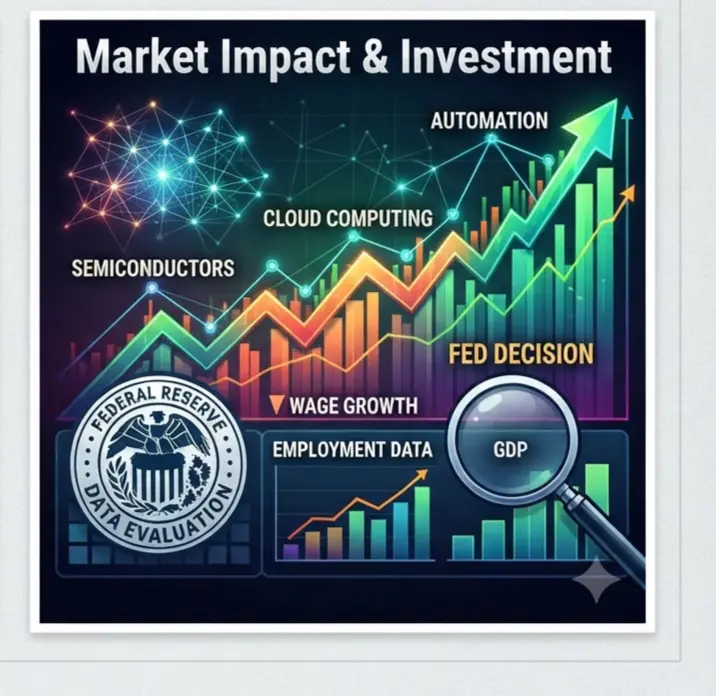
The broader stock market environment currently presents both opportunity and risk. Technology equities continue attracting institutional capital due to ongoing artificial intelligence expansion, semiconductor demand growth, cloud infrastructure spending, and automation development. At the same time, sectors such as energy, industrials, defense, healthcare, and commodities are experiencing periodic rotations depending on inflation data, geopolitical developments, and economic forecasts. Traders participating in high-level competitions must therefore understand sector rotation dynamics instead of focusing only on isolated price charts.
Volatility itself has become a major asset class for professional traders. Sharp market reactions to Federal Reserve statements, employment data, inflation releases, earnings reports, and geopolitical headlines are creating conditions where disciplined traders can exploit momentum efficiently. However, these same conditions can rapidly destroy poorly managed positions. This is why risk-adjusted performance matters far more than isolated winning trades. Consistency remains the ultimate competitive advantage in trading environments where emotional instability often causes participants to lose control after temporary drawdowns.
Technical analysis continues playing a central role in competitive trading strategies. Traders are heavily monitoring liquidity zones, support and resistance structures, volume imbalances, institutional order blocks, moving averages, volatility compression patterns, and breakout confirmations to identify high-probability setups. However, pure technical analysis alone is no longer sufficient. Modern markets are deeply interconnected with macroeconomic conditions. Interest rates, bond yields, currency strength, commodity pricing, and geopolitical stability now directly influence equity market behavior on a daily basis.
Another critical factor shaping trading competitions is the increasing dominance of algorithmic and high-frequency trading systems. Institutional liquidity algorithms frequently target predictable retail behavior patterns, including clustered stop-loss areas and emotionally driven breakout entries. Traders who understand liquidity engineering and market structure manipulation often perform better because they avoid becoming trapped in false momentum moves designed to trigger retail positioning imbalances.
Psychology remains one of the most underestimated components of trading success. Many participants enter competitions with unrealistic expectations of instant exponential gains. In reality, professional-level performance is usually built through controlled execution, emotional stability, patience, and disciplined position sizing. Fear and greed continue dominating retail trading behavior globally. Winning traders are typically those who can maintain strategic consistency even during periods of uncertainty and volatility expansion.
The growing popularity of trading competitions also reflects broader changes in financial culture. Social media platforms, trading communities, influencer-driven analysis channels, and real-time market discussion networks have transformed trading into a globally connected ecosystem where information spreads instantly. Market sentiment can now shift within minutes based on viral narratives, institutional commentary, or breaking macroeconomic developments. This creates both opportunity and danger because emotional crowd behavior often amplifies short-term volatility.
Looking ahead, market participants expect continued elevated volatility across global equities due to uncertainty surrounding central bank policy trajectories, inflation stabilization efforts, geopolitical tensions, and slowing economic growth expectations in several major economies. These conditions are likely to create an environment where disciplined active traders may continue finding substantial short-term opportunities while long-term investors face increasing uncertainty regarding broader market direction.
For participants entering competitive trading environments, adaptability may become the single most important factor. Markets continuously evolve. Strategies that performed effectively during low-interest-rate liquidity-driven bull markets may fail completely in tighter monetary conditions characterized by rapid sentiment reversals and reduced speculative liquidity. Traders capable of adjusting to changing macro conditions, volatility structures, and institutional flow behavior are more likely to achieve consistent long-term performance.
As global financial markets continue evolving under the influence of AI-driven analysis, institutional automation, geopolitical instability, and macroeconomic uncertainty, trading competitions are becoming more than simple reward events. They are transforming into real-world demonstrations of risk management, strategic execution, emotional discipline, and market intelligence. In the current environment, success belongs not necessarily to the trader who takes the biggest risks, but to the one who survives volatility while maintaining consistent, calculated decision-making under pressure.
repost-content-media
  • Reward
  • 8
  • Repost
  • Share
ShainingMoon:
To The Moon 🌕
View More
#USIranNegotiationGame
The geopolitical landscape surrounding the United States and Iran has once again entered a highly sensitive and strategically complex phase as diplomatic negotiations, military positioning, economic pressure, and energy market calculations continue shaping global expectations. What appears publicly as a negotiation process is, in reality, a multilayered geopolitical power game involving sanctions, regional influence, nuclear strategy, oil market stability, military deterrence, international alliances, and economic leverage. Every statement release
Vortex_King
#USIranNegotiationGame
The geopolitical landscape surrounding the United States and Iran has once again entered a highly sensitive and strategically complex phase as diplomatic negotiations, military positioning, economic pressure, and energy market calculations continue shaping global expectations. What appears publicly as a negotiation process is, in reality, a multilayered geopolitical power game involving sanctions, regional influence, nuclear strategy, oil market stability, military deterrence, international alliances, and economic leverage. Every statement released by Washington or Tehran is being analyzed not only by political observers but also by global financial institutions, commodity traders, intelligence analysts, and energy markets because the outcome of these negotiations carries consequences far beyond bilateral relations.
At the center of the current tension is the ongoing struggle between pressure and compromise. The United States continues attempting to balance strategic containment of Iran while avoiding a direct military escalation that could destabilize the Middle East and damage the global economy. Iran, meanwhile, is attempting to preserve regional influence, maintain economic survivability under sanctions, strengthen strategic partnerships, and gain leverage through geopolitical positioning. Both sides understand that a full-scale military confrontation would create unpredictable consequences not only for the region but also for global energy infrastructure, financial markets, shipping routes, and international political stability.
One of the most critical elements driving the negotiation process is the strategic importance of the Strait of Hormuz. This narrow maritime corridor remains one of the world’s most important energy chokepoints, with a substantial percentage of global oil shipments passing through the region every single day. Any escalation involving naval operations, shipping restrictions, drone attacks, or regional proxy conflicts could immediately disrupt global energy flows and trigger massive volatility across crude oil markets. This is why oil traders react aggressively to even minor developments connected to US-Iran negotiations. The market understands that geopolitical risk premiums can return instantly if tensions escalate unexpectedly.
The broader global economy is also deeply connected to the outcome of these negotiations. Inflation pressures remain a major concern for central banks worldwide, and energy prices play a critical role in determining transportation costs, manufacturing expenses, supply chain efficiency, and consumer price stability. If tensions between the United States and Iran intensify, crude oil prices could rise sharply again, creating renewed inflationary pressure across global economies. Such a scenario would complicate monetary policy decisions for central banks already struggling to balance economic slowdown risks with inflation control measures.
From a strategic perspective, the negotiation process is not simply about diplomacy. It is fundamentally about leverage. The United States uses economic sanctions, military alliances, financial restrictions, and international diplomatic pressure to limit Iran’s strategic flexibility. Iran responds by strengthening regional influence networks, expanding strategic partnerships with non-Western powers, demonstrating military capability, and leveraging its geographic importance within global energy infrastructure. Both sides are engaged in a long-term positioning battle where perception itself becomes a powerful weapon.
Financial markets are closely monitoring every development because geopolitical uncertainty directly affects investor sentiment. During periods of rising Middle East tensions, investors often move capital toward defensive assets such as gold, the US Dollar, Treasury bonds, and sometimes Bitcoin depending on broader macroeconomic conditions. Risk-sensitive assets including equities and emerging market currencies frequently experience volatility spikes when geopolitical headlines intensify. This creates a market environment where diplomacy and military strategy become directly connected to capital flows and global asset pricing.
The role of regional alliances also cannot be ignored. Countries across the Gulf region are carefully monitoring negotiations because their own economic and security interests are deeply tied to regional stability. Any major conflict would threaten shipping infrastructure, energy exports, investment flows, and long-term economic transformation projects throughout the Middle East. At the same time, larger global powers including China and Russia also maintain strategic interests in the outcome because energy security and regional influence remain central components of international geopolitical competition.
Another major dimension of the negotiation game involves information warfare and narrative control. Modern geopolitical conflicts are no longer fought only through military deployment or diplomatic meetings. Media narratives, public statements, strategic leaks, intelligence signaling, cyber operations, and psychological pressure campaigns all play critical roles in shaping global perception. Both Washington and Tehran attempt to project strength while simultaneously avoiding the appearance of weakness during negotiations. This creates a situation where rhetoric itself becomes part of the strategic battlefield.
Military positioning remains an important underlying factor despite ongoing diplomatic discussions. Increased naval presence, regional military exercises, missile defense systems, drone capabilities, and intelligence operations all serve as strategic signals designed to influence negotiation dynamics. Neither side wants to appear unprepared or vulnerable because deterrence remains central to geopolitical strategy in the region. However, this military signaling also increases the risk of accidental escalation where small incidents could rapidly trigger broader confrontation.
The economic impact of sanctions continues shaping Iran’s internal financial environment. Restricted access to international banking systems, export limitations, currency pressure, and investment constraints have forced Iran to adapt economically while seeking alternative trade relationships. Despite these challenges, Iran has continued attempting to maintain strategic resilience through regional partnerships and diversified economic channels. The longer sanctions remain in place, the more both sides attempt to calculate whether economic pressure or strategic endurance will ultimately create negotiating advantage.
Global energy markets remain highly sensitive to these developments because oil pricing is driven not only by physical supply but also by expectations and fear. Even without direct conflict, uncertainty alone can create significant volatility premiums in crude markets. Traders constantly assess the probability of supply disruption scenarios, maritime security threats, or regional escalation. This is why oil prices can move sharply based purely on diplomatic language, military alerts, or unofficial reports connected to US-Iran relations.
For financial institutions and hedge funds, the negotiations represent both risk and opportunity. Commodity traders monitor crude oil positioning carefully, while currency traders analyze safe-haven flows into the Dollar and gold markets. Equity investors evaluate how rising energy costs could affect corporate profitability, consumer spending, transportation sectors, and inflation-sensitive industries. In today’s interconnected global economy, geopolitical events in the Middle East rapidly influence markets worldwide within minutes.
The uncertainty surrounding negotiations also reflects a larger global transition toward multipolar geopolitical competition. The international system is increasingly shaped by strategic rivalry between major powers, regional influence struggles, technological competition, energy security concerns, and shifting alliance structures. US-Iran negotiations therefore cannot be viewed in isolation. They exist within a broader global context where economic power, military influence, energy infrastructure, and diplomatic positioning are all interconnected.
Looking ahead, several possible scenarios remain on the table. A successful diplomatic breakthrough could reduce geopolitical premiums in energy markets, stabilize regional sentiment, and support broader market confidence globally. A prolonged stalemate may continue generating periodic volatility without triggering full escalation. However, any major military incident, shipping disruption, or breakdown in diplomatic communication could rapidly transform the situation into a far more dangerous phase with severe consequences for global markets and regional stability.
At its core, the US-Iran negotiation game is not simply about agreements or political statements. It is about power projection, strategic survival, economic leverage, regional influence, and control over future geopolitical direction in one of the world’s most critical regions. The outcome will likely shape not only Middle Eastern stability but also global energy markets, inflation trends, international diplomacy, and financial market behavior for years to come.
repost-content-media
  • Reward
  • 3
  • Repost
  • Share
ShainingMoon:
To The Moon 🌕
View More
#TradeCFDWinGold
#TradeCFDWinGold
Gold trading through CFDs continues to attract massive attention in global financial markets as volatility, macroeconomic uncertainty, interest rate expectations, and geopolitical risks converge into one of the most dynamic trading environments in recent years. Gold is no longer just a traditional safe-haven asset; it has evolved into a highly liquid, sentiment-driven, algorithmically influenced instrument where price movements are shaped by central bank policy expectations, US Dollar strength, bond yield fluctuations, inflation data, and rapid shifts in glob
Vortex_King
#TradeCFDWinGold
#TradeCFDWinGold
Gold trading through CFDs continues to attract massive attention in global financial markets as volatility, macroeconomic uncertainty, interest rate expectations, and geopolitical risks converge into one of the most dynamic trading environments in recent years. Gold is no longer just a traditional safe-haven asset; it has evolved into a highly liquid, sentiment-driven, algorithmically influenced instrument where price movements are shaped by central bank policy expectations, US Dollar strength, bond yield fluctuations, inflation data, and rapid shifts in global risk appetite. CFD trading has further amplified this dynamic by allowing traders to access leveraged exposure, short-selling flexibility, and intraday opportunities across multiple timeframes.
At the core of gold price behavior lies its inverse relationship with real interest rates and the US Dollar. When real yields rise, gold becomes less attractive because it does not generate yield, making fixed-income assets more competitive. Conversely, when central banks signal dovish policy shifts or when inflation expectations exceed nominal yields, gold tends to strengthen as investors seek protection against currency devaluation and purchasing power erosion. In the current macro environment, markets are constantly recalibrating expectations around Federal Reserve policy direction, inflation trajectory, and economic slowdown risks, all of which directly influence gold CFD trading conditions.
One of the key drivers behind increased gold volatility is uncertainty in global monetary policy. Traders are closely watching inflation data releases, employment figures, central bank speeches, and bond market movements to anticipate the timing and magnitude of potential rate cuts or pauses. Even slight changes in interest rate expectations can trigger sharp intraday movements in gold prices due to algorithmic trading systems reacting instantly to macro signals. CFD traders benefit from this volatility but also face increased risk exposure if positions are not managed with disciplined risk control strategies.
Geopolitical risk continues to play a major role in gold demand. During periods of heightened tension, whether related to Middle East instability, global trade conflicts, or regional military escalations, investors often rotate capital into safe-haven assets. Gold benefits directly from this behavior as it is perceived as a store of value during uncertainty. However, these risk premiums are often temporary and can reverse quickly if geopolitical conditions stabilize, leading to rapid price retracements that challenge overleveraged CFD positions.
The US Dollar remains one of the most important variables in gold trading dynamics. A stronger Dollar typically puts downward pressure on gold because it increases the cost of holding non-yielding assets for international buyers. Conversely, Dollar weakness often supports bullish gold momentum as global demand increases. This inverse correlation is further amplified by bond market movements, particularly US Treasury yields, which serve as a benchmark for global risk-free returns. Rising yields often suppress gold demand, while declining yields tend to support upward momentum.
From a technical analysis perspective, gold CFD traders focus heavily on liquidity zones, support and resistance levels, trend structure, moving averages, Fibonacci retracements, and volatility compression patterns. Gold often respects psychological price levels due to its global attention and high participation from both institutional and retail traders. Breakouts above key resistance levels tend to attract momentum-driven buying, while breakdowns below support zones can trigger cascading stop-loss orders and accelerated volatility.
CFD trading introduces both opportunity and risk in gold markets. Leverage allows traders to control larger positions with smaller capital requirements, increasing potential returns but also amplifying losses. This makes risk management the most critical component of successful CFD trading strategies. Professional traders typically define strict stop-loss levels, position sizing rules, and risk-to-reward ratios before entering any trade. Emotional decision-making remains one of the primary reasons retail traders struggle in CFD markets, especially during high volatility conditions.
Another important factor influencing gold prices is inflation expectation dynamics. Gold is traditionally viewed as a hedge against inflation, but its performance depends on the relationship between inflation and interest rates. If inflation rises while central banks remain accommodative, gold tends to perform strongly. However, if inflation is accompanied by aggressive rate hikes, the net impact can become mixed due to rising opportunity costs. This complex interaction makes macro analysis essential for CFD traders who rely on directional positioning.
Market liquidity conditions also play a significant role in short-term gold price behavior. During high liquidity sessions such as the London and New York overlaps, gold tends to experience sharp directional moves due to increased institutional participation. In contrast, low liquidity periods often result in choppy price action and false breakouts, which can trap inexperienced CFD traders. Understanding session timing and liquidity cycles is therefore crucial for improving trade execution quality.
Algorithmic and high-frequency trading systems now dominate a significant portion of gold market volume. These systems react instantly to macroeconomic data, order flow imbalances, and technical breakouts, often creating rapid price spikes or sudden reversals. CFD traders must account for this structural reality by avoiding overcrowded trade setups and focusing on confirmation-based entries rather than impulsive breakout chasing. Market manipulation in the form of liquidity sweeps around key levels is also increasingly common, making patience and precision more important than aggressive trading frequency.
Psychology remains one of the most overlooked aspects of gold CFD trading. Many traders enter the market with unrealistic expectations of consistent profits without fully understanding drawdowns, volatility cycles, and market randomness. Fear and greed often lead to premature exits or overexposure during trending moves. Professional trading performance is built on consistency, discipline, and the ability to execute strategies without emotional interference, even during periods of uncertainty or consecutive losses.
Risk management in CFD trading cannot be overstated. Gold’s volatility can expand rapidly during macroeconomic announcements such as Federal Reserve meetings, Non-Farm Payroll data, CPI releases, and geopolitical events. These moments can produce both significant profit opportunities and severe drawdowns within minutes. Traders who fail to respect leverage risk often face margin calls or forced liquidation during such high-impact events. Proper capital allocation and conservative leverage usage are essential for long-term survival in CFD markets.
Looking ahead, gold markets are expected to remain highly reactive to macroeconomic developments. If global growth slows further and central banks pivot toward easing monetary policy, gold could experience sustained bullish momentum supported by declining real yields and increased safe-haven demand. On the other hand, if inflation remains persistent and interest rates stay elevated for longer than expected, gold may face prolonged consolidation phases with increased volatility but limited directional clarity.
For CFD traders, adaptability will be the key competitive advantage. Static strategies often fail in evolving macro environments where correlations shift and volatility regimes change frequently. Successful trading requires continuous monitoring of economic indicators, central bank communication, geopolitical developments, and technical structure alignment. The ability to integrate macro analysis with technical execution defines consistent performance in modern gold CFD markets.
Ultimately, gold CFD trading represents a convergence of macroeconomics, psychology, liquidity behavior, and technical precision. It offers significant opportunity for disciplined traders but also presents substantial risk for those who underestimate leverage dynamics and volatility expansion. In this environment, long-term success depends not on predicting every market move, but on managing risk effectively while consistently executing high-probability setups aligned with broader macro trends.
repost-content-media
  • Reward
  • 3
  • Repost
  • Share
ShainingMoon:
To The Moon 🌕
View More
#DailyPolymarketHotspot
Prediction markets have entered a new phase of global relevance as platforms like Polymarket continue to demonstrate how information, probability, and financial speculation can merge into a single real-time pricing mechanism for future events. In contrast to traditional financial markets that rely on earnings, cash flows, or macroeconomic indicators, prediction markets function as collective intelligence systems where participants assign probabilities to real-world outcomes such as elections, geopolitical events, macroeconomic releases, sports r
Vortex_King
#DailyPolymarketHotspot
Prediction markets have entered a new phase of global relevance as platforms like Polymarket continue to demonstrate how information, probability, and financial speculation can merge into a single real-time pricing mechanism for future events. In contrast to traditional financial markets that rely on earnings, cash flows, or macroeconomic indicators, prediction markets function as collective intelligence systems where participants assign probabilities to real-world outcomes such as elections, geopolitical events, macroeconomic releases, sports results, regulatory decisions, and major global developments. This transformation is reshaping how traders, analysts, media outlets, and even institutions interpret uncertainty in a data-driven world.
Polymarket, operated by Polymarket, has become one of the most widely referenced platforms in this space due to its ability to convert public sentiment and informational flow into live pricing data. Each market on the platform represents a binary or multi-outcome event where probabilities fluctuate based on participant positioning. Unlike traditional polling or expert forecasting, prediction market prices continuously adjust in response to new information, making them a dynamic reflection of crowd-based probability assessment rather than static opinion snapshots.
The increasing popularity of prediction markets is closely tied to the growing demand for alternative data sources in financial and geopolitical analysis. In an era where news cycles move faster than traditional research models can process, traders and analysts are seeking tools that can capture sentiment shifts in real time. Prediction markets provide this capability by aggregating diverse viewpoints from global participants who are effectively “trading information” rather than just assets. This creates a feedback loop where information becomes price, and price becomes information.
One of the key reasons Polymarket has gained traction among sophisticated traders is its sensitivity to macro and geopolitical developments. Events such as central bank decisions, inflation releases, election outcomes, military escalations, and policy announcements often see immediate probability adjustments on prediction markets before traditional financial markets fully price in the implications. This early signal advantage makes prediction markets an increasingly valuable tool for identifying shifts in consensus expectations before they are reflected in broader asset classes.
The structure of prediction markets also introduces a unique behavioral dynamic. Participants are incentivized to identify mispriced probabilities rather than simply follow trends. This creates a more adversarial and efficiency-driven environment compared to social sentiment platforms or traditional betting markets. When a market price deviates from perceived reality, arbitrage-like behavior emerges as traders take positions expecting convergence toward the “true” probability. Over time, this mechanism enhances the informational efficiency of the platform.
In the current global environment, prediction markets are particularly active around geopolitical tensions, central bank policy expectations, and electoral cycles. Markets tracking interest rate decisions, inflation thresholds, and recession probabilities often reflect rapidly shifting macroeconomic sentiment. Similarly, geopolitical markets related to conflict escalation risks, diplomatic negotiations, and trade restrictions frequently show heightened volatility as global events evolve in real time. This makes Polymarket not only a speculative platform but also a real-time sentiment dashboard for global uncertainty.
The rise of prediction markets also reflects a broader shift in how financial participants interpret information asymmetry. Traditional markets often price assets based on delayed or aggregated data, while prediction markets respond instantly to new information inputs from a global participant base. This reduces latency in sentiment reflection and creates a more immediate understanding of how collective expectations are evolving. For traders, this can serve as a complementary signal when analyzing equities, commodities, forex, or crypto markets.
From a macroeconomic perspective, prediction markets can be seen as decentralized forecasting engines. They aggregate diverse viewpoints across geography, expertise levels, and informational access, producing a probability distribution that often outperforms individual expert forecasts. Research in behavioral economics has shown that crowd-based prediction systems can achieve surprisingly high accuracy when sufficient liquidity and participation exist, particularly in binary outcome scenarios such as elections or policy decisions.
However, prediction markets are not without limitations. Liquidity fragmentation, speculative distortions, and narrative-driven trading can sometimes skew probabilities away from objective fundamentals. In certain cases, market participants may overreact to short-term news flow, creating temporary mispricing. Additionally, regulatory uncertainty in various jurisdictions continues to influence platform accessibility and participation levels, which can impact overall market depth and efficiency.
Despite these challenges, the influence of platforms like Polymarket continues to expand. Institutional observers increasingly monitor prediction market data as a supplementary indicator for sentiment analysis. Hedge funds, macro traders, and research analysts often compare prediction market probabilities with traditional models to identify divergence signals. When discrepancies arise between prediction markets and conventional forecasting tools, it often signals potential misalignment in consensus expectations.
Another important dimension of prediction markets is their role in shaping public narrative perception. As probabilities become widely shared across social media and financial commentary platforms, they begin to influence expectations themselves. This creates a reflexive loop where prediction markets do not merely reflect reality but also actively participate in shaping it. In high-visibility events such as elections or major policy decisions, this feedback effect can become particularly pronounced.
Technological infrastructure is also playing a key role in the evolution of prediction markets. Blockchain-based settlement systems, decentralized liquidity pools, and smart contract automation have significantly improved transparency and accessibility. These innovations reduce counterparty risk and enable global participation without reliance on centralized intermediaries. As a result, prediction markets are increasingly positioned at the intersection of fintech, decentralized finance, and data analytics.
From a trading perspective, prediction markets offer unique arbitrage opportunities when compared with traditional financial instruments. For example, discrepancies between election probabilities and currency market movements or differences between recession odds and equity index behavior can create cross-market trading signals. Advanced traders often incorporate prediction market data into macro strategies to enhance decision-making accuracy.
Looking ahead, the role of prediction markets is expected to expand further as global uncertainty increases. In an environment characterized by geopolitical fragmentation, monetary policy divergence, and rapid technological disruption, the demand for real-time probability assessment tools will likely continue to grow. Platforms like Polymarket may increasingly function as decentralized “truth engines” where collective intelligence converges to price future outcomes with greater efficiency than traditional forecasting systems.
At a broader level, prediction markets represent a fundamental shift in how humans interact with uncertainty. Instead of relying solely on expert opinion or institutional forecasts, global participants collectively contribute to a continuously updating probability framework that reflects real-time information flow. This evolution is transforming not only financial analysis but also political forecasting, risk assessment, and strategic decision-making across multiple domains.
As daily hotspots continue emerging across Polymarket, the platform remains a dynamic reflection of global uncertainty in motion. Each market tells a story about expectations, fears, assumptions, and informed speculation. Together, these markets form a continuously evolving map of how the world collectively interprets the future in real time.
repost-content-media
  • Reward
  • 2
  • Repost
  • Share
ShainingMoon:
To The Moon 🌕
View More
#CBOEIntroducesExtendedTradingForStockOptions
The introduction of extended trading hours for stock options by the Chicago Board Options Exchange marks a significant structural evolution in the global derivatives market, reflecting the increasing demand for 24-hour liquidity, real-time risk management, and continuous access to hedging instruments across multiple time zones. This development is not just a technical upgrade to market infrastructure; it represents a deeper transformation in how modern financial markets operate under conditions of glob
CBOE-3.09%
Vortex_King
#CBOEIntroducesExtendedTradingForStockOptions
The introduction of extended trading hours for stock options by the Chicago Board Options Exchange marks a significant structural evolution in the global derivatives market, reflecting the increasing demand for 24-hour liquidity, real-time risk management, and continuous access to hedging instruments across multiple time zones. This development is not just a technical upgrade to market infrastructure; it represents a deeper transformation in how modern financial markets operate under conditions of global connectivity, algorithmic execution, and nonstop information flow.
The Cboe Global Markets plays a central role in global options and volatility products, and its move toward extended trading hours signals an alignment with the changing behavior of institutional and retail participants who no longer operate within traditional market session boundaries. In a world where macroeconomic data, geopolitical developments, earnings announcements, and central bank communications can occur at any hour, the need for continuous access to risk management tools has become increasingly important for portfolio managers, hedge funds, and market makers.
Extended trading hours for stock options fundamentally change the risk profile of equity portfolios. Previously, traders were exposed to “gap risk” where markets could move significantly between the closing bell and the next opening session, leaving positions unhedged during non-trading hours. With extended access to options markets, participants gain the ability to adjust delta exposure, hedge volatility risk, and manage directional positions more effectively in response to after-hours news flow. This reduces overnight uncertainty and enhances precision in portfolio risk control.
One of the key drivers behind this shift is the globalization of market participation. Equity markets are no longer confined to domestic investors or regional trading hours. Institutional capital flows continuously across Asia, Europe, and the United States, creating a 24-hour information cycle that traditional market structures struggle to accommodate. As a result, liquidity demand is increasingly distributed across extended timeframes, forcing exchanges to adapt their infrastructure to meet modern trading behavior.
Algorithmic trading systems and high-frequency strategies also benefit significantly from extended options trading sessions. These systems rely on rapid adjustments to pricing models based on volatility shifts, macro data releases, and correlated asset movements. When options markets remain closed during critical information events, pricing inefficiencies can emerge. Extended trading reduces these inefficiencies by allowing continuous recalibration of implied volatility, skew structures, and risk premiums across strike prices and expirations.
The expansion of trading hours also has implications for implied volatility dynamics. Options pricing is heavily dependent on expectations of future uncertainty, and any structural change in trading access can influence volatility surfaces. With more continuous participation, implied volatility may become smoother across sessions, reducing sharp discontinuities between closing and opening prices. However, increased accessibility could also lead to higher intraday volatility as participants react more quickly to global events in real time.
From a market structure perspective, extended trading introduces both opportunities and challenges. While it improves liquidity access and risk management capabilities, it may also result in thinner order books during off-peak hours, potentially increasing spread volatility and execution risk. Market makers will need to adjust quoting strategies to account for lower participation periods while maintaining continuous pricing obligations across a longer operational window.
Retail traders are also expected to benefit from this expansion, although their experience may vary depending on liquidity conditions. Greater access to options trading outside standard hours allows individual participants to respond more quickly to earnings reports, macroeconomic announcements, and geopolitical developments. However, the complexity of options pricing and leverage effects means that risk management discipline becomes even more critical in an environment where markets remain accessible for longer durations.
The move toward extended trading hours also reflects broader trends in financial market evolution, including the rise of tokenized assets, decentralized trading platforms, and global 24/7 markets in crypto and forex. Traditional equity derivatives markets are gradually converging toward continuous trading models, influenced by the expectation that financial information should be reflected in prices without delay regardless of time zones.
Institutional investors are likely to integrate extended options trading into existing hedging frameworks, particularly for managing exposure to index ETFs, single-name equities, and sector-specific volatility. Portfolio insurance strategies, gamma hedging, and volatility arbitrage approaches may all evolve as traders adjust to the new temporal structure of market access. This could also lead to changes in liquidity distribution patterns, with more activity concentrated around major macroeconomic events rather than fixed trading sessions.
Another important implication is the potential impact on global volatility transmission. With options markets open for longer periods, volatility shocks originating in overseas markets or after-hours events can be absorbed more efficiently into US equity pricing structures. This may reduce the severity of overnight price gaps but could increase the frequency of smaller intraday adjustments as information is continuously incorporated into market expectations.
The evolution of trading hours also raises important considerations for regulatory oversight, risk controls, and infrastructure resilience. Exchanges must ensure that clearing systems, margin requirements, and surveillance mechanisms are capable of operating effectively across extended sessions. Additionally, broker-dealers and liquidity providers will need to adapt operational frameworks to maintain stability during periods of lower participation and higher informational asymmetry.
In the broader context of financial market modernization, extended options trading represents another step toward a fully continuous global market ecosystem. As capital markets become increasingly interconnected and technology-driven, the distinction between “market open” and “market closed” is gradually diminishing. Instead, markets are evolving toward a continuous pricing environment where information is reflected in asset values in near real time.
Ultimately, the introduction of extended trading hours for stock options reflects a fundamental shift in market expectations: investors now demand flexibility, immediacy, and constant access to risk management tools in an environment defined by rapid change and global uncertainty. This structural evolution is likely to influence not only derivatives trading behavior but also broader equity market dynamics in the years ahead.
repost-content-media
  • Reward
  • 2
  • Repost
  • Share
ShainingMoon:
To The Moon 🌕
View More
#AnthropicValuationHits965BillionDollars
Anthropic’s valuation surge to $965 billion marks one of the most aggressive capital re-ratings in modern tech history, officially placing the AI company in the rare near-trillion-dollar category and intensifying the global race for dominance in frontier artificial intelligence. This milestone is not just a funding headline; it reflects a deep structural shift in how markets are pricing AI infrastructure, enterprise adoption, and long-term monetization potential across large language models, coding agents, and e
Vortex_King
#AnthropicValuationHits965BillionDollars
Anthropic’s valuation surge to $965 billion marks one of the most aggressive capital re-ratings in modern tech history, officially placing the AI company in the rare near-trillion-dollar category and intensifying the global race for dominance in frontier artificial intelligence. This milestone is not just a funding headline; it reflects a deep structural shift in how markets are pricing AI infrastructure, enterprise adoption, and long-term monetization potential across large language models, coding agents, and enterprise AI systems.
According to multiple verified reports, Anthropic raised $65 billion in a Series H funding round, pushing its post-money valuation to $965 billion, surpassing major competitors in the AI sector and positioning it as the most valuable private AI company globally . This places Anthropic ahead of its closest rival, OpenAI, and signals that investor confidence is accelerating at a pace rarely seen even in previous tech megacycles.
The scale of this valuation jump highlights how aggressively capital is flowing into the AI sector. Within just a short period, Anthropic’s valuation has reportedly expanded from around $380 billion to $965 billion, effectively more than doubling and reflecting exponential expectations around future revenue growth, enterprise adoption, and computing demand . This type of rapid repricing is typically seen only during periods of extreme technological disruption where markets attempt to discount decades of future cash flows into present valuations.
One of the primary drivers behind this valuation surge is the explosive growth in enterprise demand for AI systems, particularly Anthropic’s Claude model ecosystem. The company has seen rapid adoption in coding automation, agentic workflows, and enterprise productivity tools, with revenue scaling dramatically as large organizations integrate AI into core operations. Reports indicate that Anthropic’s annualized revenue run-rate has reached multi-tens-of-billions, reinforcing investor expectations that AI monetization is already transitioning from experimental to structural adoption.
Another key factor behind this valuation milestone is the broader macroeconomic environment supporting AI capital expansion. Despite higher interest rates in recent years, major institutional investors continue allocating aggressively toward AI infrastructure due to expectations of long-term productivity gains, automation efficiency, and enterprise cost reduction. This has created a capital concentration effect where leading AI firms absorb disproportionate funding compared to other tech sectors.
From a competitive standpoint, the $965B valuation reflects intensifying rivalry between frontier AI labs. The race is no longer just about model performance, but about ecosystem control, enterprise integration, compute infrastructure access, and developer adoption. Companies like Anthropic, OpenAI, and other AI hyperscalers are now competing in a market where scale advantages compound rapidly through data, compute, and distribution networks.
The implications for public markets are also significant. A valuation of this magnitude suggests that AI firms are moving closer to IPO readiness, which could trigger one of the largest liquidity events in tech history. If Anthropic eventually goes public, its listing could reshape index composition, passive fund allocations, and global tech sector weighting. Institutional investors are already recalibrating models to account for the potential inclusion of trillion-dollar AI companies in public equity markets.
However, such extreme valuation growth also raises structural questions about sustainability. The key risk factor is whether enterprise AI adoption can maintain its current exponential trajectory or whether pricing competition, infrastructure costs, and model commoditization could compress margins over time. Additionally, the growing trend of companies seeking cheaper AI alternatives could introduce competitive pressure that challenges long-term pricing power.
Geopolitically, the rise of ultra-high valuation AI firms also signals a shift in strategic power dynamics. AI capability is increasingly being viewed as a national competitiveness asset, influencing policy, regulation, and international investment flows. Governments are likely to increase scrutiny over compute access, data governance, and model safety as AI firms reach trillion-dollar scale valuations.
Market analysts also note that this surge reflects a broader “AI supercycle” narrative, where investor behavior is driven by expectations that artificial intelligence will become the foundational infrastructure layer of the global economy, similar to electricity or the internet. In this framework, valuations approaching $1 trillion are not purely speculative but represent discounted expectations of massive future productivity gains across all industries.
At the same time, volatility risk remains elevated. Rapid valuation expansions often attract skepticism regarding bubble formation, especially when capital inflows outpace immediate cash flow realization. While some investors argue that current growth is justified by strong fundamentals and real enterprise adoption, others warn that expectations may be running ahead of sustainable economic output.
In conclusion, Anthropic’s $965 billion valuation represents a defining moment in the evolution of the AI industry. It reflects not only the company’s rapid growth trajectory but also the broader transformation of global capital markets as they reprice the future of artificial intelligence. Whether this marks the beginning of a long-term trillion-dollar tech era or an overheated valuation cycle will depend on how effectively AI companies convert expectations into durable, scalable, and profitable real-world adoption in the coming years.
repost-content-media
  • Reward
  • 3
  • Repost
  • Share
ShainingMoon:
To The Moon 🌕
View More
#MicronMarketCapBreaks1Trillion
Micron Technology’s breakthrough past the $1 trillion market capitalization milestone marks a defining moment for the global semiconductor industry and signals a powerful shift in how markets are valuing memory chips within the broader AI-driven technology supercycle. This milestone reflects not only strong financial performance but also a structural re-rating of memory and storage infrastructure as essential components of artificial intelligence, cloud computing, and next-generation data ecosystems.
The rise of Micron Technology
MU4.12%
Vortex_King
#MicronMarketCapBreaks1Trillion
Micron Technology’s breakthrough past the $1 trillion market capitalization milestone marks a defining moment for the global semiconductor industry and signals a powerful shift in how markets are valuing memory chips within the broader AI-driven technology supercycle. This milestone reflects not only strong financial performance but also a structural re-rating of memory and storage infrastructure as essential components of artificial intelligence, cloud computing, and next-generation data ecosystems.
The rise of Micron Technology into the trillion-dollar club highlights how dramatically investor sentiment has changed toward the memory chip segment. Historically, DRAM and NAND flash markets were considered highly cyclical, driven by supply-demand imbalances and price volatility. However, with the emergence of AI workloads requiring massive high-speed memory bandwidth and data persistence, Micron’s role has transitioned from a cyclical commodity supplier to a strategic infrastructure enabler of AI computing systems.
A key driver behind this valuation surge is the explosive demand for high-bandwidth memory (HBM), which is critical for training and running large-scale AI models. As hyperscale cloud providers and AI labs aggressively expand GPU clusters, the need for advanced memory solutions has increased exponentially. Micron, along with other major semiconductor players, has benefited from this structural demand shift, as HBM pricing, margins, and long-term contracts have strengthened significantly compared to traditional memory cycles.
The broader macroeconomic environment has also played a crucial role in this re-rating. As global interest rates stabilize and capital markets begin pricing in long-term productivity gains from artificial intelligence, investors are increasingly willing to assign premium valuations to companies that sit at the core of AI infrastructure. Semiconductors are now viewed not just as hardware components but as foundational layers of the digital economy, similar to energy infrastructure in the industrial era.
From a financial perspective, crossing the $1 trillion threshold implies strong forward expectations for revenue growth, margin expansion, and sustained demand visibility. Investors are pricing in multiple years of elevated semiconductor pricing cycles driven by AI server buildouts, enterprise cloud expansion, and continued digitization across industries. This also reflects confidence that memory pricing volatility will be structurally reduced due to long-term contracts and supply discipline among major producers.
Technically and structurally, Micron’s valuation re-rating represents a broader rotation within the semiconductor sector. While traditional chipmakers focused on CPUs and GPUs have already experienced massive valuation expansions, memory providers are now catching up as investors recognize that AI performance is heavily dependent on data throughput, latency reduction, and storage efficiency. This shift has repositioned memory chips from secondary components to primary enablers of AI scalability.
Geopolitically, Micron’s rise also reflects increasing strategic importance of semiconductor supply chains. Memory manufacturing capacity is heavily concentrated in a few regions globally, making it a critical focus area for national industrial policy, export controls, and technology sovereignty initiatives. Governments in the United States and allied regions are actively supporting domestic semiconductor production to reduce dependency risks and strengthen supply chain resilience.
The AI supercycle narrative remains the dominant force behind this valuation milestone. As artificial intelligence systems become more compute-intensive, the demand for memory bandwidth, energy efficiency, and advanced packaging technologies continues to rise. This creates a compounding effect where semiconductor companies positioned at the intersection of AI infrastructure experience accelerated valuation growth compared to traditional tech sectors.
However, despite the strong bullish momentum, structural risks remain. The semiconductor industry is still sensitive to inventory cycles, geopolitical tensions, and potential demand normalization if AI infrastructure spending slows. Additionally, competition among major memory manufacturers could pressure pricing over time if capacity expansion accelerates faster than demand growth.
From an investment perspective, Micron crossing $1 trillion reflects a broader market belief that AI infrastructure is entering a long-duration expansion phase. Investors are increasingly treating semiconductor leaders as long-term compounding assets rather than cyclical trade positions. This shift in perception is one of the most important structural changes in global equity markets over the past decade.
In conclusion, Micron’s entry into the trillion-dollar valuation category represents more than just a company milestone—it symbolizes the transformation of the semiconductor industry into the backbone of the AI economy. As demand for data, computation, and memory continues to accelerate, companies like Micron are expected to remain central to the global technological infrastructure powering the next generation of digital innovation.
repost-content-media
  • Reward
  • 3
  • Repost
  • Share
ShainingMoon:
To The Moon 🌕
View More
I predict that the Federal Reserve will keep interest rates unchanged in June while maintaining a hawkish tone to control inflation and stabilize the economy. Markets may initially react with relief, but volatility is still expected because investors will closely analyze every statement from the Fed regarding future policy direction.
The market is entering a new phase as expectations around the June Federal Reserve decision continue to heat up. Traders are closely watching inflation data, labor market strength, bond yields, and overall economic momentum. With stronger speculation about tighter
BTC-0.03%
ETH0.23%
Ai_Power
I predict that the Federal Reserve will keep interest rates unchanged in June while maintaining a hawkish tone to control inflation and stabilize the economy. Markets may initially react with relief, but volatility is still expected because investors will closely analyze every statement from the Fed regarding future policy direction.
The market is entering a new phase as expectations around the June Federal Reserve decision continue to heat up. Traders are closely watching inflation data, labor market strength, bond yields, and overall economic momentum. With stronger speculation about tighter monetary policy, volatility across crypto and traditional markets could increase significantly.
If the Federal Reserve keeps rates unchanged, risk assets could experience short term bullish momentum as liquidity confidence improves. Bitcoin, Ethereum, and major altcoins may benefit from renewed investor interest. However, if the Fed surprises markets with another rate hike, strong selling pressure and fear driven volatility could return across financial markets.
Current sentiment shows institutions are becoming more cautious while traders prepare for larger market swings. Bitcoin dominance remains a key factor, while Ethereum, AI related tokens, and high growth sectors continue attracting attention from smart money flows. The June decision could define market direction for the coming months.
Key areas traders should monitor.
Federal Reserve statements.
Inflation reports.
Employment data.
US dollar strength.
Bond market reactions.
Institutional capital rotation.
Crypto liquidity trends.
No matter the outcome, June may become one of the most important macro events for both crypto and global financial markets this year. Smart traders will focus on patience, risk management, and confirmation before entering large positions.
  • Reward
  • 2
  • Repost
  • Share
ShainingMoon:
To The Moon 🌕
View More
#WinGoldBarsWithGrowthPoints Gold continues to stand as one of the strongest symbols of wealth preservation, financial security, and long term stability in global markets. While crypto delivers high volatility and fast moving opportunities, gold remains the trusted asset during uncertain economic conditions, inflation fears, geopolitical tension, and market instability. The growing attention around growth points and gold rewards is creating fresh excitement among traders who want both market exposure and valuable rewards at the same time.
The race to collect growth points is becoming more comp
Ai_Power
#WinGoldBarsWithGrowthPoints Gold continues to stand as one of the strongest symbols of wealth preservation, financial security, and long term stability in global markets. While crypto delivers high volatility and fast moving opportunities, gold remains the trusted asset during uncertain economic conditions, inflation fears, geopolitical tension, and market instability. The growing attention around growth points and gold rewards is creating fresh excitement among traders who want both market exposure and valuable rewards at the same time.
The race to collect growth points is becoming more competitive as more traders realize the value of consistent participation, smart strategy, and disciplined trading. Every trade, every market move, and every opportunity now carries additional potential beyond profits alone. Traders are no longer focusing only on price action. They are focusing on maximizing rewards, improving ranking positions, increasing engagement, and unlocking premium opportunities connected with growth point systems.
Gold has historically represented power and financial confidence. Central banks continue accumulating gold reserves while investors worldwide use gold as protection against inflation and economic slowdown. Whenever uncertainty increases in global markets, capital often rotates into safe haven assets, and gold becomes one of the primary beneficiaries. This is why gold related campaigns and reward systems attract massive interest from both experienced traders and newcomers entering the market.
The current macro environment is extremely important for gold. Rising geopolitical tensions, inflation concerns, central bank policy uncertainty, and slowing economic growth are all factors supporting strong interest in precious metals. If the Federal Reserve signals weaker economic confidence or hints toward future rate cuts later in the year, gold could experience another major bullish expansion phase. Traders are closely watching every economic report because macro events are now directly influencing both traditional and crypto markets simultaneously.
Growth points create a completely different layer of motivation inside trading communities. Instead of trading without direction, users now compete strategically to improve their standings and unlock exclusive rewards. This creates stronger community engagement, higher activity levels, and a more competitive atmosphere across the platform. Smart traders understand that consistency often matters more than aggressive risk taking. Controlled entries, proper risk management, patience, and discipline usually outperform emotional trading decisions over time.
Gold price movements are heavily connected with interest rates, bond yields, and US dollar strength. When interest rates rise aggressively, gold can face temporary pressure because investors move toward yield generating assets. However, when inflation remains elevated or economic fears increase, gold often regains strength quickly. This balance between monetary policy and market psychology is what makes gold one of the most watched assets globally.
Many traders are now combining multiple strategies to maximize opportunities. Some focus on short term volatility trading, while others use swing trading approaches based on macroeconomic trends. Long term investors continue viewing gold as a defensive hedge capable of protecting wealth during periods of uncertainty. Meanwhile, active traders look for momentum opportunities during major news releases, economic reports, and central bank announcements.
Risk management remains the most important factor in every market environment. Winning traders understand that protecting capital is more important than chasing unrealistic profits. Emotional decisions often destroy consistency, while disciplined execution creates long term growth. Markets reward patience, preparation, and strategy far more than impulsive behavior.
The relationship between crypto and gold has also become increasingly interesting. During periods of strong liquidity and bullish sentiment, crypto assets may outperform precious metals significantly. However, during uncertainty and fear, gold usually regains institutional attention because of its long history as a reliable store of value. Many professional investors now diversify between digital assets and traditional safe haven assets to balance risk exposure.
Institutional participation continues shaping global markets at an accelerated pace. Large funds, banks, hedge funds, and major financial institutions monitor inflation data, employment numbers, and Federal Reserve policy decisions carefully before adjusting their exposure. Gold remains one of the core assets institutions use for portfolio stability during unpredictable conditions.
The competition for rewards and growth points is pushing traders to become more active, more analytical, and more disciplined. Every market participant wants to improve performance, gain recognition, and secure stronger positions within the ecosystem. This creates an environment where education, strategy, and consistency become extremely valuable.
Successful traders understand several important principles. Patience creates better entries. Discipline protects capital. Risk management ensures survival. Consistency builds long term growth. Emotional control improves decision making. Market awareness creates opportunity.
Global markets are entering a highly sensitive period where every economic indicator matters. Inflation data, Federal Reserve speeches, labor market reports, bond yields, oil prices, and geopolitical developments all influence market direction. Traders who stay informed and adaptable usually perform better during volatile conditions.
  • Reward
  • 3
  • Repost
  • Share
ShainingMoon:
To The Moon 🌕
View More
#WTICrudeFallsBelow90Dollars WTI crude oil falling below 90 dollars has become one of the biggest talking points across global financial markets. The decline reflects growing concerns about slowing economic activity, weaker demand expectations, changing geopolitical sentiment, and uncertainty surrounding future energy consumption. Traders, investors, and institutions are now carefully watching whether this move is only a temporary correction or the beginning of a larger trend shift in the energy sector.
Oil markets are highly sensitive to macroeconomic conditions. When global growth expectatio
CL0.69%
Ai_Power
#WTICrudeFallsBelow90Dollars WTI crude oil falling below 90 dollars has become one of the biggest talking points across global financial markets. The decline reflects growing concerns about slowing economic activity, weaker demand expectations, changing geopolitical sentiment, and uncertainty surrounding future energy consumption. Traders, investors, and institutions are now carefully watching whether this move is only a temporary correction or the beginning of a larger trend shift in the energy sector.
Oil markets are highly sensitive to macroeconomic conditions. When global growth expectations weaken, demand forecasts for crude oil usually decline as well. Concerns about industrial slowdown, reduced manufacturing activity, and lower transportation demand can quickly create bearish pressure on energy prices. At the same time, stronger US dollar performance and expectations surrounding central bank policy often influence commodity markets directly.
The drop below 90 dollars is psychologically important because major price levels often shape market sentiment. Many traders view round numbers as critical support or resistance zones. Once those levels break, momentum traders and short term investors frequently react aggressively, increasing volatility and accelerating market movements.
Despite the recent decline, oil remains one of the most influential assets in the global economy. Energy prices impact inflation, transportation costs, manufacturing expenses, and consumer spending worldwide. Lower crude prices may reduce inflation pressure temporarily, but they can also signal concerns about slowing economic momentum. This balance between inflation relief and growth concerns creates uncertainty across multiple financial sectors.
Geopolitical developments continue playing a major role in oil price direction. Any tensions involving major oil producing regions can rapidly shift market sentiment and create sharp volatility. Production decisions from large exporting countries also remain extremely important because supply adjustments can quickly influence global energy balances.
Institutional traders are closely monitoring inventory data, refinery activity, shipping trends, and economic indicators to determine the next major direction for crude oil. Markets are now reacting not only to current demand conditions but also to future expectations surrounding economic expansion and monetary policy.
If economic data weakens further, oil prices could remain under pressure as investors reduce exposure to growth sensitive assets. However, any unexpected supply disruption, stronger demand recovery, or geopolitical escalation could quickly trigger a rebound. This is why energy markets remain highly unpredictable even during bearish phases.
Lower oil prices may benefit some sectors by reducing operational and transportation costs. Airlines, logistics companies, manufacturers, and consumers often gain relief when fuel expenses decline. At the same time, energy related stocks and oil dependent economies may face pressure if crude prices continue moving lower for an extended period.
The relationship between oil and inflation is extremely important for central banks. Falling energy prices can reduce headline inflation readings, potentially influencing future interest rate expectations. Investors are now analyzing whether lower oil prices could support a less aggressive monetary policy environment in coming months.
Market psychology also plays a major role during periods of strong volatility. Fear driven selling can create temporary overreactions, while positive economic surprises can rapidly restore bullish momentum. Successful traders focus on discipline, risk management, and patience instead of emotional reactions to headlines.
Key factors traders are watching closely.
Global demand expectations.
Federal Reserve policy direction.
US dollar strength.
Geopolitical tensions.
Oil inventory reports.
OPEC production decisions.
Economic growth forecasts.
Inflation trends.
Energy markets remain one of the most powerful drivers of global financial conditions. Every movement in crude oil prices creates ripple effects across currencies, commodities, equities, and even crypto markets. This is why traders across all sectors continue monitoring oil price action carefully.
  • Reward
  • 2
  • Repost
  • Share
ShainingMoon:
To The Moon 🌕
View More
#StockTradingChallengeUpTo17000U The stock trading challenge with rewards reaching up to 17000U is creating massive excitement among traders who want to test their strategies, improve their skills, and compete for major rewards in fast moving financial markets. Challenges like this are not only about winning prizes. They are about discipline, consistency, market understanding, and the ability to perform under pressure while managing risk effectively.
Global stock markets continue attracting millions of traders because they offer opportunities across multiple sectors including technology, artif
Ai_Power
#StockTradingChallengeUpTo17000U The stock trading challenge with rewards reaching up to 17000U is creating massive excitement among traders who want to test their strategies, improve their skills, and compete for major rewards in fast moving financial markets. Challenges like this are not only about winning prizes. They are about discipline, consistency, market understanding, and the ability to perform under pressure while managing risk effectively.
Global stock markets continue attracting millions of traders because they offer opportunities across multiple sectors including technology, artificial intelligence, energy, healthcare, finance, and manufacturing. Every trading session creates new momentum opportunities as market sentiment changes according to economic reports, company earnings, interest rate expectations, and institutional activity.
The current market environment is highly dynamic. Volatility has increased due to inflation concerns, central bank policy shifts, geopolitical uncertainty, and rapid technological innovation. For active traders, volatility creates both opportunity and risk. Those who remain disciplined and patient often perform better than traders who chase emotional entries or overtrade during unpredictable conditions.
A trading challenge pushes participants to think strategically instead of emotionally. Successful traders focus on controlled execution, proper position sizing, and clear market analysis rather than gambling behavior. The difference between long term winners and short term losers usually comes down to psychology, patience, and risk management.
Technology stocks remain one of the biggest attractions in modern financial markets. Artificial intelligence companies, semiconductor manufacturers, cloud computing businesses, and digital infrastructure firms continue receiving strong institutional attention. Traders closely monitor these sectors because momentum can develop rapidly during periods of strong investor optimism.
At the same time, energy stocks, banking shares, and industrial companies remain important because they react directly to macroeconomic trends. Oil prices, interest rates, consumer spending, and manufacturing data all influence stock market performance across different sectors. Smart traders analyze both technical indicators and fundamental developments before entering positions.
One of the biggest mistakes traders make during competitions is ignoring risk management. Many participants focus only on maximum profits while forgetting capital protection. Professional traders understand that survival is the foundation of long term success. A disciplined strategy with controlled losses often outperforms aggressive trading driven by emotions.
Key qualities of successful traders.
Patience during volatility.
Discipline under pressure.
Strong emotional control.
Consistent risk management.
Adaptability to market conditions.
Continuous learning and improvement.
Institutional activity also plays a major role in market direction. Hedge funds, banks, and large investment firms move enormous amounts of capital based on economic expectations, earnings projections, and global trends. Retail traders who understand institutional behavior can often identify stronger opportunities and avoid weak market setups.
The challenge environment creates healthy competition because traders are motivated to sharpen their analysis and improve decision making. Every market movement becomes an opportunity to learn about momentum, liquidity, support zones, resistance levels, and trader psychology. Even experienced traders continue adapting because markets evolve constantly.
Economic indicators remain extremely important for stock market performance. Inflation reports, Federal Reserve decisions, employment data, GDP growth, and consumer confidence all influence investor sentiment. Positive economic signals can fuel bullish momentum, while weaker data can trigger defensive positioning and volatility.
Artificial intelligence has also changed the way many traders analyze markets. Advanced analytics, faster data processing, and automated strategies are becoming increasingly common across financial sectors. However, human psychology still dominates market behavior during periods of fear and greed. This is why emotional discipline remains one of the most valuable skills in trading.
A strong trading plan usually includes.
Clear entry strategy.
Defined stop loss levels.
Profit targets.
Risk to reward calculations.
Market trend analysis.
Position management rules.
The stock market rewards preparation more than luck. Traders who spend time studying charts, understanding macro trends, following earnings reports, and analyzing sentiment often develop stronger consistency over time. Challenges help participants push themselves beyond basic trading habits and improve overall market awareness.
Volatility should never be feared blindly. Controlled volatility creates opportunity for traders who understand timing and risk management. The key is avoiding impulsive decisions while staying focused on long term growth and strategic execution.
Financial markets continue evolving rapidly as technology, global economics, and investor behavior change. Opportunities can appear quickly, but so can risks. This is why discipline and education remain essential for anyone participating in trading competitions or active market environments.
The journey toward higher performance is built through experience, patience, and continuous adaptation. Every trade teaches something valuable about psychology, timing, and market structure. Traders who remain focused on improvement usually build stronger long term results than those chasing unrealistic expectations.
  • Reward
  • 3
  • Repost
  • Share
ShainingMoon:
To The Moon 🌕
View More
#USIranNegotiationGame The ongoing negotiation dynamics between the United States and Iran continue attracting global attention as financial markets, energy sectors, and geopolitical analysts closely monitor every development. Discussions surrounding diplomacy, sanctions, regional stability, and economic strategy are shaping investor sentiment across multiple industries while creating uncertainty in global markets.
International negotiations involving major powers often influence far more than politics alone. Energy prices, currency movements, stock market volatility, and commodity trends can
US3.29%
Ai_Power
#USIranNegotiationGame The ongoing negotiation dynamics between the United States and Iran continue attracting global attention as financial markets, energy sectors, and geopolitical analysts closely monitor every development. Discussions surrounding diplomacy, sanctions, regional stability, and economic strategy are shaping investor sentiment across multiple industries while creating uncertainty in global markets.
International negotiations involving major powers often influence far more than politics alone. Energy prices, currency movements, stock market volatility, and commodity trends can all react strongly to changing diplomatic conditions. Traders and institutions understand that even small shifts in negotiations can quickly impact global financial confidence.
Oil markets remain especially sensitive to developments connected with Iran because the country plays an important role in global energy supply. Any progress toward reduced tensions could influence oil production expectations and supply forecasts, while signs of conflict escalation may create fears of disruption across major energy routes. This is why crude oil traders continue monitoring every headline carefully.
Global investors are also watching how negotiations may affect inflation trends and central bank policy decisions. Energy prices directly impact transportation, manufacturing, and consumer costs worldwide. If geopolitical tensions ease and oil prices stabilize, inflation pressure may reduce slightly in some economies. However, uncertainty and volatility still remain major concerns for markets.
Diplomatic strategy has become increasingly complex in the modern geopolitical environment. Economic sanctions, regional alliances, military positioning, and global trade relationships all influence negotiations. Both sides understand that public messaging, economic leverage, and international partnerships can shape outcomes significantly.
Financial markets typically dislike uncertainty. During periods of geopolitical tension, investors often move toward safer assets such as gold, government bonds, and defensive sectors. Meanwhile, high risk assets including growth stocks and certain cryptocurrencies may experience stronger volatility as traders react emotionally to global headlines.
Institutional investors continue analyzing several important factors.
Energy supply stability.
Regional security developments.
Global inflation pressure.
US dollar strength.
Commodity market reactions.
Central bank policy expectations.
International trade implications.
The relationship between geopolitics and financial markets has become stronger than ever. A single major diplomatic development can rapidly shift market sentiment across stocks, commodities, forex, and crypto sectors simultaneously. This is why experienced traders focus not only on charts but also on macroeconomic and geopolitical conditions.
Market psychology also plays an important role during uncertain periods. Fear driven reactions can create sharp short term price swings even before actual policy changes occur. Traders who remain disciplined and avoid emotional decisions often manage volatility more effectively than those reacting impulsively to headlines.
Negotiations are rarely simple or predictable. Diplomatic discussions often involve strategic pressure, changing expectations, and long periods of uncertainty before any major agreement is reached. Investors understand that markets may continue experiencing rapid sentiment shifts as new information appears.
Gold and oil usually remain at the center of attention during geopolitical uncertainty. Gold often attracts defensive capital flows while oil reacts directly to supply expectations and regional stability concerns. Currency markets can also become highly volatile depending on risk sentiment and economic forecasts.
Technology, artificial intelligence, and defense related sectors are also being watched closely because geopolitical developments frequently influence government spending priorities and investor confidence in future growth industries.
The current environment highlights the importance of preparation, patience, and strong risk management. Successful traders understand that protecting capital during uncertain conditions is just as important as finding profitable opportunities. Volatility creates opportunity, but only for those who remain disciplined and strategic.
No matter how negotiations evolve, global markets are expected to remain highly sensitive to geopolitical developments in coming weeks. Investors, institutions, and traders worldwide will continue analyzing every signal carefully while preparing for potential shifts in market direction.
  • Reward
  • 2
  • Repost
  • Share
ShainingMoon:
To The Moon 🌕
View More
#TradeCFDWinGold Trading CFDs has become one of the fastest growing ways for traders to participate in global financial markets because it provides access to multiple asset classes, flexible strategies, and opportunities during both bullish and bearish conditions. The excitement around winning gold rewards while trading is attracting strong attention from active traders who want to combine market performance with valuable incentives.
CFD trading allows participants to engage with price movements across stocks, commodities, forex, indices, and crypto related markets without directly owning the
Ai_Power
#TradeCFDWinGold Trading CFDs has become one of the fastest growing ways for traders to participate in global financial markets because it provides access to multiple asset classes, flexible strategies, and opportunities during both bullish and bearish conditions. The excitement around winning gold rewards while trading is attracting strong attention from active traders who want to combine market performance with valuable incentives.
CFD trading allows participants to engage with price movements across stocks, commodities, forex, indices, and crypto related markets without directly owning the underlying asset. This flexibility gives traders the ability to react quickly to changing market conditions while exploring short term and long term opportunities in highly dynamic environments.
Gold remains one of the most respected financial assets in the world. For centuries, it has represented stability, wealth preservation, and protection during uncertain economic periods. Even today, central banks, institutions, and global investors continue monitoring gold closely because it often performs strongly when inflation rises or market fear increases.
The combination of trading opportunities and gold rewards creates strong motivation for traders looking to improve their strategies and increase engagement. Competitions and reward systems encourage participants to become more disciplined, more analytical, and more focused on long term consistency instead of emotional decision making.
Global markets are currently experiencing intense volatility because of inflation concerns, interest rate expectations, geopolitical uncertainty, and rapid technological transformation. These conditions create both risk and opportunity across financial markets. Traders who understand market structure, momentum, and macroeconomic trends are often better prepared to navigate unpredictable conditions.
CFD trading requires discipline and strong risk management because market movements can happen rapidly. Successful traders usually focus on preparation, technical analysis, and emotional control rather than impulsive reactions. The ability to manage losses effectively is often more important than chasing aggressive profits.
Several major factors continue influencing market direction.
Federal Reserve policy decisions.
Inflation data.
Employment reports.
Oil price movements.
Institutional capital flows.
Geopolitical developments.
US dollar strength.
Gold prices themselves are heavily connected to interest rates and investor sentiment. When markets fear economic slowdown or inflation pressure, gold often attracts defensive capital flows. However, stronger interest rates and rising bond yields can sometimes create temporary pressure on precious metals. This balance between macroeconomics and market psychology keeps gold highly relevant for traders worldwide.
Many traders now combine technical analysis with macroeconomic awareness to improve decision making. Chart patterns, support zones, resistance levels, liquidity areas, and trend momentum all play important roles in identifying strong setups. At the same time, understanding global economic conditions helps traders avoid entering positions blindly during major news events.
The psychological aspect of trading is often underestimated. Fear and greed remain two of the strongest forces in financial markets. Traders who learn emotional discipline usually perform more consistently than those who react emotionally to every market movement. Patience and controlled execution are essential for long term growth.
Institutional participation continues shaping modern markets significantly. Hedge funds, banks, and large investment firms influence liquidity and market direction across multiple sectors. Retail traders who pay attention to institutional behavior can often identify stronger trends and avoid weaker market conditions.
One important lesson every trader learns is that consistency matters more than short term excitement. Sustainable growth is built through controlled risk, disciplined entries, proper position sizing, and continuous learning. Markets reward preparation far more often than luck.
Technology and artificial intelligence are also changing trading environments rapidly. Faster information flow, advanced analytics, and algorithmic trading systems are increasing market speed and complexity. Traders who continue adapting and improving their skills remain more competitive during changing market conditions.
The opportunity to trade and compete for gold rewards adds another layer of motivation for participants aiming to improve performance and maximize engagement. Challenges encourage traders to stay active, analyze markets carefully, and refine their strategies continuously.
Successful trading habits include.
Protecting capital first.
Following market trends.
Avoiding emotional decisions.
Using proper stop losses.
Studying macroeconomic conditions.
Maintaining patience during volatility.
Financial markets will always contain uncertainty, but uncertainty also creates opportunity for disciplined traders. Every major market movement teaches valuable lessons about psychology, timing, and strategic execution.
The journey toward becoming a stronger trader requires patience, education, and adaptability. Markets evolve constantly, and traders who continue learning usually build greater confidence and consistency over time.
  • Reward
  • 3
  • Repost
  • Share
ShainingMoon:
To The Moon 🌕
View More
#TradeCFDWinGold Trading CFDs has become one of the fastest growing ways for traders to participate in global financial markets because it provides access to multiple asset classes, flexible strategies, and opportunities during both bullish and bearish conditions. The excitement around winning gold rewards while trading is attracting strong attention from active traders who want to combine market performance with valuable incentives.
CFD trading allows participants to engage with price movements across stocks, commodities, forex, indices, and crypto related markets without directly owning the
XAUUSD0.99%
Ai_Power
#TradeCFDWinGold Trading CFDs has become one of the fastest growing ways for traders to participate in global financial markets because it provides access to multiple asset classes, flexible strategies, and opportunities during both bullish and bearish conditions. The excitement around winning gold rewards while trading is attracting strong attention from active traders who want to combine market performance with valuable incentives.
CFD trading allows participants to engage with price movements across stocks, commodities, forex, indices, and crypto related markets without directly owning the underlying asset. This flexibility gives traders the ability to react quickly to changing market conditions while exploring short term and long term opportunities in highly dynamic environments.
Gold remains one of the most respected financial assets in the world. For centuries, it has represented stability, wealth preservation, and protection during uncertain economic periods. Even today, central banks, institutions, and global investors continue monitoring gold closely because it often performs strongly when inflation rises or market fear increases.
The combination of trading opportunities and gold rewards creates strong motivation for traders looking to improve their strategies and increase engagement. Competitions and reward systems encourage participants to become more disciplined, more analytical, and more focused on long term consistency instead of emotional decision making.
Global markets are currently experiencing intense volatility because of inflation concerns, interest rate expectations, geopolitical uncertainty, and rapid technological transformation. These conditions create both risk and opportunity across financial markets. Traders who understand market structure, momentum, and macroeconomic trends are often better prepared to navigate unpredictable conditions.
CFD trading requires discipline and strong risk management because market movements can happen rapidly. Successful traders usually focus on preparation, technical analysis, and emotional control rather than impulsive reactions. The ability to manage losses effectively is often more important than chasing aggressive profits.
Several major factors continue influencing market direction.
Federal Reserve policy decisions.
Inflation data.
Employment reports.
Oil price movements.
Institutional capital flows.
Geopolitical developments.
US dollar strength.
Gold prices themselves are heavily connected to interest rates and investor sentiment. When markets fear economic slowdown or inflation pressure, gold often attracts defensive capital flows. However, stronger interest rates and rising bond yields can sometimes create temporary pressure on precious metals. This balance between macroeconomics and market psychology keeps gold highly relevant for traders worldwide.
Many traders now combine technical analysis with macroeconomic awareness to improve decision making. Chart patterns, support zones, resistance levels, liquidity areas, and trend momentum all play important roles in identifying strong setups. At the same time, understanding global economic conditions helps traders avoid entering positions blindly during major news events.
The psychological aspect of trading is often underestimated. Fear and greed remain two of the strongest forces in financial markets. Traders who learn emotional discipline usually perform more consistently than those who react emotionally to every market movement. Patience and controlled execution are essential for long term growth.
Institutional participation continues shaping modern markets significantly. Hedge funds, banks, and large investment firms influence liquidity and market direction across multiple sectors. Retail traders who pay attention to institutional behavior can often identify stronger trends and avoid weaker market conditions.
One important lesson every trader learns is that consistency matters more than short term excitement. Sustainable growth is built through controlled risk, disciplined entries, proper position sizing, and continuous learning. Markets reward preparation far more often than luck.
Technology and artificial intelligence are also changing trading environments rapidly. Faster information flow, advanced analytics, and algorithmic trading systems are increasing market speed and complexity. Traders who continue adapting and improving their skills remain more competitive during changing market conditions.
The opportunity to trade and compete for gold rewards adds another layer of motivation for participants aiming to improve performance and maximize engagement. Challenges encourage traders to stay active, analyze markets carefully, and refine their strategies continuously.
Successful trading habits include.
Protecting capital first.
Following market trends.
Avoiding emotional decisions.
Using proper stop losses.
Studying macroeconomic conditions.
Maintaining patience during volatility.
Financial markets will always contain uncertainty, but uncertainty also creates opportunity for disciplined traders. Every major market movement teaches valuable lessons about psychology, timing, and strategic execution.
The journey toward becoming a stronger trader requires patience, education, and adaptability. Markets evolve constantly, and traders who continue learning usually build greater confidence and consistency over time.
  • Reward
  • 3
  • Repost
  • Share
ShainingMoon:
To The Moon 🌕
View More
My prediction is that prediction markets will continue expanding rapidly as more traders look for real time sentiment analysis and decentralized forecasting tools. Platforms connected to crypto, global finance, AI, and political developments may see stronger participation in the coming months as users search for faster insights and community driven expectations. This growing momentum could make daily热点 discussions one of the most influential trend indicators in the digital asset industry.
Prediction markets are becoming one of the fastest growing sectors in digital finance, and Polymarket cont
BTC-0.03%
ETH0.23%
Ai_Power
My prediction is that prediction markets will continue expanding rapidly as more traders look for real time sentiment analysis and decentralized forecasting tools. Platforms connected to crypto, global finance, AI, and political developments may see stronger participation in the coming months as users search for faster insights and community driven expectations. This growing momentum could make daily热点 discussions one of the most influential trend indicators in the digital asset industry.
Prediction markets are becoming one of the fastest growing sectors in digital finance, and Polymarket continues to attract global attention with its daily trending topics. From politics and sports to crypto movements and world events, traders are using market sentiment to forecast outcomes in real time. The platform has created a unique environment where information moves quickly and crowd psychology becomes part of the trading experience.
Today’s Polymarket热点 reflects how strongly users are focused on macro trends, crypto volatility, and global economic expectations. Interest in Bitcoin, Ethereum, AI related projects, and geopolitical developments continues to dominate prediction activity. Traders are watching every major headline closely because sentiment can shift markets within minutes. High participation levels also show that more users are exploring decentralized prediction ecosystems as an alternative source of insight.
One important factor behind the growing popularity of prediction markets is transparency. Market probabilities constantly change based on buying and selling activity, giving participants a live view of public expectations. Many investors now compare prediction market sentiment alongside traditional financial indicators before making decisions. This combination of data, psychology, and real time reaction has turned platforms like Polymarket into an important discussion point within the digital asset community.
The crypto sector remains highly connected to news flow, and prediction activity often increases during periods of uncertainty. Traders continue monitoring interest rate expectations, institutional capital movement, ETF developments, and major blockchain upgrades. Every new announcement can influence market direction, creating opportunities for active participants who understand momentum and risk management.
Community engagement is another reason daily hotspots continue gaining traction. Users enjoy discussing probabilities, analyzing narratives, and debating future outcomes. This social aspect keeps activity strong and encourages more participation from both experienced traders and newcomers. As adoption expands, prediction markets may become an even larger part of the global digital economy.
Market volatility always remains an important consideration. Smart participants focus on strategy, discipline, and research instead of emotional reactions. Careful observation of trends, liquidity movement, and sentiment shifts can help users better understand changing market conditions. The growing influence of AI analytics and blockchain transparency may also improve how future prediction systems operate.
The evolution of decentralized finance continues creating new opportunities across the crypto landscape. Daily热点 discussions highlight how quickly information spreads and how global communities interact around emerging trends. As innovation continues, prediction markets are expected to remain a major area of attention for traders, analysts, and blockchain enthusiasts worldwide.
@@
  • Reward
  • 2
  • Repost
  • Share
ShainingMoon:
To The Moon 🌕
View More
#USIranNegotiationGame Step 1 — Global Markets React to Rising Tensions
The latest U.S. strikes connected to Iran-related targets have once again shaken global financial markets. Investors across the world immediately shifted toward safe-haven assets while energy traders focused on one major factor: oil supply disruption risks.
Whenever geopolitical tensions rise in the Middle East, crude oil becomes the center of attention because the region controls a massive share of global energy exports. Even the possibility of supply chain interruptions can trigger rapid price spikes.
This new escalation
XAUUSD0.99%
BVIX-3.15%
ShainingMoon
#USIranNegotiationGame Step 1 — Global Markets React to Rising Tensions
The latest U.S. strikes connected to Iran-related targets have once again shaken global financial markets. Investors across the world immediately shifted toward safe-haven assets while energy traders focused on one major factor: oil supply disruption risks.
Whenever geopolitical tensions rise in the Middle East, crude oil becomes the center of attention because the region controls a massive share of global energy exports. Even the possibility of supply chain interruptions can trigger rapid price spikes.
This new escalation has already started influencing:
Crude oil prices
Gold demand
Crypto market volatility
Global stock sentiment
Inflation expectations
Energy company valuations
Traders are now closely monitoring whether the situation remains limited or develops into a broader regional conflict.
Step 2 — Why Oil Prices Rebounded So Fast
Oil rebounded strongly because markets fear potential disruptions in:
Shipping lanes
Refinery operations
Export infrastructure
Maritime transport routes
The Strait of Hormuz remains one of the world’s most critical oil transportation corridors. Any instability around Iran creates immediate concern for energy traders.
Major reasons behind the rebound:
Fear-driven speculative buying
Reduced short-selling activity
Increased institutional hedging
Growing demand for energy futures
Supply uncertainty premium
Even before actual supply shortages occur, markets price in future risks aggressively.
Step 3 — Impact on Bitcoin and Crypto Markets
Crypto markets reacted with mixed momentum. Historically, geopolitical crises create short-term uncertainty for Bitcoin and altcoins.
Some investors treat Bitcoin as:
Digital gold
Inflation hedge
Alternative safe haven
Others see it as:
A risk asset
High-volatility speculative investment
Because of this dual narrative, Bitcoin often experiences rapid swings during geopolitical crises.
Current market observations include:
Increased BTC volatility
Stronger stablecoin demand
Rising futures liquidations
Higher trading volume
Increased whale accumulation monitoring
If oil prices continue rising sharply, inflation concerns may return, potentially affecting central bank policy and crypto liquidity conditions.
Step 4 — Gold and Safe-Haven Assets Surge
Gold prices gained momentum as investors moved toward traditional defensive assets.
During periods of uncertainty, traders usually rotate capital into:
Gold
U.S. Dollar
Government bonds
Defensive commodities
This capital rotation reflects fear across broader markets.
Institutional investors are currently balancing portfolios by reducing exposure to:
High-risk equities
Growth stocks
Speculative assets
At the same time, they increase positions in:
Energy stocks
Defense sectors
Precious metals
Step 5 — How Inflation Could Return
One of the biggest fears tied to rising oil prices is renewed inflation pressure.
Higher energy costs affect:
Transportation
Manufacturing
Food production
Global shipping
Consumer goods
If crude prices continue climbing, central banks may face difficulty cutting interest rates aggressively.
This could create a chain reaction:
Higher oil prices
Rising inflation
Delayed rate cuts
Reduced liquidity
Increased market volatility
Financial markets are extremely sensitive to these macroeconomic shifts.
Step 6 — Stock Market Pressure Intensifies
Global equities may face additional pressure if tensions escalate further.
Technology stocks usually react negatively to:
Rising oil costs
Inflation fears
Bond yield increases
Risk-off sentiment
Meanwhile, energy companies often outperform during oil rallies.
Sectors being closely watched:
Oil & gas
Defense
Airlines
Transportation
Semiconductor companies
Banking sector
Traders are now preparing for possible increased volatility across U.S., European, and Asian markets.
Step 7 — Institutional Traders Increase Hedging
Large institutions rarely wait for full confirmation during geopolitical events. Instead, they begin hedging early.
Common institutional strategies include:
Buying oil futures
Increasing gold exposure
Reducing leverage
Moving into cash positions
Purchasing volatility protection
Whale activity across crypto exchanges is also being monitored carefully because large investors often reposition portfolios before retail traders react.
Smart money behavior during uncertainty becomes a key indicator for market direction.
Step 8 — Retail Traders Face Emotional Pressure
Retail investors often struggle during high-volatility events because emotions drive decision-making.
Common mistakes include:
Panic selling
Overleveraging
Chasing pumps
Ignoring risk management
Trading based on headlines only
Professional traders focus on:
Position sizing
Stop-loss discipline
Liquidity zones
Macro confirmation
Patience
In periods of geopolitical uncertainty, protecting capital becomes more important than aggressive profit chasing.
Step 9 — What Markets Are Watching Next
Several key developments could determine the next major move:
Additional military escalation
Iranian response
Oil export disruptions
Federal Reserve commentary
Inflation data
Global diplomatic negotiations
If tensions cool down quickly:
Oil may stabilize
Stocks could recover
Risk appetite may return
If escalation continues:
Energy prices could surge further
Global volatility may intensify
Safe-haven demand could increase sharply
The next few trading sessions may become extremely important for both traditional and crypto markets.
Step 10 — Final Market Outlook
The latest U.S.-Iran developments have once again reminded investors how interconnected geopolitics and financial markets truly are.
Oil markets are currently acting as the primary signal for broader economic expectations. Rising crude prices influence:
Inflation
Monetary policy
Stock valuations
Consumer sentiment
Crypto liquidity
For traders and investors, this is a period where discipline matters more than hype.
Key takeaways:
Monitor oil closely
Watch institutional flows
Avoid emotional trading
Focus on macro trends
Protect risk exposure
Stay updated on geopolitical developments
The global market environment is entering a potentially high-volatility phase, and both opportunities and risks are increasing rapidly
repost-content-media
  • Reward
  • 4
  • Repost
  • Share
ShainingMoon:
To The Moon 🌕
View More
  • Pinned