#RegulationShift
Washington is moving closer toward a defining moment for prediction market regulation, as the White House officially reviews proposed rules connected to oversight authority inside the sector. The development carries major implications not only for political forecasting platforms, but also for the wider future of blockchain-based financial products and decentralized speculative markets.
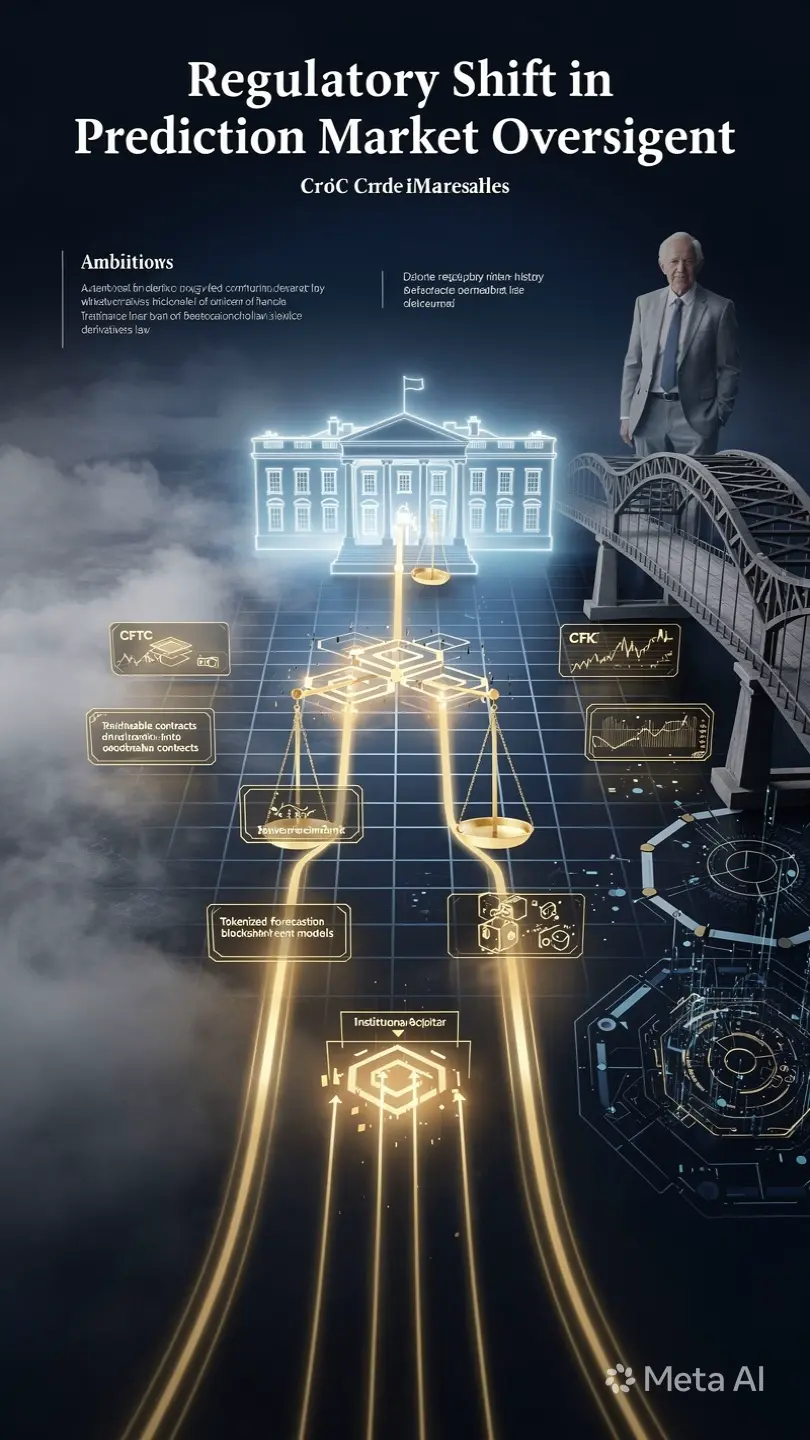
The central issue revolves around jurisdiction. The Commodity Futures Trading Commission has long argued that prediction markets tied to elections, economic events, and real-world outcomes can fall under derivatives oversight when structured as tradable contracts. Donald Trump previously voiced support for stronger CFTC authority in this field, a position many industry participants interpret as favorable toward innovation-oriented regulation rather than aggressive restriction.
Policy analysts increasingly believe the current debate is larger than prediction markets alone. Behind the scenes, regulators are effectively shaping the future relationship between decentralized finance infrastructure and traditional derivatives law. If the CFTC gains broader operational authority, market participants could see clearer legal pathways for event-driven trading systems, tokenized forecasting mechanisms, and blockchain settlement models.
Institutional investors are watching closely because regulatory clarity historically attracts larger pools of capital. Ambiguity creates hesitation, while defined frameworks often encourage infrastructure expansion. Several legal specialists believe a more structured regulatory environment could reduce operational risk for firms seeking exposure to blockchain-linked financial products.
At the same time, critics inside political and academic circles warn about ethical complications surrounding election-related contracts and public sentiment trading. Concerns include market manipulation, information asymmetry, and the psychological influence prediction systems may exert during sensitive political periods. These debates are expected to intensify as adoption grows.
From a market perspective, the White House review signals something highly important: digital financial infrastructure is no longer treated as an experimental fringe sector. Instead, policymakers increasingly recognize that blockchain-enabled trading environments already interact with broader financial systems, public discourse, and capital allocation mechanisms.
Several veteran macro traders compare the current phase to early regulatory battles surrounding electronic trading decades ago. Initially controversial systems eventually became core financial infrastructure once proper oversight frameworks emerged. A similar transition may now be unfolding for decentralized forecasting and blockchain-linked derivatives activity.
The coming months could therefore shape far more than prediction markets themselves. They may define how governments balance innovation, financial freedom, systemic stability, and political sensitivity inside the next generation of digital financial architecture.
Washington is moving closer toward a defining moment for prediction market regulation, as the White House officially reviews proposed rules connected to oversight authority inside the sector. The development carries major implications not only for political forecasting platforms, but also for the wider future of blockchain-based financial products and decentralized speculative markets.
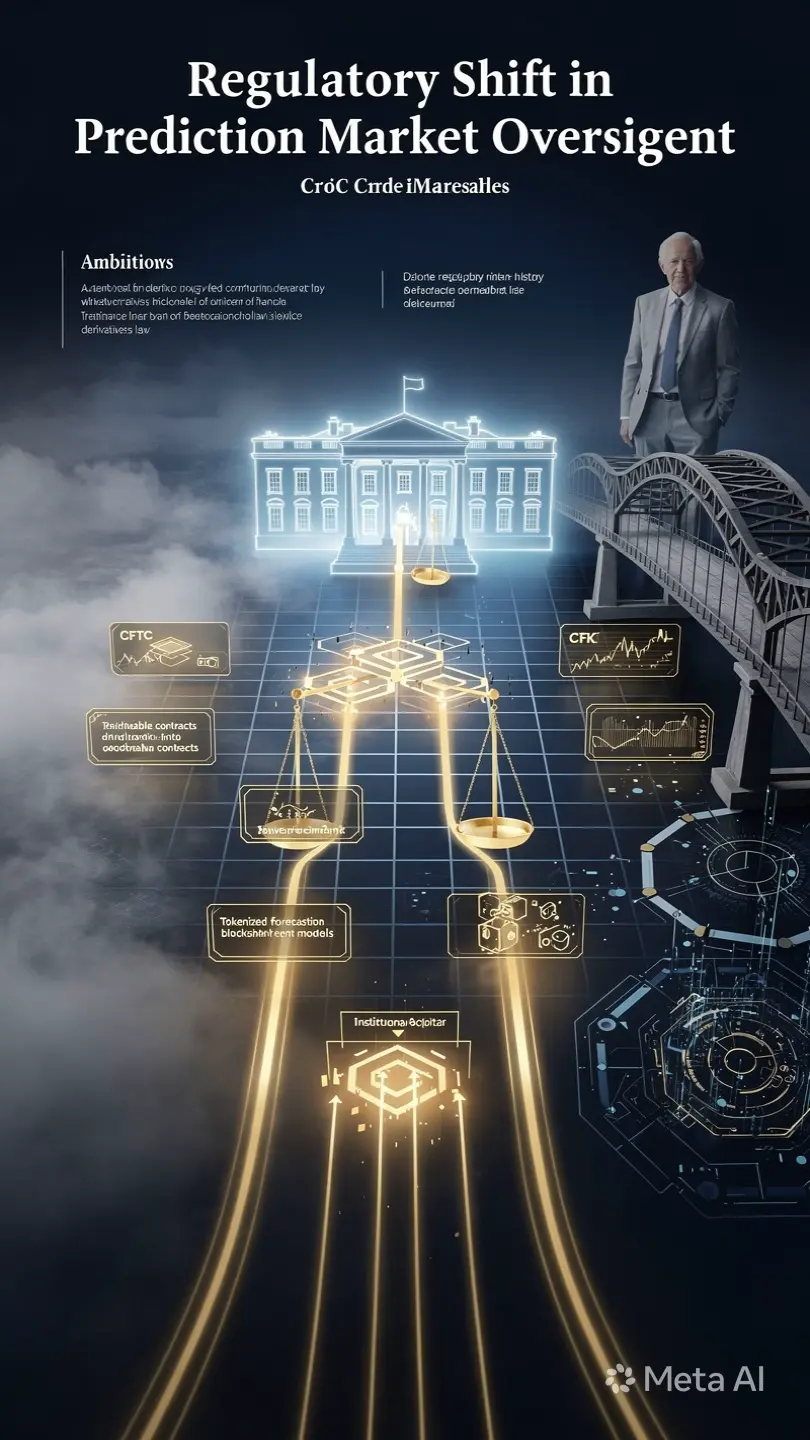
The central issue revolves around jurisdiction. The Commodity Futures Trading Commission has long argued that prediction markets tied to elections, economic events, and real-world outcomes can fall under derivatives oversight when structured as tradable contracts. Donald Trump previously voiced support for stronger CFTC authority in this field, a position many industry participants interpret as favorable toward innovation-oriented regulation rather than aggressive restriction.
Policy analysts increasingly believe the current debate is larger than prediction markets alone. Behind the scenes, regulators are effectively shaping the future relationship between decentralized finance infrastructure and traditional derivatives law. If the CFTC gains broader operational authority, market participants could see clearer legal pathways for event-driven trading systems, tokenized forecasting mechanisms, and blockchain settlement models.
Institutional investors are watching closely because regulatory clarity historically attracts larger pools of capital. Ambiguity creates hesitation, while defined frameworks often encourage infrastructure expansion. Several legal specialists believe a more structured regulatory environment could reduce operational risk for firms seeking exposure to blockchain-linked financial products.
At the same time, critics inside political and academic circles warn about ethical complications surrounding election-related contracts and public sentiment trading. Concerns include market manipulation, information asymmetry, and the psychological influence prediction systems may exert during sensitive political periods. These debates are expected to intensify as adoption grows.
From a market perspective, the White House review signals something highly important: digital financial infrastructure is no longer treated as an experimental fringe sector. Instead, policymakers increasingly recognize that blockchain-enabled trading environments already interact with broader financial systems, public discourse, and capital allocation mechanisms.
Several veteran macro traders compare the current phase to early regulatory battles surrounding electronic trading decades ago. Initially controversial systems eventually became core financial infrastructure once proper oversight frameworks emerged. A similar transition may now be unfolding for decentralized forecasting and blockchain-linked derivatives activity.
The coming months could therefore shape far more than prediction markets themselves. They may define how governments balance innovation, financial freedom, systemic stability, and political sensitivity inside the next generation of digital financial architecture.