#GateSquareDaily
#PredictionMarketDebate #CFTCFocus
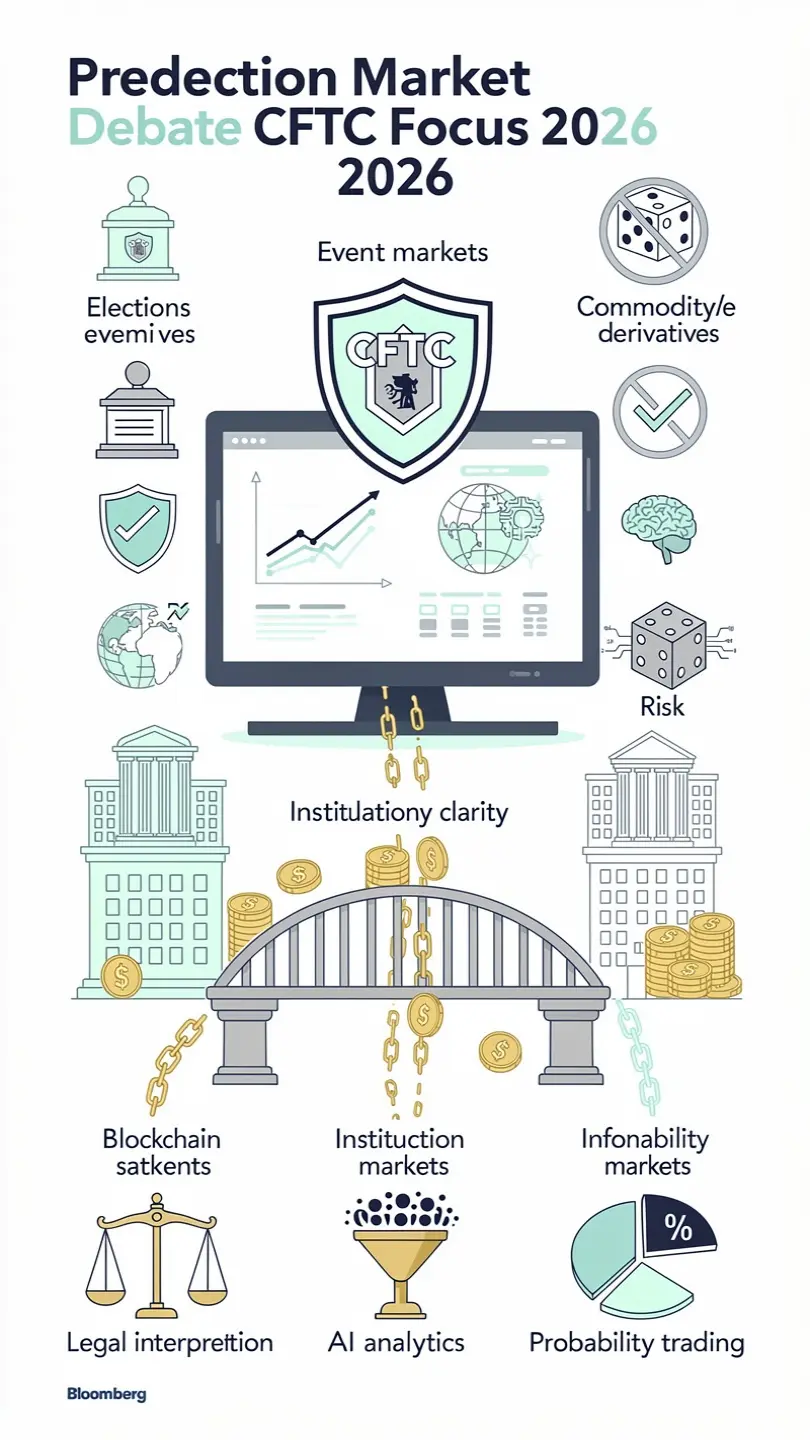
The political battle surrounding prediction markets is rapidly evolving into one of the most important regulatory discussions in modern digital finance. Recent statements emphasizing the importance of preserving the CFTC’s authority over event-based trading platforms have reignited debate across both crypto markets and traditional financial circles.
At first glance, prediction markets may appear to be simple speculative tools tied to elections, economic forecasts, or geopolitical events. In reality, however, these platforms are becoming something far more powerful: real-time information markets capable of aggregating crowd conviction faster than many traditional forecasting systems.
That is exactly why regulatory control over this sector now matters so much.
The latest political messaging supporting exclusive CFTC oversight reflects growing recognition that prediction markets increasingly resemble commodity-style derivative structures rather than conventional gambling systems. This distinction could have enormous long-term consequences for the future development of blockchain-based event trading.
For digital asset investors, the discussion goes far beyond politics.
Clear regulatory ownership could dramatically accelerate institutional participation inside prediction-market ecosystems. Large firms generally avoid sectors operating under fragmented or uncertain legal conditions. If oversight responsibilities become more clearly defined, prediction markets may begin attracting deeper liquidity, more sophisticated financial products, and stronger infrastructure investment.
This possibility is already influencing trader behavior.
Over the past year, blockchain-integrated prediction platforms experienced explosive growth as users increasingly turned toward decentralized forecasting systems during major elections, macroeconomic announcements, and geopolitical crises. Traders are no longer using these markets purely for entertainment. Many now treat them as alternative sentiment indicators capable of revealing crowd expectations before traditional financial markets fully react.
The convergence between prediction markets, blockchain settlement systems, and artificial intelligence analytics is especially important.
Modern event markets generate enormous amounts of behavioral data. Combined with AI-driven analysis tools, these platforms are gradually evolving into advanced information ecosystems capable of tracking probability shifts across politics, economics, finance, and global risk events in real time.
That transformation explains why regulators are paying closer attention.
Several critical issues now stand at the center of the debate:
• Which regulatory body should oversee event-based financial contracts
• How decentralized prediction systems fit into existing derivatives law
• Whether blockchain-based event trading should receive institutional market access
• How consumer protection rules should evolve inside decentralized environments
• The growing overlap between political forecasting and financial speculation
From a market perspective, regulatory clarity could become one of the strongest catalysts for the sector’s next growth phase.
However, risks remain substantial.
Prediction markets remain highly sensitive to legal interpretation, election cycles, political pressure, and liquidity concentration. Sudden enforcement shifts or restrictive policy decisions could still trigger sharp volatility across platforms connected to event-based trading ecosystems.
At the same time, momentum behind the sector continues building.
Institutional interest surrounding blockchain settlement infrastructure is rising. Decentralized liquidity systems are becoming more efficient. AI-enhanced forecasting models are improving rapidly. Together, these developments are turning prediction markets into a serious financial technology sector rather than a niche internet phenomenon.
The larger implication is becoming increasingly difficult to ignore:
The future financial system may not only trade assets.
It may increasingly trade probabilities themselves.
#PredictionMarketDebate #CFTCFocus
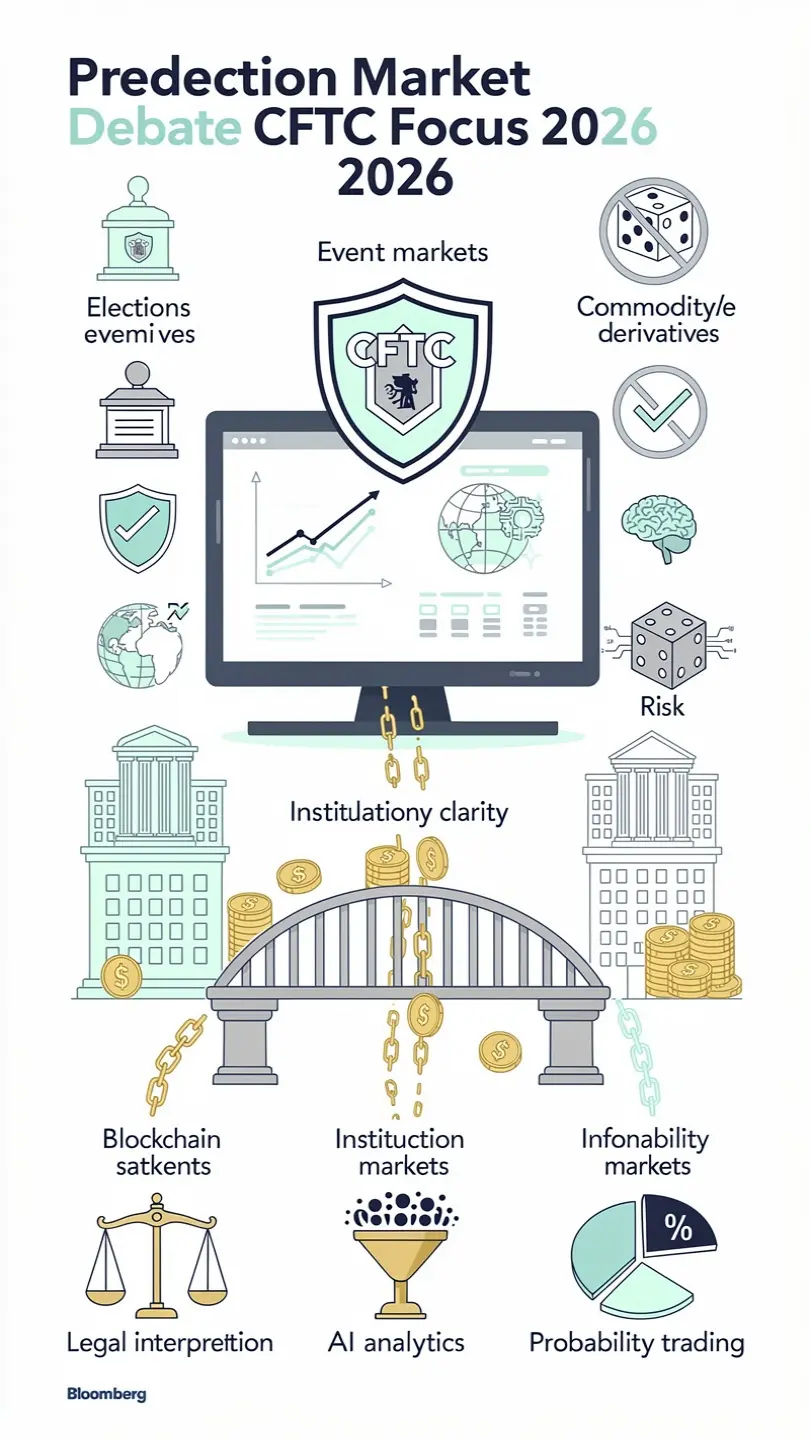
The political battle surrounding prediction markets is rapidly evolving into one of the most important regulatory discussions in modern digital finance. Recent statements emphasizing the importance of preserving the CFTC’s authority over event-based trading platforms have reignited debate across both crypto markets and traditional financial circles.
At first glance, prediction markets may appear to be simple speculative tools tied to elections, economic forecasts, or geopolitical events. In reality, however, these platforms are becoming something far more powerful: real-time information markets capable of aggregating crowd conviction faster than many traditional forecasting systems.
That is exactly why regulatory control over this sector now matters so much.
The latest political messaging supporting exclusive CFTC oversight reflects growing recognition that prediction markets increasingly resemble commodity-style derivative structures rather than conventional gambling systems. This distinction could have enormous long-term consequences for the future development of blockchain-based event trading.
For digital asset investors, the discussion goes far beyond politics.
Clear regulatory ownership could dramatically accelerate institutional participation inside prediction-market ecosystems. Large firms generally avoid sectors operating under fragmented or uncertain legal conditions. If oversight responsibilities become more clearly defined, prediction markets may begin attracting deeper liquidity, more sophisticated financial products, and stronger infrastructure investment.
This possibility is already influencing trader behavior.
Over the past year, blockchain-integrated prediction platforms experienced explosive growth as users increasingly turned toward decentralized forecasting systems during major elections, macroeconomic announcements, and geopolitical crises. Traders are no longer using these markets purely for entertainment. Many now treat them as alternative sentiment indicators capable of revealing crowd expectations before traditional financial markets fully react.
The convergence between prediction markets, blockchain settlement systems, and artificial intelligence analytics is especially important.
Modern event markets generate enormous amounts of behavioral data. Combined with AI-driven analysis tools, these platforms are gradually evolving into advanced information ecosystems capable of tracking probability shifts across politics, economics, finance, and global risk events in real time.
That transformation explains why regulators are paying closer attention.
Several critical issues now stand at the center of the debate:
• Which regulatory body should oversee event-based financial contracts
• How decentralized prediction systems fit into existing derivatives law
• Whether blockchain-based event trading should receive institutional market access
• How consumer protection rules should evolve inside decentralized environments
• The growing overlap between political forecasting and financial speculation
From a market perspective, regulatory clarity could become one of the strongest catalysts for the sector’s next growth phase.
However, risks remain substantial.
Prediction markets remain highly sensitive to legal interpretation, election cycles, political pressure, and liquidity concentration. Sudden enforcement shifts or restrictive policy decisions could still trigger sharp volatility across platforms connected to event-based trading ecosystems.
At the same time, momentum behind the sector continues building.
Institutional interest surrounding blockchain settlement infrastructure is rising. Decentralized liquidity systems are becoming more efficient. AI-enhanced forecasting models are improving rapidly. Together, these developments are turning prediction markets into a serious financial technology sector rather than a niche internet phenomenon.
The larger implication is becoming increasingly difficult to ignore:
The future financial system may not only trade assets.
It may increasingly trade probabilities themselves.