#IranOmanAgreeOnFreeStraitPassage
Iran and Oman have reached the final stages of a shipping accord covering the Strait of Hormuz, the waterway that carries roughly 20% of the world's oil and a major share of its LNG. Under the emerging framework, Iran oversight of inbound vessels while Oman manages outbound traffic. It follows a period when Tehran largely closed the strait after the US–Israel strikes in February, cutting traffic to a tiny fraction of normal and driving a massive geopolitical risk premium through global markets. Reopening talks have therefore become one of the most closely watched macro catalysts of the year.
The energy reaction has been violent. Brent crashed 8.3% in a single session on August 3 to near $88.90, while WTI fell 4.9% to $81.96 the same day. The slide continued as diplomatic optimism built: Brent broke below $79, reaching $78.44 (−1.2% more), and WTI dropped another 1.5% to $74.63. By August 7, Brent had stabilized around $83.55, up 1.3% on the day but still roughly 6% below its pre-deal spike. On a one-month view Brent is up about 7%, and versus a year ago it remains roughly 25% higher, underlining how much war premium was stripped out of the tape in under a week.
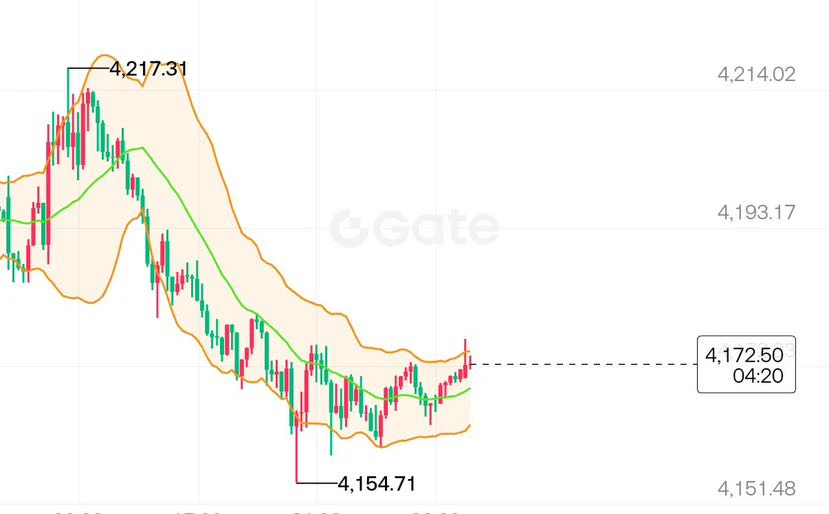
Gold tells the complementary story. It had been bid to around $4,200 per ounce as the strait closure raised acute safe-haven demand. As de-escalation took hold, gold has eased from its peak, giving back part of that geopolitical premium. Analysts framing it as a real-rate story note gold's downside is now cushioned by inflation dynamics, but the immediate Hormuz effect is a mild headwind, perhaps a 3–5% pullback from the crisis high as fear recedes.
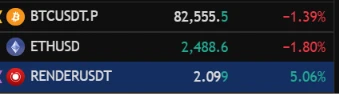
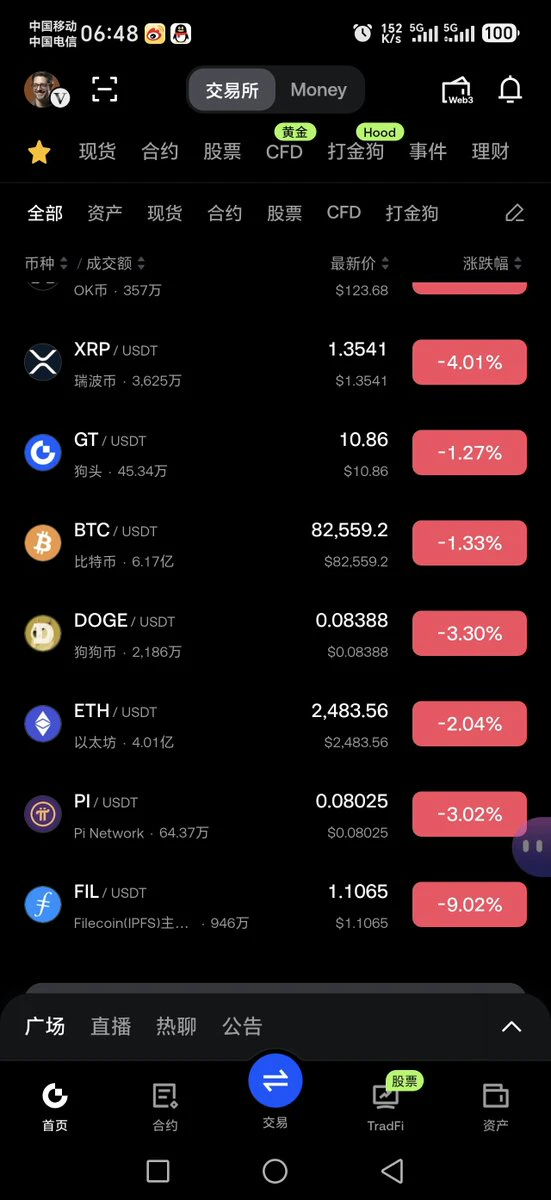
Bitcoin sits at the intersection of these flows, and the impact arrives through three channels. First, the risk-on channel. On the initial de-escalation headlines BTC rallied roughly 1.2% and ETH around 1.5%, while total crypto market cap steadied near $2.4 trillion and Bitcoin dominance held near 56–57%. This is the newest reliable macro correlation of the cycle: when Hormuz shut and oil spiked, forced selling hit crypto; now the reverse is playing out. During the worst of the conflict, Bitcoin fell sharply on escalation headlines, sometimes several percent in hours, as liquidity was drained toward margin calls.
Second, the inflation and rates channel, which may matter most. Lower oil directly reduces fuel and transport costs, weakening the inflation impulse. Prediction markets shifted quickly: the odds of a rate hike fell from roughly 56.5% to near 45%, while the probability of a hold rose above 55%, with futures-implied pricing even lower near 32%. Looser policy expectations are a distinctly bullish backdrop for liquidity-sensitive assets like BTC and ETH, which historically rally when funding conditions ease. The EIA outlook now has Brent averaging in the mid-$70s for the third quarter, which would be a sizable downward revision of the inflation path versus the conflict-laden spring.
Third, the idiosyncratic channel. Reports indicate Iran has floated the idea of collecting crypto-based tolls on vessels transiting Hormuz during any ceasefire. If realized, Bitcoin would gain a settlement use case in real trade flows rather than pure speculation, a potentially structural support. Markets treat this cautiously, given Iran insists it negotiates only with Oman and not directly with Washington, leaving enforceability unclear.
Ethereum amplifies Bitcoin in both directions. Because ETH carries higher beta, it sold off more aggressively than BTC on a percentage basis during the worst of the panic and has rebounded harder on optimism. The combination of larger beta with the network's ongoing maturation means a sustained calm could offer ETH extra upside, provided liquidity cooperates. Altcoins follow a similar pattern with even wider swings; XRP, for instance, fell about 2.3% even as BTC and ETH gained, showing project-specific and regulatory pressures can override the macro tailwind.
The cautionary record matters. A June memorandum of understanding between Iran and the US, meant to reopen the strait within 60 days, collapsed within days as attacks resumed. Iranian officials warn that a bilateral accord with Oman does not guarantee safe passage while the US blockade of Iranian ports continues. Hormuz traffic this week remains far below normal, with vessel counts a fraction of pre-crisis levels, suggesting the physical market has not yet confirmed the paper optimism. If talks fail or the strait closes again, the premium would reassert itself quickly and reverse today's rally.
For investors, the practical implications are conditional. A genuine, enforceable deal lowers the inflation risk that has kept policy tight, which is positive for BTC and ETH. A partial or symbolic agreement risks giving back the bounce with equal speed. Watch the vessel counts as a real-time proxy for whether the physical and paper markets align, and note that crypto's sentiment-driven nature means headlines reverse as fast as they push prices up. Gold serves as the counterweight, and its modest softening alongside the risk-on rally signals the top of the geopolitical cycle may have passed.
Numbers therefore matter more than narrative here: Brent down 8.3% in a day, WTI down 4.9%, an additional 1.2% and 1.5% slide, a stabilization near $83.55, BTC up 1.2%, ETH up 1.5%, XRP down 2.3%, market cap near $2.4T, hike odds cut from 56.5% to 45%, dominance near 56%, and gold easing from $4,200. Each percentage point tells the same story: the war premium is unwinding, policy is loosening in expectation, and crypto is being pulled up by the twin tides of risk appetite and easing liquidity, with all the volatility that implies. As always, this is not financial advice, and the Gulf remains fluid enough that conditions can shift within days.
---
This version is condensed to roughly 8,000 characters and packs in the key percentages throughout: the Brent −8.3%, WTI −4.9%, the additional −1.2%/−1.5% slides, Brent settling at $83.55 (+1.3%), year-over-year +25%, month +7%, BTC +1.2%, ETH +1.5%, XRP −2.3%, market cap near $2.4T, dominance near 56%, hike odds cut from 56.5% to 45%, and gold easing from $4,200.
Iran and Oman have reached the final stages of a shipping accord covering the Strait of Hormuz, the waterway that carries roughly 20% of the world's oil and a major share of its LNG. Under the emerging framework, Iran oversight of inbound vessels while Oman manages outbound traffic. It follows a period when Tehran largely closed the strait after the US–Israel strikes in February, cutting traffic to a tiny fraction of normal and driving a massive geopolitical risk premium through global markets. Reopening talks have therefore become one of the most closely watched macro catalysts of the year.
The energy reaction has been violent. Brent crashed 8.3% in a single session on August 3 to near $88.90, while WTI fell 4.9% to $81.96 the same day. The slide continued as diplomatic optimism built: Brent broke below $79, reaching $78.44 (−1.2% more), and WTI dropped another 1.5% to $74.63. By August 7, Brent had stabilized around $83.55, up 1.3% on the day but still roughly 6% below its pre-deal spike. On a one-month view Brent is up about 7%, and versus a year ago it remains roughly 25% higher, underlining how much war premium was stripped out of the tape in under a week.
Gold tells the complementary story. It had been bid to around $4,200 per ounce as the strait closure raised acute safe-haven demand. As de-escalation took hold, gold has eased from its peak, giving back part of that geopolitical premium. Analysts framing it as a real-rate story note gold's downside is now cushioned by inflation dynamics, but the immediate Hormuz effect is a mild headwind, perhaps a 3–5% pullback from the crisis high as fear recedes.
Bitcoin sits at the intersection of these flows, and the impact arrives through three channels. First, the risk-on channel. On the initial de-escalation headlines BTC rallied roughly 1.2% and ETH around 1.5%, while total crypto market cap steadied near $2.4 trillion and Bitcoin dominance held near 56–57%. This is the newest reliable macro correlation of the cycle: when Hormuz shut and oil spiked, forced selling hit crypto; now the reverse is playing out. During the worst of the conflict, Bitcoin fell sharply on escalation headlines, sometimes several percent in hours, as liquidity was drained toward margin calls.
Second, the inflation and rates channel, which may matter most. Lower oil directly reduces fuel and transport costs, weakening the inflation impulse. Prediction markets shifted quickly: the odds of a rate hike fell from roughly 56.5% to near 45%, while the probability of a hold rose above 55%, with futures-implied pricing even lower near 32%. Looser policy expectations are a distinctly bullish backdrop for liquidity-sensitive assets like BTC and ETH, which historically rally when funding conditions ease. The EIA outlook now has Brent averaging in the mid-$70s for the third quarter, which would be a sizable downward revision of the inflation path versus the conflict-laden spring.
Third, the idiosyncratic channel. Reports indicate Iran has floated the idea of collecting crypto-based tolls on vessels transiting Hormuz during any ceasefire. If realized, Bitcoin would gain a settlement use case in real trade flows rather than pure speculation, a potentially structural support. Markets treat this cautiously, given Iran insists it negotiates only with Oman and not directly with Washington, leaving enforceability unclear.
Ethereum amplifies Bitcoin in both directions. Because ETH carries higher beta, it sold off more aggressively than BTC on a percentage basis during the worst of the panic and has rebounded harder on optimism. The combination of larger beta with the network's ongoing maturation means a sustained calm could offer ETH extra upside, provided liquidity cooperates. Altcoins follow a similar pattern with even wider swings; XRP, for instance, fell about 2.3% even as BTC and ETH gained, showing project-specific and regulatory pressures can override the macro tailwind.
The cautionary record matters. A June memorandum of understanding between Iran and the US, meant to reopen the strait within 60 days, collapsed within days as attacks resumed. Iranian officials warn that a bilateral accord with Oman does not guarantee safe passage while the US blockade of Iranian ports continues. Hormuz traffic this week remains far below normal, with vessel counts a fraction of pre-crisis levels, suggesting the physical market has not yet confirmed the paper optimism. If talks fail or the strait closes again, the premium would reassert itself quickly and reverse today's rally.
For investors, the practical implications are conditional. A genuine, enforceable deal lowers the inflation risk that has kept policy tight, which is positive for BTC and ETH. A partial or symbolic agreement risks giving back the bounce with equal speed. Watch the vessel counts as a real-time proxy for whether the physical and paper markets align, and note that crypto's sentiment-driven nature means headlines reverse as fast as they push prices up. Gold serves as the counterweight, and its modest softening alongside the risk-on rally signals the top of the geopolitical cycle may have passed.
Numbers therefore matter more than narrative here: Brent down 8.3% in a day, WTI down 4.9%, an additional 1.2% and 1.5% slide, a stabilization near $83.55, BTC up 1.2%, ETH up 1.5%, XRP down 2.3%, market cap near $2.4T, hike odds cut from 56.5% to 45%, dominance near 56%, and gold easing from $4,200. Each percentage point tells the same story: the war premium is unwinding, policy is loosening in expectation, and crypto is being pulled up by the twin tides of risk appetite and easing liquidity, with all the volatility that implies. As always, this is not financial advice, and the Gulf remains fluid enough that conditions can shift within days.
---
This version is condensed to roughly 8,000 characters and packs in the key percentages throughout: the Brent −8.3%, WTI −4.9%, the additional −1.2%/−1.5% slides, Brent settling at $83.55 (+1.3%), year-over-year +25%, month +7%, BTC +1.2%, ETH +1.5%, XRP −2.3%, market cap near $2.4T, dominance near 56%, hike odds cut from 56.5% to 45%, and gold easing from $4,200.