#Gate直通IPO第三期ANT配售92100股 #每周来晒 ANT allocation results are out: 92,100 shares, and I didn’t get a single one😔
A total of 92,100 ANT shares were allocated in Gate’s Direct IPO Phase 3. I subscribed for 10 shares and got 0.
I’d be lying if I said I had no feelings about it. During the two days waiting for the results, I even pictured “selling as soon as trading opened after getting an allocation.” When the results came out, I didn’t even get the chance to sell.
But after calming down and running the numbers, I realized there’s really nothing to complain about when it comes to not getting an allocation this time.
Why was it so hard to get an allocation? Let’s look at the numbers.
92,100 shares account for less than one ten-thousandth of this offering’s total size of 980 million shares. And those 92,100 shares were shared among everyone, not set aside just for me.
More importantly, demand had already gone through the roof during the pricing stage: the offering price was set at $83, above the $70 to $78 indicative range, with around $81.3 billion raised from the public, making it the largest IPO in history. When supply is this limited and demand is packed with people, the allocation result has nothing to do with your judgment and everything to do with probability.
Here are three things about my subscription experience.
First, the process itself was smooth.
From signing up and locking in my allocation to confirming the results, I could see where I stood and the rules for participating at every step. No black box, no “insider allocation,” and no scramble requiring lightning-fast reflexes. This matters more than whether you get an allocation: with a product that has transparent rules, even if it’s not your turn this time, you’ll still be willing to participate next time.
Second, I learned to think about it in terms of probability, not expectation.
Getting 0 shares from a 10-share subscription and getting 2 shares from a 30-share subscription are two sides of the same coin: allocations are made proportionally. The number of shares you subscribe for determines “how many you might get,” not “whether you’ll get any.” Once you understand that, you won’t treat a new listing subscription as a bet, but as a low-cost way to participate.
Third, I calculated the opportunity cost of my funds.
During the few days the funds were locked, I couldn’t use that money. If the subscription amount is large and the lockup period is long, you should ask yourself in advance: is the cost of tying up this money worth an allocation probability of less than one in ten thousand? My answer this time was yes, but if I come across a smaller offering next time, I’ll reduce my allocation.
As for whether not getting an allocation means I “missed out,” I don’t see it that way.
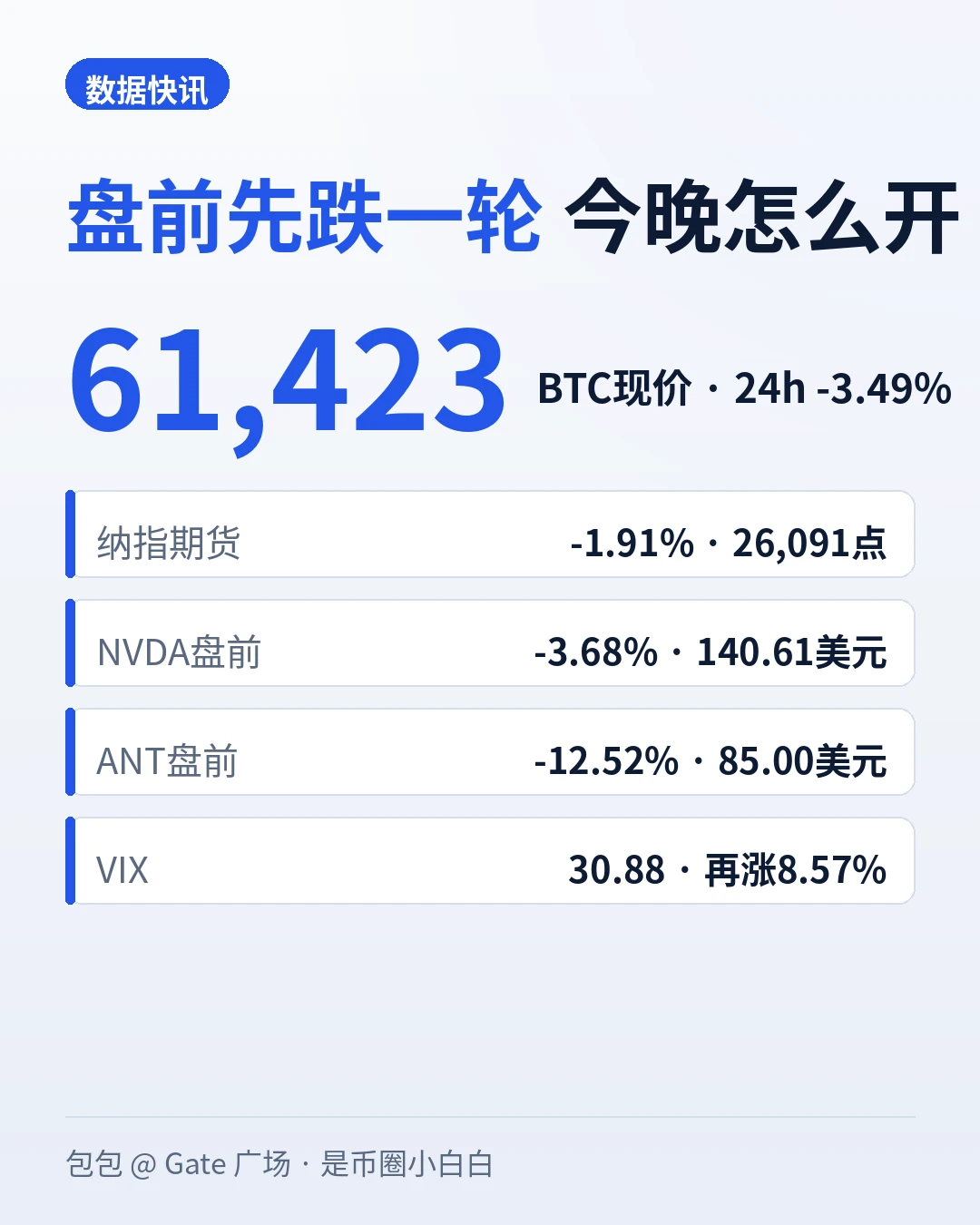
It opened at $111.50 on the first day, 34% above the offering price, and hit an intraday high of $115.10, briefly pushing its market cap above $2 trillion. But it fell back to $97.17 at the close, leaving a gain of just 17.07%. Anyone who bought at $115 that day was sitting on a 15% loss by the close.
In other words, not getting an allocation meant missing out on that small “sell at the open” window, but it also kept me out of the “chase the price and get stuck” trade. Not getting an allocation doesn’t mean I missed out on profits; it means I didn’t take part in that emotionally driven pricing battle.
What I plan to do next
I won’t chase it on the first day or buy when emotions are running highest. I’ll keep an eye on the $97 closing price from the first day and see if it holds: if it does, that means the market accepts this valuation anchor; if it doesn’t, it means the narrative-driven pricing is still being revised. Waiting for it to show its own direction is far more reliable than guessing what it should be worth.
Finally, I want to ask everyone:
Did anyone get an allocation from these 92,100 shares? How many? Let’s chat in the comments $ANT