The US-Iran Memorandum of Understanding Stimulates Market Sentiment to Warm Up.
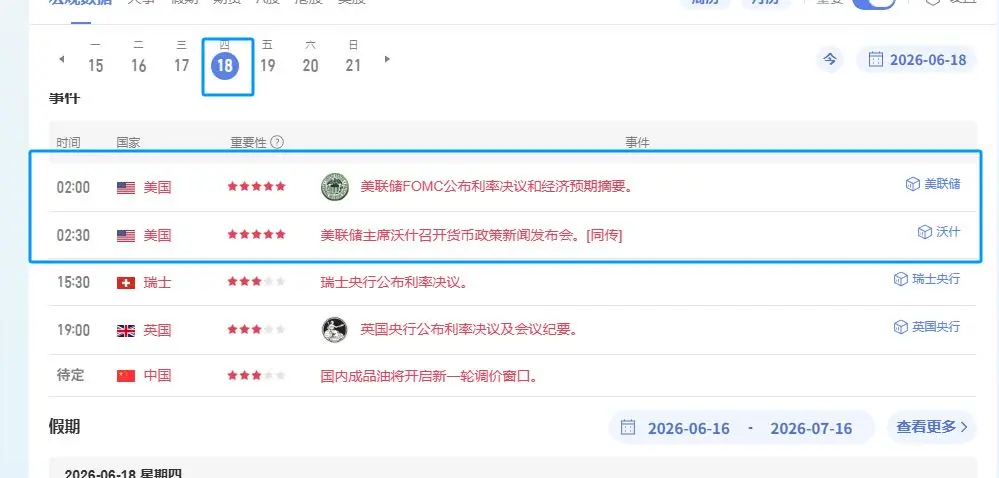
This Thursday, the Federal Reserve's interest rate decision, Waller's first appearance since taking office, is the most critical test of the credibility of this agreement.
Trump's approval rating has been declining recently, and the easing with Iran mainly aims to attract voters and boost public opinion.
But Israel doesn't buy into this; whether it's an agreement or not, the strikes will continue, and the hidden dangers in the Middle East haven't been fully eliminated.
Whether the Strait of Hormuz can be navigated smoothly is uncertain now; the definitive news will come after the official negotiations and signing on Friday.
Additionally, Japan just raised interest rates, reaching a 31-year high, and the pace of global central banks has completely diverged.
The timing overlaps: the memorandum is expected to be finalized on the 14th-15th, the Fed's decision on the 17th-18th, and the official signing of the negotiations on the 19th.
The Federal Reserve is essentially the world's first authoritative institution; before the agreement is fully implemented, its tone on inflation and geopolitical risks directly influences how large funds view how long this easing trend can last.
Waller is currently caught in a dilemma: Trump hopes for rate cuts to boost the economy and increase votes, but the Fed's primary task is still to control inflation.
Whether the easing with Iran is substantive can be understood from the hawkish or dovish attitude at this meeting.
In the end, it still depends on macro liquidity; short-term sentiment has little reference for trend reversal!
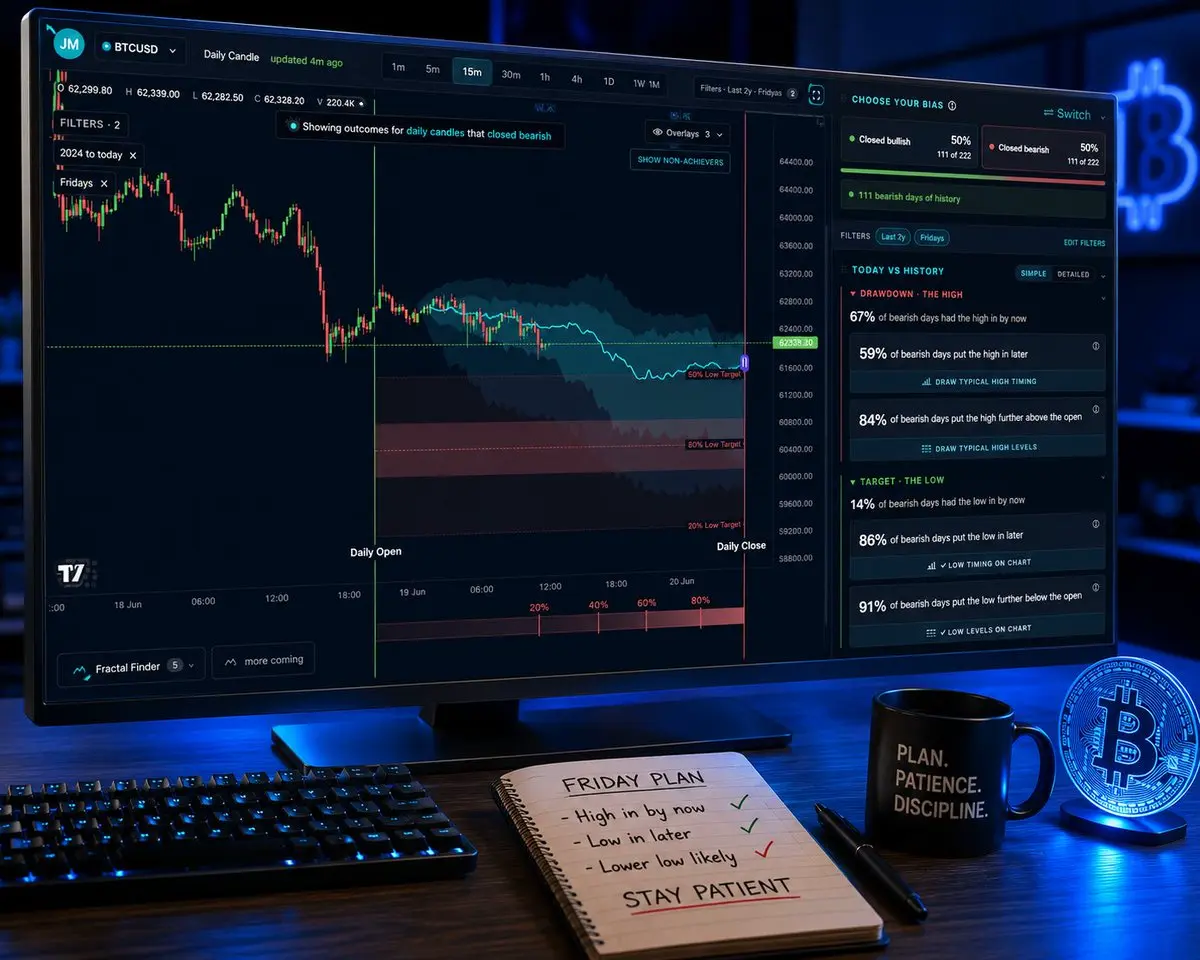
So whether the trend can reverse ultimately depends on waiting; be patient and wait.
#日本加息