Laxi

vip
Age 0.7 Year
Peak Tier 5
No content yet
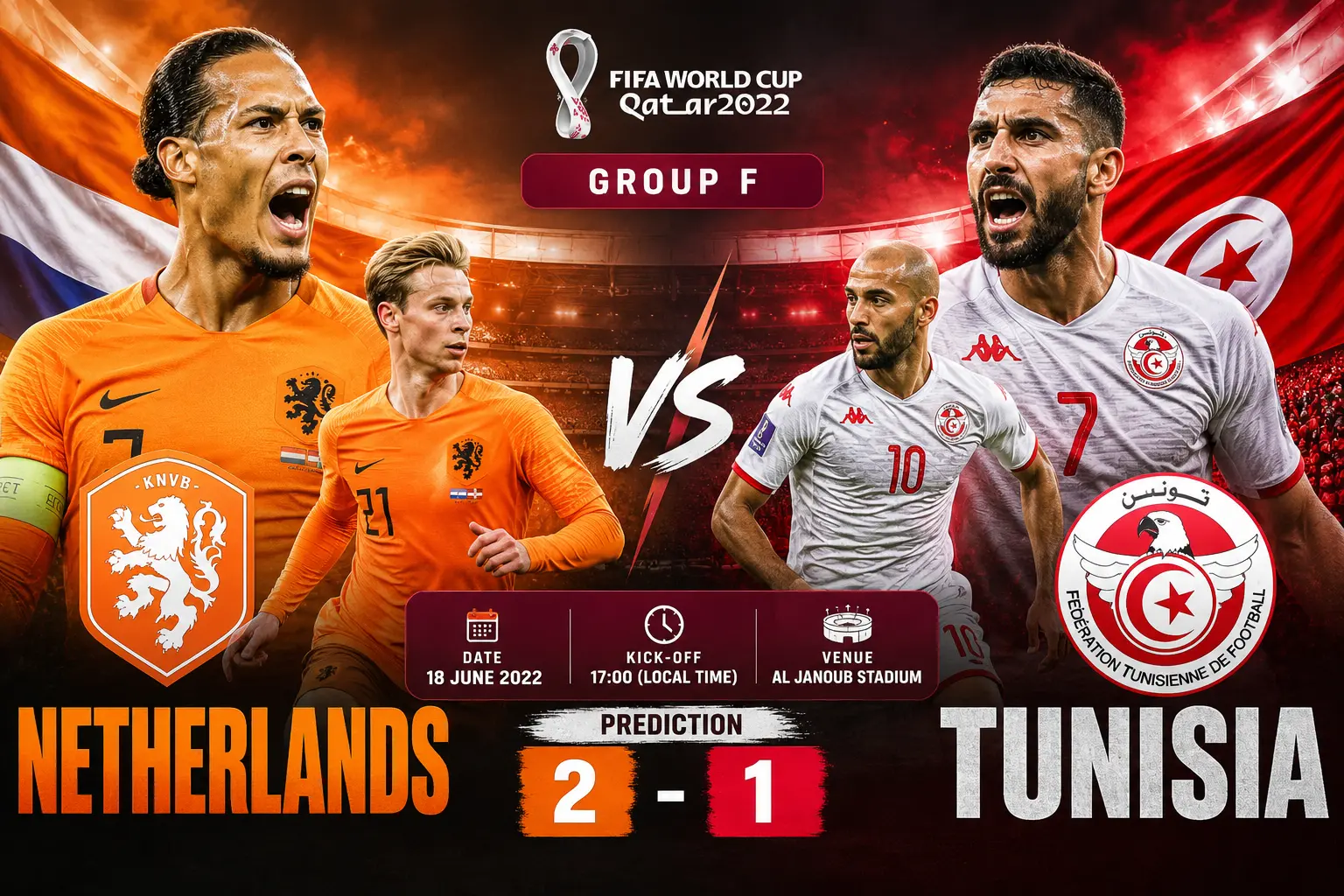
#PredictWorldCupWin40000U 🇳🇱 Netherlands vs Tunisia 🔥 | World Cup Group F Prediction
The Netherlands are marching into this crucial Group F clash as overwhelming favorites! After collecting 4 points from two matches — a thrilling 2-2 draw against Japan followed by a dominant 5-1 demolition of Sweden — the Dutch side is firing on all cylinders.
Tunisia, unfortunately, have been in freefall. They suffered a humiliating 5-1 loss to Sweden and a shocking 4-0 defeat against Japan, conceding a staggering 9 goals in just two games while scoring only 1. Their defense has completely collapsed, and w
CryptoDiscovery
#PredictWorldCupWin40000U 🇳🇱 Netherlands vs Tunisia 🔥 | World Cup Group F Prediction
The Netherlands are marching into this crucial Group F clash as overwhelming favorites! After collecting 4 points from two matches — a thrilling 2-2 draw against Japan followed by a dominant 5-1 demolition of Sweden — the Dutch side is firing on all cylinders.
Tunisia, unfortunately, have been in freefall. They suffered a humiliating 5-1 loss to Sweden and a shocking 4-0 defeat against Japan, conceding a staggering 9 goals in just two games while scoring only 1. Their defense has completely collapsed, and with elimination already confirmed, they are playing only for pride.
My Strong Prediction:
Netherlands Win Probability: 75%
Draw Probability: 17%
Tunisia Win Probability: 8%
Predicted Score: Netherlands 3-0 Tunisia
Alternative Scores: 2-0, 4-1 (or 1-1 if heavy rotation happens)
Why Netherlands Dominate This Match:
Explosive attack led by Cody Gakpo and other stars — 7 goals scored in two matches.
Perfect balance between attack and defense.
Unbeaten in the group stage with massive motivation to finish 1st in Group F for a better knockout path.
Superior squad quality, transition play, possession, and finishing.
Tunisia’s defensive organization is in ruins compared to their qualification campaign. Coach Herve Renard wants dignity in their final game, but facing a confident, high-momentum Dutch team makes it an uphill battle.
Expected Scenario: Netherlands will control possession from minute one, create wave after wave of attacks, and likely score early. Tunisia may park the bus and look for counters, but their leaky defense will struggle badly against Oranje quality.
The Dutch have shown they can punish any mistake ruthlessly. This should be a comfortable victory that seals top spot in the group.
Final Verdict: Netherlands are the clear strongest pick. Back them confidently for a solid win! Tunisia can fight with pride, but quality, form, and motivation all point towards a convincing Oranje victory.
#SquarePrediction #世界杯 #Win40000U
repost-content-media
  • Reward
  • 2
  • Repost
  • Share
ybaser:
2026 GOGOGO 👊
View More
#STRC跌破面值11%創上市新低
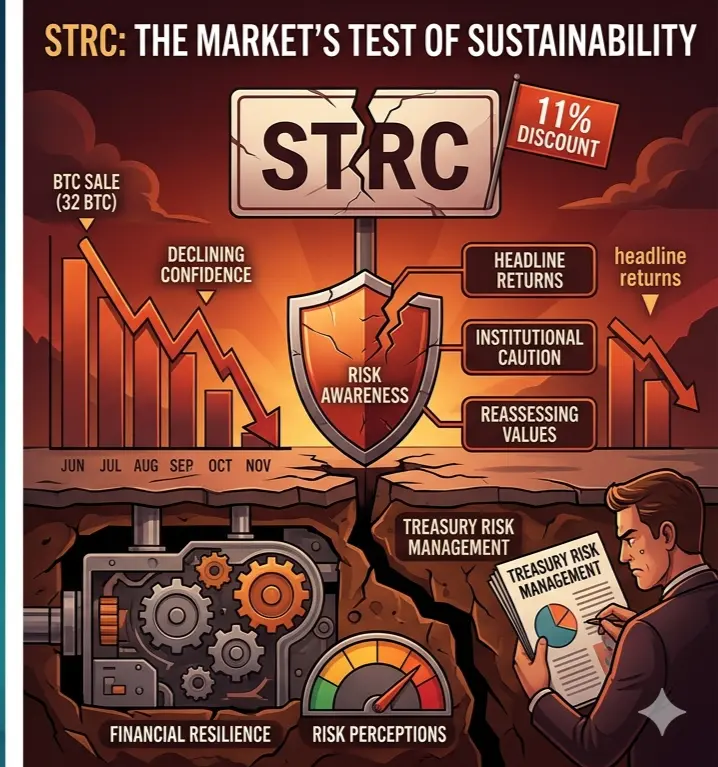
When I first saw that STRC had fallen to $89 and was trading at an 11% discount to its $100 face value, my immediate reaction was not excitement about the nearly 13% yield. Instead, I started asking myself why the market was demanding such a large discount in the first place.
One lesson I have learned from investing is that high yields often attract attention, but experienced investors usually focus on the reason behind those yields. A growing yield caused by improving business performance is very different from a growing yield caused by declining investor confidence. In the
BTC-0.15%
MrFlower_Prime
#STRC跌破面值11%創上市新低
When I first saw that STRC had fallen to $89 and was trading at an 11% discount to its $100 face value, my immediate reaction was not excitement about the nearly 13% yield. Instead, I started asking myself why the market was demanding such a large discount in the first place.
One lesson I have learned from investing is that high yields often attract attention, but experienced investors usually focus on the reason behind those yields. A growing yield caused by improving business performance is very different from a growing yield caused by declining investor confidence. In the case of STRC, the market seems more interested in sustainability than headline returns.
Looking Beyond the Yield
At first glance, a yield approaching 12.9% appears attractive. Many traditional fixed-income products struggle to offer returns anywhere near that level. However, financial markets rarely provide unusually high returns without expecting investors to accept additional risk.
The recent decline suggests that investors are becoming more cautious about the balance between income generation and long-term financial stability. Rather than asking how much they can earn today, many are asking whether those returns can be maintained over the years ahead.
Why the Bitcoin Sale Matters
The reported sale of 32 BTC may appear small compared with the company's broader treasury holdings, but markets often react more strongly to signals than to numbers alone.
For some investors, the sale raises concerns about whether treasury assets are being used to support ongoing obligations. Even if the transaction has only a limited financial impact, it encourages market participants to examine how future dividend commitments may be managed if similar conditions continue.
This is why investor sentiment can change quickly. Confidence is not built solely on financial statements; it is also influenced by perceptions regarding management strategy and long-term sustainability.
A New Challenge for Crypto Treasury Models
For years, many companies have explored Bitcoin treasury strategies as a way to enhance corporate value. During strong market cycles, these strategies often look highly successful. Rising asset values create optimism and reinforce confidence in management decisions.
The real challenge emerges during periods of uncertainty. Investors begin evaluating whether these strategies can perform consistently across different market environments rather than only during bullish conditions.
STRC is now facing exactly that test.
The Institutional Perspective
Large investors are often less concerned with short-term price fluctuations and more focused on risk-adjusted returns. An 11% discount may indicate that institutions are reassessing how they value products connected to cryptocurrency reserves.
As risk perceptions increase, investors generally demand greater compensation. This adjustment can create pressure on prices even when the underlying assets remain valuable.
In many ways, the current situation reflects a broader shift in market thinking. Investors are becoming more selective and placing greater emphasis on financial resilience rather than aggressive growth alone.
What I Am Watching
If STRC can gradually restore confidence and move back toward its face value, it may demonstrate that crypto-backed financial structures can remain effective even during periods of stress. Such an outcome could strengthen institutional interest in similar products and encourage further innovation in digital asset finance.
On the other hand, if the discount continues to widen, investors may become increasingly cautious toward treasury-based yield models. Future projects could face higher expectations regarding transparency, risk management, and capital preservation.
Final Thoughts
I believe STRC has become more than a single financial product. It is now a real-world case study showing how traditional income-focused investing can interact with digital asset treasury management.
The most important question is no longer whether Bitcoin can create corporate value. The more important question is whether companies can convert that value into sustainable shareholder returns while navigating market volatility, investor expectations, and long-term financial obligations.
The answer may influence how institutions view crypto-backed finance for years to come.
#PredictWorldCupWin40000U #PredictWorldCupShare20000U @Gate_Square @GateSquare
repost-content-media
  • Reward
  • Comment
  • Repost
  • Share
#GateLaunchesHongKongStockTrading
📈 The recent move by Gate to introduce Hong Kong stock trading feels like a clear signal that financial markets are entering a new phase where boundaries between crypto and traditional finance are becoming less relevant.
When I first started trading, I always felt the biggest challenge was not finding opportunities, but managing them across too many different platforms. Crypto on one exchange, stocks on another app, forex somewhere else, and commodities in a completely separate system. That fragmentation didn’t just slow decisions—it also made it harder to s
MrFlower_Prime
#GateLaunchesHongKongStockTrading
📈 The recent move by Gate to introduce Hong Kong stock trading feels like a clear signal that financial markets are entering a new phase where boundaries between crypto and traditional finance are becoming less relevant.
When I first started trading, I always felt the biggest challenge was not finding opportunities, but managing them across too many different platforms. Crypto on one exchange, stocks on another app, forex somewhere else, and commodities in a completely separate system. That fragmentation didn’t just slow decisions—it also made it harder to see the bigger market picture.
Now, with a single ecosystem expanding into Hong Kong equities, the experience feels more unified. Hong Kong is not just another market. It is one of Asia’s strongest financial hubs, where global capital meets high-growth sectors like technology, finance, healthcare, and consumer innovation. Having access to this market alongside crypto assets changes how capital can be managed in real time.
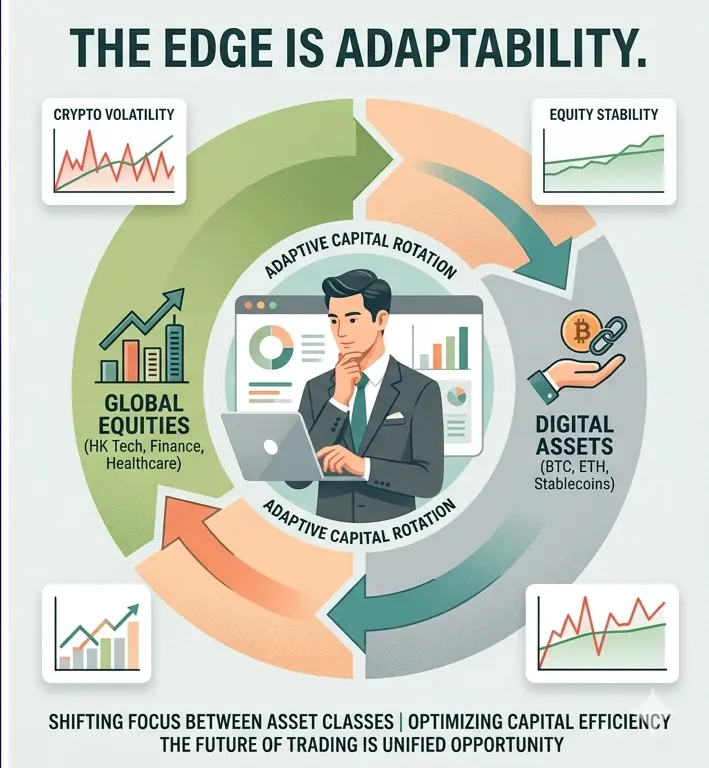
🌍 What stands out most is flexibility. In trading, conditions are never stable for long. Crypto markets can be highly volatile, while equity markets may move more gradually. Being able to rotate between these environments without leaving a single platform creates a practical advantage. It allows capital to stay active instead of sitting idle during slow phases in one market.
Over time, I have learned that the real edge in trading is not just prediction, but adaptability. Markets change constantly, and the ability to shift focus between asset classes is becoming more important than focusing on only one category.
💡 From a broader perspective, this also reflects where finance is heading. The separation between crypto and traditional markets is slowly fading. Investors are no longer thinking in terms of “crypto traders” or “stock investors.” They are thinking in terms of opportunity across all markets.
Platforms that successfully combine these worlds are not just adding features—they are changing how people interact with global finance.
In my view, this is still early. But the direction is clear: the future of trading will be less about switching platforms and more about switching opportunities.
And the platforms that make that possible will shape the next era of investing.
#MyGateTradeStory
#PredictWorldCupWin40000U #PredictWorldCupShare20000U @Gate_Square @GateSquare
repost-content-media
  • Reward
  • Comment
  • Repost
  • Share
MrFlower_Prime
#MyGateTradeStory
Netherlands vs Sweden looks like a tight but slightly Netherlands-favored matchup based on current form and squad depth.
The Netherlands come into this game after a 2–2 draw with Japan, where they showed strong attacking control but defensive lapses at key moments. Players like Frenkie de Jong, Cody Gakpo, and Virgil van Dijk still give them a very high technical ceiling, especially in midfield control and set-piece strength.
Sweden, however, are full of momentum after a dominant 5–1 win over Tunisia. Their attack with Alexander Isak and Viktor Gyökeres has been very sharp, and they look dangerous in transition when they get space behind the defense.
🔮 Prediction
Netherlands win probability: Slight edge
Sweden threat level: High (especially counterattacks)
Expected match style: Open game with chances on both sides
⚽ My score prediction
Netherlands 2–1 Sweden
📊 Betting-style lean
BTTS (Yes) ✔️
Over 2.5 goals ✔️ (slightly risky but possible)
Netherlands win ✔️ (narrow margin)
If Sweden score first, this becomes very difficult for the Dutch — but overall, Netherlands still have the stronger balance across defense + midfield control.
#PredictWorldCupWin40000U Gate_Square @GateSquare
repost-content-media
  • Reward
  • 2
  • Repost
  • Share
Venüs_:
To The Moon 🌕
View More
MrFlower_Prime
#MyGateTradeStory
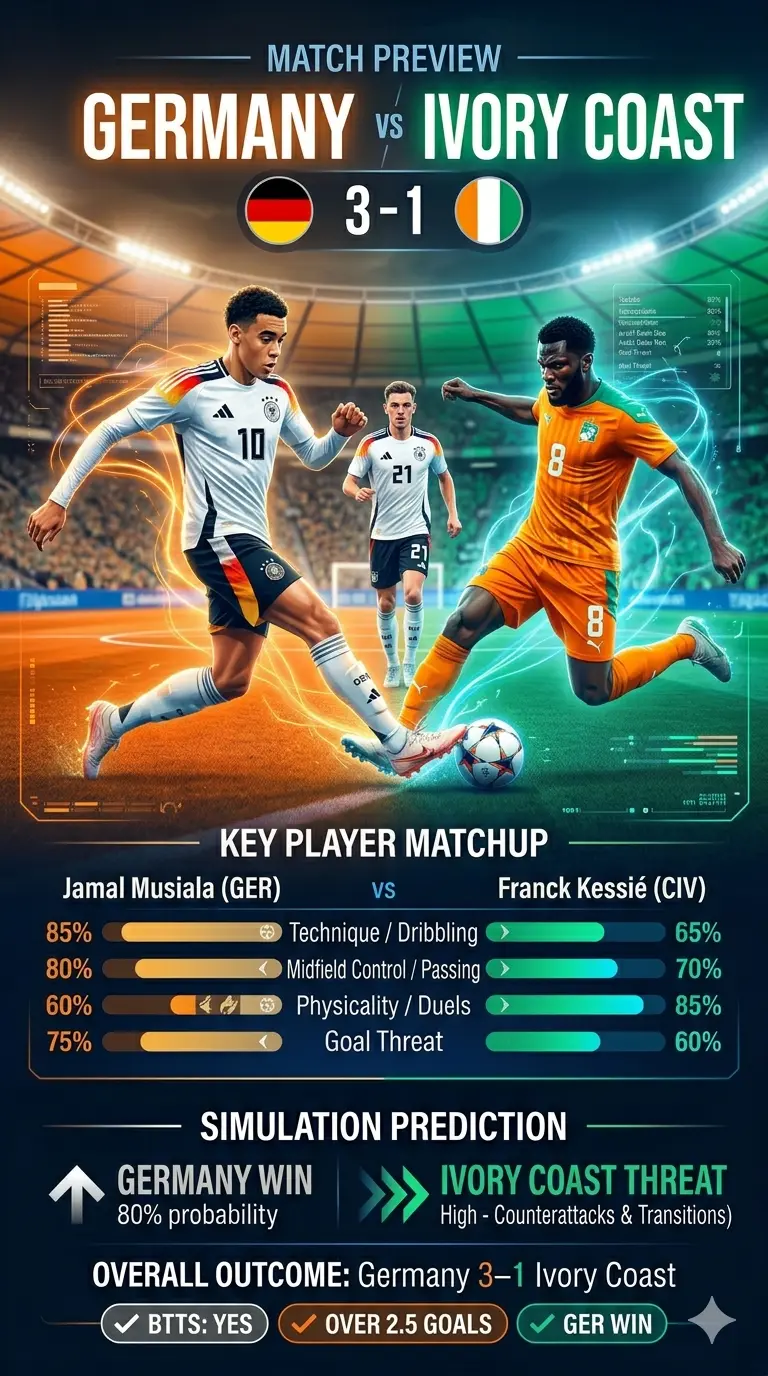
Germany vs Ivory Coast is a classic European structure vs African athletic power matchup, and on paper it leans clearly toward Germany — but it’s not a guaranteed easy game.
🇩🇪 Germany overview
Germany usually controls matches through:
Strong midfield possession system
High pressing and structured build-up
Clinical finishing when chances are created
Players like Jamal Musiala, Kai Havertz, and Joshua Kimmich give them a strong balance between creativity and control. When Germany dominates possession early, they often “suffocate” opponents by limiting transitions.
🇨🇮 Ivory Coast overview
Ivory Coast is dangerous because of:
Explosive pace on counterattacks
Strong physical duels in midfield
Direct attacking style
With players like Franck Kessié, Nicolas Pépé, and strong athletic forwards, they can punish defensive gaps, especially if Germany pushes too high.
🔮 Match prediction
Germany win probability: High
Ivory Coast threat: Counterattacks + physical intensity
Key battle: Germany midfield control vs Ivory Coast transitions
⚽ Score prediction
Germany 3–1 Ivory Coast
📊 Betting-style insight
Germany win ✔️ (strong confidence)
Over 2.5 goals ✔️
BTTS (Yes) ⚠️ likely but not guaranteed
If Ivory Coast survives the first 30 minutes without conceding, the match becomes much more competitive — but Germany’s depth and tactical control usually take over in the second half.
#PredictWorldCupShare20000U #PredictWorldCupWin40000U Gate_Square @GateSquare
repost-content-media
  • Reward
  • 2
  • Repost
  • Share
Venüs_:
To The Moon 🌕
View More
MrFlower_Prime
#MyGateTradeStory
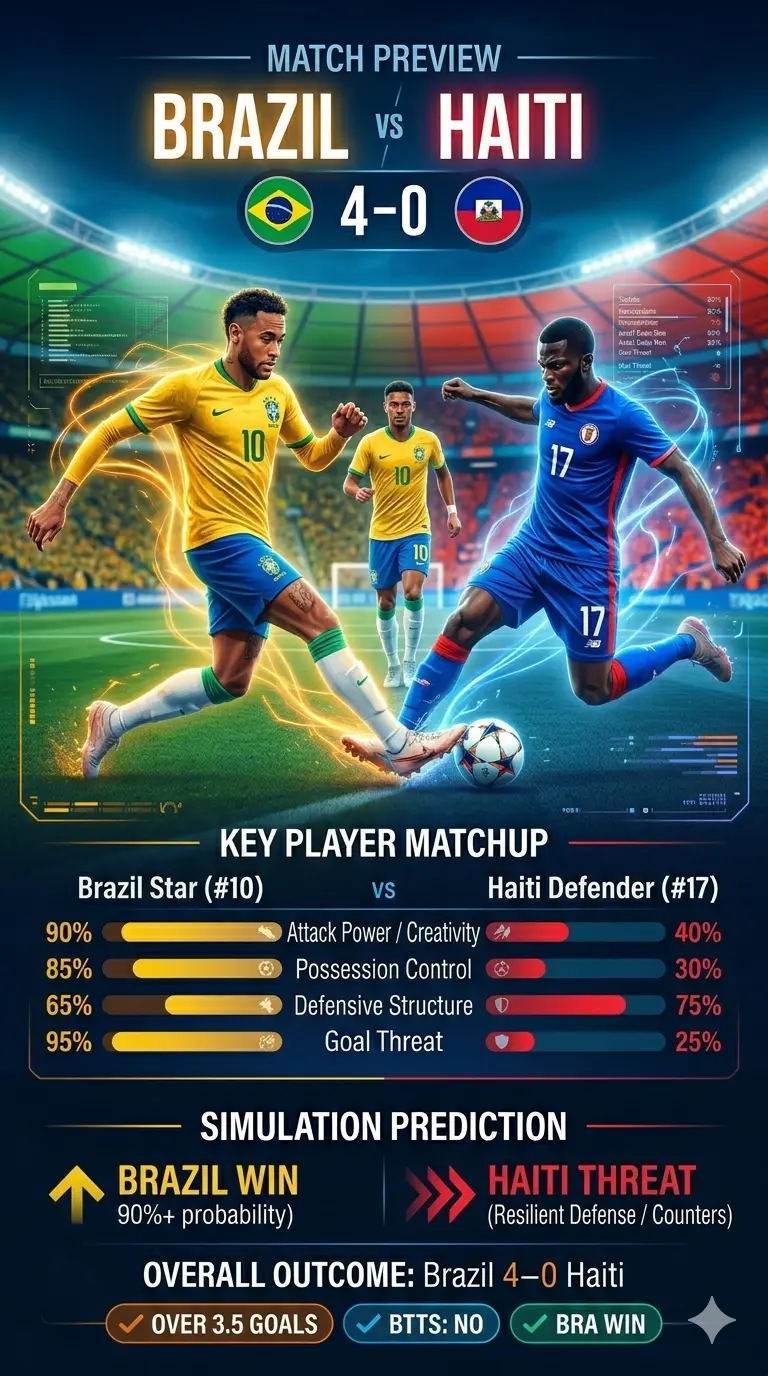
Brazil vs Haiti is a very one-sided matchup on paper, but still interesting for betting angles because of Brazil’s attacking style.
🇧🇷 Brazil overview
Brazil come in with a very strong attacking identity:
Elite technical midfield control
High creativity in the final third
Multiple goal threats from wings and midfield
Players like Vinícius Jr., Rodrygo, and Bruno Guimarães make them dangerous in every phase of attack. Even against defensive teams, Brazil usually creates many clear chances.
🇭🇹 Haiti overview
Haiti will likely focus on:
Deep defensive block
Counterattacks through pace
Trying to survive early pressure
Against top teams, their main goal is usually damage control rather than possession or attacking dominance.
🔮 Match prediction
Brazil win probability: Very high
Haiti threat: Low, mostly counterattack situations
Game pattern: Heavy Brazil possession, early pressure, possible early goals
⚽ Score prediction
Brazil 4–0 Haiti
📊 Betting-style insight
Brazil win ✔️ (very strong confidence)
Over 2.5 goals ✔️
BTTS (No) ✔️
Brazil -2.5 handicap ✔️ (risky but likely)
If Brazil scores early, this can turn into a high-score game. If Haiti survives first half, score may stay slightly lower, but control remains fully with Brazil.
#PredictWorldCupWin40000U Gate_Square @GateSquare
repost-content-media
  • Reward
  • 1
  • Repost
  • Share
Venüs_:
2026 GOGOGO 👊
MrFlower_Prime
#MyGateTradeStory
When I first started using prediction markets, I focused almost entirely on finding the correct outcome. I spent hours analyzing matches, studying market sentiment, and comparing probabilities. But after gaining more experience, I realized that successful prediction market trading is not just about being right. It is about managing risk.
Many beginners underestimate how important risk management is because prediction markets look simple on the surface. You choose YES or NO, enter a position, and wait for the outcome. However, the reality is much more complex. Understanding risk is often the difference between long-term success and repeated losses.
The first thing every beginner should understand is the core risks involved. According to Gate's Polymarket FAQ, there are several important risks that every participant faces. The most obvious is loss of principal. If your prediction is incorrect, the contract settles at zero, meaning the entire amount allocated to that position can be lost.
The second risk comes from floating losses. Many traders focus only on the final outcome, but probabilities can change dramatically before settlement. A position purchased at a favorable level can experience significant temporary losses as market sentiment shifts. Even if the final outcome remains possible, volatility can create uncomfortable drawdowns.
Trading fees are another factor that beginners often ignore. While fees may appear small individually, they reduce overall profitability over time. Active traders must account for these costs when calculating expected returns.
There is also settlement risk. In some situations, disputes surrounding event outcomes can delay settlement. While this is not common, it is an important factor to understand before committing capital.
Another critical point is that markets close before settlement. Once trading closes, positions can no longer be exited. This means traders lose the flexibility to adjust their exposure after the deadline has passed.
Fortunately, Gate has integrated several tools that can help manage these risks.
One of the most valuable features is the ability to sell positions before settlement. This flexibility allows traders to lock in profits, reduce exposure, or exit losing positions before market closure. In my experience, this is one of the most powerful risk management tools available because it provides control over timing rather than forcing users to wait for final resolution.
Limit orders are another important tool. Instead of chasing rapidly moving prices, traders can set desired entry levels in advance. This helps avoid emotional decisions during periods of heightened volatility and often leads to better risk-reward opportunities.
Probability charts and order book depth provide additional insight into market behavior. By reviewing historical probability movements and liquidity levels, traders can identify areas where probabilities may be overextended or where market sentiment appears overly optimistic or pessimistic.
One feature I find particularly interesting is Smart Money Tracking. Over time, I learned that observing how experienced participants position themselves can provide valuable context. Gate's leaderboards allow users to monitor successful traders and understand how they manage exposure. While following others blindly is never recommended, studying experienced participants can help improve decision-making.
Wallet monitoring and copy-trading functionality add another layer of transparency. Users can observe position sizing and allocation strategies used by traders with proven track records. This can be especially helpful for beginners who are still learning effective risk management techniques.
The Live section is another useful resource. During periods of high activity, probability shifts can occur rapidly. Monitoring real-time market activity helps identify significant changes in sentiment before entering a position.
Event comment sections also provide value beyond simple discussion. Reading alternative viewpoints often highlights risks that may have been overlooked during personal analysis. Sometimes the most important information comes from understanding why other traders disagree with your position.
Beyond platform features, position management remains essential.
One principle I learned early is never committing all available capital to a single prediction. Prediction markets involve binary outcomes, which means even a highly probable event can still fail. Maintaining reserve capital protects against unexpected results and allows for diversification.
Starting with smaller positions is another important practice. Beginners should focus on understanding how probabilities move before allocating larger amounts. Learning market behavior is often more valuable than maximizing early profits.
Risk-reward analysis is equally important. Many traders automatically assume that high-probability contracts are safer investments. However, a YES share trading at 0.70 USDT offers a maximum profit of only 0.30 USDT while still carrying the possibility of complete loss. Unless your confidence significantly exceeds the market's assessment, the reward may not justify the risk.
I also like the pyramid approach to position management. This involves allocating larger capital at the initial conviction point and adding smaller amounts only if the market continues moving favorably. This naturally limits exposure when positions move against you while allowing increased participation when analysis proves correct.
For new users, Gate has also introduced a First Prediction Loss-Cover Bonus campaign. Under this promotion, eligible participants whose first prediction trade results in a loss may receive compensation up to 100 USDT. While this should not encourage reckless behavior, it provides an additional safety buffer for beginners exploring prediction markets for the first time.
After spending considerable time in prediction markets, I have developed several practical rules that help protect capital.
First, I avoid purchasing YES contracts above 0.85 USDT and NO contracts above 0.85 USDT whenever possible. At those levels, the remaining profit potential becomes very small compared to the possibility of losing the entire position.
Second, I diversify across multiple event categories. Sports, cryptocurrency, finance, and geopolitical markets are influenced by different factors. Holding positions across uncorrelated categories helps reduce overall portfolio risk.
Third, I define exit plans before entering trades. For example, if I purchase a position at 0.50 USDT, I may decide in advance to sell around 0.80 USDT rather than waiting for full settlement. Capturing strong gains while reducing exposure often produces more consistent long-term results.
Fourth, I pay attention to smart money divergences. If my position directly contradicts the actions of multiple highly ranked traders, I revisit my analysis. It does not mean they are always correct, but their actions may reveal information or risk factors I have not considered.
Finally, I never risk more capital than I can afford to lose entirely. This is perhaps the most important rule of all. Prediction markets are fundamentally binary. Correct positions settle at 1 USDT. Incorrect positions settle at 0. Because of this structure, every position should be treated as a complete-risk allocation.
The most important lesson I have learned is that no platform feature can eliminate risk completely. Limit orders, smart money tracking, probability charts, and early exits can all improve decision-making, but they cannot guarantee profits.
Unlike traditional markets where stop-loss orders can automatically protect positions, prediction markets ultimately resolve to binary outcomes. The primary defense against risk is disciplined position management and the willingness to exit before market closure when conditions change.
For beginners entering prediction markets through Gate and Polymarket, focus on learning risk management before chasing profits. Understanding how to protect capital is the foundation that makes long-term participation possible. Once that foundation is established, opportunities become much easier to identify and far easier to manage.
#PredictWorldCupShare20000U #PredictWorldCupWin40000U Gate_Square @GateSquare
repost-content-media
  • Reward
  • 2
  • Repost
  • Share
Venüs_:
To The Moon 🌕
View More
MrFlower_Prime
#MyGateTradeStory
One of the biggest misconceptions I had when I first entered prediction markets was believing that profits depended only on whether my prediction was correct. Over time, I learned that volatility plays a much larger role than most beginners realize.
Unlike traditional assets where price movements are driven by supply, demand, earnings, or economic data, prediction market shares move according to changing probabilities. Every piece of new information can cause traders to reassess an event's likelihood, creating rapid price fluctuations long before the final outcome is known.
This lesson became especially clear when I started following active prediction markets. I noticed that share prices could move dramatically even when the event itself had not yet occurred. The market was constantly adjusting probabilities as new information entered the system.
For example, imagine purchasing a YES share at 0.40 USDT because you believe the market is underestimating an outcome. Later, unexpected news changes market sentiment and the probability rises sharply. The same share may trade at 0.72 USDT before the event is resolved. In that situation, a trader could realize an 80% return simply by selling the position before settlement.
This is where volatility creates opportunity.
Many beginners assume they must hold every position until the final result. However, experienced traders often focus on probability movements rather than settlement itself. Their goal is not necessarily to predict the final outcome perfectly, but to identify situations where market sentiment may shift significantly.
At the same time, volatility creates risk.
I learned this lesson the hard way. There were occasions when I entered positions with confidence, only to watch probabilities move sharply against me after unexpected information entered the market. A share purchased at 0.65 USDT can quickly fall to 0.30 USDT if the market dramatically changes its assessment of an event's likelihood.
This creates floating losses that can be emotionally difficult for inexperienced traders.
One important realization was that volatility itself is not good or bad. It simply increases both opportunity and risk at the same time. The traders who survive long term are usually the ones who manage risk properly rather than those who make the most aggressive predictions.
Another interesting observation is that not all prediction markets react to volatility in the same way.
Sports markets, such as World Cup predictions, are generally influenced by factors like injuries, team news, tactical decisions, and match results. Broader financial market volatility often has very little impact on these probabilities.
Crypto and finance prediction markets behave differently. Markets based on Bitcoin price targets, ETF approvals, interest rates, or economic events are often highly sensitive to real-world market conditions. When cryptocurrency prices become volatile, the probabilities of related prediction contracts can move dramatically as well.
This means traders need to understand what type of volatility is driving the market they are participating in.
One strategy that improved my results was using limit orders instead of chasing prices. During volatile periods, emotions often cause traders to enter at unfavorable levels. By setting predefined entry prices, I was able to avoid many impulsive decisions and improve overall discipline.
I also learned that holding until settlement is not always the best choice. Sometimes locking in profits before the final event occurs can be a smarter decision. While waiting for the maximum 1 USDT settlement may seem attractive, protecting gains often produces better long-term results than chasing every last percentage point.
Risk management became even more important as I gained experience.
Today, I never allocate too much capital to a single prediction. I understand that every position carries binary settlement risk. Even a market that appears highly likely can still resolve unexpectedly.
Diversification has helped me significantly. Instead of concentrating entirely on one category, I spread exposure across different event types such as sports, crypto, and global events. This reduces dependence on a single source of volatility and creates a more balanced portfolio.
I also pay close attention to market sentiment indicators. Features like smart money tracking and leaderboard monitoring provide useful insight into how experienced participants are positioning themselves. While I never follow others blindly, observing their behavior often helps me identify risks or opportunities I may have overlooked.
The biggest lesson prediction markets taught me is that successful trading is not about certainty. It is about probabilities.
Volatility will always exist. News will always surprise the market. Prices will always fluctuate.
The goal is not to avoid volatility. The goal is to understand it, manage risk around it, and use it as an opportunity rather than allowing it to become a source of unnecessary losses.
For beginners entering prediction markets through Gate and Polymarket, my advice is simple: focus on learning probability, protect your capital, and remember that discipline matters far more than being right on every prediction.
Over time, that mindset becomes your biggest advantage.
#PredictWorldCupShare20000U #PredictWorldCupWin40000U Gate_Square @GateSquare
repost-content-media
  • Reward
  • 2
  • Repost
  • Share
Venüs_:
To The Moon 🌕
View More
#MyGateTradeStory
When I first discovered prediction markets, I assumed they worked just like traditional betting. After spending time learning how Polymarket works through Gate, I realized the system is actually much closer to trading than gambling. The biggest difference is that you are trading probabilities, not simply placing a bet and waiting for the final result.
Gate became the first centralized exchange to integrate Polymarket, making prediction markets accessible directly through a familiar trading platform. For many beginners, this removes one of the biggest barriers to entry becaus
MrFlower_Prime
#MyGateTradeStory
When I first discovered prediction markets, I assumed they worked just like traditional betting. After spending time learning how Polymarket works through Gate, I realized the system is actually much closer to trading than gambling. The biggest difference is that you are trading probabilities, not simply placing a bet and waiting for the final result.
Gate became the first centralized exchange to integrate Polymarket, making prediction markets accessible directly through a familiar trading platform. For many beginners, this removes one of the biggest barriers to entry because there is no need to manage external wallets, bridge assets, or deal with complicated blockchain operations. Everything can be done directly using USDT within the Gate ecosystem.
The core trading mechanism is surprisingly simple. First, you select an event market. These markets can cover sports, cryptocurrency events, financial developments, political outcomes, and many other real-world events. Once you find a market that interests you, you choose either YES or NO depending on your prediction of the outcome.
After selecting your position, you enter the amount you want to trade and confirm the order. From there, your position behaves much like a tradable asset. You can hold it until the event is resolved or sell it at any time before settlement if market conditions change.
This flexibility was one of the first things that caught my attention. In traditional prediction formats, you often have to wait until the event ends. Here, prices move constantly based on market sentiment, allowing traders to capture gains from probability changes without waiting for the final outcome.
Understanding price mechanics is extremely important for beginners. Every share price represents the market's assessment of probability. For example, if a YES contract is trading at 0.65 USDT, the market is effectively assigning about a 65% chance that the event will happen. As new information becomes available, traders buy and sell positions, causing probabilities to rise or fall in real time.
There are generally two ways to profit.
The first method is holding until settlement. If your prediction is correct, each winning contract settles at 1 USDT. For example, if you purchased a YES share at 0.65 USDT and the event occurs, the contract settles at 1 USDT, generating profit from the difference. If your prediction is incorrect, the contract becomes worthless and settles at 0.
The second method is trading probability movements. This approach feels very similar to traditional trading. Imagine buying a YES contract at 0.40 USDT because you believe the market is underestimating the chances of an outcome. Later, new information enters the market and the contract rises to 0.70 USDT. You can simply sell the position and lock in profit without waiting for final settlement. Many experienced traders focus on these probability shifts rather than waiting for event resolution.
Another feature I appreciate is the automatic settlement process. Once an event is officially confirmed, winning positions are automatically converted and credited to the user's spot account. There is no manual claiming process, which makes the experience straightforward and beginner-friendly.
Gate has also enhanced the experience with a number of useful tools. The unified asset management system allows users to monitor both spot balances and prediction positions from a single account. This simplifies portfolio tracking and helps users maintain a clear overview of their funds.
The platform also offers two different interface styles. Prediction Mode presents information in a simple probability-focused format that is easy for beginners to understand. Trading Mode provides a more advanced environment featuring order books, charts, and detailed market data for users who prefer deeper analysis.
Order flexibility is another advantage. Users can choose between market orders, limit orders, and quick-trade functionality depending on their preferred trading style. Advanced analytical tools such as probability charts, candlestick charts, and order-book depth provide additional insights into market sentiment and liquidity conditions.
One of the features I find most interesting is Smart Money Tracking. Throughout my trading experience, I have learned that understanding where experienced participants are allocating capital can provide valuable information. Gate allows users to monitor leaderboards, follow wallet activity, and study successful traders' positioning. While this should never replace personal research, it can offer useful context when evaluating opportunities.
Of course, prediction markets also involve risks. Trading fees apply, and there is always the possibility of losing your principal if your prediction is incorrect. Market prices can fluctuate significantly before settlement, creating floating profits or losses. In some situations, disputes regarding event outcomes may delay settlement. It is also important to remember that markets close before official settlement, meaning users cannot exit positions after the trading deadline passes.
The most valuable lesson I have learned from prediction markets is that they teach probability-based thinking. Instead of viewing events as certain outcomes, you learn to evaluate possibilities, manage risk, and adapt as new information becomes available. This mindset has helped me improve not only in prediction markets but also in cryptocurrency trading and investing.
For beginners, my advice is simple: start small, focus on learning how probabilities move, and treat every position as a calculated decision rather than a guaranteed outcome. The goal is not to be right every time. The goal is to consistently make better decisions than the market expects.
#PredictWorldCupWin40000U Gate_Square @GateSquare
repost-content-media
  • Reward
  • 2
  • Repost
  • Share
Venüs_:
To The Moon 🌕
View More
#MyGateTradeStory
When I first heard about prediction markets, I was interested but honestly intimidated by the technical requirements. Many decentralized platforms required users to create external wallets, bridge funds between networks, understand gas fees, and manage on-chain transactions. For experienced crypto users this may be normal, but for beginners it often becomes the biggest barrier to entry.
This is why I believe Gate's integration with Polymarket is an important development for the industry. Gate became the first centralized exchange to integrate Polymarket directly into its eco
MrFlower_Prime
#MyGateTradeStory
When I first heard about prediction markets, I was interested but honestly intimidated by the technical requirements. Many decentralized platforms required users to create external wallets, bridge funds between networks, understand gas fees, and manage on-chain transactions. For experienced crypto users this may be normal, but for beginners it often becomes the biggest barrier to entry.
This is why I believe Gate's integration with Polymarket is an important development for the industry. Gate became the first centralized exchange to integrate Polymarket directly into its ecosystem, creating a bridge between traditional centralized exchange infrastructure and decentralized prediction markets. Instead of forcing users to learn complicated blockchain processes, Gate allows participation through a familiar trading environment that many users already understand.
What impressed me most was the simplicity of the system. Gate users can access prediction markets directly from their existing accounts using Spot USDT balances. There is no need to connect an external wallet, no need to bridge assets, and no need to pay gas fees for every transaction. For beginners entering prediction markets for the first time, this removes a significant amount of complexity and makes the experience much more accessible.
The way the market operates is also very interesting. Prediction shares are priced according to real-time probability. For example, if a share is trading at 0.65 USDT, the market is effectively assigning roughly a 65% probability to that outcome occurring. Instead of simply making a prediction and waiting for the result, users can actively trade changing probabilities as new information enters the market.
Another feature I find valuable is the variety of trading tools available. Users can place market orders, limit orders, and use quick-trade functionality depending on their preferred strategy. More advanced traders can monitor probability charts, candlestick charts, and order-book depth to analyze market sentiment in greater detail. This creates an experience that feels familiar to traders while introducing the unique dynamics of event-based markets.
One aspect that beginners often overlook is settlement efficiency. Once an event is resolved, winning positions automatically settle at a 1:1 conversion into USDT and are credited directly to the user's account. This streamlined process eliminates much of the confusion that newcomers often experience when interacting with decentralized platforms.
Gate has also added several enhancements beyond the standard Polymarket experience. Users can choose between Prediction Mode and Trading Mode. Prediction Mode presents probabilities in a simple and intuitive format, making it ideal for new participants. Trading Mode offers deeper market information, including order books, liquidity, and chart analysis, giving experienced traders the tools they expect from a professional trading platform.
I also enjoy exploring the Live and Trending sections. These areas highlight active prediction markets, major global events, and rapidly developing stories. Whether following sports, politics, economics, or entertainment, users can quickly identify where market attention is concentrated and where trading activity is increasing.
Another feature that stands out is Smart Money Tracking. Throughout my trading journey, I learned that understanding how experienced participants position themselves can provide valuable context. Gate allows users to monitor leaderboards, observe wallet activity, and study how successful participants allocate capital. While following others blindly is never a good strategy, observing market leaders can help users better understand sentiment and risk management.
The community aspect is also important. Each event includes discussion sections where users can exchange ideas, debate outcomes, and share different perspectives. Often, reading alternative viewpoints helps challenge assumptions and encourages more balanced decision-making. Combined with AI-powered translation, these discussions become accessible to a global audience regardless of language barriers.
From an asset management perspective, the integration feels seamless. Users can view their USDT balances, prediction holdings, open orders, transaction history, and performance metrics all within a single interface. Having everything available in one place simplifies portfolio management and makes it easier to monitor overall performance.
For sports fans, especially during the World Cup, the experience becomes even more engaging. Gate provides access to thousands of prediction markets covering every stage of the tournament. Users can participate in multiple categories including Match Winner, Correct Score, First Goal, and many other event-specific markets. Real-time probabilities, AI-generated match analysis, smart money insights, and match reminders help users stay informed throughout the competition.
The platform also includes special promotional campaigns. The World Cup Prediction Carnival offers a prize pool exceeding 500,000 USDT, while the Daily Featured Match Challenge provides rewards across selected matches. What I find particularly attractive is that users can qualify for certain campaign rewards through participation and trading activity rather than requiring perfect predictions every time.
Perhaps the most important lesson I learned from using prediction markets is that success comes from thinking in probabilities rather than certainties. Every position represents a probability assessment, not a guaranteed outcome. This mindset has improved my approach not only to prediction markets but also to cryptocurrency trading and investing.
As traditional finance, cryptocurrency markets, and event-based prediction platforms continue to evolve, integrations like Gate and Polymarket demonstrate how the industry is becoming more accessible to mainstream users. By combining the convenience of a centralized exchange with the innovation of decentralized prediction markets, Gate is helping create a more user-friendly ecosystem where both beginners and experienced traders can participate in global events through real-time market intelligence and probability-based trading.
AccessGate App v8.12.5+ → Alpha page → "Polymarket" module, or visit https://www.gate.com/prediction
#PredictWorldCupWin40000U Gate_Square @GateSquare
repost-content-media
  • Reward
  • 2
  • Repost
  • Share
Venüs_:
To The Moon 🌕
View More
#MyGateTradeStory
When I first heard about prediction markets, I assumed they were similar to traditional sports betting. After spending some time exploring Gate's World Cup Prediction Market, I realized there is a significant difference that many beginners don't understand.
What attracted me most was the ability to see real-time market sentiment. Instead of simply making a prediction and waiting for the final result, I can observe how probabilities change before and during major tournament events. This creates opportunities to react to new information rather than relying only on a final outc
MrFlower_Prime
#MyGateTradeStory
When I first heard about prediction markets, I assumed they were similar to traditional sports betting. After spending some time exploring Gate's World Cup Prediction Market, I realized there is a significant difference that many beginners don't understand.
What attracted me most was the ability to see real-time market sentiment. Instead of simply making a prediction and waiting for the final result, I can observe how probabilities change before and during major tournament events. This creates opportunities to react to new information rather than relying only on a final outcome.
One feature I find particularly useful is Smart Money Tracking. As a beginner, I used to focus only on my own opinion. Now I also pay attention to where larger traders are positioning themselves. It doesn't guarantee success, but it helps me understand broader market sentiment and identify situations where my assumptions may be wrong.
Another advantage is that everything operates directly with USDT. There is no need to create separate wallets or learn complicated blockchain processes. For new users, this lowers the barrier to entry and makes the experience much more straightforward.
I also appreciate the AI-powered match analysis. While I never rely entirely on automated predictions, I use them as an additional source of information alongside my own research. Combining different perspectives often leads to better decision-making.
For beginners, my biggest lesson is simple: don't treat prediction markets as a quick way to make money. Treat them as a tool for understanding probabilities, market psychology, and risk management. Just like trading, success comes from discipline, patience, and making informed decisions rather than chasing excitement.
The World Cup creates massive interest and emotional reactions from fans around the world. Prediction markets allow us to measure that sentiment in real time. Whether you're analyzing favorites like Brazil and Argentina or looking for potential surprises, the market often provides valuable insights that traditional discussions miss.
As always, I focus on risk management, avoid overexposure to a single outcome, and view every position as a probability rather than a certainty. That mindset has helped me become more disciplined not only in prediction markets but also in trading overall.
For anyone interested in combining football knowledge with market analysis, Gate's integrated prediction market is definitely worth exploring. The ability to track probabilities, monitor sentiment shifts, and manage positions before settlement creates a completely different experience from traditional prediction formats.
#PredictWorldCupWin40000U Gate_Square @GateSquare
repost-content-media
  • Reward
  • 2
  • Repost
  • Share
Venüs_:
To The Moon 🌕
View More
#MyGateTradeStory
Bitcoin (BTC) Breakout Plan
Right now Bitcoin is moving inside a tight range around 62K to 64K. The market is not trending strongly at the moment. Instead, it is building pressure. This type of behavior usually happens before a big move. In simple words, the market is waiting for liquidity before deciding direction.
In this situation, beginners should avoid guessing and focus only on confirmation. Trading inside a range without discipline is very risky because price can quickly reverse in both directions.
Bullish Scenario (If Price Goes Up)
If Bitcoin breaks above the 64K r
BTC-0.15%
MrFlower_Prime
#MyGateTradeStory
Bitcoin (BTC) Breakout Plan
Right now Bitcoin is moving inside a tight range around 62K to 64K. The market is not trending strongly at the moment. Instead, it is building pressure. This type of behavior usually happens before a big move. In simple words, the market is waiting for liquidity before deciding direction.
In this situation, beginners should avoid guessing and focus only on confirmation. Trading inside a range without discipline is very risky because price can quickly reverse in both directions.
Bullish Scenario (If Price Goes Up)
If Bitcoin breaks above the 64K resistance level and closes strongly above it, this can be considered a bullish breakout.
But important point is this: do not enter immediately on the breakout candle. Many fake breakouts happen in this zone.
The safe strategy is to wait for a breakout first, then wait for a small pullback or retest near the breakout area. If price holds above that level, then entry becomes safer.
Entry idea:
After breakout above 64K
Wait for retest around 63.5K to 64K
Stop loss:
Below 62.5K area
Targets:
First target around 65.5K
Second target around 67K
Final target around 69K or higher if momentum continues
This setup works only when momentum is strong and buyers are in control.
Bearish Scenario (If Price Goes Down)
If Bitcoin breaks below 62K support with strong momentum, then market can shift into a bearish phase.
Again, do not enter immediately on breakdown. Wait for confirmation and retest.
Entry idea:
After breakdown below 62K
Wait for retest near 62K to 62.5K zone
Stop loss:
Above 63K area
Targets:
First target around 60.5K
Second target around 59K
Final target around 57K if selling pressure increases
This setup works when sellers take full control.
No Trade Zone (Very Important)
If Bitcoin stays between 62K and 64K without breaking, then this is a dangerous zone for beginners.
In this condition:
Do not overtrade
Do not chase small moves
Do not enter without confirmation
This is called a liquidity trap zone where both buyers and sellers get stopped out.
Simple Beginner Strategy (Safer Approach)
If you are not experienced, the best strategy is:
Wait for breakout or breakdown
Enter only after confirmation
Use stop loss on every trade
Risk small amount per trade
Avoid emotional trading
You can also use DCA strategy:
Enter in small parts instead of full entry
Reduce emotional pressure
Average your position over time
Final Trading Lesson
The biggest mistake beginners make is trying to predict every move. Professional traders do not predict. They react.
Right now Bitcoin is in a waiting phase. The real move will come after liquidity breaks either above resistance or below support.
Until then, patience is the real strategy.
Survival in the market is more important than profit.
#PredictNBAFinalsWin20000U #PredictWorldCupShare20000U #PredictWorldCupWin40000U Gate_Square @GateSquare
repost-content-media
  • Reward
  • 2
  • Repost
  • Share
Venüs_:
To The Moon 🌕
View More
#MyGateTradeStory
Trading Story — How Greed Turned a Profit Into a Loss
There was a time in my trading journey when I experienced something that every trader eventually faces, but few learn from early.
I entered a trade with full confidence. The setup was clean, my analysis was correct, and the market started moving exactly in my direction. Within a short time, I was sitting in a good profit. It felt like everything was finally working.
For a moment, I thought I had improved as a trader.
But that moment didn’t last long.
Instead of closing the trade and securing my profit, I started thinking
MrFlower_Prime
#MyGateTradeStory
Trading Story — How Greed Turned a Profit Into a Loss
There was a time in my trading journey when I experienced something that every trader eventually faces, but few learn from early.
I entered a trade with full confidence. The setup was clean, my analysis was correct, and the market started moving exactly in my direction. Within a short time, I was sitting in a good profit. It felt like everything was finally working.
For a moment, I thought I had improved as a trader.
But that moment didn’t last long.
Instead of closing the trade and securing my profit, I started thinking about more. I told myself, “What if it goes higher? What if I miss extra profit if I exit now?”
That was the beginning of my mistake.
---
I ignored my plan. I didn’t follow my exit strategy. I kept holding the position even though my target was already reached. The trade was in profit, but I refused to close it because of greed.
At first, nothing seemed wrong. The price was still moving in my favor. But slowly, the momentum started to weaken. I saw small reversals, but I ignored them. I convinced myself it was just a pullback and the trend would continue.
Deep inside, I already knew something was changing, but I didn’t act on it.
Because greed had taken control.
---
Then the market fully reversed.
My profit started disappearing. What was once a strong winning trade slowly became smaller and smaller. I went from good profit to breakeven, and then into loss.
I kept watching the screen, hoping it would come back. I didn’t want to accept the reality. I kept thinking, “It will recover.” But the market doesn’t move based on hope.
By the time I finally closed the trade, not only was my profit gone, but I had also taken a loss.
That moment hit me hard.
---
After this experience, I realized something very important. A trade is not successful just because it goes into profit. A trade is successful only when you actually secure that profit.
I also understood these key lessons:
Profit is not real until it is booked
Greed destroys good decisions
Exits are more important than entries
Hope is not a trading strategy
Every trade must have a clear exit plan before entry
---
After this loss, I changed my entire approach.
Now I never enter a trade without knowing where I will exit. I set my take-profit before entry. I don’t wait for “maximum profit” anymore. I focus on consistent profit, not perfect profit.
I also started using partial profit booking. Instead of waiting too long, I secure profits step by step. I use trailing stops to protect gains, so even if the market reverses, I don’t lose everything.
Most importantly, I stopped letting emotions control my decisions.
---
This one experience changed my mindset completely.
Now I understand something simple but powerful:
A small booked profit is always better than a big unrealized profit that disappears.
In trading, discipline is what keeps you alive. Greed is what destroys consistency.
And every trader eventually learns this — either through discipline, or through loss.
---
#GateIPOAccessSpaceX #PredictNBAFinalsWin20000U #PredictWorldCupShare20000U #PredictWorldCupWin40000U Gate_Square @GateSquare
repost-content-media
  • Reward
  • 2
  • Repost
  • Share
Venüs_:
To The Moon 🌕
View More
#MyGateTradeStory
My Losses, Real Experience & Lessons Every Beginner Should Know
When I first entered trading, I was full of confidence but completely unprepared for reality. I believed the market would reward effort and quick decisions. I thought if I stayed active, watched charts, and entered many trades, I would automatically become profitable.
But the market doesn’t work like that.
My biggest crash came when I started increasing position sizes after a few small wins. I felt I had finally understood the market. I stopped respecting risk. I removed stop-losses in some trades because I “bel
MrFlower_Prime
#MyGateTradeStory
My Losses, Real Experience & Lessons Every Beginner Should Know
When I first entered trading, I was full of confidence but completely unprepared for reality. I believed the market would reward effort and quick decisions. I thought if I stayed active, watched charts, and entered many trades, I would automatically become profitable.
But the market doesn’t work like that.
My biggest crash came when I started increasing position sizes after a few small wins. I felt I had finally understood the market. I stopped respecting risk. I removed stop-losses in some trades because I “believed” the price would come back. That was the beginning of my biggest losses.
---
The Moment Everything Changed
There was a period where volatility increased due to sudden macro and news-driven movements. I entered multiple positions without proper analysis. At first, small profits made me overconfident. Then the market reversed sharply.
Within a short time, my account went from stable to heavily drawdown. I kept averaging losing positions, thinking I could recover quickly. Instead, losses kept growing.
The worst part was not the loss itself — it was the emotional pressure. I started making revenge trades. I stopped following rules. Every decision became emotional instead of logical.
That phase taught me something painful but important: the market does not punish mistakes immediately, it allows you to destroy yourself slowly if you ignore risk.
---
What I Learned From My Losses
After that crash, I stepped back and analyzed everything honestly. I realized my problem was not the strategy — it was my behavior.
Here are the real lessons I learned:
1. Risk management is everything
No strategy survives without stop-loss discipline. One wrong trade can wipe out many good trades.
2. Overtrading destroys capital
More trades do not mean more profit. Most of my losses came from unnecessary entries.
3. Emotions are the biggest enemy
Fear and greed controlled my decisions. I stopped thinking logically and started reacting emotionally.
4. Averaging losing trades is dangerous without structure
I thought I was improving my entry, but I was actually increasing risk exposure.
5. Markets don’t need your opinion
Even if you are confident, the market can move completely against you.
---
The Recovery Phase — Rebuilding My Discipline
After the loss, I completely changed my approach. I stopped focusing on making money quickly and started focusing on protecting capital.
I introduced strict rules:
Fixed stop-loss on every trade
Lower position sizes
No revenge trading
No trading during high emotional stress
Focus only on high-probability setups
I also started using structured approaches like DCA instead of entering all at once. This helped reduce emotional pressure and improved consistency.
---
The Most Important Truth I Realized
The biggest lesson from my crash was simple:
Surviving in the market is more important than winning in the market.
Profits come and go, but capital protection decides how long you can stay in the game.
Many beginners focus only on entries and profits, but professionals focus on risk, discipline, and patience.
---
Final Advice for Beginners
If I can give one honest message from my experience, it is this:
Do not rush the market. Do not increase risk after small wins. Do not remove stop-losses. And never let emotions control your decisions.
The market will always give new opportunities, but it will not give back your lost capital easily.
Learn slowly, stay disciplined, and focus on survival first.
That is the real path to long-term success.
#PredictNBAFinalsWin20000U #PredictWorldCupShare20000U #PredictWorldCupWin40000U Gate_Square @GateSquare
repost-content-media
  • Reward
  • Comment
  • Repost
  • Share
#MyGateTradeStory
My Losses, Real Experience & Lessons Every Beginner Should Know
When I first entered trading, I was full of confidence but completely unprepared for reality. I believed the market would reward effort and quick decisions. I thought if I stayed active, watched charts, and entered many trades, I would automatically become profitable.
But the market doesn’t work like that.
My biggest crash came when I started increasing position sizes after a few small wins. I felt I had finally understood the market. I stopped respecting risk. I removed stop-losses in some trades because I “bel
MrFlower_Prime
#MyGateTradeStory
My Losses, Real Experience & Lessons Every Beginner Should Know
When I first entered trading, I was full of confidence but completely unprepared for reality. I believed the market would reward effort and quick decisions. I thought if I stayed active, watched charts, and entered many trades, I would automatically become profitable.
But the market doesn’t work like that.
My biggest crash came when I started increasing position sizes after a few small wins. I felt I had finally understood the market. I stopped respecting risk. I removed stop-losses in some trades because I “believed” the price would come back. That was the beginning of my biggest losses.
---
The Moment Everything Changed
There was a period where volatility increased due to sudden macro and news-driven movements. I entered multiple positions without proper analysis. At first, small profits made me overconfident. Then the market reversed sharply.
Within a short time, my account went from stable to heavily drawdown. I kept averaging losing positions, thinking I could recover quickly. Instead, losses kept growing.
The worst part was not the loss itself — it was the emotional pressure. I started making revenge trades. I stopped following rules. Every decision became emotional instead of logical.
That phase taught me something painful but important: the market does not punish mistakes immediately, it allows you to destroy yourself slowly if you ignore risk.
---
What I Learned From My Losses
After that crash, I stepped back and analyzed everything honestly. I realized my problem was not the strategy — it was my behavior.
Here are the real lessons I learned:
1. Risk management is everything
No strategy survives without stop-loss discipline. One wrong trade can wipe out many good trades.
2. Overtrading destroys capital
More trades do not mean more profit. Most of my losses came from unnecessary entries.
3. Emotions are the biggest enemy
Fear and greed controlled my decisions. I stopped thinking logically and started reacting emotionally.
4. Averaging losing trades is dangerous without structure
I thought I was improving my entry, but I was actually increasing risk exposure.
5. Markets don’t need your opinion
Even if you are confident, the market can move completely against you.
---
The Recovery Phase — Rebuilding My Discipline
After the loss, I completely changed my approach. I stopped focusing on making money quickly and started focusing on protecting capital.
I introduced strict rules:
Fixed stop-loss on every trade
Lower position sizes
No revenge trading
No trading during high emotional stress
Focus only on high-probability setups
I also started using structured approaches like DCA instead of entering all at once. This helped reduce emotional pressure and improved consistency.
---
The Most Important Truth I Realized
The biggest lesson from my crash was simple:
Surviving in the market is more important than winning in the market.
Profits come and go, but capital protection decides how long you can stay in the game.
Many beginners focus only on entries and profits, but professionals focus on risk, discipline, and patience.
---
Final Advice for Beginners
If I can give one honest message from my experience, it is this:
Do not rush the market. Do not increase risk after small wins. Do not remove stop-losses. And never let emotions control your decisions.
The market will always give new opportunities, but it will not give back your lost capital easily.
Learn slowly, stay disciplined, and focus on survival first.
That is the real path to long-term success.
#PredictNBAFinalsWin20000U #PredictWorldCupShare20000U #PredictWorldCupWin40000U Gate_Square @GateSquare
repost-content-media
  • Reward
  • Comment
  • Repost
  • Share
#MyGateTradeStory
Trading Journey — Systematic Discipline & Risk Management
When I look back at my trading journey, the biggest change was not in strategy, but in mindset. I started with high-frequency trading, always trying to catch every small move in the market. At that time, I believed more trades meant more profit. But in reality, it created confusion, emotional pressure, and constant losses during volatile sessions. I was reacting instead of planning.
Over time, I realized that markets don’t reward speed as much as they reward discipline. This is where I slowly shifted toward a more str
MrFlower_Prime
#MyGateTradeStory
Trading Journey — Systematic Discipline & Risk Management
When I look back at my trading journey, the biggest change was not in strategy, but in mindset. I started with high-frequency trading, always trying to catch every small move in the market. At that time, I believed more trades meant more profit. But in reality, it created confusion, emotional pressure, and constant losses during volatile sessions. I was reacting instead of planning.
Over time, I realized that markets don’t reward speed as much as they reward discipline. This is where I slowly shifted toward a more structured approach. Instead of entering all at once or chasing moves, I started using Dollar-Cost Averaging (DCA). This helped me spread entries over time, reduce emotional pressure, and stay consistent even when the market was unpredictable.
During recent macro events like the Federal Reserve meetings, where signals about possible rate hikes created uncertainty, I noticed how easily markets can shift based on sentiment. In these moments, many traders get trapped in noise. My approach now is simple — I don’t try to predict every move. I just follow a system and let the structure handle the volatility.
Another important lesson came from geopolitical news. Events like tensions involving oil markets and agreements between countries can instantly move gold, silver, and crude oil. Earlier in my journey, I would overtrade these moves and often get caught on the wrong side. Now I focus on strict stop-loss rules and proper position sizing. If the setup is not clean, I simply stay out.
I also learned a lot from watching how gold and silver behave when their ratio compresses. These phases are not signals to rush in, but rather periods to stay patient. The market often moves sideways before making a bigger expansion. My mistake in the past was forcing trades in such conditions. Now I wait for confirmation or scale in slowly instead of going all in.
The biggest improvement in my trading is discipline. I don’t treat trading as excitement anymore. It is a system. I accept that losses are part of the process, but uncontrolled losses are not acceptable. Every trade now has a reason, a risk limit, and an exit plan.
In the end, my journey taught me one thing clearly — survival comes first, profit comes later. If you can protect your capital during uncertainty, the market will always give new opportunities.
#PredictWorldCupShare20000U #PredictWorldCupWin40000U Gate_Square @GateSquare
repost-content-media
  • Reward
  • Comment
  • Repost
  • Share
#MyGateTradeStory
When I first started trading, I had no system, no structure, and no real understanding of how markets actually move. Like many beginners, I thought trading was simply about buying low and selling high. I believed that if I watched charts all day, I could catch every move and make consistent profit.
But reality was completely different. I faced losses, emotional decisions, and confusion during volatile market conditions. Every small news event affected my decisions. I was reacting instead of planning. That phase taught me one important lesson: trading is not about prediction,
XAUUSD1.57%
XAGUSD2.34%
MrFlower_Prime
#MyGateTradeStory
When I first started trading, I had no system, no structure, and no real understanding of how markets actually move. Like many beginners, I thought trading was simply about buying low and selling high. I believed that if I watched charts all day, I could catch every move and make consistent profit.
But reality was completely different. I faced losses, emotional decisions, and confusion during volatile market conditions. Every small news event affected my decisions. I was reacting instead of planning. That phase taught me one important lesson: trading is not about prediction, it is about discipline.
The Turning Point — Why I Started Using Systems
My real improvement started when I stopped chasing the market and started building a system. Instead of entering randomly, I shifted toward structured methods like Dollar-Cost Averaging (DCA). This helped me remove emotional pressure from timing the market perfectly.
At the same time, I began paying attention to macro events such as central bank decisions and liquidity changes. For example, during major Federal Open Market Committee (FOMC) meetings, I noticed how quickly sentiment changes across all markets including stocks, crypto, and metals.
This made me realize something important: markets do not move randomly, they move based on liquidity and expectations.
Experience With AI and Technology Stocks
As I improved, I started observing how technology stocks were shaping the entire market cycle. Companies like NVIDIA Corporation became central to the AI revolution.
I learned that NVIDIA is not just a stock, but represents the computing power behind artificial intelligence. At the same time, Micron Technology showed me another important layer of the AI ecosystem: memory and data storage.
Beginner lesson:
NVIDIA represents computing power (AI engine)
Micron represents memory and storage (AI infrastructure)
This helped me understand that markets should be viewed as ecosystems, not isolated assets.
Risk Management — The Most Important Lesson
One of my biggest early mistakes was ignoring risk management. I used to think more trades and higher exposure would bring more profit. But I learned that one bad trade can destroy weeks of progress.
Now my approach is different:
Every trade has a stop-loss
Position size is controlled
I avoid over-leveraging
I reduce exposure during high volatility events
Even geopolitical events like oil tensions or global agreements can suddenly move markets. Risk management is not optional, it is survival.
Precious Metals — Understanding Fear and Protection
Another important part of my journey was understanding gold and silver. The gold-silver ratio helped me see how fear and industrial demand interact in the market.
Silver is not just a hedge like gold. It is also used in solar energy, electronics, and industrial manufacturing. This means silver reacts not only to fear, but also to real economic demand.
Beginner lesson: Silver is both a protection asset and a growth-linked commodity.
Gate Users Mindset — Simple but Powerful
For beginners using platforms like Gate, the most important mindset is simplicity and consistency.
You do not need to:
Predict every move
Trade every day
Chase every opportunity
You need to:
Follow a system
Control risk
Stay patient
Think long-term instead of emotionally
That is where real progress comes from.
Final Message — My Journey in One Lesson
If I can summarize my journey in one line, it is this:
Trading is not about being right, it is about staying consistent long enough for your system to work.
From emotional trading to structured systems
From random entries to disciplined DCA
From high risk to controlled execution
That is the transformation I went through, and that is the mindset every beginner should build.

#PredictWorldCupWin40000U Gate_Square @GateSquare
repost-content-media
  • Reward
  • Comment
  • Repost
  • Share
#MyGateTradeStory
When I first entered crypto trading, I thought success depended on finding the perfect coin at the perfect time. After several mistakes and emotional decisions, I realized something much more important: having a structured strategy matters far more than trying to predict every market move.
One of the biggest lessons I learned is that different market conditions require different trading strategies. A strategy that performs well in a sideways market may struggle in a strong trend. This is why understanding the strengths and weaknesses of each approach is essential before risk
MrFlower_Prime
#MyGateTradeStory
When I first entered crypto trading, I thought success depended on finding the perfect coin at the perfect time. After several mistakes and emotional decisions, I realized something much more important: having a structured strategy matters far more than trying to predict every market move.
One of the biggest lessons I learned is that different market conditions require different trading strategies. A strategy that performs well in a sideways market may struggle in a strong trend. This is why understanding the strengths and weaknesses of each approach is essential before risking capital.
For beginners, I believe Spot Grid is one of the easiest strategies to understand. The concept is simple. The system automatically buys when prices move lower and sells when prices move higher within a predefined range. Instead of trying to time every entry and exit manually, the grid captures small profits from normal market fluctuations. This approach works especially well when the market moves sideways or experiences moderate volatility. Since there is no leverage involved and traders own the actual assets, the risk level is generally lower than many other strategies.
Another strategy that caught my attention was Martingale. At first, I did not fully understand why some traders preferred it. Over time, I learned that the strategy is designed to increase position size as prices decline. This creates a form of systematic averaging that reduces the overall entry price. For investors who strongly believe in an asset's long-term fundamentals, this can be an effective accumulation method. However, I also learned that patience and capital management are critical because extended downtrends can create significant drawdowns before recovery occurs.
For traders with a long-term bullish outlook, Infinite Grid offers an interesting alternative. Unlike traditional grid systems that operate within fixed boundaries, Infinite Grid removes the upper limit. This allows participation in major rallies without forcing the strategy to stop generating exposure as prices continue rising. For assets with strong long-term growth potential, this feature can be extremely valuable. Since it remains a spot-based strategy, risk remains lower than leveraged alternatives.
As my experience grew, I became curious about futures trading. This is where I discovered how dramatically leverage changes both opportunity and risk.
Futures Grid follows many of the same principles as Spot Grid but introduces leverage and directional flexibility. Traders can potentially profit from both rising and falling markets by opening long or short positions. This makes the strategy attractive during strong trends. However, leverage magnifies every price movement, which means losses can increase much faster than in spot trading.
Leverage Grid, sometimes called Margin Grid, takes this concept even further by incorporating borrowed funds. While the potential returns can be significantly higher, so can the risks. This strategy requires strict discipline, strong emotional control, and a deep understanding of liquidation mechanics. In my opinion, beginners should spend considerable time learning spot strategies before considering leverage-based approaches.
One of the most important distinctions I learned was the difference between spot and futures trading.
With spot trading, you actually own the assets you purchase. There is no leverage involved, liquidation risk does not exist, and the primary objective is benefiting from long-term appreciation or grid-based accumulation. This makes spot trading more suitable for investors who prioritize capital preservation and gradual growth.
Futures trading operates differently. Instead of owning assets, traders speculate on price movements through contracts. Leverage becomes available, allowing larger positions with less capital. While this increases profit potential, it also introduces liquidation risk and the possibility of losses occurring much faster than expected.
For beginners, my recommendation is simple: master spot trading first.
When I started focusing on Spot Grid strategies, I learned valuable lessons about market structure, support and resistance zones, risk management, and emotional discipline. These lessons became extremely important later when exploring more advanced trading systems.
One mistake many beginners make is setting unrealistic grid ranges. A successful grid strategy should be based on logical support and resistance levels rather than random price targets. Understanding where buyers and sellers have historically entered the market can significantly improve performance.
Diversification is another lesson that took me time to appreciate. Early in my journey, I often concentrated too much capital into a single strategy or asset. Eventually I realized that spreading exposure across different opportunities reduces portfolio risk and creates more stable long-term performance.
Managing drawdown is equally important. Personally, I believe keeping drawdowns below approximately 20% helps maintain both financial and emotional stability. Large drawdowns often lead to emotional decision-making, which can create additional losses.
For anyone interested in futures trading, my strongest advice is to start with low leverage. Many new traders are attracted by stories of huge profits, but they rarely hear about the liquidations that occur behind the scenes. Beginning with 2x or 3x leverage provides a much safer learning environment than immediately pursuing aggressive leverage levels.
Stop-loss management also becomes essential in futures markets. Unlike spot positions, leveraged trades can be liquidated if losses become too large. Every futures position should have a predefined exit plan before the trade is opened.
Another concept that beginners often overlook is funding rates. Holding futures positions over time can involve periodic funding payments. These costs may seem small initially, but they can influence overall profitability when positions remain open for extended periods.
Across all strategies, several universal principles have consistently helped me.
Always backtest before deploying capital. Historical performance cannot guarantee future success, but it can reveal how a strategy behaved under different market conditions.
Always start small. Testing with minimal capital allows traders to gain practical experience without exposing themselves to unnecessary risk.
Always monitor automated strategies. Automation can improve efficiency, but no system should be ignored completely. Markets change, and strategies require supervision.
Always maintain reserve capital. Keeping cash available creates flexibility for future opportunities and unexpected market conditions.
Most importantly, never risk money you cannot afford to lose.
The longer I spend in crypto markets, the more I realize that successful trading is not about finding a magic strategy. It is about combining discipline, risk management, patience, and continuous learning. Strategies are simply tools. The real edge comes from how consistently you apply them.
Whether you choose Spot Grid, Martingale, Infinite Grid, Futures Grid, or Leverage Grid, remember that protecting capital should always come before chasing profits. Long-term survival is what allows long-term success.
repost-content-media
  • Reward
  • Comment
  • Repost
  • Share
#USIranTalksPostponed
The postponement of U.S.–Iran talks is another reminder of how quickly geopolitical developments can influence global financial markets. While many investors focus only on charts and technical indicators, major diplomatic events often have a significant impact on market sentiment, energy prices, and safe-haven assets.
Whenever negotiations between major geopolitical players are delayed, uncertainty tends to increase. Markets generally dislike uncertainty because it makes future economic and policy outcomes more difficult to predict. As a result, traders often become more
MrFlower_Prime
#USIranTalksPostponed
The postponement of U.S.–Iran talks is another reminder of how quickly geopolitical developments can influence global financial markets. While many investors focus only on charts and technical indicators, major diplomatic events often have a significant impact on market sentiment, energy prices, and safe-haven assets.
Whenever negotiations between major geopolitical players are delayed, uncertainty tends to increase. Markets generally dislike uncertainty because it makes future economic and policy outcomes more difficult to predict. As a result, traders often become more cautious, leading to increased volatility across multiple asset classes.
One area that investors should watch closely is the energy market. Any disruption or delay in diplomatic progress involving key oil-producing regions can influence expectations for future oil supply and pricing. Rising energy uncertainty can also affect inflation expectations, which may eventually influence central bank policy decisions and broader market sentiment.
For crypto traders, events like these provide an important lesson. Markets are not driven only by technical analysis. Global politics, economic policy, and international relations can all affect investor behavior. Understanding these connections helps traders make more informed decisions during periods of uncertainty.
My approach during major geopolitical developments is simple: reduce emotional trading, manage risk carefully, and avoid overexposure to a single position. Capital preservation becomes especially important when headlines can quickly change market direction.
The postponement of U.S.–Iran talks may create short-term uncertainty, but experienced investors understand that uncertainty also creates opportunities for disciplined traders who remain patient and focused on risk management.
In every market environment, staying informed and maintaining a long-term perspective is often more valuable than reacting to every headline.
#PredictWorldCupShare20000U #PredictWorldCupWin40000U Gate_Square @GateSquare
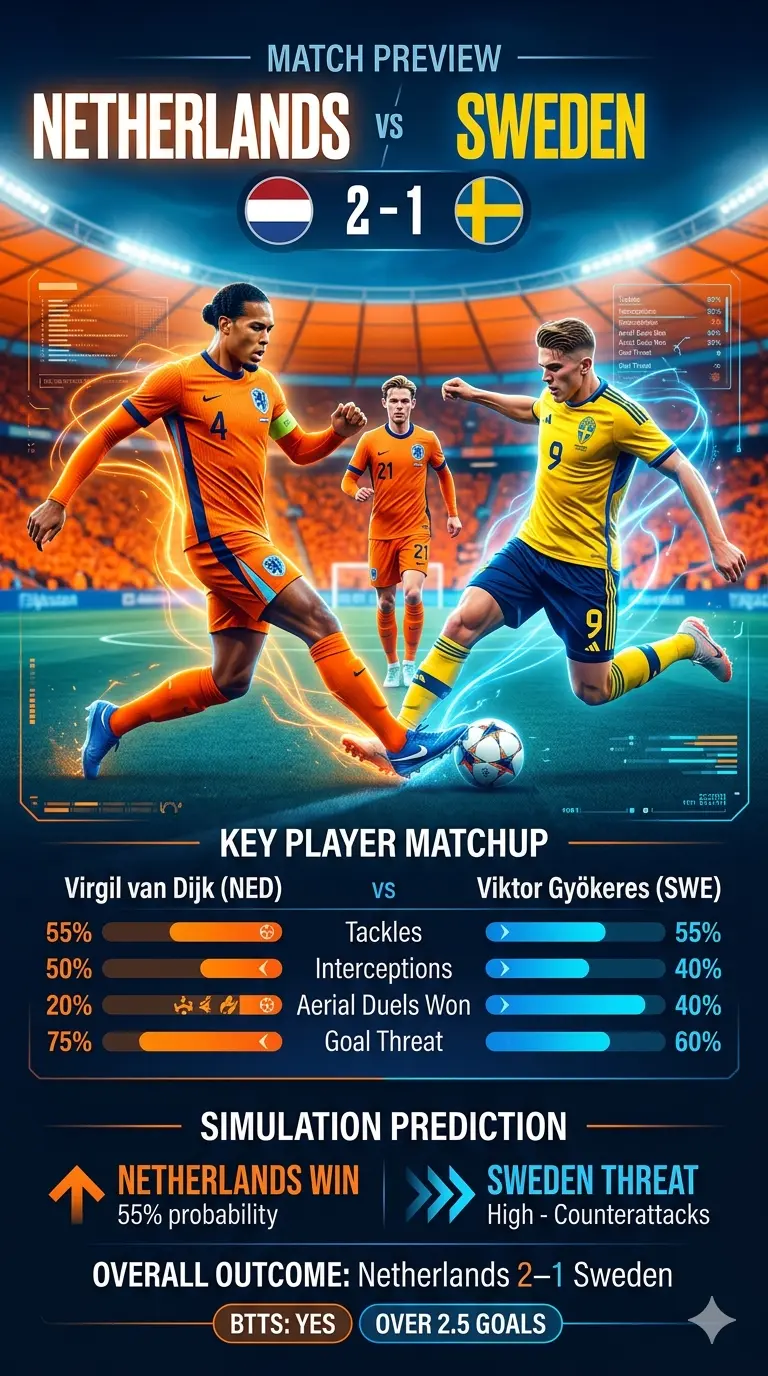
repost-content-media
  • Reward
  • Comment
  • Repost
  • Share
#TradFiCFDGoldMasters
#MyGateTradeStory
One of the most important lessons I learned as a trader is that gold is much more than a commodity. Before I started studying macroeconomics and global markets, I viewed gold simply as an asset that moved up and down based on supply and demand. Over time, I realized that gold often reflects investor psychology, economic uncertainty, inflation expectations, and confidence in financial systems.
My first experience trading gold CFDs taught me how quickly market sentiment can change. I entered a position based purely on technical analysis and ignored the b
XAU-0.08%
MrFlower_Prime
#TradFiCFDGoldMasters
#MyGateTradeStory
One of the most important lessons I learned as a trader is that gold is much more than a commodity. Before I started studying macroeconomics and global markets, I viewed gold simply as an asset that moved up and down based on supply and demand. Over time, I realized that gold often reflects investor psychology, economic uncertainty, inflation expectations, and confidence in financial systems.
My first experience trading gold CFDs taught me how quickly market sentiment can change. I entered a position based purely on technical analysis and ignored the broader economic picture. The trade initially moved in my favor, but after unexpected economic data was released, market sentiment shifted rapidly. That experience showed me that understanding macroeconomic drivers is just as important as understanding chart patterns.
One reason many investors continue to watch gold closely is its historical role as a safe-haven asset. During periods of geopolitical uncertainty, inflation concerns, or financial instability, capital often flows toward gold as investors seek protection from risk. This behavior has been observed repeatedly across different economic cycles.
For beginners, one of the biggest mistakes is treating gold like a high-volatility cryptocurrency. Gold often responds differently to market conditions. Interest rates, central bank policy, inflation expectations, currency strength, and geopolitical developments can all influence price movements. Learning to monitor these factors provides valuable context that technical indicators alone cannot offer.
Risk management is especially important when trading CFDs. Leverage can amplify gains, but it also increases losses. Early in my trading journey, I focused too much on potential profits and not enough on downside risk. After experiencing unnecessary losses, I adopted a more disciplined approach that prioritizes position sizing, stop-loss placement, and capital preservation.
Another lesson I learned is the importance of patience. Gold does not always move in dramatic trends. There are periods when prices consolidate for weeks while markets wait for new economic information. During these phases, overtrading can become more damaging than simply waiting for higher-probability opportunities.
Today, my approach to gold trading combines technical analysis, macroeconomic awareness, and disciplined risk management. I pay attention to support and resistance levels, but I also monitor inflation data, central bank commentary, bond yields, and geopolitical developments. This broader perspective helps me understand why the market is moving rather than simply reacting to price changes.
For beginners entering TradFi and CFD markets, my advice is simple: focus on learning before maximizing profit. Study how gold reacts to economic events, understand the impact of leverage, and develop a consistent risk-management framework. Success in trading rarely comes from one perfect trade. It comes from making disciplined decisions repeatedly over time.
Gold has survived wars, economic crises, inflation cycles, and major shifts in the global financial system. That history is one reason why it continues to attract investors today. Whether trading short-term price movements or studying long-term macro trends, understanding gold can provide valuable insights into how global markets function.
The longer I trade, the more I appreciate a simple principle: protecting capital comes first. Opportunities will always return, but preserving capital ensures you are still in the market when they do.
repost-content-media
  • Reward
  • Comment
  • Repost
  • Share