DanielRomero

vip
Age 5.8 Year
Peak Tier 5
No content yet
“The overall CPU market has seen significantly higher demand than any of us predicted a year ago,”
$AMD CEO Lisa Su said
“I would say the CPU market is tight.”
She said $AMD is ramping up capacity quickly and expects supply to increase every quarter this year, with significantly more supply planned for 2027 and beyond
Growth is being driven by AI inference and agentic AI, Su said
CPUs have taken center stage as companies and businesses move toward agentic AI, systems that perform autonomous functions, broadening demand beyond GPUs, which are mainly used to train large models
Su also met Chin
post-image
  • Reward
  • Comment
  • Repost
  • Share
$NBIS originally assessed the possibility of using $BE, but rejected it due to its inability to operate without grid access
They wanted maximum flexibility, which Bergen Engines can provide, as AI workloads are not constant or stable
Management wanted baseload-ready capacity immediately, with the ability to ramp to peak load within hours. Bergen plus Piller stabilization could do that. Bloom, on its own, could not
Bergen would also be cheaper by around 40%. On 250 MW running 8,760 hours a year, that translates to roughly $131M more per year under Bloom
Over the 10-year contract, that means $1.
post-image
  • Reward
  • Comment
  • Repost
  • Share
Dissecting the $NBIS and DataOne permit drama
This is the timeline:
-> Late 2025, Bergen wins the 400MW contract for Vineland. Gas engines are much more polluting and noisy than $BE fuel cells
-> Jan. 30, 2026, NJDEP issues deficiency notices and threatens to treat the parcel as a single emissions source. DataOne’s CEO hand-delivers a rebuttal letter the same day
-> Feb. 19, 2026, New Brunswick kills its own data center after protests. Every NJ project’s permitting risk gets repriced
-> May 14, 2026, Nebius signs a $2.6B Bloom deal. The press release says "eliminates the need for reciprocating
NBIS1.13%
BE-2.37%
post-image
  • Reward
  • Comment
  • Repost
  • Share
If $BE is worth almost $100B now, it really gets you thinking
What will the SMR leaders be worth in 10 years?
Could companies like $OKLO, $SMR, $RYCEY, and $BWXT be worth hundreds of billions at some point?
A single SMR will provide hundreds of MW of 24/7 power for decades, with very low fuel cost per MWh
Until fusion is solved, SMRs will absolutely mog fuel cells, especially for AI purposes
The TAM will be massive
Think about all the power demand AI could require in 10 years, and how convenient it would be for data center operators to place campuses in many more locations while mainly just wo
BE-6.81%
OKLO1.07%
BWXT0.27%
post-image
  • Reward
  • Comment
  • Repost
  • Share
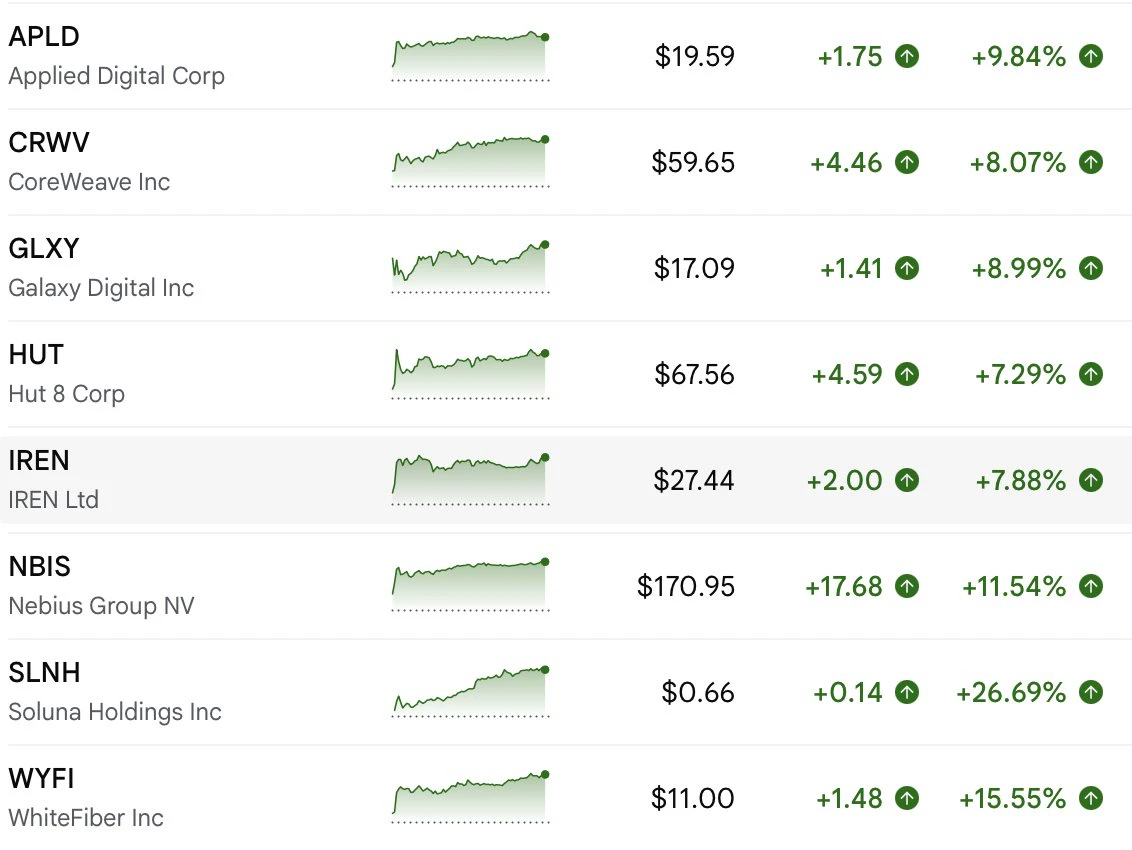
$HYLN is getting bid up as a new $BE-style trade
🚩 One red flag I found:
Their biggest validator is the VFG Holdings partnership for up to 250 KARNO Cores, or 50 MW, over five years, but that is a non-binding LOI
According to LinkedIn, VFG has a whopping 4 employees, 0 job posts, and was founded in 2025
VFG’s co-founder and CEO studied music in college and appears to have no direct experience in data centers or infrastructure
Yet the stock is suddenly getting bid up as investors search for the next $BE, while $FCEL is also shooting up, although with more reason
$HYLN’s history has been disast
post-image
post-image
  • Reward
  • Comment
  • Repost
  • Share
So many shitcos are flying right now
From time to time, the market just takes every high-beta stock on Earth and pumps the volume. Liquidity for everybody
That’s the most important time to avoid FOMO
  • Reward
  • Comment
  • Repost
  • Share
Photonics stocks still have room to grow
Memory should do fine
Physical AI will be a major trend in 2027, but pick carefully
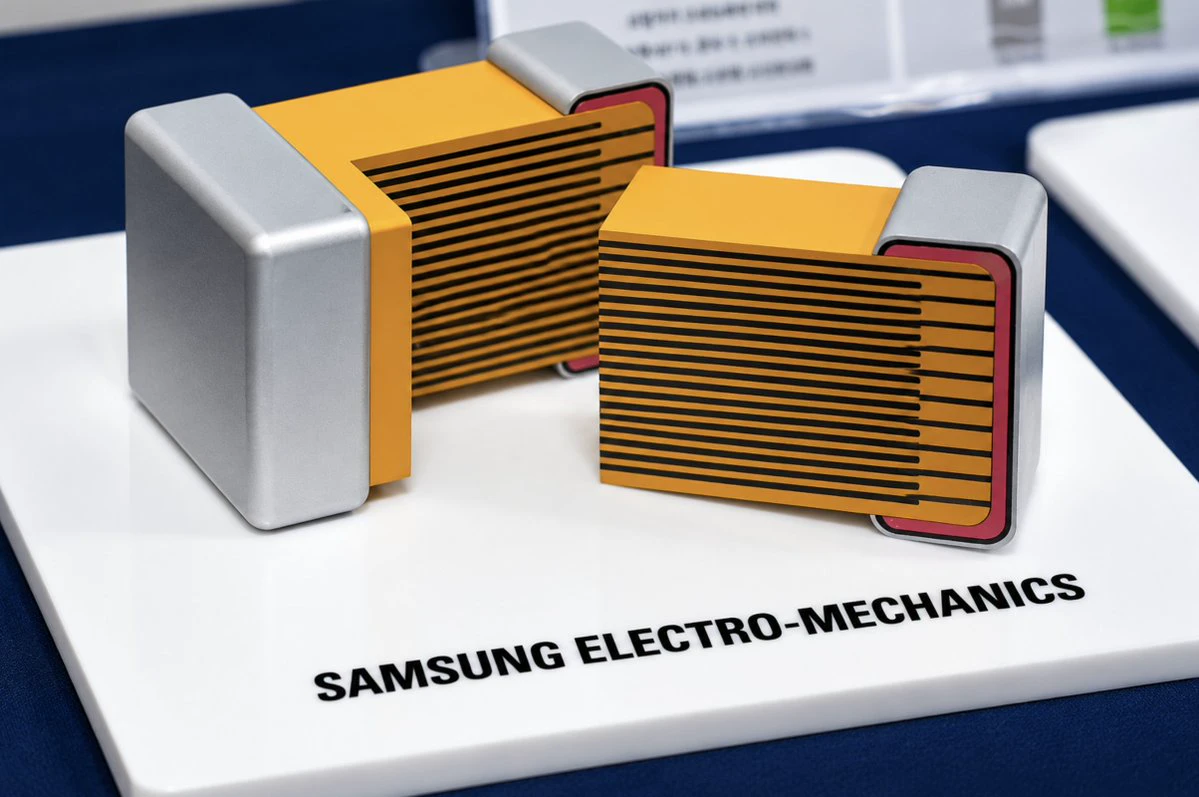
MLCCs exploding with Rubin tailwinds, Feynman will push the BOM even higher
CPUs bottlenecked, and we all know the biggest beneficiary
Glass substrates are coming strong and may be pioneered in Feynman
post-image
  • Reward
  • Comment
  • Repost
  • Share
$AMD announced more than $10B in investments across Taiwan’s AI ecosystem.
The goal is to expand partnerships and scale advanced packaging manufacturing for next-generation AI infrastructure.
→ $AMD is working with ASE and SPIL on next-generation wafer-based 2.5D bridge interconnect technology, called EFB, Elevated Fanout Bridge.
→ $AMD also said it qualified the industry’s first 2.5D panel-based EFB interconnect with PTI.
→ The technology supports Venice, AMD’s 6th Gen EPYC CPU, and should improve interconnect bandwidth, power efficiency, and system economics.
━━━━━━━━━━━━━━━━━━
Full partner
post-image
  • Reward
  • Comment
  • Repost
  • Share
$AMD’s EPYC Venice CPUs have entered volume production, becoming the first HPC CPU product to ramp on TSMC’s 2nm process
Key points:
→ Venice is AMD’s 6th Gen EPYC CPU, based on Zen 6
→ It is expected to offer over 70% better performance and efficiency than the previous generation
→ Thread density should improve by over 30%
→ The top configuration could reach 256 cores and 512 threads, compared with Turin’s 192-core maximum
→ $AMD also plans to ramp Venice at TSMC Arizona, improving supply diversification
→ AMD’s broader roadmap includes Verano, an AI-focused CPU variant designed for agentic A
post-image
  • Reward
  • Comment
  • Repost
  • Share
MLCCs are becoming a mainstream investment theme
The problem is that the main plays are already expensive:
- > Taiyo Yuden: 34x earnings
- > Murata: 42x earnings
The biggest opportunity is now in materials
━━━━━━━━━━━━━━━━━━
This is how the MLCC cycle will likely play out
➡️ MLCC makers, Murata, TDK, SEMCO, Yageo and Taiyo Yuden, raise prices for AI customers. These prices have already exploded.
➡️ 0 to 3 months: MLCC maker earnings benefit immediately from the price increase.
➡️ 6 to 12 months: MLCC makers renegotiate input costs with materials suppliers. These suppliers are still cheap.
post-image
  • Reward
  • Comment
  • Repost
  • Share
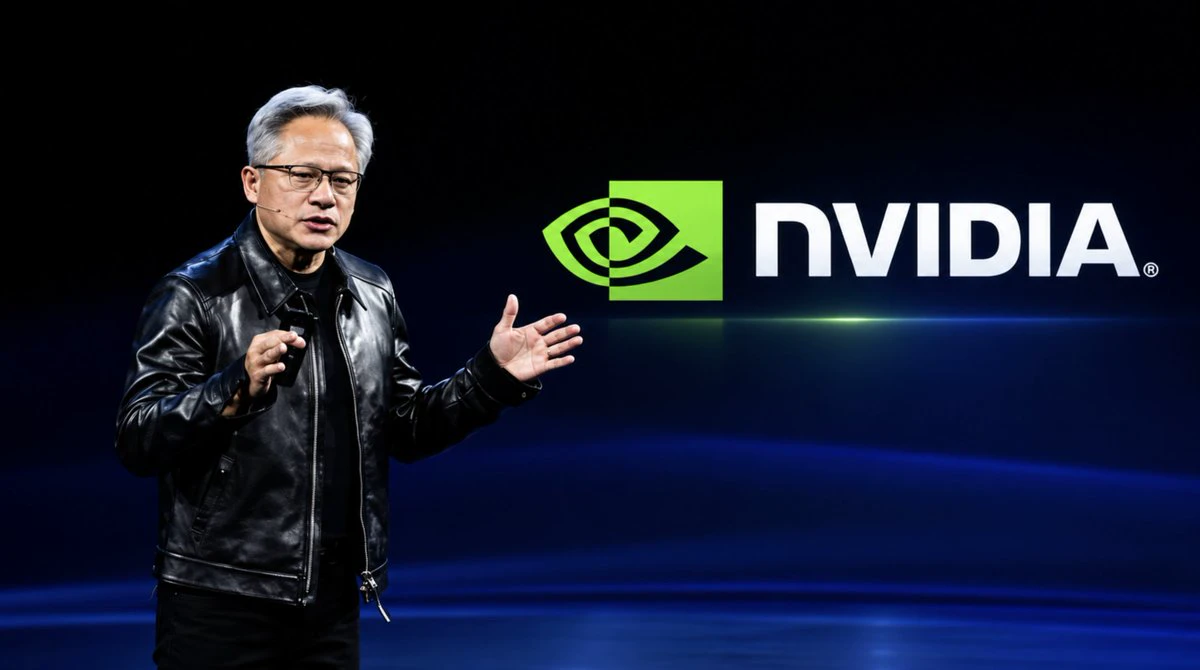
$NVDA Jensen Huang made an interesting comment
He mentioned that "there's a whole list of others that are bringing compute online for Anthropic"
If we assume there are at least two more, and that they are using $NVDA hardware, then xAI is one
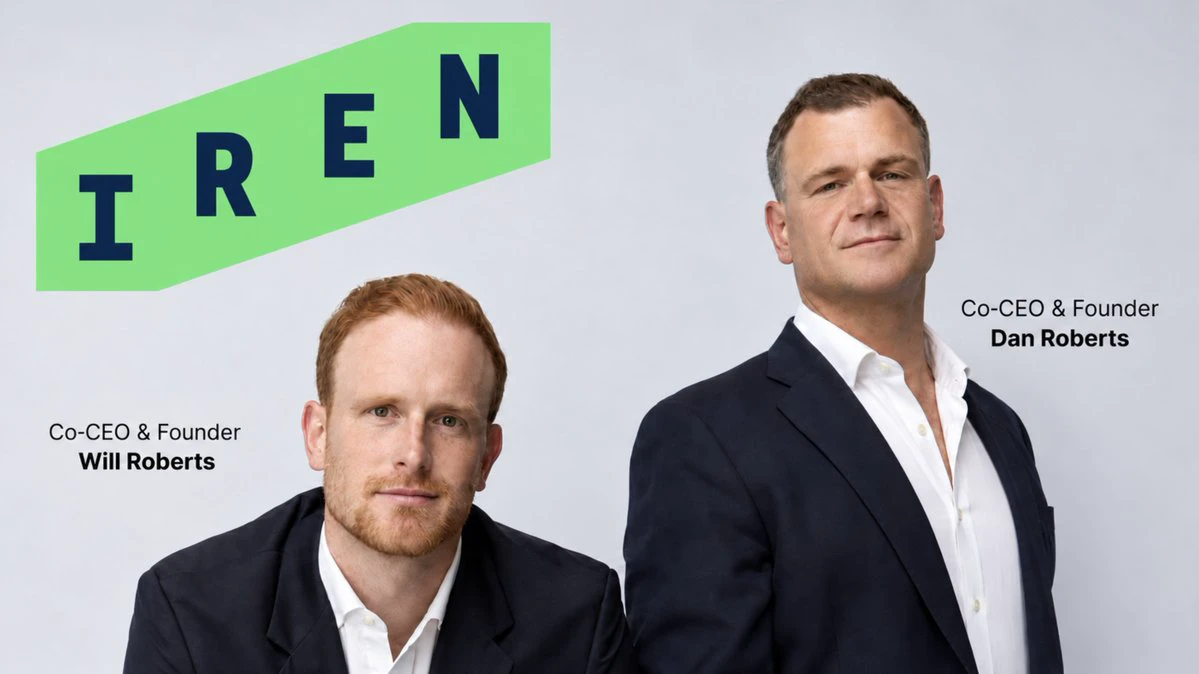
Who else, if not $IREN or $NBIS?
post-image
  • Reward
  • Comment
  • Repost
  • Share
$AMD has started sampling MI450 GPUs to lead customers, and Helios rack production shipments remain on track for H2 2026
According to Lisa Su, demand for MI450 is now above AMD’s initial 2027 plans, with more customers engaging in large-scale deployments, including additional multi-gigawatt opportunities
post-image
  • Reward
  • Comment
  • Repost
  • Share
$GOOG, $AMZN, $MSFT, $META, and $ORCL are expected to account for over 60% of global demand for $NVDA GB and VR series servers in 2026
Source: TrendForce
-> Global AI server shipments are expected to grow over 28% YoY in 2026
-> Training compute for the top five CSPs is expected to grow more than 56% YoY
-> Inference compute is expected to grow around 122% YoY
-> Combined capex from Google, Amazon, Microsoft, Meta, and Oracle is expected to exceed $770B in 2026, up nearly 87% YoY
-> Google’s TPU demand is expected to grow nearly 80% YoY, while Amazon’s Trainium is expected to represe
  • Reward
  • Comment
  • Repost
  • Share
$NBIS increased GPU rental prices across the board starting in June
Blended price increase: +34%
The biggest increase was in H100 preemptible pricing, up 72%
NBIS1.13%
post-image
post-image
  • Reward
  • Comment
  • Repost
  • Share
Samsung saves the day
It was too much winning for $MU
MU-2.17%
post-image
  • Reward
  • Comment
  • Repost
  • Share
The difference in price between ChatGPT and Claude is absurd
ChatGPT lets you get virtually all the tokens you want with the standard subscription, while for the same work in Claude, you need to spend thousands
I wonder why the difference is so big
Pricing power?
Not enough compute, so they would rather squeeze users?
Anyhow, it makes all the sense in the world that the average consumer would rather pick ChatGPT, which helps explain why it is so much more popular
post-image
  • Reward
  • Comment
  • Repost
  • Share
$NVDA Jonathan Ross says that memory is the biggest AI bottleneck right now, but bottlenecks are not permanent.
“Every time a bottleneck gets big enough, people solve it.”
His warning is that memory can remain extremely valuable while it is constrained, but if it becomes too expensive or too scarce, it becomes the problem engineers are forced to attack.
If memory becomes too much of a bottleneck, the industry will start finding ways to reduce its dependence on it.
He said memory was “the most commoditized segment of the semiconductor supply chain,” but now it is one of the most important const
NVDA-0.97%
post-image
  • Reward
  • Comment
  • Repost
  • Share
Groq’s Jonathan Ross has had an insane glow-up
post-image
post-image
  • Reward
  • Comment
  • Repost
  • Share
Increasingly obvious that the hot theme for 2027 will be physical AI
I’ll assume the glass substrate supply chain will become mainstream as a play as well
  • Reward
  • Comment
  • Repost
  • Share
Remember when some people said data center companies were glorified REITs?
I do.
post-image
  • Reward
  • Comment
  • Repost
  • Share
  • Pinned