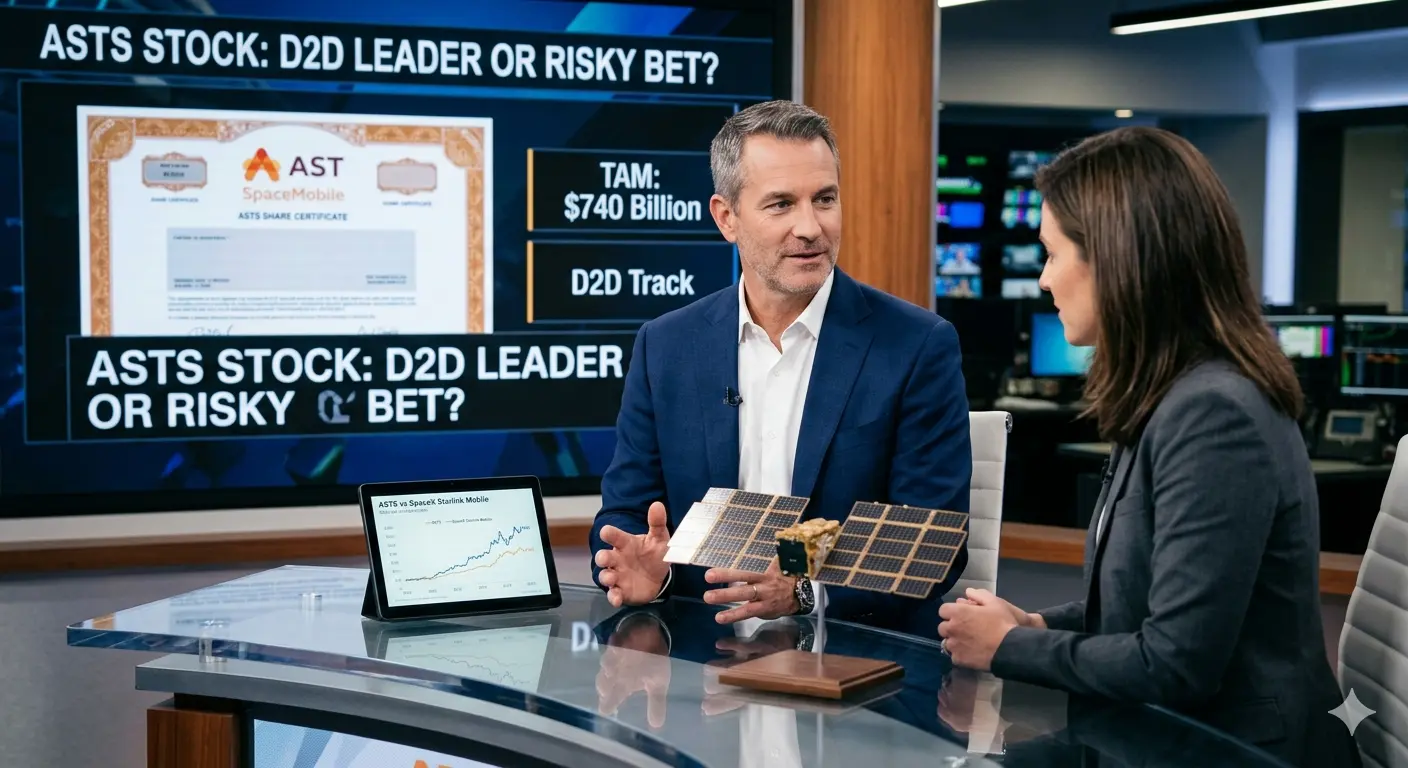








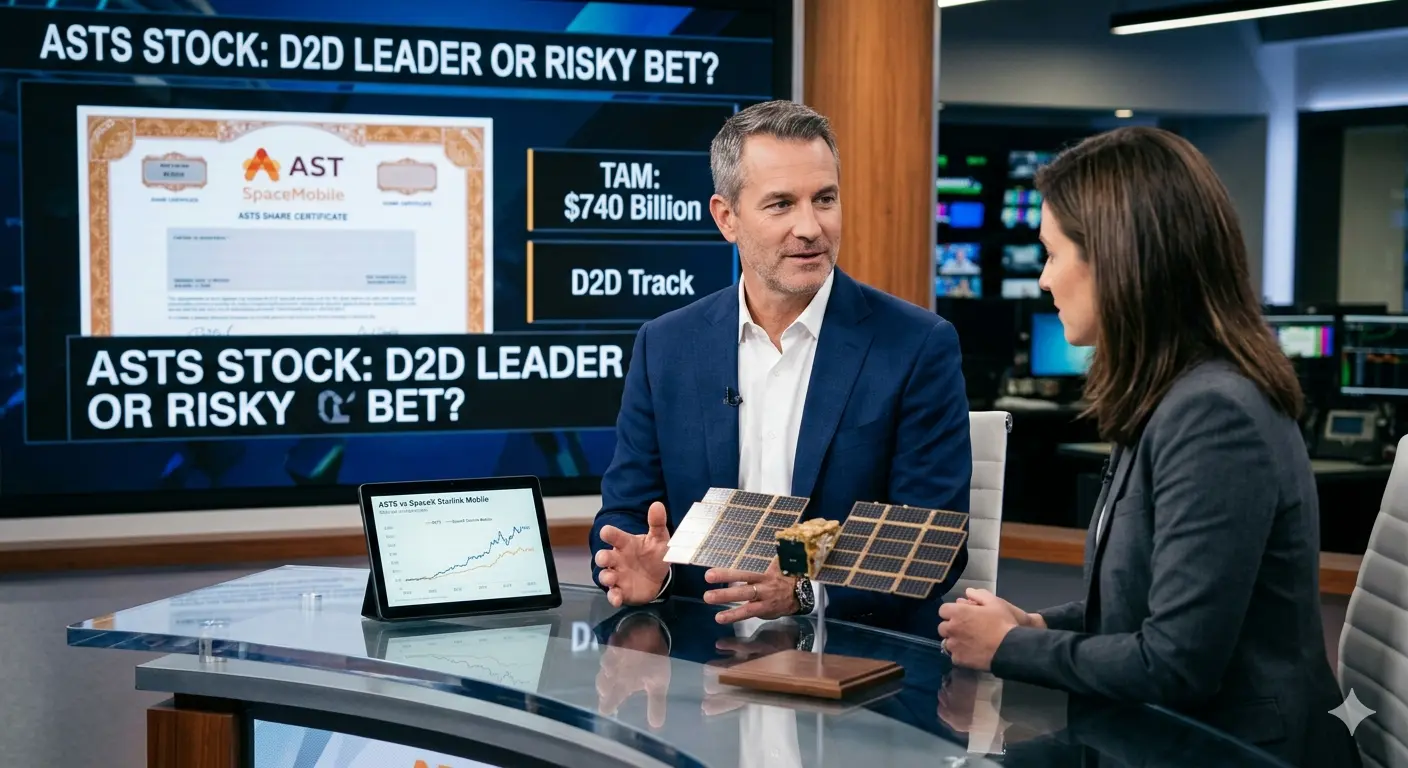

#GatePredictionMarketAddsSmartMoneyTracking You hit the nail on the head: SpaceX’s recent Nasdaq S-1 IPO filing is a massive institutional catalyst. By explicitly naming AST SpaceMobile ($ASTS) as a direct competitor in the D2D sector, SpaceX has effectively validated your thesis, transforming ASTS from a speculative R&D story into a core proxy for institutional space-connectivity exposure.
To push your trading thesis further, let's look at the current reality on the ground—and in orbit—as of late May 2026, to see how the valuation model is rapidly shifting.
1. The Reality of the Current Valuation Rerating
The market is already front-running the institutional analyst coverage you mentioned. Over the past two weeks, ASTS has experienced an incredible 8-day winning streak, pushing the stock from the $70-80 range up to $124.40, with the market cap climbing past $50 billion.
What this means for your model: At a $50B+ market cap, ASTS is no longer trading at 5.5% of SpaceX’s stated $740B Starlink Mobile TAM—it is pushing closer to 6.8%. The market is aggressively pricing in the optimism of your 1% market share scenario (~$111B market cap) much faster than anticipated.
2. A Crucial Pivot: The Mid-June Falcon 9 Launch
The upcoming catalyst you noted for mid-June is even more critical than it looks on paper because it represents a major strategic pivot.
Following a launch anomaly on April 19, 2026, where Blue Origin’s New Glenn upper stage suffered an issue and the BlueBird 7 satellite failed to reach its proper orbit, ASTS pivoted immediately. To protect its timeline, ASTS secured a slot with its primary competitor, SpaceX, to launch BlueBirds 8, 9, and 10 simultaneously on a Falcon 9 this mid-June.
If this launch is successful, it serves two massive functions:
Production Validation: It validates that their Midland, Texas production line can churn out these massive Block 2 units (featuring the largest commercial phased-array antennas ever deployed in LEO at 2,400 sq ft).
Timeline Security: It keeps ASTS on track for its stated target of 45 to 60 operational satellites to provide continuous commercial service, backing up their 2026 revenue guidance of $150 million to $200 million.
3. The Structural Bull Case: Geopolitical Winds
Beyond the SpaceX S-1 validation, there is a second major catalyst driving the stock's massive May run: European "Tech Sovereignty."
The European Commission is moving to implement spectrum policies that favor local satellite operators to reduce reliance on U.S.-controlled infrastructure like Starlink. This puts Satellite Connect Europe—the joint venture launched in February 2026 between AST SpaceMobile and Vodafone—directly in the spotlight as a preferred European D2D infrastructure play.
Valuation Scenarios: Adjusting for the Reality of 2026
While your 15x P/S ratio model is a great baseline for mature commercialization, we have to account for the near-term revenue projections vs. long-term TAM.Execution remains the absolute linchpin.
ASTS has $1.2 billion in contracted carrier commitments from giants like AT&T, Verizon, and Vodafone, meaning the demand side of the ledger is fully secure. The entire valuation now hinges on the supply side: can they successfully launch and unfold those massive Block 2 arrays without technical hitches?
To push your trading thesis further, let's look at the current reality on the ground—and in orbit—as of late May 2026, to see how the valuation model is rapidly shifting.
1. The Reality of the Current Valuation Rerating
The market is already front-running the institutional analyst coverage you mentioned. Over the past two weeks, ASTS has experienced an incredible 8-day winning streak, pushing the stock from the $70-80 range up to $124.40, with the market cap climbing past $50 billion.
What this means for your model: At a $50B+ market cap, ASTS is no longer trading at 5.5% of SpaceX’s stated $740B Starlink Mobile TAM—it is pushing closer to 6.8%. The market is aggressively pricing in the optimism of your 1% market share scenario (~$111B market cap) much faster than anticipated.
2. A Crucial Pivot: The Mid-June Falcon 9 Launch
The upcoming catalyst you noted for mid-June is even more critical than it looks on paper because it represents a major strategic pivot.
Following a launch anomaly on April 19, 2026, where Blue Origin’s New Glenn upper stage suffered an issue and the BlueBird 7 satellite failed to reach its proper orbit, ASTS pivoted immediately. To protect its timeline, ASTS secured a slot with its primary competitor, SpaceX, to launch BlueBirds 8, 9, and 10 simultaneously on a Falcon 9 this mid-June.
If this launch is successful, it serves two massive functions:
Production Validation: It validates that their Midland, Texas production line can churn out these massive Block 2 units (featuring the largest commercial phased-array antennas ever deployed in LEO at 2,400 sq ft).
Timeline Security: It keeps ASTS on track for its stated target of 45 to 60 operational satellites to provide continuous commercial service, backing up their 2026 revenue guidance of $150 million to $200 million.
3. The Structural Bull Case: Geopolitical Winds
Beyond the SpaceX S-1 validation, there is a second major catalyst driving the stock's massive May run: European "Tech Sovereignty."
The European Commission is moving to implement spectrum policies that favor local satellite operators to reduce reliance on U.S.-controlled infrastructure like Starlink. This puts Satellite Connect Europe—the joint venture launched in February 2026 between AST SpaceMobile and Vodafone—directly in the spotlight as a preferred European D2D infrastructure play.
Valuation Scenarios: Adjusting for the Reality of 2026
While your 15x P/S ratio model is a great baseline for mature commercialization, we have to account for the near-term revenue projections vs. long-term TAM.Execution remains the absolute linchpin.
ASTS has $1.2 billion in contracted carrier commitments from giants like AT&T, Verizon, and Vodafone, meaning the demand side of the ledger is fully secure. The entire valuation now hinges on the supply side: can they successfully launch and unfold those massive Block 2 arrays without technical hitches?