June 8, 2026 Geopolitical Shock: How Middle East Conflict Risk Is Shaping Global Markets and What Comes Next
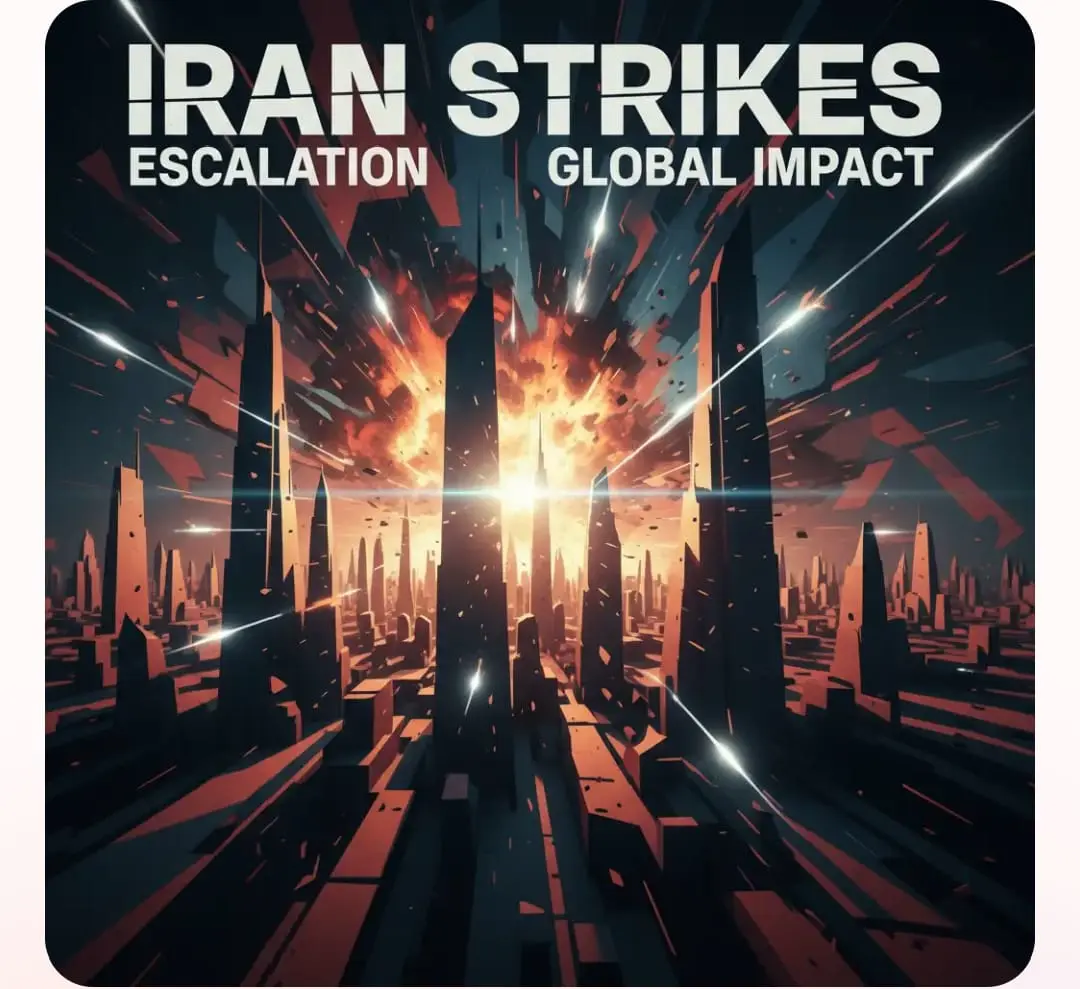
The escalation of tensions between Iran and Israel has once again reminded global investors how quickly geopolitical events can reshape financial markets. On June 8, 2026, renewed conflict headlines have triggered immediate reactions across commodities, equities, currencies, and digital assets, as traders reassess risk exposure and global stability expectations.
Geopolitical uncertainty of this scale typically creates a rapid shift in market behavior. Investors move toward safer assets, volatility rises across all major instruments, and liquidity flows adjust as risk appetite weakens. The current situation is developing in real time, but early market reactions already provide insight into how capital is repositioning.
Immediate Market Reaction: Risk-Off Sentiment Returns
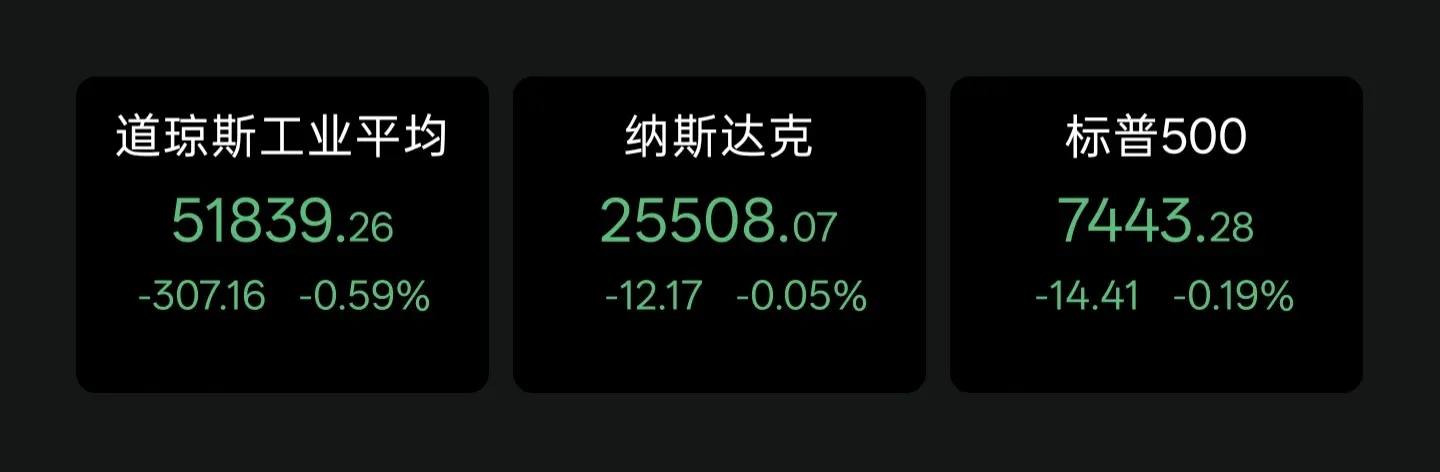
Following the escalation, global markets have shown a clear transition into risk-off positioning. Equity indices experience pressure as investors reduce exposure to high-volatility sectors. Growth-oriented assets, especially those dependent on stable macro conditions, tend to face stronger selling pressure during such phases.
At the same time, capital flows move toward traditional safe-haven instruments. Gold demand increases as investors seek stability amid uncertainty. Energy markets react quickly due to concerns over potential supply disruptions in the region, which plays a critical role in global oil distribution routes.
Currency markets also reflect shifting sentiment. Defensive currencies gain relative strength as global investors seek lower-risk positions. Volatility in forex markets rises as uncertainty around geopolitical escalation creates rapid repricing of expectations.
Oil and Energy Markets: The Central Pressure Point
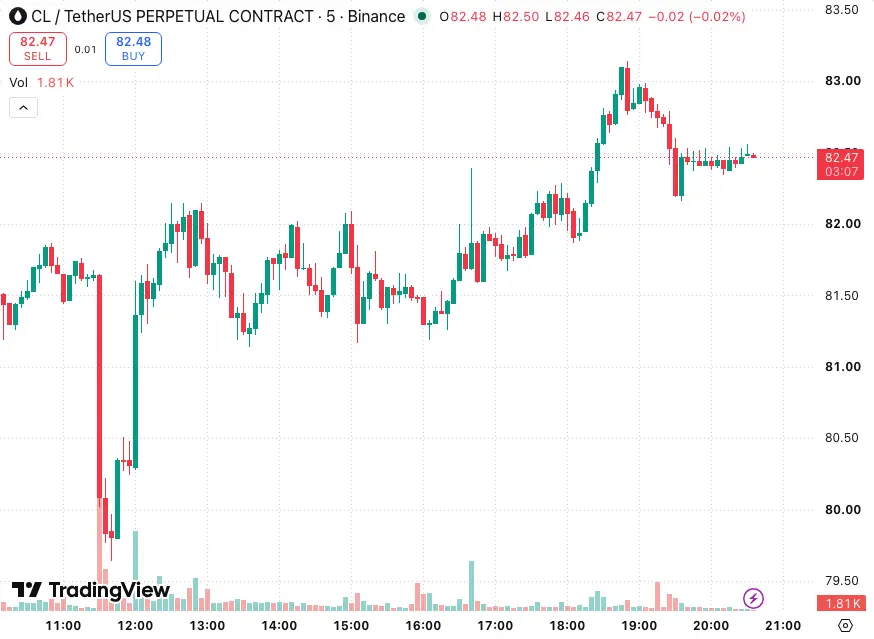
One of the most sensitive areas during Middle East conflict escalation is the global energy market. Any disruption risk in this region immediately affects crude oil pricing expectations due to its strategic importance in global supply chains.
Energy traders begin pricing in potential supply constraints, transport risks, and insurance cost increases. This leads to upward pressure in oil prices, which can then influence inflation expectations globally. Higher energy costs often create secondary effects across transportation, manufacturing, and consumer sectors.
This dynamic becomes a key driver of broader macro sentiment. Rising oil prices tend to increase inflation concerns, which can influence central bank policy expectations and overall liquidity conditions in financial markets.
Impact on Crypto and Digital Assets
Cryptocurrency markets often respond strongly to geopolitical shocks due to their 24/7 trading nature and sensitivity to global liquidity conditions. In early phases of uncertainty, volatility increases as traders adjust positioning rapidly.
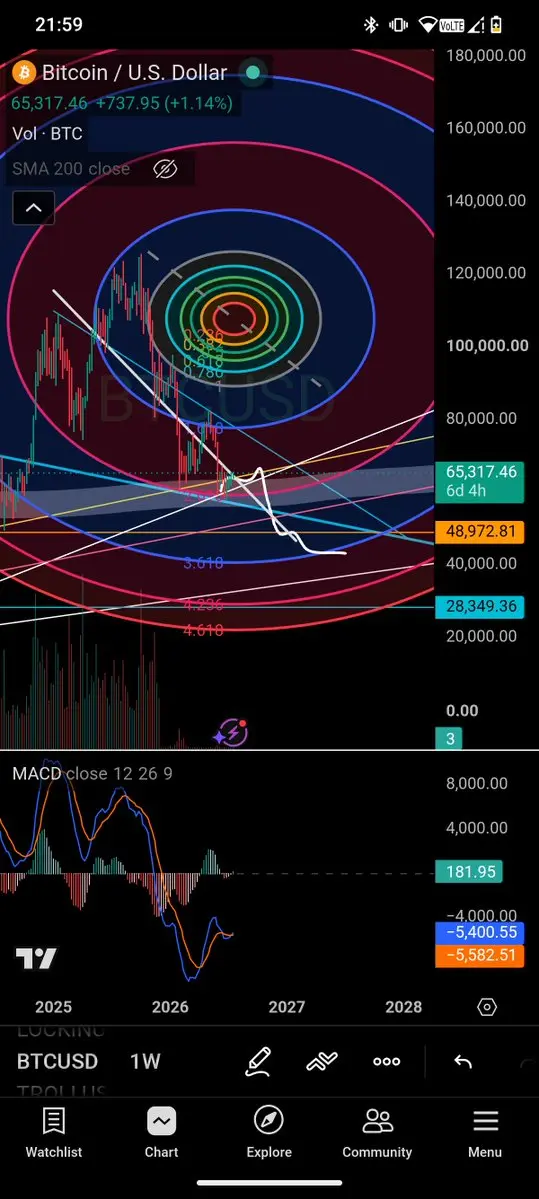
Bitcoin, as the leading digital asset, often behaves as a hybrid instrument during such events. In some phases, it reflects risk-off pressure alongside equities. In other phases, it attracts attention as an alternative store of value when geopolitical uncertainty rises.
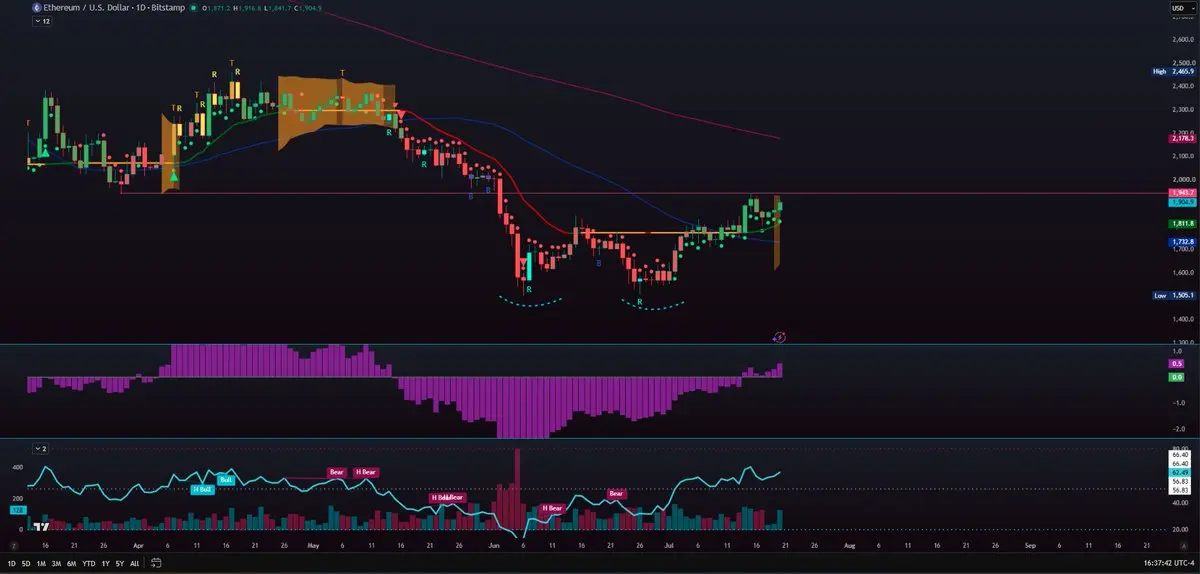
Ethereum and other major digital assets typically follow similar volatility patterns, with short-term price swings influenced by liquidity shifts and sentiment changes. Market participants often reduce leverage during such periods, leading to sharper but shorter cycles of price movement.
Short-Term Outlook: Volatility Expansion Phase
In the coming days, markets are likely to remain highly sensitive to developments surrounding the conflict. Price action across equities, commodities, and digital assets may continue reflecting rapid sentiment changes driven by news flow and geopolitical updates.
Volatility expansion is often the first phase following major geopolitical escalation. During this phase, markets react quickly to headlines, positioning becomes defensive, and liquidity conditions tighten across speculative assets.
If tensions continue to escalate, risk-off sentiment may extend further, supporting safe-haven demand and maintaining pressure on growth and high-beta assets. If diplomatic signals or de-escalation developments emerge, markets may stabilize and gradually recover risk appetite.
Medium-Term Scenario: Two Possible Market Paths
From a broader perspective, two primary scenarios often develop following geopolitical shocks:
The first scenario involves continued escalation, which maintains elevated volatility, strengthens safe-haven flows, and places sustained pressure on equities and digital assets. In this environment, energy markets may remain elevated, and inflation expectations could increase, influencing global monetary policy outlooks.
The second scenario involves gradual stabilization of tensions. In this case, markets typically experience a relief rally, with capital rotating back into risk assets as uncertainty decreases. Equities recover, digital assets regain momentum, and volatility normalizes over time.
The direction of the next phase will depend heavily on diplomatic developments, regional responses, and global political coordination in the coming days.
Investor Psychology: Fear and Opportunity Cycle
Geopolitical events often create strong emotional reactions among market participants. Fear-driven selling can dominate early phases, while later stages often present opportunities for disciplined investors who maintain a structured approach.
Experienced market participants typically focus on risk management rather than prediction. Position sizing, capital preservation, and patience become essential tools during uncertain environments. Markets influenced by geopolitical events often move in sharp cycles, making emotional control a critical factor in decision-making.
Final Outlook: Navigating Uncertainty
The Iran-Israel escalation has introduced a new layer of uncertainty into global financial markets at a time already shaped by macroeconomic adjustments and liquidity sensitivity. Short-term volatility is likely to remain elevated across all major asset classes.
Energy markets, safe-haven assets, equities, and digital assets will continue responding to developments as they unfold. The key factor to monitor will be whether tensions escalate further or begin showing signs of stabilization.
In the current environment, adaptability remains essential. Markets are entering a phase where sentiment can shift rapidly based on geopolitical headlines, making disciplined strategy and risk awareness more important than ever.
The coming days will determine whether this event becomes a short-lived volatility spike or the beginning of a broader macro risk re-pricing cycle across global markets.
#IranAttacksIsrael
#BitcoinRalliesOver5Percent
The escalation of tensions between Iran and Israel has once again reminded global investors how quickly geopolitical events can reshape financial markets. On June 8, 2026, renewed conflict headlines have triggered immediate reactions across commodities, equities, currencies, and digital assets, as traders reassess risk exposure and global stability expectations.
Geopolitical uncertainty of this scale typically creates a rapid shift in market behavior. Investors move toward safer assets, volatility rises across all major instruments, and liquidity flows adjust as risk appetite weakens. The current situation is developing in real time, but early market reactions already provide insight into how capital is repositioning.
Immediate Market Reaction: Risk-Off Sentiment Returns
Following the escalation, global markets have shown a clear transition into risk-off positioning. Equity indices experience pressure as investors reduce exposure to high-volatility sectors. Growth-oriented assets, especially those dependent on stable macro conditions, tend to face stronger selling pressure during such phases.
At the same time, capital flows move toward traditional safe-haven instruments. Gold demand increases as investors seek stability amid uncertainty. Energy markets react quickly due to concerns over potential supply disruptions in the region, which plays a critical role in global oil distribution routes.
Currency markets also reflect shifting sentiment. Defensive currencies gain relative strength as global investors seek lower-risk positions. Volatility in forex markets rises as uncertainty around geopolitical escalation creates rapid repricing of expectations.
Oil and Energy Markets: The Central Pressure Point
One of the most sensitive areas during Middle East conflict escalation is the global energy market. Any disruption risk in this region immediately affects crude oil pricing expectations due to its strategic importance in global supply chains.
Energy traders begin pricing in potential supply constraints, transport risks, and insurance cost increases. This leads to upward pressure in oil prices, which can then influence inflation expectations globally. Higher energy costs often create secondary effects across transportation, manufacturing, and consumer sectors.
This dynamic becomes a key driver of broader macro sentiment. Rising oil prices tend to increase inflation concerns, which can influence central bank policy expectations and overall liquidity conditions in financial markets.
Impact on Crypto and Digital Assets
Cryptocurrency markets often respond strongly to geopolitical shocks due to their 24/7 trading nature and sensitivity to global liquidity conditions. In early phases of uncertainty, volatility increases as traders adjust positioning rapidly.
Bitcoin, as the leading digital asset, often behaves as a hybrid instrument during such events. In some phases, it reflects risk-off pressure alongside equities. In other phases, it attracts attention as an alternative store of value when geopolitical uncertainty rises.
Ethereum and other major digital assets typically follow similar volatility patterns, with short-term price swings influenced by liquidity shifts and sentiment changes. Market participants often reduce leverage during such periods, leading to sharper but shorter cycles of price movement.
Short-Term Outlook: Volatility Expansion Phase
In the coming days, markets are likely to remain highly sensitive to developments surrounding the conflict. Price action across equities, commodities, and digital assets may continue reflecting rapid sentiment changes driven by news flow and geopolitical updates.
Volatility expansion is often the first phase following major geopolitical escalation. During this phase, markets react quickly to headlines, positioning becomes defensive, and liquidity conditions tighten across speculative assets.
If tensions continue to escalate, risk-off sentiment may extend further, supporting safe-haven demand and maintaining pressure on growth and high-beta assets. If diplomatic signals or de-escalation developments emerge, markets may stabilize and gradually recover risk appetite.
Medium-Term Scenario: Two Possible Market Paths
From a broader perspective, two primary scenarios often develop following geopolitical shocks:
The first scenario involves continued escalation, which maintains elevated volatility, strengthens safe-haven flows, and places sustained pressure on equities and digital assets. In this environment, energy markets may remain elevated, and inflation expectations could increase, influencing global monetary policy outlooks.
The second scenario involves gradual stabilization of tensions. In this case, markets typically experience a relief rally, with capital rotating back into risk assets as uncertainty decreases. Equities recover, digital assets regain momentum, and volatility normalizes over time.
The direction of the next phase will depend heavily on diplomatic developments, regional responses, and global political coordination in the coming days.
Investor Psychology: Fear and Opportunity Cycle
Geopolitical events often create strong emotional reactions among market participants. Fear-driven selling can dominate early phases, while later stages often present opportunities for disciplined investors who maintain a structured approach.
Experienced market participants typically focus on risk management rather than prediction. Position sizing, capital preservation, and patience become essential tools during uncertain environments. Markets influenced by geopolitical events often move in sharp cycles, making emotional control a critical factor in decision-making.
Final Outlook: Navigating Uncertainty
The Iran-Israel escalation has introduced a new layer of uncertainty into global financial markets at a time already shaped by macroeconomic adjustments and liquidity sensitivity. Short-term volatility is likely to remain elevated across all major asset classes.
Energy markets, safe-haven assets, equities, and digital assets will continue responding to developments as they unfold. The key factor to monitor will be whether tensions escalate further or begin showing signs of stabilization.
In the current environment, adaptability remains essential. Markets are entering a phase where sentiment can shift rapidly based on geopolitical headlines, making disciplined strategy and risk awareness more important than ever.
The coming days will determine whether this event becomes a short-lived volatility spike or the beginning of a broader macro risk re-pricing cycle across global markets.
#IranAttacksIsrael
#BitcoinRalliesOver5Percent