

Trade
Basic
Futures
Futures
Hundreds of contracts settled in USDT or BTC
TradFi
Gold
Trade global traditional assets with USDT in one place
Options
Hot
Trade European-style vanilla options
Unified Account
Maximize your capital efficiency
Demo Trading
Futures Kickoff
Get prepared for your futures trading
Futures Events
Participate in events to win generous rewards
Demo Trading
Use virtual funds to experience risk-free trading
Earn
Launch
CandyDrop
Collect candies to earn airdrops
Launchpool
Quick staking, earn potential new tokens
HODLer Airdrop
Hold GT and get massive airdrops for free
Launchpad
Be early to the next big token project
Alpha Points
Trade on-chain assets and enjoy airdrop rewards!
Futures Points
Earn futures points and claim airdrop rewards
Investment
Simple Earn
Earn interests with idle tokens
Auto-Invest
Auto-invest on a regular basis
Dual Investment
Buy low and sell high to take profits from price fluctuations
Soft Staking
Earn rewards with flexible staking
Crypto Loan
0 Fees
Pledge one crypto to borrow another
Lending Center
One-stop lending hub
VIP Wealth Hub
Customized wealth management empowers your assets growth
Private Wealth Management
Customized asset management to grow your digital assets
Quant Fund
Top asset management team helps you profit without hassle
Staking
Stake cryptos to earn in PoS products
Smart Leverage
New
No forced liquidation before maturity, worry-free leveraged gains
GUSD Minting
Use USDT/USDC to mint GUSD for treasury-level yields

More


Trending Topics
View More80.09K Popularity
6.56K Popularity
1.96K Popularity
2.93K Popularity
7.5K Popularity



Pin
Gate Square | 2/5 Today's Hot Topic: #BuyTheDipOrWaitNow?
🎁 [Community Perk] Post with the topic or #BTC, 10 lucky users * $100 position Voucher.
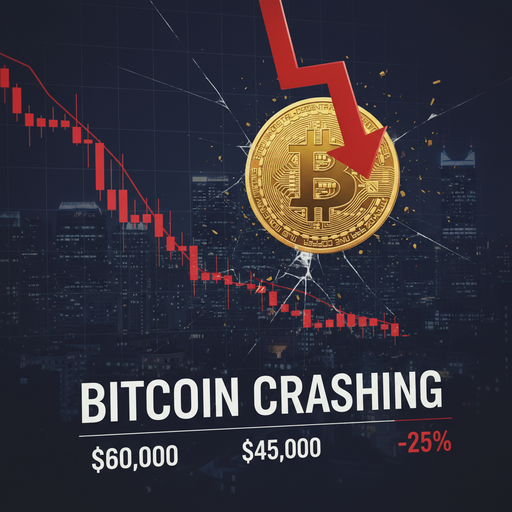
Market volatility continues as BTC breaks below the $74,000 key support level, with altcoins pulling back in sync. Are you buying the dip in batches or waiting for a better entry point?
💬 Today’s Discussion:
1️⃣ Bottom Signals: Where do you see BTC’s bottom — $70,000 or lower?
2️⃣ Market Drivers: Which recent macroeconomic news or rumors are influencing the market?
3️⃣ Dark Horses: Are there any resilient or outperforming tokens worth watching?
ShTap to Trade in Gate Square, Win up to 50 GT & Merch!
Click the trading widget in Gate Square content, complete a transaction, and take home 50 GT, Position Experience Vouchers, or exclusive Spring Festival merchandise.
Click the registration link to join
https://www.gate.com/questionnaire/7401
Enter Gate Square daily and click any trading pair or trading card within the content to complete a transaction. The top 10 users by trading volume will win GT, Gate merchandise boxes, position experience vouchers, and more.
The top prize: 50 GT.
 represents a major structural development in the crypto and financial markets. As a USD-pegged stablecoin backed by a regulated institutional giant, FIDD signals that traditional financial institutions are now treating blockchain not as an experiment, but as long-term infrastructure. This move reflects growing confidence in digital settlement systems and tokenized finance.
One of the most important aspects of FIDD is its role in accelerating institutional adoption. When a firm like Fidelity enters the stablecoin space, it reduces perceived risk for other institutions and encourages broader participation. Large asset managers, funds, and corporations are more likely to engage with on-chain finance when trusted names provide compliant and transparent products.
FIDD is also expected to improve on-chain liquidity. By introducing a new institutional-grade digital dollar, Fidelity is enabling faster settlement, smoother trading, and more efficient capital movement across crypto and DeFi platforms. Increased stablecoin liquidity often leads to deeper markets, reduced slippage, and stronger participation from professional traders.
Trust and regulatory alignment are key differentiators for FIDD. Compared to many existing stablecoins, Fidelity’s product is designed to emphasize compliance, transparency, and reserve backing. This approach is especially attractive to risk-conscious investors who prioritize security and legal clarity over high-yield speculation.
From a broader ecosystem perspective, FIDD strengthens Ethereum’s position as a financial settlement layer. Being launched on Ethereum allows it to integrate easily with DeFi protocols, payment systems, and tokenization platforms. This supports the long-term vision of Ethereum as the backbone of decentralized and hybrid financial infrastructure.
Market-wise, FIDD introduces both opportunities and competitive pressure. On the bullish side, it boosts institutional confidence, enhances liquidity, and supports ecosystem growth. On the risk side, it increases competition among stablecoins and may attract stricter regulatory attention toward the sector. Existing players such as USDT and USDC may face pressure to improve transparency and governance.
Strategically, Fidelity’s move reflects a deeper shift in global finance. Traditional finance and crypto are no longer separate systems. Instead, they are converging into a unified digital economy where blockchain-based settlement becomes standard. FIDD represents this transition from experimental adoption to structural integration.
For traders and investors, this development highlights the importance of monitoring stablecoin flows, institutional activity, and liquidity patterns. Changes in stablecoin supply and movement often precede major market shifts. Understanding these dynamics can provide an edge in both short-term and long-term positioning.
In conclusion, the launch of FIDD is not just about a new stablecoin. It represents growing institutional commitment to blockchain finance, improved market infrastructure, and increasing regulatory maturity. While it may not immediately determine bullish or bearish trends, it lays a strong foundation for sustainable long-term growth in the crypto ecosystem.