#TradFi交易分享挑战 If you observe carefully, the market trend of the US dollar index this year has been largely driven by event factors: the risk aversion brought by Venezuela, the "de-dollarization" trades triggered by the Greenland incident (Euro: "de-dollarization" wave resumes 1.21), the Federal Reserve Bank of New York's currency review of the yen (Yen: US entry, a dilemma resolved? 1.28), the "Wosh nomination" that reshaped confidence in the dollar (Dollar: Wosh's balance sheet reduction 2.3), the "high city trading" before the Japanese House of Representatives election and the post-election fallout (Yen: market changes before the election 2.6; Yen: market changes after the election 2.12), the risk sentiment caused by sudden Middle East developments (Dollar: Iran situation impact 3.4; Dollar: one-month review of US-Israel-Iran conflict 4.1), Trump's extreme pressure followed by rapid TACO (Dollar: two-week ceasefire agreement 4.9), high oil prices triggered inflation trades after US-Iran negotiations stalled (Dollar: optimism from US-Iran talks failed to continue 4.24), and so on.
These large fluctuations are driven by event factors, and market changes are often related to statements from Trump and other insiders, which have a certain suddenness and randomness. In summary, the market trend of the US dollar index in the first half of the year belongs to an event-driven pattern within the range of 96.3-100.3.
If we roughly divide the market sentiment into stages: before Middle East conflicts, under the risk of "de-dollarization," the dollar index mostly stayed below the 98 level and couldn't rise; after the Middle East conflicts, with risk aversion logic hard to clear, the dollar index mostly stayed above 98 and couldn't fall.
Middle East situation remains the most important trading theme
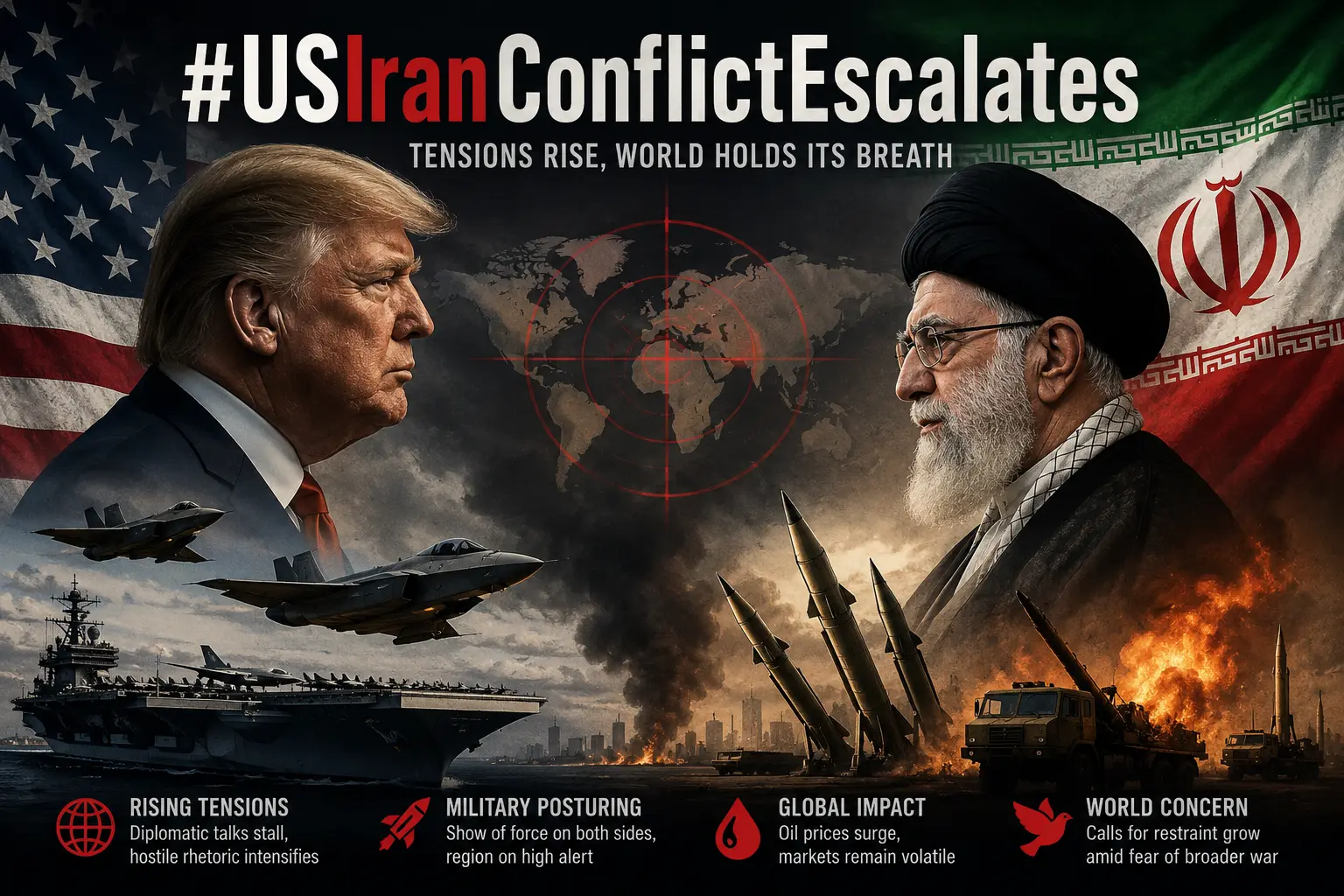
Currently, the Middle East situation remains the core theme of the market. As US-Iran negotiations lack progress, the Strait remains blocked, and global energy inventories are being depleted, the driving factors for high oil prices are gradually shifting from the early "risk premium" easily influenced by Trump’s TACO to a more rigid support of "spot shortages." The risk of persistent inflation also increases, with expectations of rate hikes by central banks strengthening and affecting some bond markets.
So far, most central banks are still in a wait-and-see window, but once the Strait blockade prolongs into the June global central bank week, some economies' rate hike expectations will turn into actual hikes. If the blockade becomes long-term, inflation, stagflation, and recession logic may gradually emerge over time, with timing mismatches and divergence in rate hikes and cuts across countries, increasing the complexity of currency trading. Energy supply shocks tend to have more significant impacts on Eurasian economies, generally favoring the US dollar index.
Drawing from historical experience, since the US has become a net energy exporter since 2019, the impact of energy shocks on the US before 2019 is of limited reference. The most relevant recent comparison is 2022. Compared to 2022, the early appreciation potential of the dollar may be limited: on one hand, the urgency of the Bank of Japan's currency intervention and the relative flexibility of the Eurozone's rate hikes constrain the dollar's upward movement; on the other hand, the US's current fiscal support and labor market tightness are weaker than during the 2022 pandemic recovery, coupled with occasional disruptions from "Trump options," even if the Fed turns to rate hikes, policy space remains limited.
Over time, the landscape may change. Recently, the Eurozone's economic momentum has weakened, and there are pressures from UK sovereign debt and high initial interest rates, meaning these economies also have limited room for rate hikes; meanwhile, market pricing for Eurozone, UK, and Canada rate hikes has already been front-loaded. If the economy shows signs of fatigue under the dual pressures of "energy supply constraints + high interest rates," rate hike trades may end sooner, weakening the constraints on dollar strength.
Of course, a bigger uncertainty is that this process could be interrupted: during any phase of "inflation trades" or "recession trades," the Strait of Hormuz could suddenly open, disrupting the original trading logic; simultaneously, Trump may also intervene from other dimensions (such as interfering with the Fed's independence before mid-term elections), disturbing the dollar's upward trend. Therefore, even if signs of long-term Strait blockade and dollar appreciation emerge, the upward space remains uncertain.
Given this, continued observation in May is necessary, and the view that the dollar index remains in the core range of 96.3-100.3 is maintained for now. However, before any substantial unblocking of the Strait, the 98 level has strong support. And with both sides currently unwilling to return to the March conflict state, the 100 level is expected to face some resistance temporarily. The dollar is currently near 99, and it is necessary to monitor the progress of US-Iran negotiations to see if there is real hope for unblocking; if delays persist, the bullish outlook remains. $USIDX
These large fluctuations are driven by event factors, and market changes are often related to statements from Trump and other insiders, which have a certain suddenness and randomness. In summary, the market trend of the US dollar index in the first half of the year belongs to an event-driven pattern within the range of 96.3-100.3.
If we roughly divide the market sentiment into stages: before Middle East conflicts, under the risk of "de-dollarization," the dollar index mostly stayed below the 98 level and couldn't rise; after the Middle East conflicts, with risk aversion logic hard to clear, the dollar index mostly stayed above 98 and couldn't fall.
Middle East situation remains the most important trading theme
Currently, the Middle East situation remains the core theme of the market. As US-Iran negotiations lack progress, the Strait remains blocked, and global energy inventories are being depleted, the driving factors for high oil prices are gradually shifting from the early "risk premium" easily influenced by Trump’s TACO to a more rigid support of "spot shortages." The risk of persistent inflation also increases, with expectations of rate hikes by central banks strengthening and affecting some bond markets.
So far, most central banks are still in a wait-and-see window, but once the Strait blockade prolongs into the June global central bank week, some economies' rate hike expectations will turn into actual hikes. If the blockade becomes long-term, inflation, stagflation, and recession logic may gradually emerge over time, with timing mismatches and divergence in rate hikes and cuts across countries, increasing the complexity of currency trading. Energy supply shocks tend to have more significant impacts on Eurasian economies, generally favoring the US dollar index.
Drawing from historical experience, since the US has become a net energy exporter since 2019, the impact of energy shocks on the US before 2019 is of limited reference. The most relevant recent comparison is 2022. Compared to 2022, the early appreciation potential of the dollar may be limited: on one hand, the urgency of the Bank of Japan's currency intervention and the relative flexibility of the Eurozone's rate hikes constrain the dollar's upward movement; on the other hand, the US's current fiscal support and labor market tightness are weaker than during the 2022 pandemic recovery, coupled with occasional disruptions from "Trump options," even if the Fed turns to rate hikes, policy space remains limited.
Over time, the landscape may change. Recently, the Eurozone's economic momentum has weakened, and there are pressures from UK sovereign debt and high initial interest rates, meaning these economies also have limited room for rate hikes; meanwhile, market pricing for Eurozone, UK, and Canada rate hikes has already been front-loaded. If the economy shows signs of fatigue under the dual pressures of "energy supply constraints + high interest rates," rate hike trades may end sooner, weakening the constraints on dollar strength.
Of course, a bigger uncertainty is that this process could be interrupted: during any phase of "inflation trades" or "recession trades," the Strait of Hormuz could suddenly open, disrupting the original trading logic; simultaneously, Trump may also intervene from other dimensions (such as interfering with the Fed's independence before mid-term elections), disturbing the dollar's upward trend. Therefore, even if signs of long-term Strait blockade and dollar appreciation emerge, the upward space remains uncertain.
Given this, continued observation in May is necessary, and the view that the dollar index remains in the core range of 96.3-100.3 is maintained for now. However, before any substantial unblocking of the Strait, the 98 level has strong support. And with both sides currently unwilling to return to the March conflict state, the 100 level is expected to face some resistance temporarily. The dollar is currently near 99, and it is necessary to monitor the progress of US-Iran negotiations to see if there is real hope for unblocking; if delays persist, the bullish outlook remains. $USIDX