










#BrentReturnsTo100
BRENT CRUDE HAS RETURNED TO $100 AND GLOBAL MARKETS ARE ALREADY FEELING THE PRESSURE
Energy markets have entered another period of heightened volatility. On July 23, 2026, Brent crude oil climbed back above $100 per barrel for the first time since late May after reports that Yemen's Iran-backed Houthis targeted two Saudi oil tankers in the Red Sea. Brent surged more than 6% during the session, briefly breaking the psychological $100 barrier before closing above it.
This is far more than an oil price story. Rising crude prices are rapidly becoming one of the biggest macroeconomic drivers for inflation, monetary policy, global supply chains, equities, commodities, and cryptocurrency markets.
TWO GLOBAL ENERGY CHOKEPOINTS ARE NOW UNDER PRESSURE
The geopolitical backdrop has become increasingly complex.
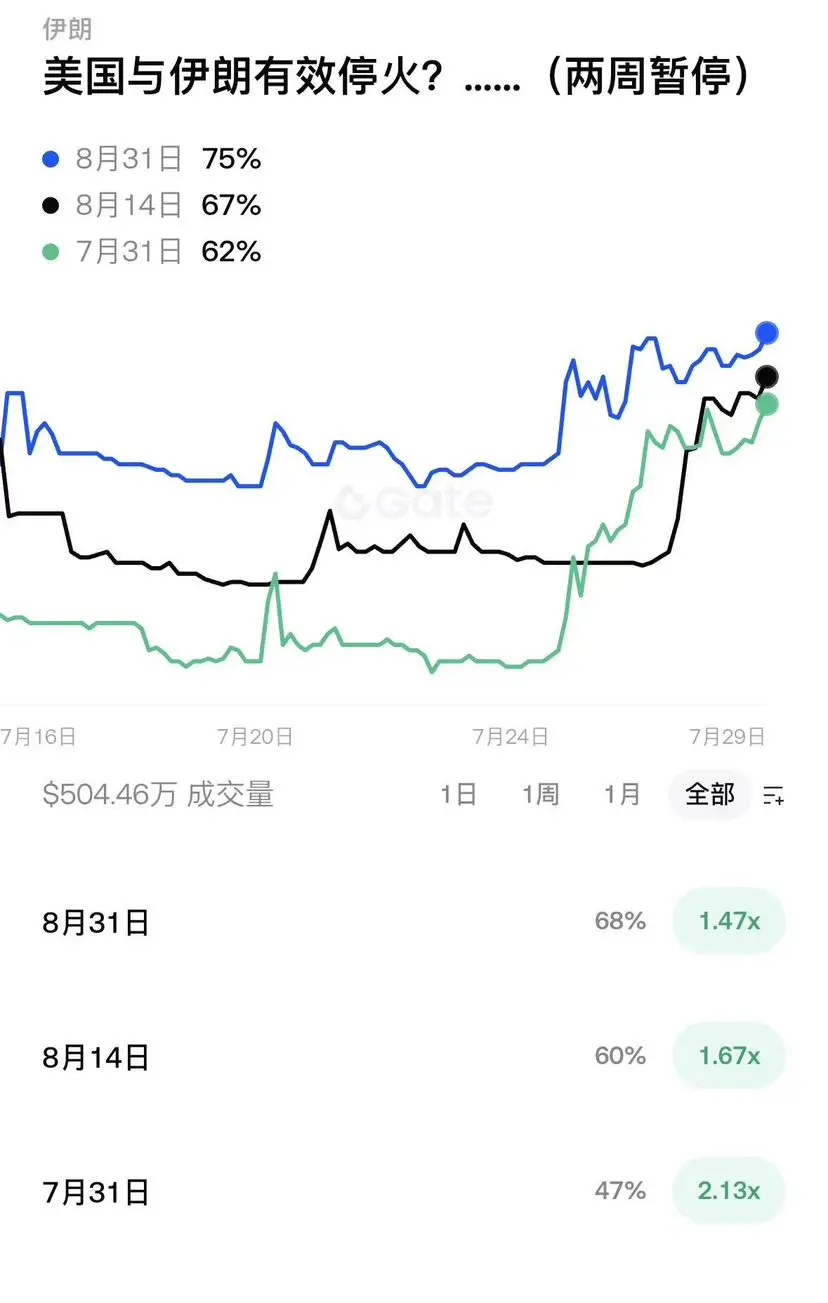
The Strait of Hormuz, through which nearly 20% of global oil supply traditionally moves, has remained under significant disruption during the ongoing U.S.-Iran conflict.
Now, fresh attacks in the Red Sea have placed another major shipping corridor under pressure, creating additional uncertainty for global energy transportation.
With two strategic maritime routes facing elevated risks, concerns over future oil supplies have intensified, adding a significant geopolitical premium to crude prices.
WHY $100 OIL MATTERS
Only weeks ago, several analysts viewed $100 Brent as an aggressive forecast.
Today, it has become reality.
If oil remains above this level for an extended period, markets could begin pricing in:
• Higher transportation costs
• Rising manufacturing expenses
• Increased consumer inflation
• Greater pressure on corporate profit margins
• Slower global economic growth
Higher energy prices tend to affect nearly every industry, making oil one of the most influential macroeconomic variables in financial markets.
INFLATION EXPECTATIONS ARE RISING AGAIN
The latest surge in crude prices has quickly changed investor sentiment.
Bond yields have moved higher as markets reassess inflation expectations.
Energy costs remain one of the largest contributors to consumer price inflation, and sustained strength in oil could complicate the outlook for central banks already balancing inflation control with economic growth.
If inflation remains elevated, expectations for tighter monetary policy may continue increasing.
HOW MARKETS ARE RESPONDING
The impact is already visible across asset classes.
Higher oil prices have pressured equity markets as investors weigh rising operating costs and slower earnings growth.
Defensive sectors have attracted renewed interest, while growth-focused assets remain sensitive to higher interest-rate expectations.
Currency markets and bond markets have also reacted as traders reassess global macro risks.
WHAT THIS MEANS FOR CRYPTO
Crypto markets are no longer isolated from global macroeconomic developments.
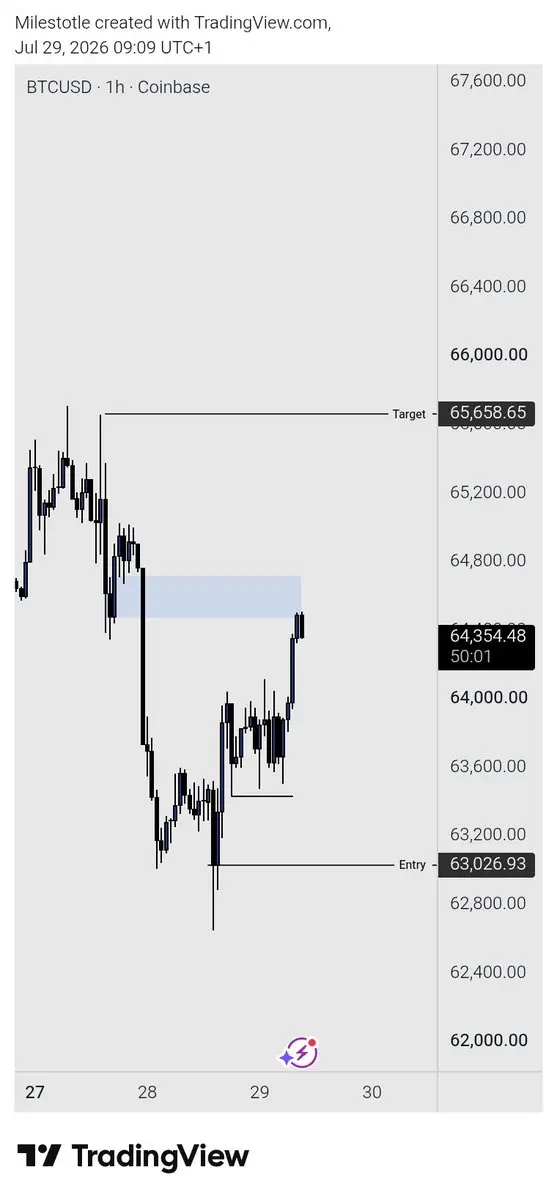
Higher energy costs can increase operating expenses for Bitcoin miners while also influencing overall investor risk appetite.
At the same time, stronger inflation expectations can affect liquidity conditions and monetary policy, two factors that historically play an important role in cryptocurrency price trends.
Because digital assets trade continuously, macro developments are reflected almost instantly instead of waiting for traditional market hours.
KEY FACTORS TO WATCH NEXT
Several developments could determine whether oil remains above $100 or extends even higher:
• Further developments in Middle East geopolitical tensions
• Security conditions around major shipping routes
• OPEC+ production decisions
• Global inventory data
• Central bank policy expectations
Each of these factors has the potential to influence both energy prices and broader financial markets.
Brent crude returning above $100 per barrel represents much more than a milestone for the energy sector.
It highlights how geopolitical uncertainty can rapidly influence inflation expectations, monetary policy, investor sentiment, and risk assets across the global financial system.
As long as supply concerns remain elevated and geopolitical tensions persist, oil is likely to remain one of the most closely watched indicators shaping market direction.
#OilMarket
#SummerCreationCamp
@Gate_Square
BRENT CRUDE HAS RETURNED TO $100 AND GLOBAL MARKETS ARE ALREADY FEELING THE PRESSURE
Energy markets have entered another period of heightened volatility. On July 23, 2026, Brent crude oil climbed back above $100 per barrel for the first time since late May after reports that Yemen's Iran-backed Houthis targeted two Saudi oil tankers in the Red Sea. Brent surged more than 6% during the session, briefly breaking the psychological $100 barrier before closing above it.
This is far more than an oil price story. Rising crude prices are rapidly becoming one of the biggest macroeconomic drivers for inflation, monetary policy, global supply chains, equities, commodities, and cryptocurrency markets.
TWO GLOBAL ENERGY CHOKEPOINTS ARE NOW UNDER PRESSURE
The geopolitical backdrop has become increasingly complex.
The Strait of Hormuz, through which nearly 20% of global oil supply traditionally moves, has remained under significant disruption during the ongoing U.S.-Iran conflict.
Now, fresh attacks in the Red Sea have placed another major shipping corridor under pressure, creating additional uncertainty for global energy transportation.
With two strategic maritime routes facing elevated risks, concerns over future oil supplies have intensified, adding a significant geopolitical premium to crude prices.
WHY $100 OIL MATTERS
Only weeks ago, several analysts viewed $100 Brent as an aggressive forecast.
Today, it has become reality.
If oil remains above this level for an extended period, markets could begin pricing in:
• Higher transportation costs
• Rising manufacturing expenses
• Increased consumer inflation
• Greater pressure on corporate profit margins
• Slower global economic growth
Higher energy prices tend to affect nearly every industry, making oil one of the most influential macroeconomic variables in financial markets.
INFLATION EXPECTATIONS ARE RISING AGAIN
The latest surge in crude prices has quickly changed investor sentiment.
Bond yields have moved higher as markets reassess inflation expectations.
Energy costs remain one of the largest contributors to consumer price inflation, and sustained strength in oil could complicate the outlook for central banks already balancing inflation control with economic growth.
If inflation remains elevated, expectations for tighter monetary policy may continue increasing.
HOW MARKETS ARE RESPONDING
The impact is already visible across asset classes.
Higher oil prices have pressured equity markets as investors weigh rising operating costs and slower earnings growth.
Defensive sectors have attracted renewed interest, while growth-focused assets remain sensitive to higher interest-rate expectations.
Currency markets and bond markets have also reacted as traders reassess global macro risks.
WHAT THIS MEANS FOR CRYPTO
Crypto markets are no longer isolated from global macroeconomic developments.
Higher energy costs can increase operating expenses for Bitcoin miners while also influencing overall investor risk appetite.
At the same time, stronger inflation expectations can affect liquidity conditions and monetary policy, two factors that historically play an important role in cryptocurrency price trends.
Because digital assets trade continuously, macro developments are reflected almost instantly instead of waiting for traditional market hours.
KEY FACTORS TO WATCH NEXT
Several developments could determine whether oil remains above $100 or extends even higher:
• Further developments in Middle East geopolitical tensions
• Security conditions around major shipping routes
• OPEC+ production decisions
• Global inventory data
• Central bank policy expectations
Each of these factors has the potential to influence both energy prices and broader financial markets.
Brent crude returning above $100 per barrel represents much more than a milestone for the energy sector.
It highlights how geopolitical uncertainty can rapidly influence inflation expectations, monetary policy, investor sentiment, and risk assets across the global financial system.
As long as supply concerns remain elevated and geopolitical tensions persist, oil is likely to remain one of the most closely watched indicators shaping market direction.
#OilMarket
#SummerCreationCamp
@Gate_Square