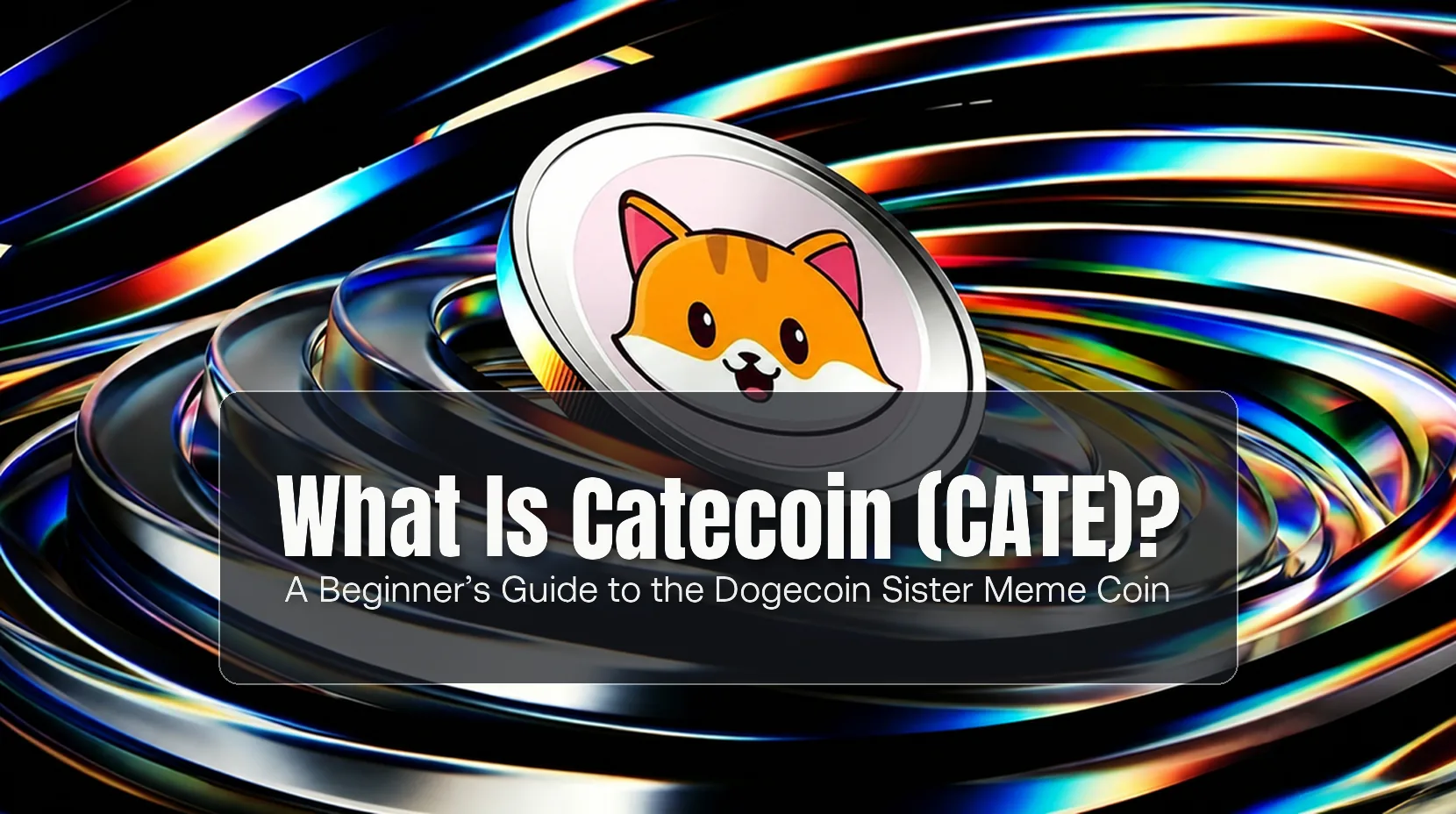
Catecoin (CATE) is a Solana-based meme coin that presents itself as the “cat sister of Dogecoin.” Its narrative draws a playful parallel between DOGE and CATE, using the idea of “Dog + E” and “Cat + E” to position CATE within the broader meme coin culture. The project was inspired by a rescued kitten shared by Atsuko Sato, the owner of Dogecoin’s original inspiration, Kabosu.
2026-08-31 08:02:15
Converting USDT to USDC means exchanging one U.S. dollar-pegged stablecoin for another. Because both are designed to maintain a value close to $1, the exchange rate is usually near 1:1. However, the amount of USDC you actually receive can still vary slightly because of the quoted conversion rate, trading fees, spreads and network costs.
2026-08-31 08:00:29
Re.xyz is a blockchain-based reinsurance platform that uses smart contracts, tokenization, and a multi-role marketplace to match insurance risk with capital more transparently than traditional reinsurance intermediaries. Built with Avalanche infrastructure and a Regulation 114 trust custody model, it aims to cut operational friction while expanding who can fund reinsurance capacity.
2026-08-31 05:41:27
A Tarkov Bitcoin Farm is a Hideout module in Escape from Tarkov that produces Physical Bitcoins when powered and stocked with graphics cards. Level 1 holds 10 GPUs, level 2 holds 25, and level 3 holds 50; Solar Power cuts generator fuel use by about 50%.
2026-08-31 05:25:28
Support and resistance levels are key price zones where buying or selling interest has repeatedly slowed or reversed a move. A support level is where demand often absorbs selling; a resistance level is where supply often caps buying. Traders map these zones with prior swing highs/lows, volume nodes, trendlines, and moving averages, then use them for range, breakout, and trendline setups—always with stops, because any level can break.
2026-08-31 02:55:43
The Money Flow Index (MFI) is a momentum indicator that combines price and trading volume to estimate buying and selling pressure. Like the Relative Strength Index (RSI), MFI moves between 0 and 100, but its use of volume gives traders another layer of information about the strength behind price movements.
2026-08-28 11:01:09
The Accumulation Distribution indicator, commonly called the A/D line or Accumulation Distribution Line, is a volume-based technical analysis tool that estimates buying and selling pressure by combining trading volume with where each period’s closing price sits inside its high-low range. An A/D line trending upward generally points to buying pressure, while a declining line points to selling pressure.
2026-08-28 11:00:16
Dual Investment is a short-term structured crypto product on Gate that pairs two assets—often a cryptocurrency such as BTC and a stablecoin such as USDT. Users lock an investment currency, choose a target price and maturity date, earn a stated APR, and receive settlement in crypto or stablecoins based on how the settlement price compares with the target price.
2026-08-28 10:28:35
TradFi (Traditional Finance) refers to the conventional centralized financial system composed of banks, centralized exchanges, and regulatory bodies. Operating on centralized infrastructure and legal frameworks, this system supports the liquidity and resource allocation of the vast majority of global assets.
2026-08-28 10:09:04
Bitcoin once sought to circumvent the traditional financial system. Today, it is entering mainstream markets through ETFs, custody services, and institutional allocations. It has gained legitimacy and liquidity while prompting a redefinition of identity, power, and ideals.
2026-08-28 10:01:14
AI Agents are evolving from recommendation-providing assistants into digital actors capable of calling tools, accessing data, and executing tasks. This article examines the definition, sources of risk, and core mechanisms of AI Agent accountability, and explains how enterprises can securely deploy Agents through permission tiers, human approval, audit trails, result validation, and failure rollback to establish clear, controlled, and accountable automation workflows.
2026-08-28 10:00:16
To complete Gate CandyDrop tasks, log in, finish identity verification, open CandyDrop from Earn → Launch (Web) or More Services → Launch (App), open a project, click Join Now, then finish the listed trading, deposit, or referral tasks inside the campaign window. Progress usually updates within one to three hours; airdrops are typically sent to Spot within 14 working days after the event.
2026-08-28 09:43:20
Gate Launchpool is Gate’s staking-based token reward platform. Users can stake GT, BTC, ETH, USDT, GUSD, or other designated assets into eligible pools and receive new project tokens based on their effective share of the pool. Unlike directly buying a newly listed token, Launchpool allows users to use existing crypto holdings to participate in new project reward distributions.
2026-08-28 09:41:17
Gate Travel is Gate’s travel booking service, allowing users to search for and book hotels and flights directly through the Gate App and pay with either crypto or fiat. Compared with traditional travel platforms, one of its key differences is that crypto payments are integrated directly into the booking process, so users do not necessarily need to convert digital assets into bank funds before paying for a hotel or flight.
2026-08-28 09:40:19
On Gate’s Launch area, CandyDrop is a task-driven candy airdrop platform: complete tasks, earn Candy, share token airdrops. Launchpool is a staking-style new-token campaign where users stake designated assets to earn potential new-token rewards. HODLer Airdrop targets GT holders with free airdrop-style distributions. Choose by participation mechanic—tasks, staking, or holding GT—not by a single headline APR.
2026-08-28 09:40:01