Readers who see Flexible and Fixed tabs inside Gate Simple Earn and need a liquidity-vs-term decision should start here. Both lines are lending-based yield; the split is mainly Redeem flexibility versus lock windows. The sections below compare Flexible and Fixed Simple Earn only.
Key Takeaways
- Simple Earn Flexible and Fixed Term are both lending-based yield (lend assets for interest)—not on-chain PoS staking; rewards come from borrowing matches, not network validation.
- Flexible emphasizes liquidity: real-time Redeem (possible delay at peak demand) and hourly compounding interest.
- Fixed Term offers terms from 3 to 360 days; interest accrues from 00:00 (UTC+0) the day after Subscribe and settles with principal at maturity.
- Fixed Term early Redeem returns principal but forfeits all accrued interest; Est. APR is a variable reference—Fixed rates may adjust daily until maturity settlement.
Flexible vs Fixed Comparison Table
| Dimension |
Simple Earn Flexible |
Simple Earn Fixed Term |
| Liquidity |
High, real-time Redeem |
Lower during term; early Redeem with penalty |
| Term |
No fixed maturity |
3–360 days selectable |
| Interest accrual |
Hourly compound; hourly rules |
Credited with principal at maturity |
| Accrual start |
Hourly after borrow match |
00:00 (UTC+0) day after Subscribe |
| Early exit |
Redeem anytime; no interest if hour rules not met |
Early Redeem allowed; all accrued interest forfeited |
| At maturity |
N/A |
Redeem to Spot/Trading Account or roll to Flexible/Fixed |
| Auto Renew |
N/A |
Optional; rolls into same-duration Fixed Term |
| Est. APR |
Dynamic estimate from borrowing demand |
Variable APR; final settlement at maturity |
The table shows Flexible serving lend-and-Redeem flexibility; Fixed Term serving planned lock windows. Both display Est. APR as reference—not fiat fixed return. Fixed Term products often offer higher displayed rates when users accept locking; Flexible products offer Redeem access when liquidity is needed sooner.
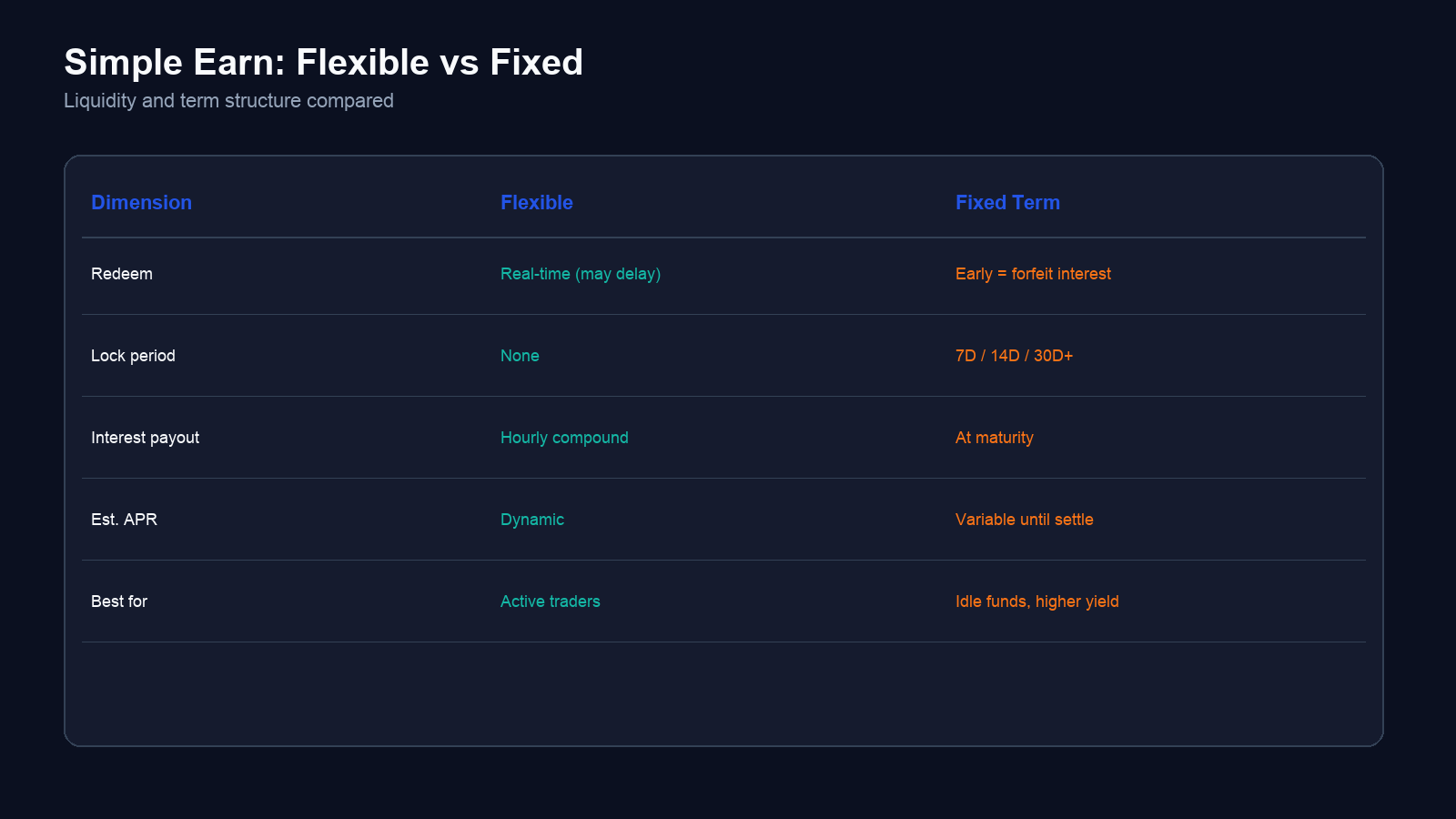
Fig. 1. Side-by-side comparison of Flexible and Fixed Term Simple Earn dimensions.
What Is Simple Earn Flexible?
Simple Earn Flexible lends idle crypto into Gate’s borrowing pool; interest comes from borrower fees. After Subscribe, assets move from Spot or Unified Account into Simple Earn with no subscription cap. If assets are borrowed at T, interest for the prior hour credits at T+1; redeem before T+1 and that hour earns nothing. Credited interest auto-reinvests for compound growth; Redeem returns principal plus accumulated interest (see Simple Earn Flexible Term).
Flexible supports real-time Redeem; heavy Redeem volume may delay arrival while interest keeps accruing. Est. APR estimates from historical data and current borrowing demand and shifts with demand. For investors who need liquidity without locking tokens for a longer period, Flexible often offers the platform’s most flexible lending path—rates move with pool demand rather than a fixed maturity schedule. The platform may display higher rates on Fixed Term cards, but locking removes trading access for the chosen window. Users making a Subscribe decision should compare displayed rates against how soon funds are needed. Flexible is not on-chain staking—it is a separate product line from PoS delegation on Gate Staking.
What Is Simple Earn Fixed Term?
Simple Earn Fixed Term locks lent assets for a chosen duration between 3 and 360 days. Interest starts at 00:00 (UTC+0) the day after Subscribe and credits with principal to Spot or Trading Account at maturity. Fixed Term is still lending-based—interest from borrowing, not PoS network rewards (see Simple Earn Fixed-Term FAQ).
Fixed Term Est. APR is variable and may change daily; final payout follows rules at maturity. APR does not represent actual or estimated fiat return. Locking crypto for a longer period is the core trade-off: investors who accept a defined lock window may see higher displayed Est. APR on the platform, but funds are not available for trading until maturity or early Redeem. Locking USDT, BTC, or other tokens means those balances stay committed—users who may need spot access soon should avoid locking unless the idle window is clear. Gate uses a tiered APR structure with relatively low minimum Subscribe amounts. Confirm term tiers and displayed rates on the product page before making a Subscribe decision; locking without a plan can forfeit returns if early exit becomes needed.
Liquidity: Flexible Redeem vs Fixed Lock
Liquidity is the clearest split. Simple Earn Flexible targets funds that may soon trade or withdraw: Redeem returns principal and accrued interest to Spot or Unified Account without waiting for a fixed maturity—though peak delays can occur, interest accrues during waits.
Fixed Term assets serve locked lend orders during the term—not ideal as instant trading collateral or withdrawal source. Locking crypto for a longer period reduces liquidity; locking terms define when principal unlocks. Early Redeem is available but means forfeiting interest—not a cost-free exit. Locking USDT or other tokens in Fixed Term means those balances stay committed until maturity or early exit with penalty. Investors who need funds without locking should compare Flexible paths on the platform. Locking is only appropriate when users can accept a longer idle window and do not need those crypto balances for near-term trading. If timing is uncertain, Flexible or Soft Staking may fit better for investors who need balances available without a fixed lock window. See Simple Earn vs Soft Staking.
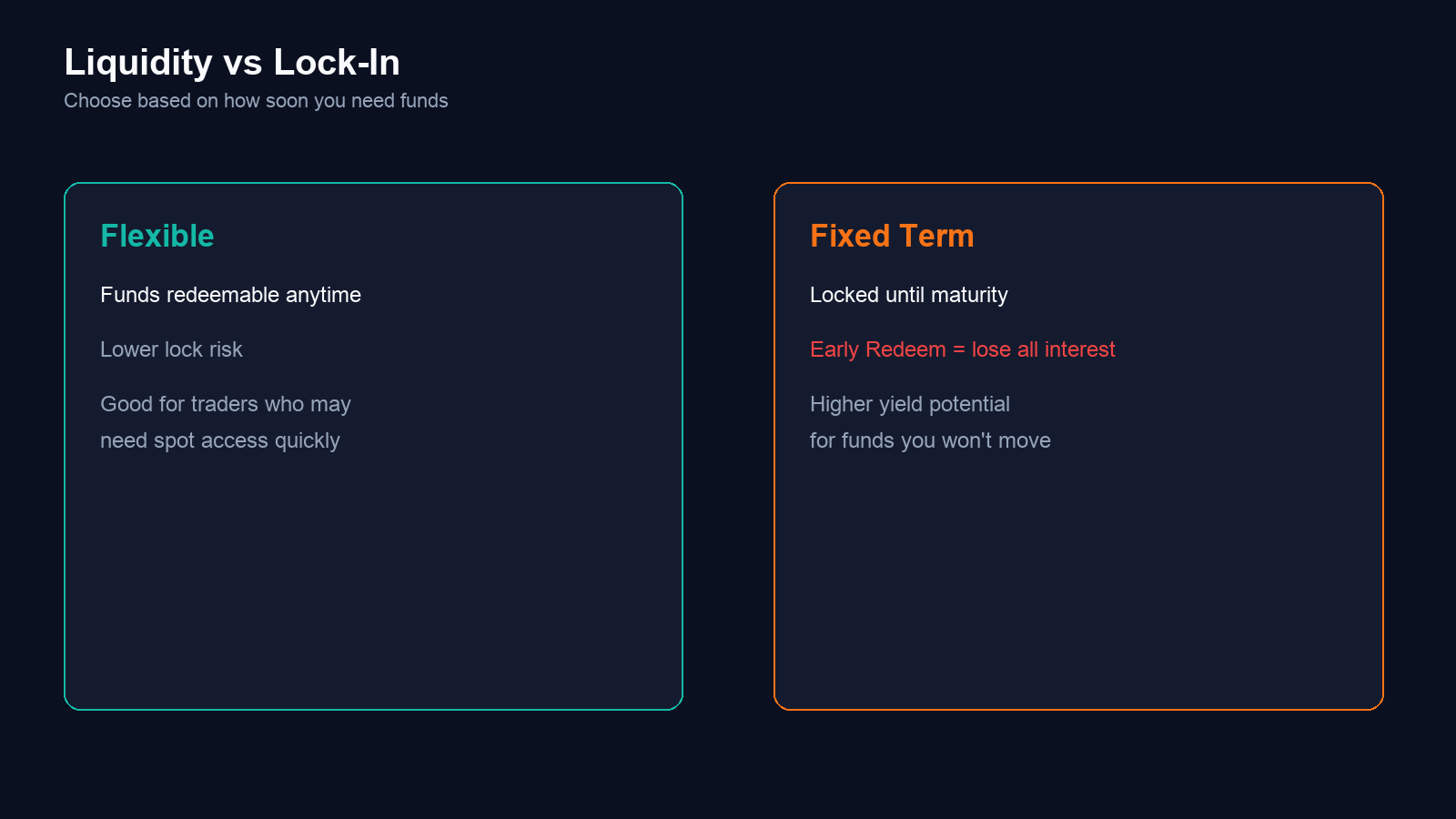
Fig. 2. Flexible keeps funds redeemable; Fixed Term locks assets and forfeits interest on early exit.
Early Redeem and Interest Forfeiture
Simple Earn Fixed Term allows Redeem before maturity, but early Redeem forfeits all accrued interest; principal returns to Spot or Unified Account. With Delayed Credit enabled, early Redeem funds credit per the delay schedule. Mid-term exits for liquidity therefore forfeit interest earned to date.
Flexible has no maturity forfeiture rule, but hourly accrual means unborrowed or non-qualifying hours earn nothing. Before choosing Fixed Term, weigh whether potential higher displayed Est. APR offsets interest loss if early exit becomes necessary. Locking without a clear timeline often leads users to redeem early and forfeit returns they expected when making the Subscribe decision.
Auto Renew and Maturity Handling
Fixed Term supports Auto Renew: when enabled, principal at maturity auto-renews into a same-duration Fixed Term order. If no matching Fixed Term exists at renewal, principal auto-subscribes to the same-token Flexible Term; if Flexible Subscribe fails, principal redeems to the Trading Account. Without Auto Renew, set maturity handling at Subscribe or before maturity: roll to Flexible or redeem to Spot/Trading Account.
Flexible has no maturity or Auto Renew. For rolling lend without manual steps, Fixed Term plus Auto Renew is an option; for maximum flexibility, Flexible or Auto-Earn (auto Flexible Subscribe) fits better. If a token is delisted, the system auto-redeems outstanding Fixed Term orders early and calculates interest through full held hours before delisting (see Simple Earn Fixed-Term FAQ).
Est. APR: How Display Differs
Both lines show Est. APR as reference, but update cadence and settlement differ. Flexible Est. APR reflects borrowing demand and historical patterns; interest compounds hourly. Fixed Term Est. APR may change daily during the term; final interest settles at maturity—not a fiat fixed yield.
Understanding APR display avoids treating page numbers as promises. Est. APR explained covers the “estimate, not promise” principle for Simple Earn; On-Chain Earn pages use similar display logic but tie more to network reward rates than pool demand. Both Flexible and Fixed lines offer lending-based returns on the platform—rates shift with borrow demand, not a fixed savings contract.
Which Should You Choose?
| Choose Flexible if… |
Choose Fixed Term if… |
| Funds may trade or withdraw soon |
You can lock for 3–360 days |
| You want hourly compound accrual |
You accept maturity lump-sum settlement |
| You avoid interest forfeiture on exit |
You accept lock for typically higher displayed Est. APR |
| You prefer manual or Auto-Earn balance management |
You want Auto Renew for rolling terms; higher displayed rates may apply |
When both apply, park near-term reserves in Flexible and lock funds with a known idle window in Fixed Term—the same coin can hold parallel orders with separate interest and Redeem rules. Subscribe flow and order confirmation appear in Simple Earn Subscribe steps. Users making a split allocation should confirm each order’s term and Redeem rules; funds needed for trading soon belong in Flexible, while longer-idle reserves may suit Fixed Term when the platform offers a displayed rate that fits the lock window. Fixed Term cards often show higher Est. APR than Flexible—making the lock trade-off worthwhile only when funds are not needed during the term.
Summary
Simple Earn Flexible and Fixed Term share lending mechanics but opposite liquidity emphasis: Flexible offers hourly compound and anytime Redeem; Fixed Term locks 3–360 days with maturity settlement and full interest forfeiture on early Redeem. Auto Renew streamlines Fixed Term rollovers; Est. APR on both lines is a variable reference. Choose by how soon funds are needed and whether lock terms are acceptable—and keep Simple Earn separate from on-chain PoS staking terminology. The platform offers both paths so users can match liquidity needs to the product that fits; neither line guarantees fixed returns, but each serves a distinct role in a diversified idle-crypto strategy.
FAQ
Is Simple Earn Fixed Term the same as On-Chain Earn locked staking?
No. Fixed Term is platform lending; On-Chain Earn locked staking is PoS delegation. Reward sources, Redeem rules, and risk profiles differ; entries are separate. Users making this comparison should note that both may offer yield, but mechanics and liquidity rules are not interchangeable.
How much do I receive on Fixed Term early Redeem?
Principal returns to Spot or Unified Account, but all accrued interest is forfeited. With Delayed Credit, funds credit per the delay schedule. Users who need liquidity before maturity should weigh whether higher displayed rates on Fixed Term justify the forfeiture risk if early exit becomes needed.
What happens if Auto Renew cannot find a matching Fixed Term?
Principal auto-subscribes to the same-token Flexible Term; if Flexible Subscribe fails, it redeems to the Trading Account (see Simple Earn Fixed-Term FAQ). The platform offers this fallback so funds are not stranded when a matching Fixed Term is unavailable at renewal time.
Which Est. APR is more “accurate”—Flexible or Fixed?
Both are reference displays that update dynamically—not return promises. Flexible compounds hourly; Fixed Term settles at maturity under variable APR rules. Users comparing locking versus flexible access should treat displayed rates as estimates and confirm live values before Subscribe.
Can I hold Flexible and Fixed orders for the same coin at once?
Yes. Orders accrue and redeem independently; confirm term, Auto Renew, and Redeem rules for each before Subscribe. This split is useful when part of a balance is needed soon and another portion can stay locked longer—the platform supports parallel orders without merging their interest or Redeem timelines.