The first week of November brings several major events that could shape global markets and your portfolio. The United States midterm elections, two central bank decisions, and the October jobs report all arrive within days of each other.
On November 3, voters in the United States decide the full House of Representatives and 35 Senate seats. Recent polling averages show Democrats leading in both chambers, though several races remain close. Analysts note that a divided government could make large new spending bills less likely, while a single party sweep might change the policy outlook on taxes and regulation.
The same day, the Reserve Bank of Australia meets. Markets expect a quarter point rate increase to 4.85 percent, following firm inflation data. On November 5, the Bank of England decides, with markets pricing a rise to 4.00 percent. This would be the first increase in over three years, driven by energy prices and resilient growth.
On November 4, the Eurozone releases its first estimate of October inflation. On November 5, weekly jobless claims and the Bank of England report arrive. The week ends on November 6 with the October United States employment report. Economists expect slower job creation and a steady unemployment rate.
For you, these events connect to borrowing costs, currency values, and risk appetite. Markets are watching the election results and central bank guidance for clues on the policy path. If inflation pressures ease, the outlook may soften. If price growth stays firm, rates may remain elevated.
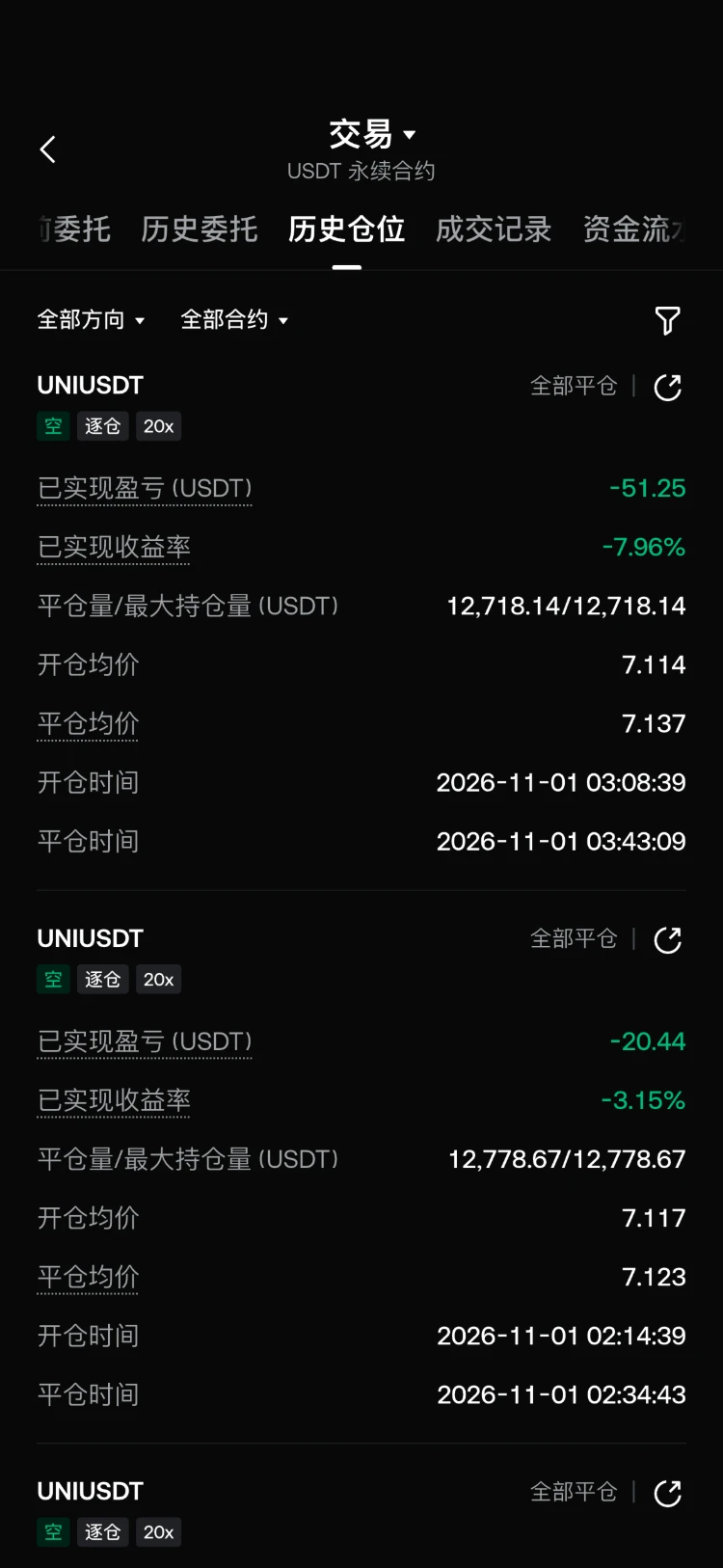
Which of these events matters most to your market view this week. I am holding my positions and watching the market.
This is not financial advice.
#ShareWeekly #BTC大跌 #ETHPullsBack