Square
Following
Hot
News
Profile
Share your thoughts
placeholder
Article
After the spot price rises, someone says, “Sell half, get your principal back, and let the rest ride.” This statement leaves out one key condition: how much has the price risen?
Suppose you spend 1,000 yuan to buy 100 coins at 10 yuan each. Later, the price rises to 15 yuan, bringing your holdings’ total value to 1,500 yuan. At this point, selling half—that is, 50 coins—gets you only 750 yuan, so you haven’t recovered your initial 1,000 yuan.
Only when the price reaches 20 yuan, doubling from your purchase price, will selling half get you exactly 1,000 yuan back. And that’s before trading fees
post-image
🪙 More than 11 million BTC still have no known owner
According to Galaxy Research, as many as 11.1 million BTC have not been identified as belonging to any individual or organization, even though every Bitcoin transaction is publicly recorded on the blockchain.
🔹 55% of the circulating BTC supply is still not linked to a specific owner. This group may include people who self-custody Bitcoin, wallets with lost keys, or unidentified organizations.
🔹 The remaining 45% has been linked to specific names, such as exchanges, ETF funds, the U.S. government, and wallets believed to belong to Satoshi
post-image
BTC-0.67%
Trenches
TTWO
T
bade
b
TTWO
TTWo...FbKo
Market Cap
$.
Change
.
24h Vol
$.
Holders
.
BNCB
B
bade
b
BNCB
0x49...ec3f
Market Cap
$.
Change
.
24h Vol
$.
Holders
.

STONK
S
bade
b
STONK
6GmA...UNgx
Market Cap
$.
Change
.
24h Vol
$
Holders
.
ZIG
Z
bade
b
ZIG
0x8c...1145
Market Cap
$.
Change
.
24h Vol
$.
Holders
.
DJT
D
bade
b
DJT
DJTu...xvoF
Market Cap
$.
Change
.
24h Vol
$.
Holders
.
Boom!!! 💰$DOS All targets have been achieved 🤑💰👇One candlestick rose to 0.2200, congratulations to everyone who held on!
post-image
DOS+14.98%
  • 1
🔹South Korean Stocks Rally So Hard They Trigger Trading Curbs! KOSPI Activates Its Sidecar Mechanis
live-cover
LIVE1,903
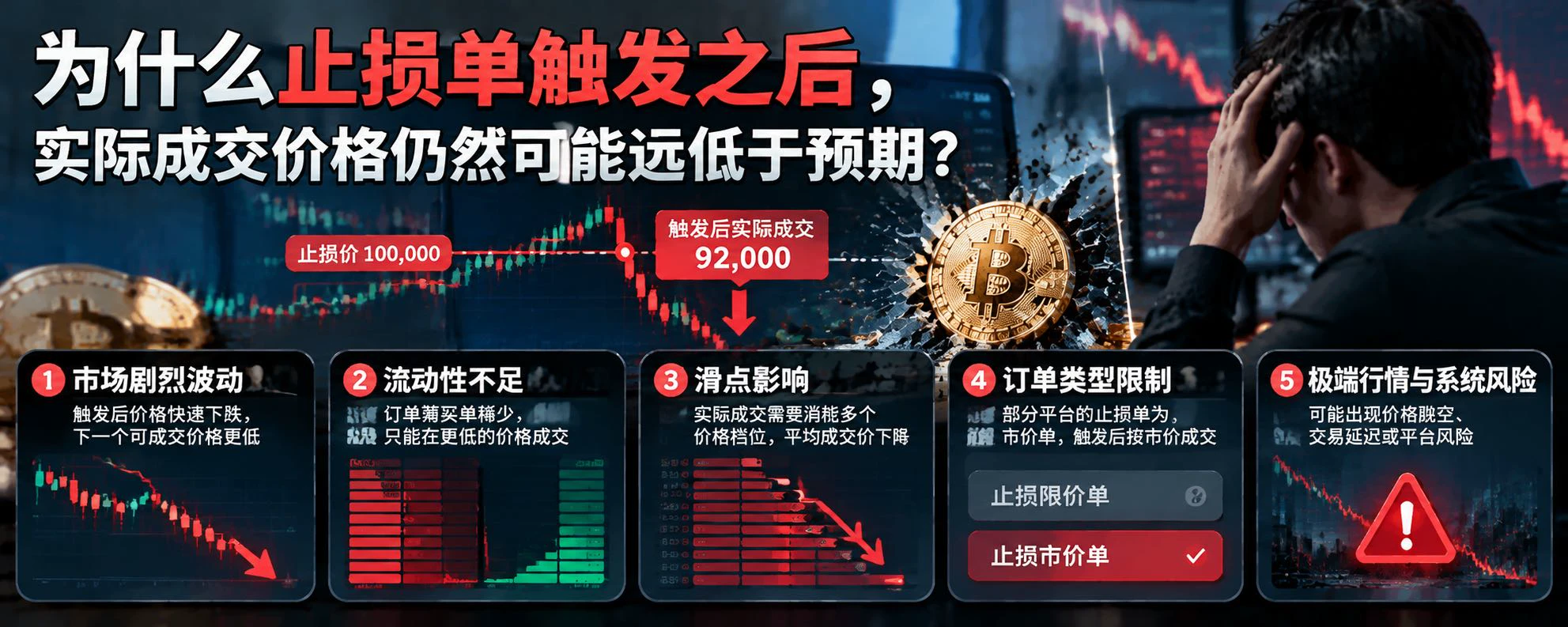
What Is Slippage? Why Might the Price You See Before Placing an Order Change by the Time It Executes?
In cryptocurrency trading, you may have encountered this situation: the price you see before placing an order looks ideal, but after the order is filled, the actual execution price is higher than expected, or you sell at a lower price than expected.
This difference between the expected price and the actual execution price is commonly known as slippage.
First, how does slippage occur?
The most common causes include rapid market fluctuations, insufficient order book depth, and an order size that
post-image
  • 2
Why can large trades still cause slippage when liquidity is ample?
Many traders believe that choosing high-volume, liquid cryptocurrencies means they can avoid slippage. In reality, ample liquidity can only reduce some execution risks; it does not mean orders of any size can be filled at the expected price.
The key point is that good overall market liquidity does not mean there will be enough executable quantity at the exact moment you place your order and within that specific price range.
First, market liquidity is not the same as liquidity at a single price.
A trading pair may have high dail
post-image
  • 1
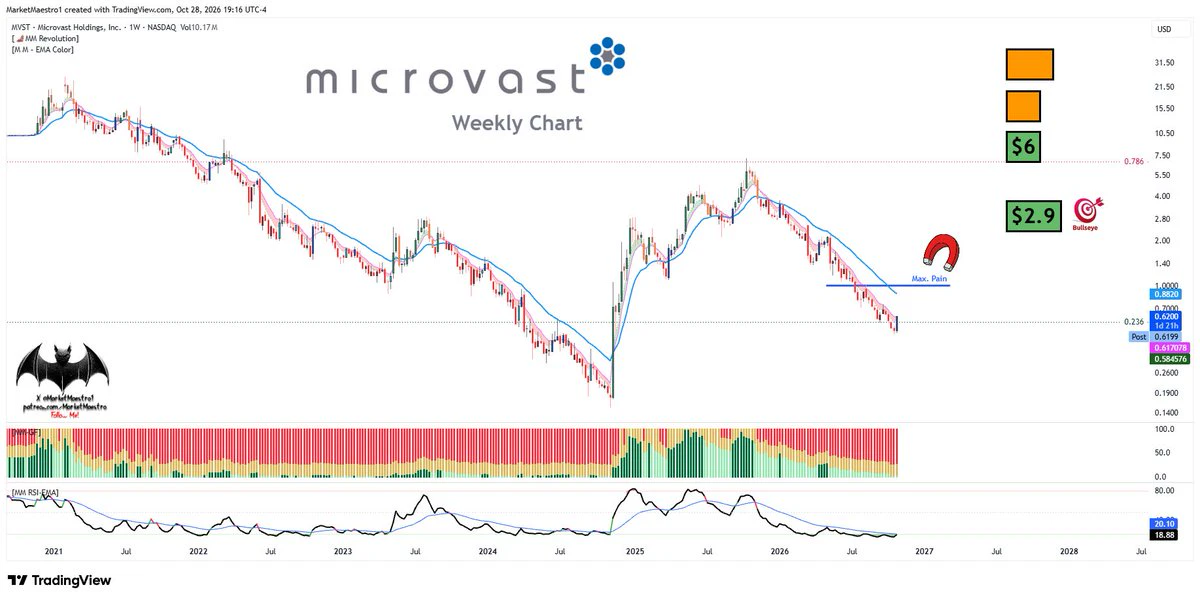
$MVST
It is bouncing after the heavy selloff. Max pain remains above the current price, which could be pulled toward that level
post-image
Why Can Prices Still Fall When the Order Book Shows a Large Number of Buy Orders?
In cryptocurrency trading, many people watch the order book and try to gauge market direction by looking at buy and sell orders. When a large number of buy orders appear on screen, some traders assume there is strong support below and that prices should be unlikely to fall.
But reality is often not that simple. A large number of buy orders does not mean prices will necessarily rise, and a large number of sell orders does not mean prices will inevitably fall.
First, orders are not the same as completed trades.
The
post-image
  • 1
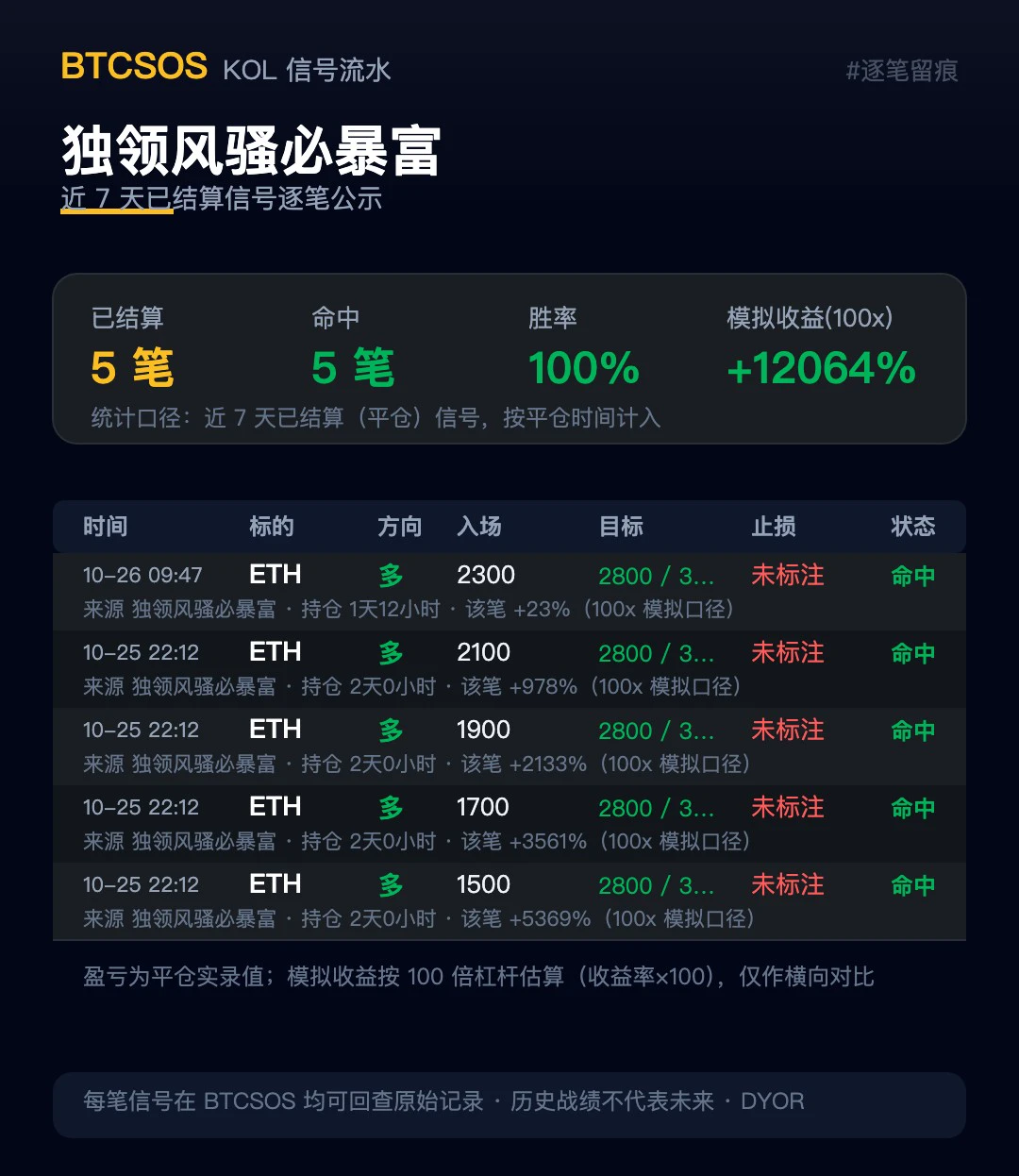
First time digging into “Lead the Pack and Get Rich for Sure”—logging it here and coming back later to reconcile the records 👀
5 trades settled in the past 7 days, all 5 hit, for a 100% win rate and total simulated returns (100x) of +12064%. Details:
10-26 $ETH Long, hit +23%; 10-25 $ETH Long, hit +978%; 10-25 $ETH Long, hit +2133%; 10-25 $ETH Long, hit +3561%; 10-25 $ETH Long, hit +5369%
The preferred asset is $ETH across the board. All 5 trades were longs, so the style leans bullish and the direction is one-sided—I’ll make a note of that. One reminder: simulated returns use a 100x basi
post-image
ETH-1.23%
SNDK+7.68%
Why might trading more frequently actually make your account shrink faster?
In the cryptocurrency market, many traders watch candlestick charts every day, afraid of missing any rise or fall. Whenever prices move, they want to enter the market; after making a small profit, they look for the next opportunity, and after a loss, they rush to trade again.
They may seem diligent, yet their accounts can quietly shrink.
The problem is that making more trades does not necessarily mean having more opportunities to profit.
First, trading costs keep adding up. Every buy and sell may incur fees, and the ac
post-image
  • 1
What Is Open Interest (OI), and What Market Changes Can It Help Us Understand?
In crypto derivatives trading, many people watch prices and trading volume every day but overlook another important metric: open interest, or OI.
OI can help us understand how many contracts in the derivatives market remain open and track market participation and changes in positions. But it is not a magic indicator for predicting price movements and needs to be analyzed alongside prices and other data.
First, what exactly is OI?
Open interest refers to the number of contracts that have not yet been settled through
post-image
If an account goes from 2000 to 3000, can you say you made 1000? Not so fast—you also need to check whether any new money was added along the way.
Suppose the account’s total assets were 2000 yuan at the start of the month, then another 1500 yuan was deposited during the month, with no withdrawals, and total assets stood at 3000 yuan at month-end. Assuming there were no other inflows or outflows, you actually lost 500 yuan, rather than making 1000 yuan.
Conversely, if you had 2000 yuan at the start of the month, withdrew 800 yuan along the way, and had 1500 yuan left at month-end, then under t
post-image
What Is the Difference Between Isolated and Cross Margin? Why Can the Same Market Conditions Have Completely Different Effects on an Account?
In crypto futures trading, many people focus on price, leverage, and liquidation prices, but overlook another equally important question: whether they are using isolated margin or cross margin.
These two modes determine how margin is allocated and how an account’s funds may be affected when an individual position incurs a loss.
First, what is isolated margin?
Isolated margin manages the margin allocated to a particular position relatively independently.
post-image
market overview
live-cover
LIVE1,727
Why Do Traders Become More Likely to Take Excessive Risks After a Winning Streak?
In the cryptocurrency market, there is an easily overlooked risk: after a winning streak, people may actually become less cautious.
After making profits on several consecutive trades, traders can develop the illusion that they have mastered the market’s rhythm and are likely to correctly predict what happens next. As a result, they start increasing their position sizes, loosening their entry criteria, and even ignoring stop-loss rules they used to follow strictly.
But the market won’t guarantee you’ll be right to
post-image
  • 1
I decided to short at
$FIGHT (Short). Continue selling, use 20x leverage and hold the position; meanwhile, go long at $Q (Long), expecting it to rise tomorrow. Everyone keep holding their positions and don't close them 📈
post-image
FIGHT
FIGHTFIGHT.TRUMP
Gate.Fun
MC:$3KHolders:2
0%
This is currently a leader in crypto.
Nuke the space man. 😭
post-image
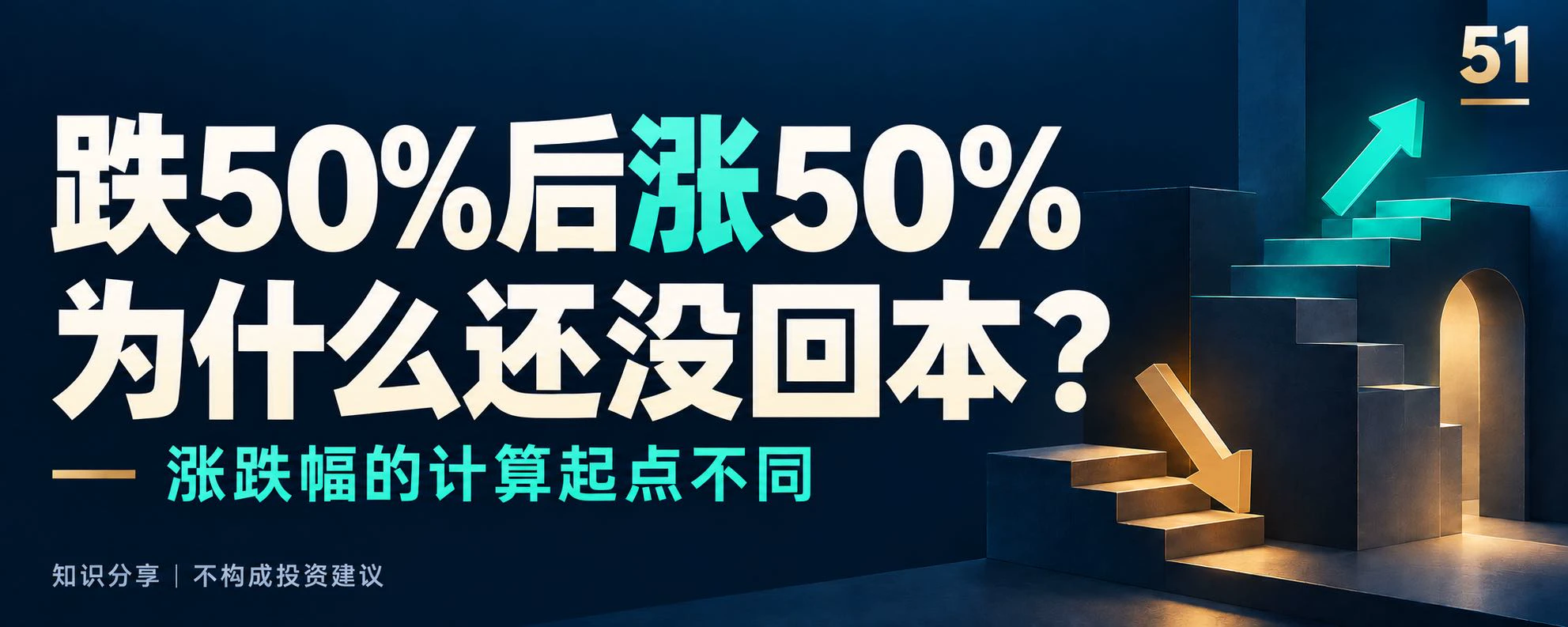
If it drops 50% and then rises 50%, are you back to break-even? Many people’s first reaction is: a drop and a rise cancel each other out. Actually, they don’t.
Take a spot trade as an example: You use 1,000 yuan to buy a certain coin. The price drops 50%, so your holding is worth only 500 yuan. Then the price rises 50%, adding 250 yuan based on that 500 yuan, leaving you with just 750 yuan. Ignoring fees, you’re still down 250 yuan.
The problem is that the drop is calculated from 1,000 yuan, while the rise is calculated from 500 yuan. The same 50% represents completely different amounts of mon
post-image
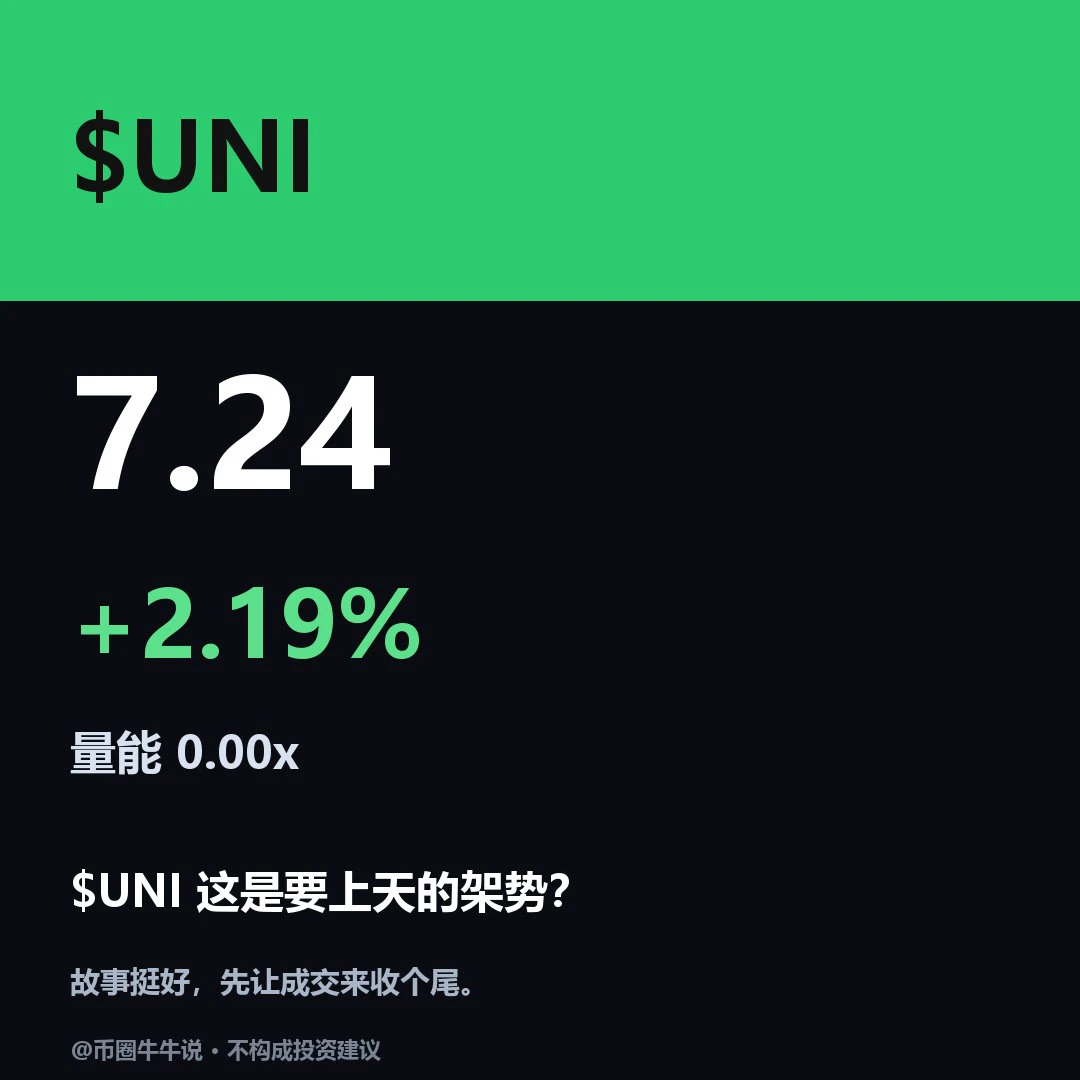
$UNI Current price: 7.236, 24H +2.19% (range: 6.973–7.35). The 1H outlook is bullish, with price holding above the 7.17 EMA. The 4H trend is also bullish, but an RSI of 56 calls for caution about chasing the rally. Trading volume is extremely low at just 0.002x the average. A break above the 7.35 resistance needs volume confirmation; if price falls below the 6.973 support, watch for support at the 4H level of 6.645. In the review, focus on whether the test of 7.35 comes with volume—spikes on low volume are all false moves. Market volatility is high; for observation only.
post-image
UNI+3.05%
Good morning, the strategy has been updated. Pick it up in the livestream room 🎉
post-image
  • 1
Load More

Join 40 M users in our growing community

⚡️ Join 40 M users in the crypto craze discussion

💬 Engage with your favorite top creators

👍 See what interests you

Trending Topics

FedDecisionCountdown

36.58k Views1.3k Discussing

The Fed will announce its rate decision on October 28 at 18:00 (UTC), followed by a press conference at 18:30 (UTC). Markets widely expect rates to remain unchanged, with attention turning to future policy signals. Could this decision break crypto out of its trading range? What signals are you watching?

GateFirstToLaunchGoldCFD7X23Trading

66.86k Views6.44k Discussing

SKHynixQ3RevenueHitsRecordHigh

12.57k Views2.69k Discussing

View More