



Brent Oil Rises Above $100 Again in Markets ✨
Brent oil officially rose above the $100 per barrel level again, increasing by approximately 42% in just 20 days.
🔹 Current level around $100.74, intraday increase approximately 7.1%
🔹 20-day increase approximately 42%
🔹 WTI around $91.40, increase approximately 5.3%
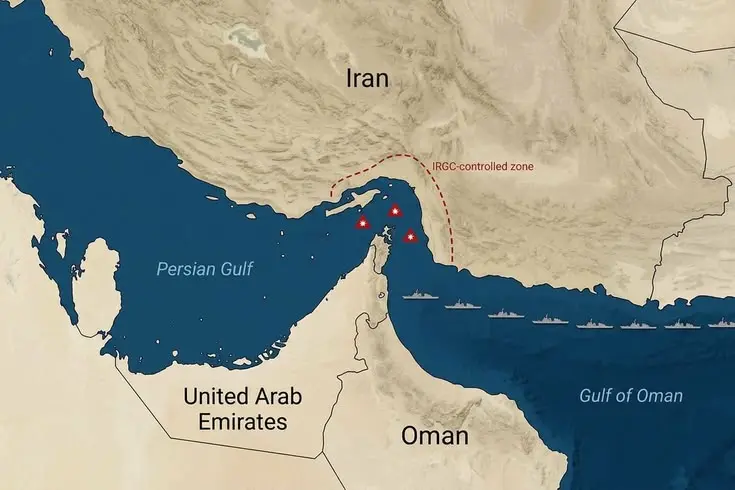
🔹 Triggering factors: US-Iran tensions and slowdown in tanker traffic in the Strait of Hormuz
🔹 Additional pressure: Houthi-related tanker attacks in the Red Sea and increased risk in the Bab el-Mandeb pipeline
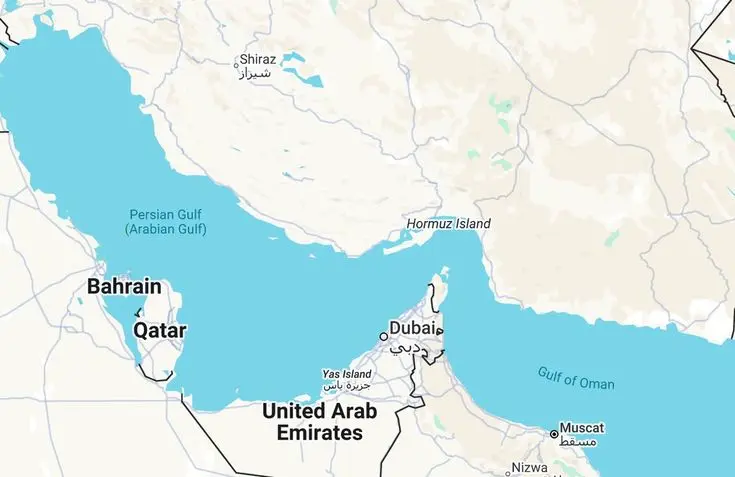
The Strait of Hormuz carries approximately 20% of global oil flow and has been effectively restricted in recent weeks. The Red Sea pipeline carries approximately 7% of global flow, and attacks on this pipeline have created concerns about a second bottleneck.
According to Goldman Sachs' scenario analysis, if the Hormuz restrictions continue, Brent crude could fall to the $110-$120 range. In a more optimistic scenario, if flows recover, prices are expected to fall to around $80 by the end of summer.
On the market side, oil stocks found support from the rise, while broader indices remained under pressure. S&P 500 futures fell by approximately 1.1%. In Europe, strategic reserves are expected to be used more sparingly this time, and OECD stocks being below the five-year average is reducing the buffer.
In summary, the $100 threshold is once again emerging as a psychological and technical benchmark, and the upward risk premium is maintained as long as supply disruptions continue.
$XBRUSD $XTIUSD $CL
NFA ✔️ DYOR 🔎
#SummerCreationCamp #夏日创作营 #Oil
Brent oil officially rose above the $100 per barrel level again, increasing by approximately 42% in just 20 days.
🔹 Current level around $100.74, intraday increase approximately 7.1%
🔹 20-day increase approximately 42%
🔹 WTI around $91.40, increase approximately 5.3%
🔹 Triggering factors: US-Iran tensions and slowdown in tanker traffic in the Strait of Hormuz
🔹 Additional pressure: Houthi-related tanker attacks in the Red Sea and increased risk in the Bab el-Mandeb pipeline
The Strait of Hormuz carries approximately 20% of global oil flow and has been effectively restricted in recent weeks. The Red Sea pipeline carries approximately 7% of global flow, and attacks on this pipeline have created concerns about a second bottleneck.
According to Goldman Sachs' scenario analysis, if the Hormuz restrictions continue, Brent crude could fall to the $110-$120 range. In a more optimistic scenario, if flows recover, prices are expected to fall to around $80 by the end of summer.
On the market side, oil stocks found support from the rise, while broader indices remained under pressure. S&P 500 futures fell by approximately 1.1%. In Europe, strategic reserves are expected to be used more sparingly this time, and OECD stocks being below the five-year average is reducing the buffer.
In summary, the $100 threshold is once again emerging as a psychological and technical benchmark, and the upward risk premium is maintained as long as supply disruptions continue.
$XBRUSD $XTIUSD $CL
NFA ✔️ DYOR 🔎
#SummerCreationCamp #夏日创作营 #Oil