Share your thoughts
placeholder
Article
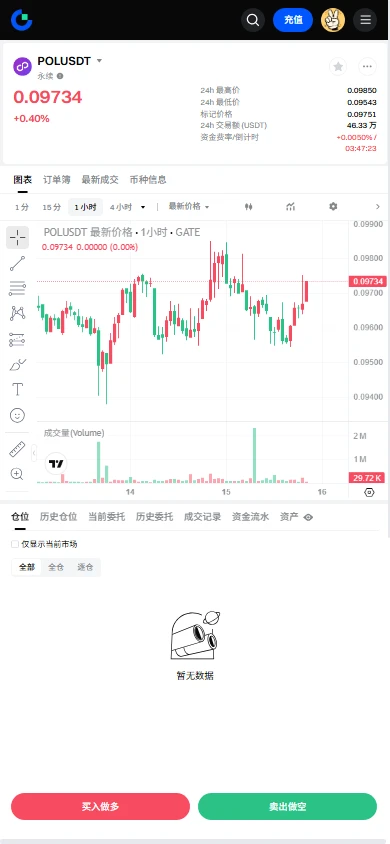
$POL Signal】Long + 1H MACD golden cross/Bollinger squeeze
$POL 1H MACD bullish crossover at a low level, with the price stuck in the dense moving-average band at 0.0965 and the 4H Bollinger squeeze at 0.0952-0.0977. The order book bid/ask ratio is 0.30, with thick sell orders creating pressure; the latest 1H buy ratio is 0.63, indicating short-term capital is testing the upside. Funding rate 0.0020%, OI Stable, and 4H MACD green bars contracting. The current price of 0.09693 is at the upper edge of the entry range, with an acceptable risk/reward ratio. Keep the position light and exit immedia
post-image
POL-1.71%
BTC-2.50%
ETH-2.54%
SOL-1.50%
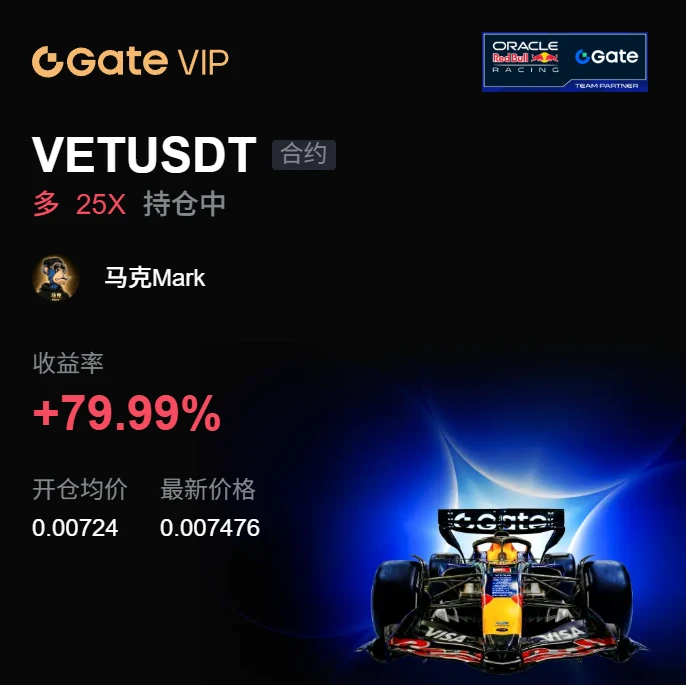
Is this a rebound? It’s CPR for my empty account, isn’t it? I was just about to chase it down and curse a little, but then I saw the current price had reached 0.007489, with floating gains at +84.39%—this move delivered the answer! The trend was clean and decisive; the guys on board should be waking up laughing.
Looking back at the repeated intraday oscillations, $VET kept grinding around 0.007240. I watched for half an hour and noticed that every dip was met with quiet buying, while the key sell-side levels were getting thinner and thinner. Details like these don’t lie. I said it then: don’t
post-image
VET-4.08%
BTC-2.50%
DOGE-1.89%
Hey people 👋
I'm 47, solo builder from Romania
👀🤝 Looking to connect with founders and creative builders all over the world!
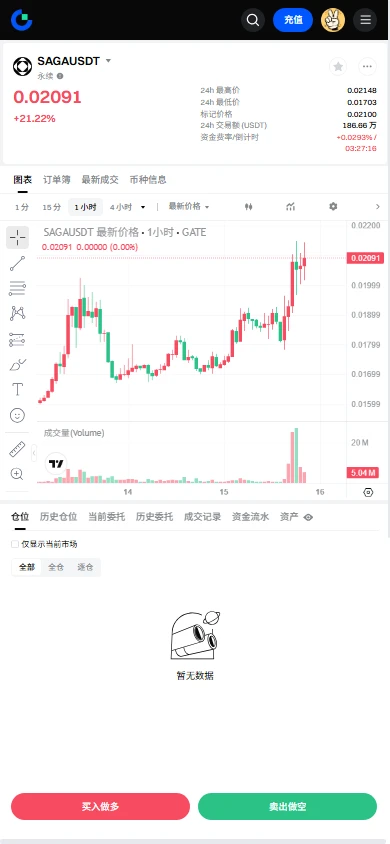
$SAGA Signal】Long + 4H upper-band breakout, lie in wait for a 1H pullback
$SAGA 4H RSI 70.68, 1H RSI 61.04, current price 0.01987 is touching the upper Bollinger Band. The 4H MACD bullish histogram is expanding, while 1H MACD momentum is contracting; order book depth imbalance is 15.81%, Bid/Ask 1.38, with active bids below. 24.59M in volume is concentrated around 0.019, OI is stable, the funding rate is 0.005%, and long crowding is low. Place orders at 0.0198104 - 0.0198700 to catch the pullback; do not chase a spike. The current price is about 0.8% away from the stop loss at 0.0196706, with
post-image
SAGA+13.62%
BTC-2.50%
ETH-2.54%
SOL-1.50%
$BMNR back above the 200 day moving average, and attacking upper weekly bollinger band. Long way back to all time highs, but a good start.
BMNR-4.75%
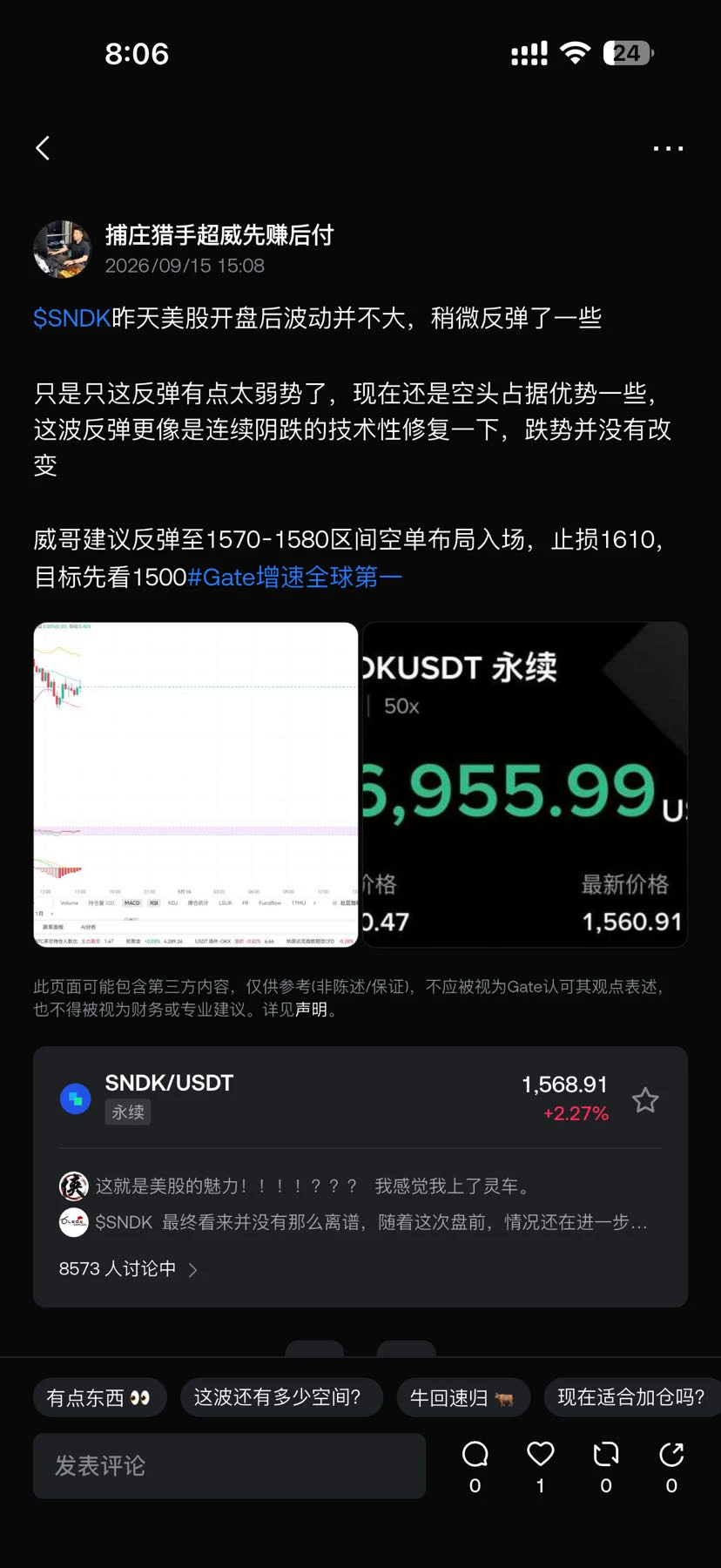
$SNDK No, this is bad—a backstab. Just two days ago they were saying they would slow down, and now they’ve completely changed their tune. It may be about to surge.#Gate增速全球第一
post-image
ThisIsTranslateContent:The
$SNDK It has rebounded now, so you can enter and establish a short position at the current price.
The “AI concerns” narrative is still brewing. Although Trump has repeatedly said there is no need to worry, this is clearly not enough to stop the narrative. Market sentiment is currently quite depressed, and the decline will not stop before this turmoil is fully digested.
Wei Ge suggests boldly shorting within the 1570-1580 range, with the initial target still at 1500. #Gate增速全球第一
repost-content-media
SNDK+1.11%
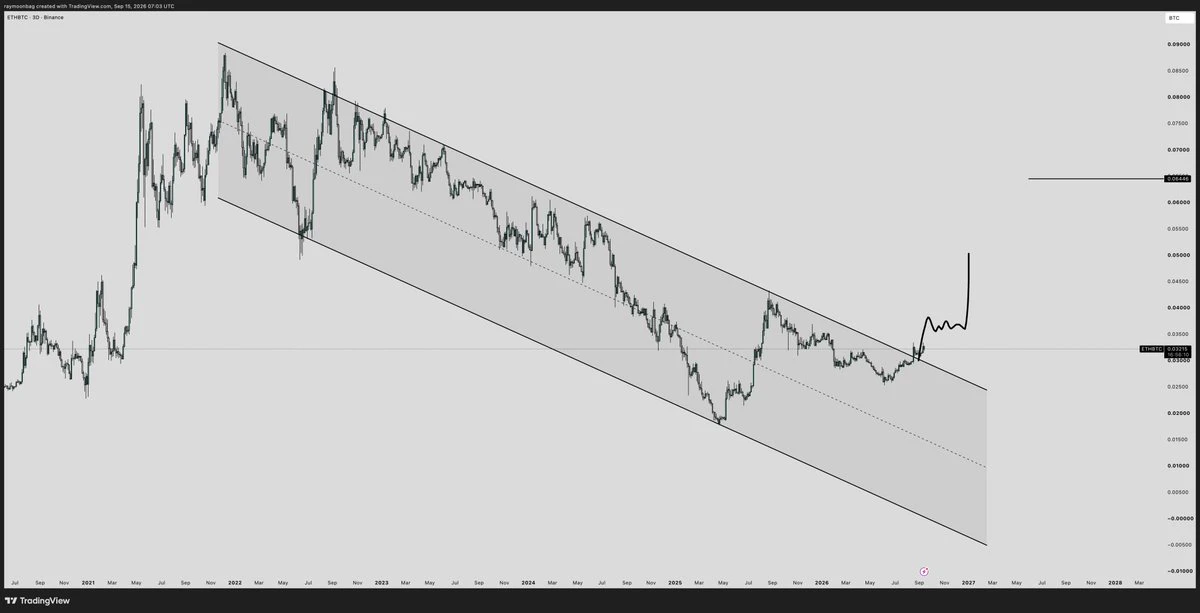
You can find the alt season within this chart.
post-image
ALT-1.18%
915
Crypto’s big flame-war day
post-image
WTF is $STANDARD, and why all the fuss on the TL?
@standard_rsv is an experimental token protocol that launched on Robinhood.
The easiest way to understand it is to see it as an onchain system that tries to control the supply of one token based on whether money is flowing into or out of its market.
There are basically 3 things you need to understand:
1. Bankers
You can buy a charter, which gives you the right to run branches.
Branches are what allow you to earn newly issued $STANDARD.
So if you own $STANDARD but don't own a charter with active branches, you don't earn anything.
2. The supply
T
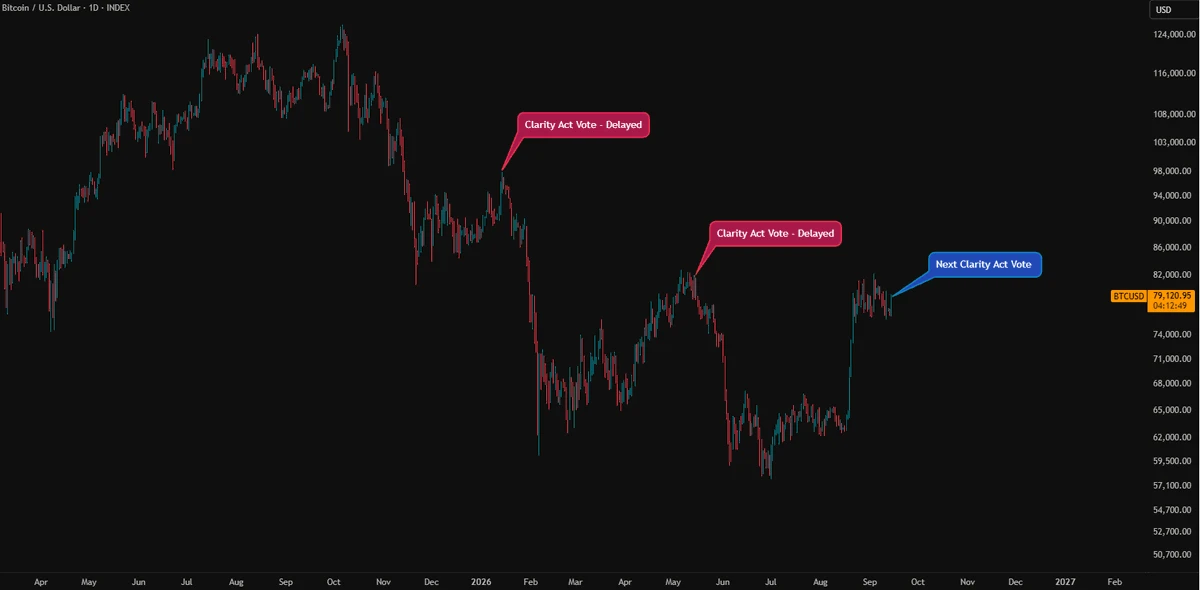
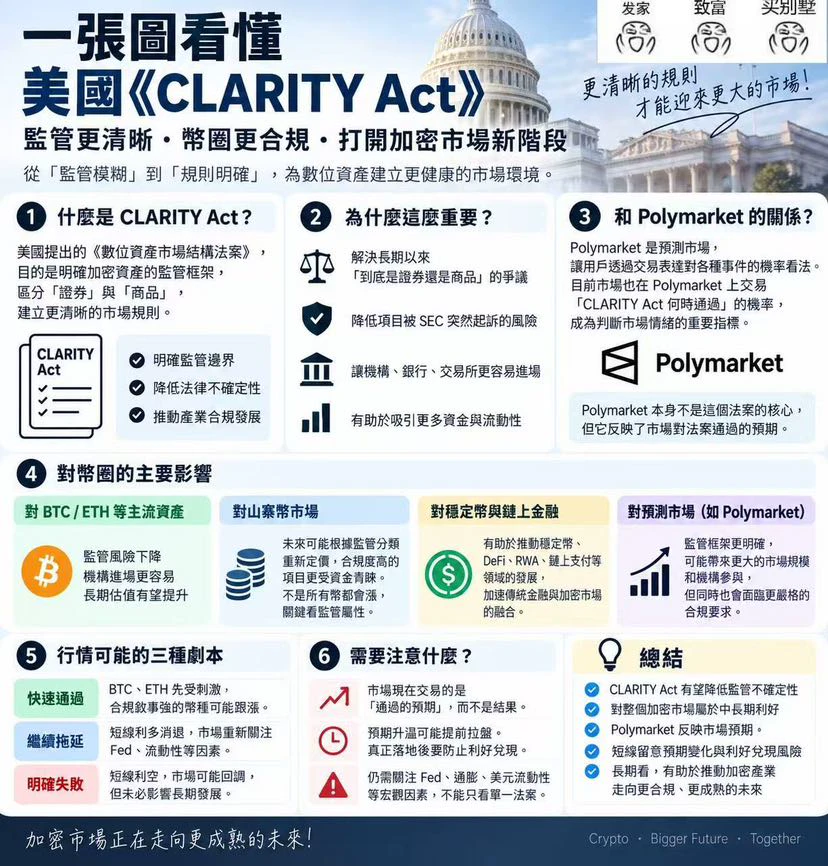
If the CLARITY Act passes, the entire crypto market will go crazy.
post-image
It’s been moving sideways for almost a month, and those holding positions are suffering the most—the price can’t push higher, yet it refuses to truly fall.
Tiafiro said this month-long consolidation has been slightly bullish: the positions in the market haven’t really moved, while aggressive selling has continued. Despite all that selling, the price still hasn’t fallen, which shows that someone is absorbing the supply below.
What he wants me to watch is the low at 75,000—not whether there are orders placed there now, but whether buyers emerge strongly when it gets tested. If they do, it could
post-image
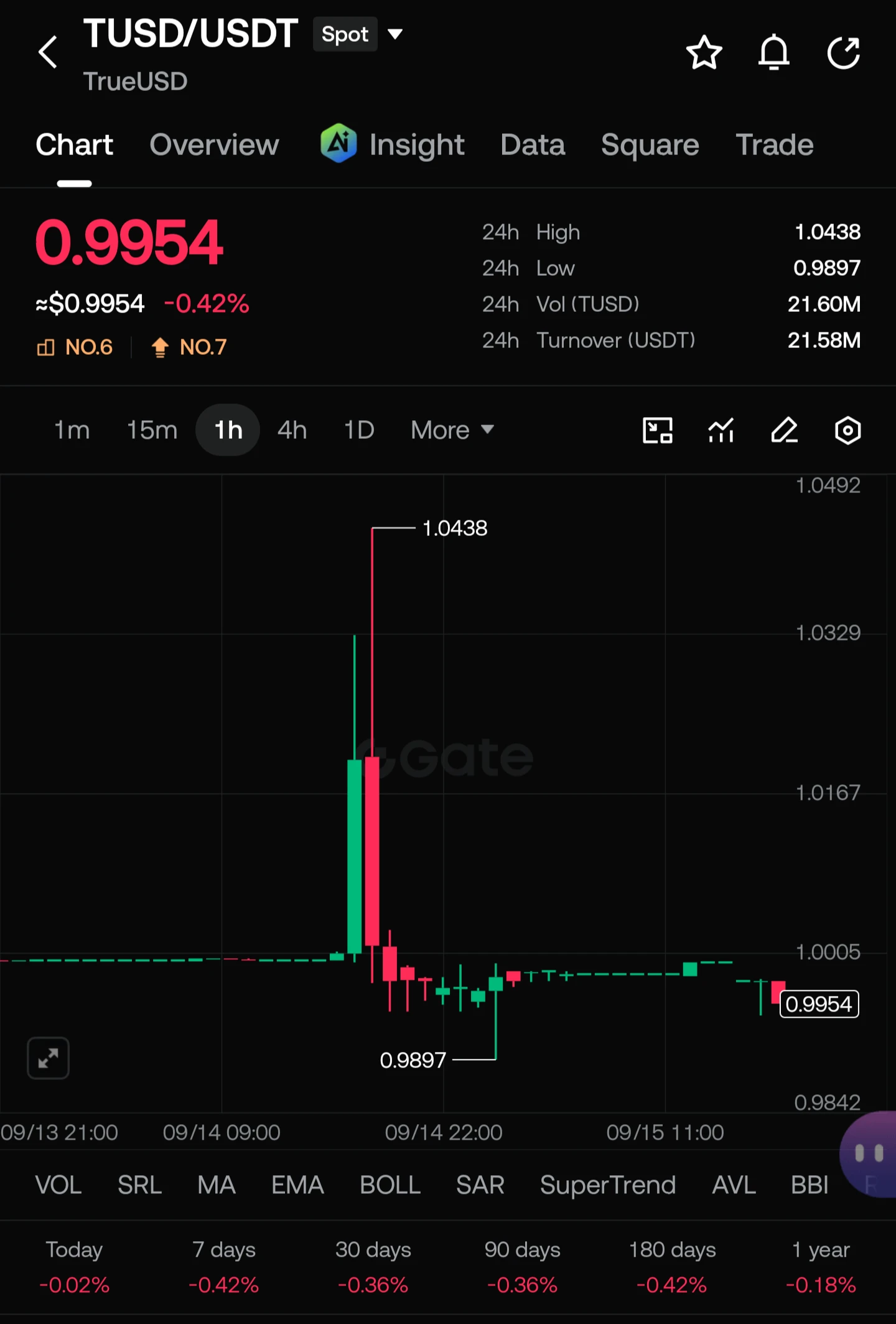
$TUSD is sitting near $0.9977, down 0.23%. Price remains close to the $1 area, so the setup is more about peg stability than trend. Reclaiming $1.00 would improve the structure; continued weakness below it would signal increasing selling pressure.
#RobinhoodEcosystemReboundsPONSUp23.6% #GoldNears$4400HitsSevenWeekHigh ##FedAnnounceRateDecisionSoon #GateTopsGlobalGrowth #EthereumAndBaseSplitOnAccountAbstraction
post-image
TUSD-0.30%
SEC Chair Backs the CLARITY Act! Regulators plan to keep moving even if the bill fails.
live-cover
LIVE2,733
$SYRUP – Bears are taking over as the rebound loses momentum 🔻
Big Short $SYRUP Entry: 0.201 – 0.204 Stop loss: 0.222 Take profit: 0.180 - 0.16 - 0.14$SYRUP Price action around the current range shows clear hesitation, with sellers becoming more active during each rebound attempt. Bullish momentum is weakening, and continued supply could expose the short-term structure to further downside risk. Disclaimer: "This is only my personal opinion, does not constitute investment advice, and is not intended for Vietnamese people."
post-image
SYRUP-7.08%
This round, Lei Feng’s short position got wrecked; once it did, the price came down—what a pity
Take a break—Brother Peng will help you earn it back!!
The Federal Open Market Committee is set to conclude its two-day meeting on September 16, and for the first time since July 2023, the market is overwhelmingly positioned for a quarter-point increase in the federal funds rate, with futures pricing assigning an eighty-seven to ninety percent probability of a move that would lift the target range to 3.75 to 4.00 percent, a shift that has been driven less by political pressure and more by a relentless stream of inflation data and energy-market shocks that have left policymakers with little room for patience. The August Consumer Price Index confirm
post-image
User_any
#FedAnnounceRateDecisionSoon
There is a particular stillness that settles over global markets in the final hours before a major central bank decision. It is not calm. It is a held breath, a collective pause as traders, investors, and institutions weigh the evidence and prepare for a verdict that will shape the cost of money for months to come. This week, that stillness is centered on Washington, where the Federal Open Market Committee will conclude its two-day meeting on Wednesday, September 16, and where the market has already made up its mind about what is coming.
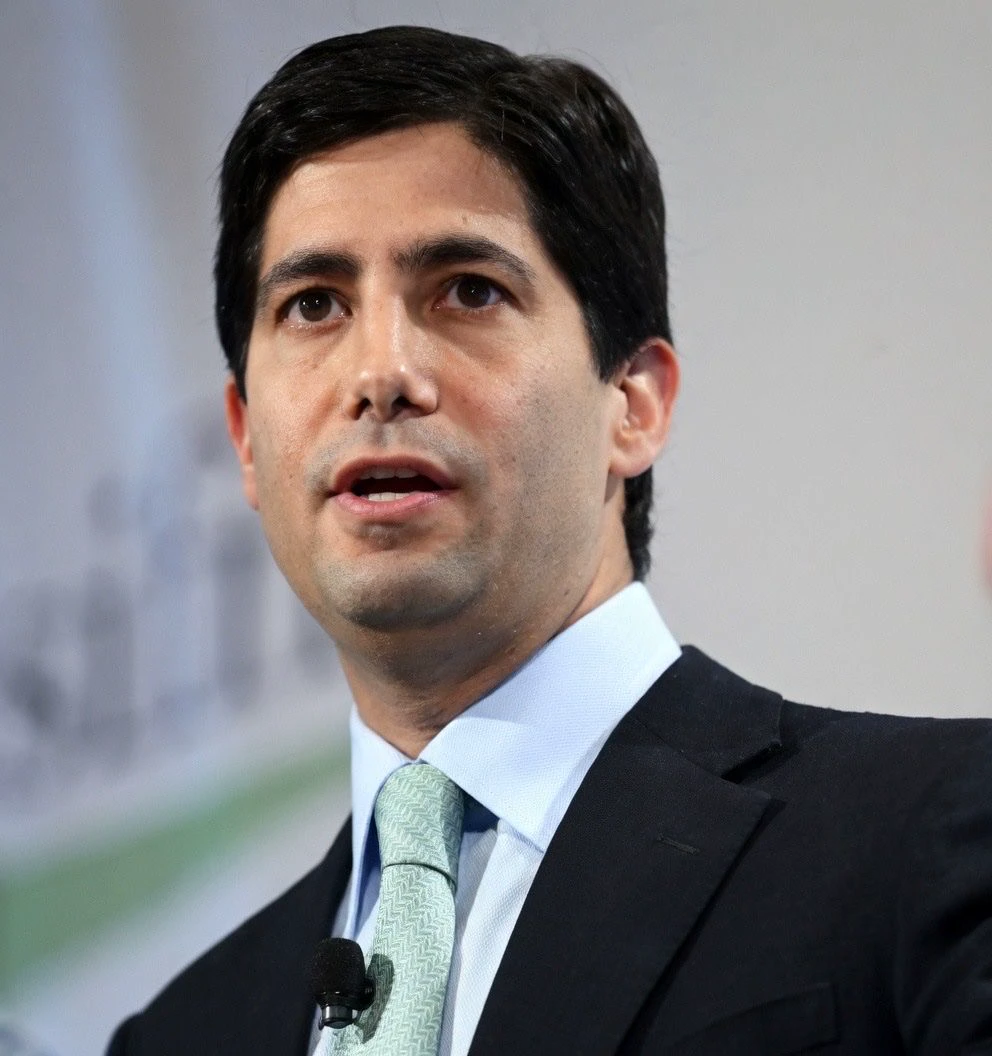
The numbers tell the story with unusual clarity. Futures pricing now assigns an eighty-five to eighty-seven percent probability to a quarter-point increase in the federal funds rate, according to CME FedWatch data, up from roughly fifty-nine percent just one week ago. If delivered, the move would lift the target range from 3.50 to 3.75 percent to 3.75 to 4.00 percent, the first rate increase since July 2023 and the first under Chair Kevin Warsh, who took the helm of the central bank earlier this year. Prediction markets place the odds slightly lower, near eighty percent, but the direction is the same. The market is not wondering whether the Fed will act. It is wondering what the Fed will say afterward.
That shift in expectations did not happen in isolation. It was driven by a convergence of data points that, taken together, removed the case for patience. The August Consumer Price Index rose 0.4 percent month over month, accelerating from 0.1 percent in July, while the annual rate held at 3.4 percent, well above the central bank's two percent target. Core inflation, which strips out volatile food and energy prices, rose 0.3 percent on the month, above the 0.2 percent consensus. Energy was a major contributor, with the energy index rising 2.1 percent in August and gasoline prices climbing 3.9 percent, leaving them 27.4 percent higher than a year earlier. Producer prices also remained elevated, with the index for final demand rising 0.4 percent on the month and 5.4 percent year over year. On the employment side, August payrolls grew by 162,000, comfortably above the recent average, and the unemployment rate held steady at 4.1 percent. The combination of persistent inflation and a resilient labour market gave policymakers both a reason and the room to tighten.
But the more important story is not the data itself. It is what the data has done to the market's understanding of how the Fed now operates. For most of the past two years, the prevailing assumption was that the central bank would hold rates steady unless economic conditions forced its hand. That logic has flipped. As analysts at ING observed in a recent preview, the baseline scenario is now that the Fed will hike unless the data provides sufficient justification for a pause. This is a subtle but consequential shift in what economists call the policy reaction function, the implicit rule that governs how the central bank responds to changing conditions. It means that even in the absence of dramatically worse data, the market's expectation of policy outcomes has changed. The burden of proof has moved from the hawks to the doves.
The minutes from the July meeting, released last month, hinted at this shift. The committee voted nine to three to keep rates unchanged, but three policymakers preferred an immediate quarter-point increase. That was an unusually divided decision, and it showed that support for tighter policy was already building before the latest inflation and energy-price data arrived. The majority chose to wait for additional evidence. That evidence has now arrived, and it has strengthened the case for action rather than weakening it.
The market's response has been visible across every asset class. The ten-year Treasury yield pushed above five percent for the first time since October 2023, touching 5.01 percent as fed funds futures repriced the probability of a hike. The two-year yield, which is most sensitive to policy expectations, touched its highest level since July 2024 before easing slightly to 4.611 percent. The thirty-year yield sat nearly unchanged at 5.359 percent. The dollar strengthened, with the Bloomberg Dollar Spot Index gaining as much as 0.6 percent, its best session since mid-June, and every G10 currency moving lower against the greenback. Steven Barrow, the head of G10 strategy at Standard Bank, described the regime in stark terms: the world is in a higher-for-longer environment, and he raised his year-end target for the ten-year yield to 5.2 percent, with 5.3 percent in the first quarter of 2027.
The implications for risk assets are not uniform, and that is where the analysis becomes more nuanced. Bitcoin and Ethereum, which have traded in sympathy with macro forces for much of the past two years, have shown a degree of resilience that is worth noting. Bitcoin held above the seventy-six thousand dollar level despite the hawkish repricing, and analysts at 21Shares noted that historically, the asset has returned an average of 2.13 percent over the thirty days following a hotter-than-expected core inflation print. That is not a prediction. It is an observation about how the asset has behaved in similar conditions, and it suggests that the relationship between crypto and rate expectations is more complicated than a simple inverse correlation. Higher front-end yields can support parts of the digital asset infrastructure, particularly stablecoins and tokenized Treasuries, even as they weigh on risk appetite and trading activity.
The equity market, by contrast, has shown more traditional sensitivity. The S&P 500 and Nasdaq have traded in narrow ranges as investors await the decision, with high-growth technology stocks particularly exposed to the valuation pressure that higher rates create. The question that matters for equities is not whether the Fed hikes, since that is largely priced in. It is whether Chair Warsh frames the move as a one-time recalibration or the beginning of a longer tightening cycle. If he signals that the bar for further increases is high and that the Fed is responding to a specific set of conditions rather than embarking on a sustained campaign, risk assets could rally on relief. If he leaves the door open to additional hikes, the pressure will persist.
The dot plot, the Fed's own projection of where rates will go in the coming years, will be released alongside the statement, and it may matter more than the decision itself. ING's preview suggests the projections may show the federal funds rate at four percent for both the end of 2026 and the end of 2027, before gradually returning to the longer-run rate of 3.1 percent. That would imply one more hike after September, which is broadly consistent with the market's current pricing of a terminal rate near 4.53 percent in 2027. Any deviation from those expectations, whether more hawkish or more dovish, will set the tone for the weeks ahead.
What should a careful observer watch for in the hours ahead? First, the vote count. The July decision was divided nine to three, and a repeat of that pattern would signal that the committee remains uncomfortable with the inflation trajectory and may be inclined toward further action. A unanimous vote, by contrast, would suggest that the Fed has reached a consensus and that the path ahead is more settled. Second, the language in the statement. The July statement described economic activity as expanding at a solid pace and identified energy-related supply shocks as a source of price pressure. Any change in that language, particularly any indication that the Fed sees inflation as broadening beyond energy, will matter. Third, Chair Warsh's press conference. His recent speeches have emphasized that inflation has been above target for five and a half consecutive years and that financial conditions can hardly be described as tight. How he frames the decision, and whether he signals that this is a recalibration rather than the start of a new cycle, will determine how markets respond.
The deeper truth is that this meeting is not simply about a quarter-point adjustment. It is about the credibility of an institution that is being asked to navigate a world of persistent inflation, geopolitical disruption, and slowing growth. The Fed's mandate is price stability and maximum employment. Those two goals are not always in harmony, and this week they are pulling in different directions. The answer will begin to emerge on Wednesday afternoon. The rest of us can only watch, calculate, and prepare.
BTC-2.50%
XAUUSD-0.09%
XBRUSD+0.93%
  • 5
How should we trade amid rate hike expectations
The hottest macro topic these days is the Federal Reserve's rate hike. Market pricing shows that the probability of a rate hike has exceeded 86%. What does this number mean? It means the market has almost fully priced in the rate hike.
From a trading perspective, this may not necessarily be a bad thing. Why? Because when bad news is realized, it can become good news. When the market has already fully anticipated bad news, its actual arrival may instead trigger a rebound because the uncertainty has disappeared.
But there is a prerequisite: the siz
ETH-2.53%
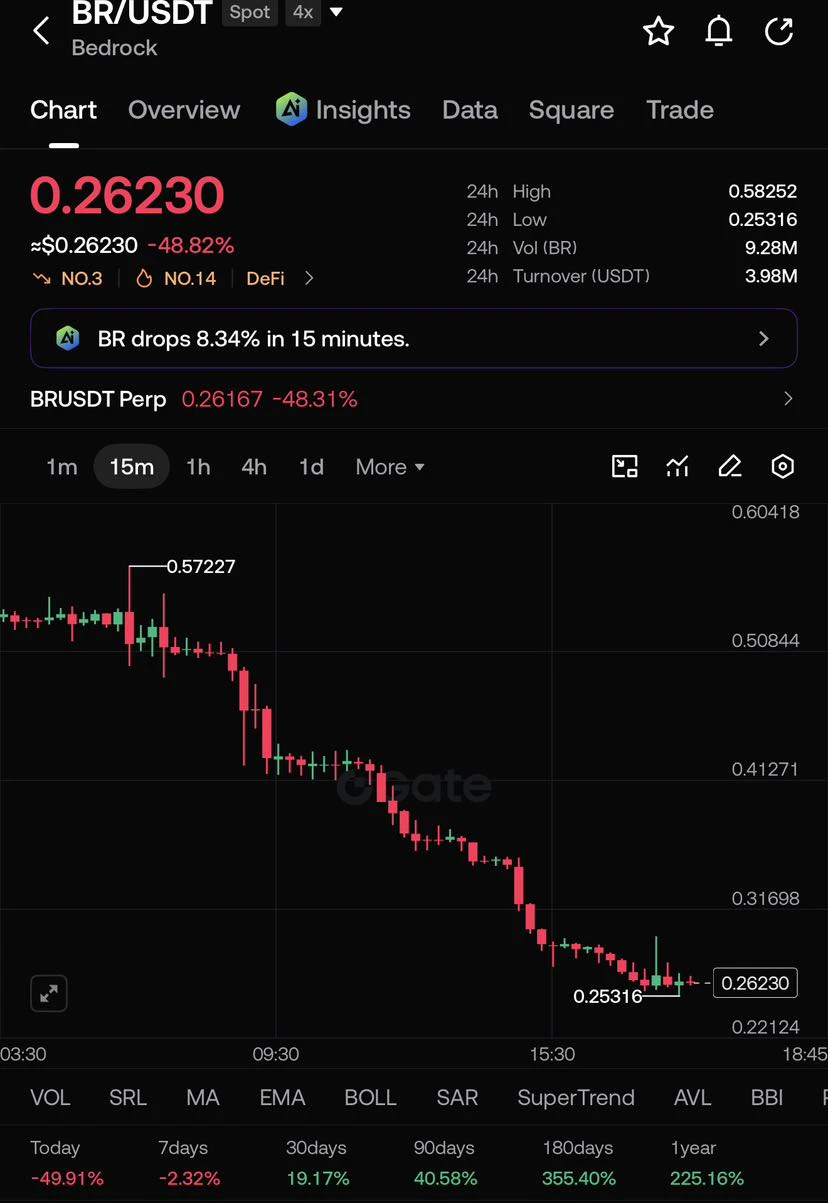
I still remember how quickly a chart can punish anyone trying to call the bottom while sellers are still dominating every bounce, and BRUSDT is a perfect example right now. Price is sitting around 0.26230 on the 15m chart, down a brutal 48.82%, after collapsing from the 0.57 area and continuing to print lower highs and lower lows. The 24h high is 0.58252 and the low is 0.25316, while volume stands at 9.28M BR with 3.98M USDT in turnover. The chart also shows an 8.34% drop within 15 minutes, confirming just how aggressive the selling pressure and volatility have become.
The critical level is 0.
post-image
BR-47.97%
  • 2
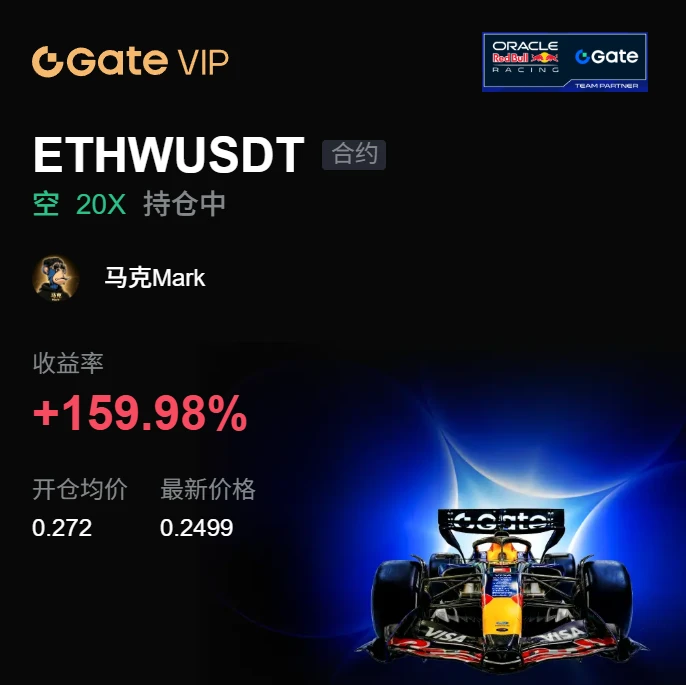
I originally wanted to cut my losses as an offering to the heavens, but the sacrifice never happened—the meat cooked itself. With the screen flashing green, $ETHW plunged as well. While everyone else was running, I instead watched it for five minutes—insufficient buying support, heavy bull-trap vibes, and all the rebounds were fake. I decisively followed in, shorting at 0.2720. This is a move that takes both courage and precision.

Right after seeing the bearish news, I posted: Don’t rush to catch a falling knife. It’s now at 0.2497, +159.98%. Those on board should be wide awake with laughter
post-image
ETHW-2.93%
ZEC-0.89%
DOGE-1.89%
Load More

Join 40 M users in our growing community

⚡️ Join 40 M users in the crypto craze discussion

💬 Engage with your favorite top creators

👍 See what interests you

Trending Topics

GateTopsGlobalGrowth

23.45k Views946 Discussing

According to the latest CryptoQuant data, Gate's spot trading volume ranks top 3 globally, with the fastest growth worldwide, while futures trading volume growth also ranks top 3 globally. Market activity is accelerating back, and Gate's growth momentum continues to lead. Market heat is back — are you mainly trading spot or futures these days? [👉 Full report:](https://cryptoquant.com/insights/research/6aa7aaca26ed15760f9ca834)

FedAnnounceRateDecisionSoon

30.83k Views3.17k Discussing

GateUSExpandsTo37StateLicenses

23.14k Views632 Discussing

View More