#TradFiCFDGoldMasters GOLD ISN'T JUST A SAFE HAVEN ANYMORE—IT'S BECOMING THE BATTLEFIELD WHERE SMART TRADERS, INSTITUTIONS, AND MARKET MASTERS ARE COMPETING FOR THE NEXT BIG OPPORTUNITY! TRADITIONAL FINANCE AND CFD TRADING ARE OPENING NEW DOORS FOR THOSE WHO UNDERSTAND MARKET MOMENTUM, RISK MANAGEMENT, AND DISCIPLINED EXECUTION. EVERY PRICE MOVE COULD CREATE A NEW OPPORTUNITY FOR THOSE WHO ARE PREPARED.
Gold has always been one of the world's most trusted assets during periods of uncertainty. From inflation concerns to geopolitical tensions and changing interest rate expectations, the precious metal often attracts investors looking to preserve wealth. Today, with the growing popularity of Contract for Difference (CFD) trading, traders can participate in gold price movements without owning physical gold, creating greater flexibility for both short-term and long-term strategies.
The term TradFi CFD Gold Masters represents traders who combine traditional financial market knowledge with modern trading tools. Instead of relying on emotions, experienced traders focus on technical analysis, market structure, volume, macroeconomic events, and disciplined risk management. They understand that consistent success is built through preparation, patience, and continuous learning rather than chasing every market move.
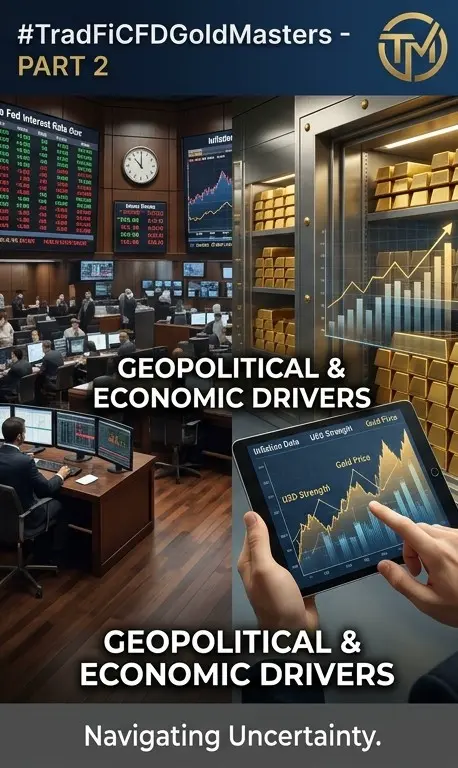
Gold markets are influenced by several key factors, including central bank policies, inflation data, employment reports, currency strength, and global economic developments. Monitoring these indicators helps traders identify potential trends and make more informed decisions. However, no market moves in a straight line, which is why protecting capital remains just as important as seeking profits.
Successful CFD traders also understand the importance of position sizing, stop-loss placement, and maintaining a favorable risk-to-reward ratio. Even the strongest trading setups carry uncertainty, making discipline one of the most valuable skills in financial markets.
As financial technology continues to evolve, access to global markets has become easier than ever. This provides opportunities for traders to improve their knowledge, develop structured trading plans, and adapt to changing market conditions. Those who invest in education and maintain emotional control often place themselves in a stronger position over the long term.
Remember, every trading decision carries risk, and there are no guaranteed profits. Focus on research, proper analysis, and responsible risk management before entering any position. The true "Gold Masters" are not those who win every trade—they are the ones who stay consistent, protect their capital, and continue learning throughout every market cycle.