# USIranConflictEscalates

690.94K

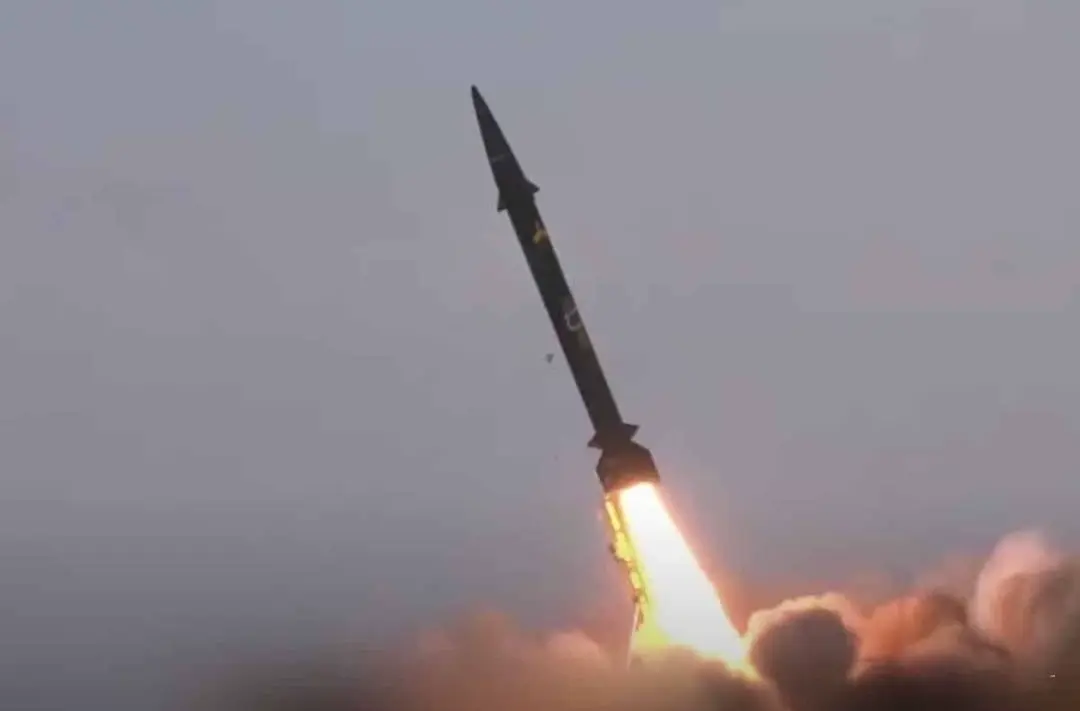
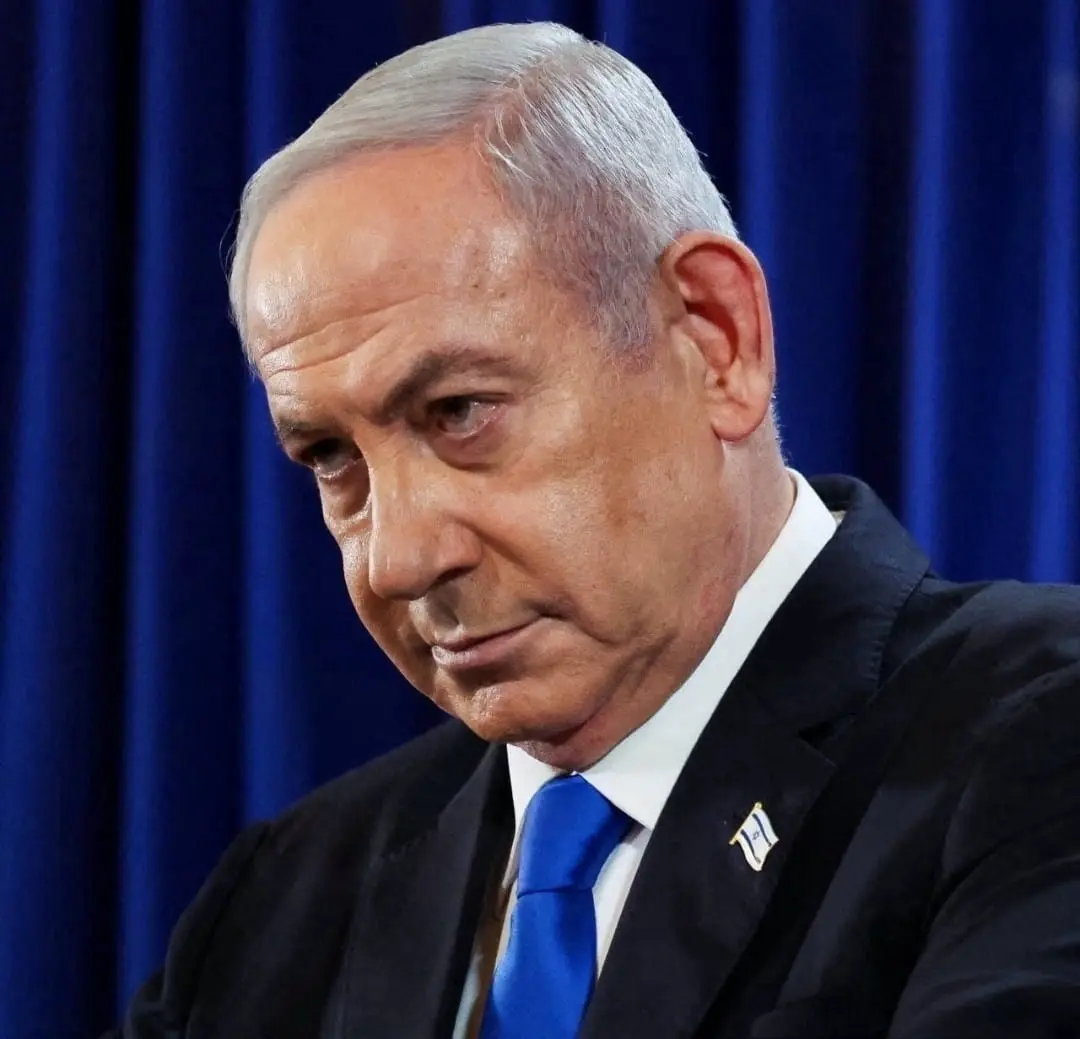
On June 10-11, the US launched "self-defense" airstrikes on multiple targets in Iran, with the Defense Secretary vowing to bomb key Iranian facilities. Iran responded by closing the Strait of Hormuz to all vessels, warning that any ship attempting to pass would be attacked. Iran also fired missiles at US bases and shot down a US military helicopter. The fragile ceasefire is nearing collapse, with WTI crude surging over 3% above $92 per barrel. The strait handles about 20% of global oil shipments, as geopolitical risks continue to escalate.

#USMayCPIHits3YearHigh
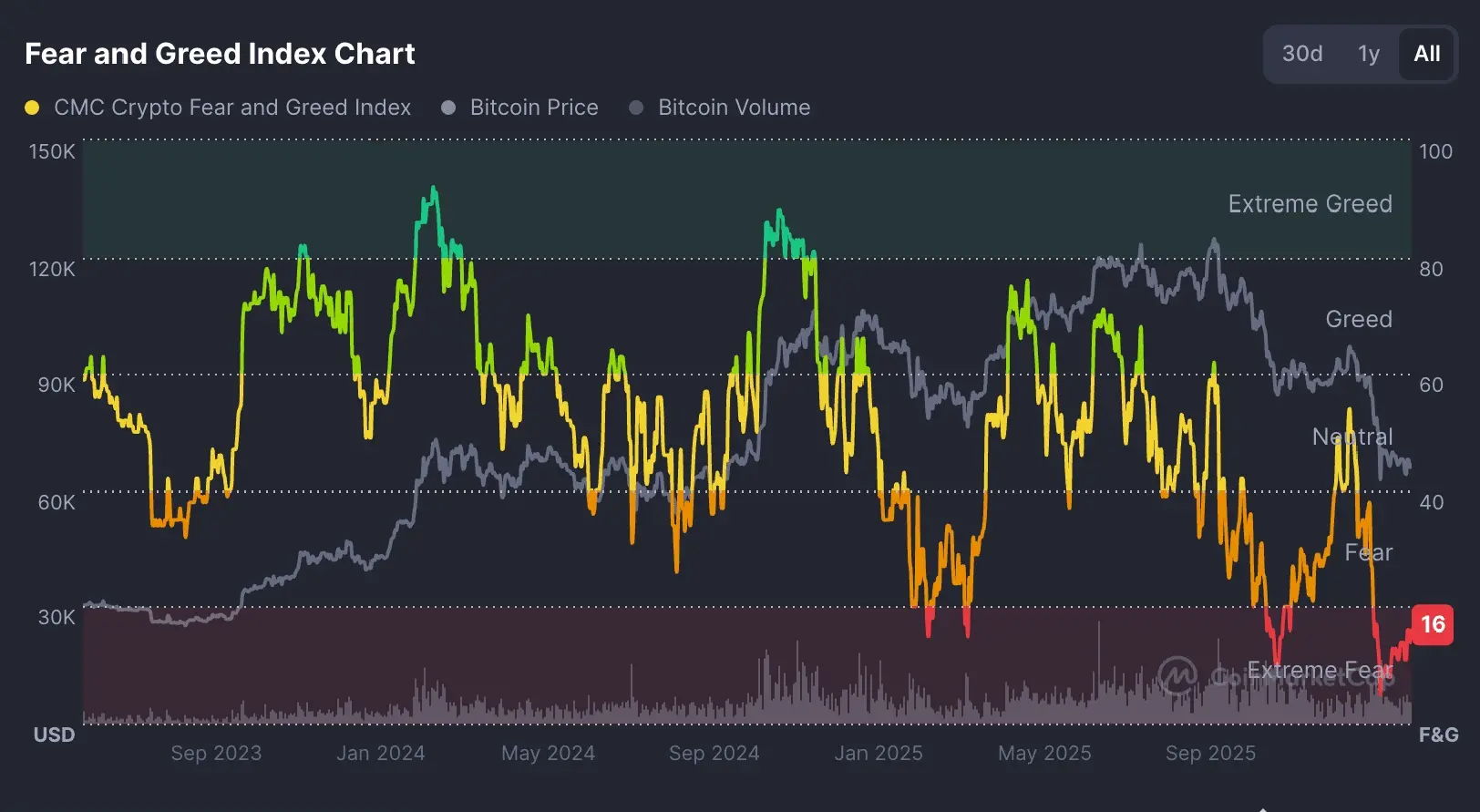
On June 10, 2026, the US Bureau of Labor Statistics released the May Consumer Price Index report that sent shockwaves through global markets. The CPI surged to an annual rate of 4.2%, up from 3.8% in April, marking the highest inflation reading since April 2023. This is not just a number on a government spreadsheet. It is a signal that the economic landscape has fundamentally shifted, and the ripple effects are already crashing into the cryptocurrency market at a time when it is already under siege from geopolitical conflict, rising interest rate expectations, and extre
post-image
post-image
post-image
post-image
  • Reward
  • 14
  • Repost
  • Share
BlackRiderCryptoLord:
thnxxxxx sharing information about crypto market
View More
#USIranConflictEscalates
From my perspective, the ongoing escalation between the United States and Iran has become one of the most important macro events shaping global markets right now. What started as a series of isolated confrontations has evolved into a much broader regional conflict, and the financial impact is becoming impossible to ignore.
Recent military actions involving the US, Israel, and Iran have significantly increased uncertainty across global markets. The situation around the Strait of Hormuz remains particularly important because nearly one-fifth of the world's oil supply pa
BTC1.72%
ETH1.32%
post-image
post-image
  • Reward
  • Comment
  • Repost
  • Share
The Strait of Hormuz remains sealed. U.S. strikes on Southern Iran intensified June 11. Diplomacy has collapsed. The oil market is no longer pricing a quick resolution.
🔹 Strikes Deepen, Diplomacy Fails
President Trump rejected Iran's latest counterproposal outright, calling the ceasefire "on life support." U.S. forces launched a second consecutive day of strikes on Iranian positions near the strait on June 11. The earlier draft agreement that briefly cooled crude prices is now a dead letter. The conflict has entered a frozen phase — active military engagement, zero oil transit, no diplomatic
BTC1.72%
post-image
post-image
post-image
User_any
#USIranConflictEscalates
Supply Shock Deepens?
The Strait of Hormuz just marked its third month of effective closure, and the oil market is starting to grasp that the barrels are not coming back soon. WTI punched through $92 on June 11, Brent kissed $96, and US crude inventories just recorded their seventh consecutive weekly draw, down another 7.2 million barrels. This is no longer a price spike. It is a structural compression of global supply.
🔹 A Chokepoint Frozen in Conflict
Since military action escalated on February 28, the world's most critical energy corridor has remained functionally shut. Middle East producers slashed output by over 11 million barrels per day in May compared to pre-conflict levels. Saudi Aramco's CEO publicly warned that if the strait stays blocked beyond mid-June, oil markets will take until 2027 to normalize. That deadline has arrived.
🔹 Diplomacy Collapses, Risk Premium Returns
President Trump dismissed Iran's latest counterproposal as inadequate, calling the ceasefire "on life support." Senior energy advisors describe a frozen conflict — active hostilities, zero oil transit, and no diplomatic off-ramp in sight. The earlier rally to $119.50 had partially deflated on brief hopes of a draft agreement, but today's strikes in Southern Iran erased that optimism. WTI jumped from $90.60 to $92.14 intraday as the headlines crossed.
🔹 Inventories Drain at an Alarming Pace
The weekly EIA report showed US crude stocks falling for the seventh straight week, with the 7.2 million barrel draw beating consensus estimates. Total US commercial inventories are approaching the five-year seasonal low. Refinery utilization remains elevated above 94%, pulling every available barrel from storage. When demand is steady and supply is physically cut, the arithmetic is unforgiving.
🔹 The Spillover Hits Every Asset Class
Elevated crude feeds directly into the inflation numbers that keep Fed Chair Kevin Warsh hawkish. Producer prices up 26% over five years are now being compounded by diesel and jet fuel costs surging over 60% in 2026. Gasoline wholesale prices are up roughly 50% compared to pre-conflict forecasts. This tightens the vise on rate-cut expectations, pressures high-multiple equities, and starves crypto of the liquidity it craves. The EIA projects Brent averaging $105 through July, assuming the strait remains closed, with a sharp drop to $79 only if and when Hormuz reopens and shut-in production ramps back up.
🔹 Iraq's July 27 Deadline Compounds the Squeeze
A secondary threat is emerging. Iraq's oil pipeline agreement with Turkey expires on July 27, jeopardizing one of the few remaining major export routes outside the Gulf. If that artery also closes, the supply gap widens further at the exact moment global inventories are scraping seasonal lows.
The world is short several million barrels a day with no immediate fix. The next headline from the Gulf determines whether oil stabilizes or spikes.
Friends, do you see crude pushing back toward triple digits before summer ends, or can diplomacy pull prices back to the $80s?
  • Reward
  • 3
  • Repost
  • Share
AylaShinex:
LFG 🔥
View More
#美伊谈判博弈 The US-Iran renewed ceasefire agreement causes Bitcoin to plummet; how does the international situation affect the crypto market?
Recently, the Middle East situation has once again become the focus of global financial market attention. On May 28, multiple international media reported that negotiators from the US and Iran had reached a memorandum of understanding (MOU) to extend the current ceasefire for 60 days. The agreement also includes restarting nuclear negotiations and restoring normal shipping through the Strait of Hormuz, but final approval still requires US President Trump’s e
BTC1.72%
ShanDingMediaRyak
#美伊谈判博弈 The US-Iran renewed ceasefire agreement causes Bitcoin to plummet; how does the international situation affect the crypto market?
Recently, the Middle East situation has once again become the focus of global financial market attention. On May 28, multiple international media reported that negotiators from the US and Iran had reached a memorandum of understanding (MOU) to extend the current ceasefire for 60 days. The agreement also includes restarting nuclear negotiations and restoring normal shipping through the Strait of Hormuz, but final approval still requires US President Trump’s endorsement.
In theory, extending the ceasefire should mean reduced war risk, and global markets should welcome a wave of risk appetite recovery. However, unexpectedly, Bitcoin experienced a significant pullback after the news, breaking below $75k, with many leveraged longs being liquidated. Why did seemingly positive news fail to boost the crypto market? How exactly does the international situation influence Bitcoin and the entire crypto market?
1. The game behind the US-Iran ceasefire agreement
According to publicly available information, this 60-day ceasefire is not a true peace agreement but more like a “buffer period” to buy time for further negotiations.
The agreement involves:
- Extending the current ceasefire for 60 days;
- Restarting Iran nuclear negotiations;
- Restoring shipping through the Strait of Hormuz;
- Partially lifting port and shipping restrictions on Iran;
- Discussing the possibility of lifting some sanctions in the future.
Meanwhile, the US Treasury announced new sanctions on entities and ships involved in Iran’s oil trade. This means: the ceasefire is real, but strategic confrontation has not ended. The market sees not “war ending,” but “war temporarily paused.” This uncertainty is precisely what financial markets dislike most.
2. Why didn’t Bitcoin rally on positive news?
Many investors tend to view Bitcoin as “digital gold.” But in fact, over the past few years, Bitcoin has increasingly resembled a high-volatility risk asset.
When market risk appetite rises: tech stocks go up; AI concepts rise; cryptocurrencies rise;
When market risk appetite declines: tech stocks fall; cryptocurrencies often fall even faster.
Therefore, Bitcoin is not purely a safe-haven asset but has attributes of: risk assets; macro liquidity assets; and some safe-haven qualities.
After the ceasefire announcement, the market began reassessing the future global economic environment.
Investors found that: if the Strait of Hormuz reopens, oil supply will gradually normalize.
This means: oil prices may fall; inflation pressures ease; Fed rate cut expectations re-emerge. Funds started to withdraw from the safe-haven trades that had previously surged due to war, entering a phase of re-pricing.
In the short term, this rebalancing of funds actually puts pressure on Bitcoin.
3. What truly influences the crypto market is liquidity, not war
Looking back at recent market trends:
- Russia-Ukraine war outbreak
After the Russia-Ukraine conflict in 2022, Bitcoin did not continue to rise. Instead, amid aggressive Fed rate hikes, Bitcoin declined from high levels.
- Escalation of the Israel-Palestine conflict
From 2023 to 2024, Middle East tensions worsened. But the core reasons driving Bitcoin to break new highs are not war, but:
- US spot ETF approval;
- Improved global liquidity;
- Continuous inflow of institutional funds.
The current US-Iran situation follows the same logic. What truly determines Bitcoin’s price is not whether the US and Iran cease fire, but how the ceasefire impacts:
- Oil prices;
- Inflation;
- Federal Reserve policies;
- Global dollar liquidity.
War is just the fuse. Liquidity is the fuel that determines the direction.
4. The importance of the Strait of Hormuz is underestimated
The Strait of Hormuz accounts for about one-fifth of global oil transportation. In recent months of conflict, the market’s biggest concern was not direct clashes between Iran and the US, but the long-term closure of the Strait.
If the strait remains blocked: international oil prices soar; global inflation rebounds; Fed rate hikes are delayed; risk assets are sold off. One of the key points of the ceasefire agreement now is to restore navigation through the Strait of Hormuz.
Therefore, what the market is actually trading is: the future trend of global energy prices, not just geopolitical news.
5. How to view Bitcoin’s future trend?
In the short term, the crypto market may remain volatile. The reason is simple: the ceasefire agreement has not yet been finalized; there are significant political disagreements within the US; ongoing military friction and sanctions escalation risks between the US and Iran; markets are reassessing the future pace of rate cuts.
Thus, in the coming weeks: any news about Iran nuclear negotiations, the Strait of Hormuz, or US sanctions could trigger sharp crypto market swings.
But in the longer term, the core factors that determine Bitcoin’s bull or bear trend remain unchanged: global monetary policies; ETF capital inflows; institutional allocation demand; macro liquidity environment. Geopolitical events can cause short-term fluctuations but are unlikely to determine long-term trends.
6. Conclusion
The 60-day extension of the US-Iran ceasefire is essentially a temporary easing of geopolitical risks. But for Bitcoin, the market’s focus has never been just on the war itself, but on how the war influences energy prices, inflation levels, and global liquidity.
From this perspective, the chain of influence of the international situation on the crypto market is actually very clear: war → oil prices → inflation → Fed policies → global liquidity → Bitcoin price.
Therefore, when a major international event occurs, investors should not only watch the battlefield but also pay more attention to capital flows and monetary policy changes behind the scenes. Because ultimately, what drives Bitcoin up or down is often not the news itself, but how the news changes market expectations for future liquidity. $BTC
repost-content-media
  • Reward
  • 21
  • Repost
  • Share
Yajing:
To The Moon 🌕
View More
🌍 Global Markets Are Entering a High-Risk Era as US–Iran Tensions Escalate Beyond Diplomacy 🌍
What happened on May 27 was not just another geopolitical headline — it was a reminder of how deeply connected the modern financial system has become to military tension, energy security, and global risk sentiment.
The United States launched new strikes targeting military facilities in southern Iran after citing threats to safe navigation through the Strait of Hormuz, one of the most strategically important energy corridors in the world. Shortly after the operation, explosions were reported near Ban
BTC1.72%
EagleEye
🌍 Global Markets Are Entering a High-Risk Era as US–Iran Tensions Escalate Beyond Diplomacy 🌍
What happened on May 27 was not just another geopolitical headline — it was a reminder of how deeply connected the modern financial system has become to military tension, energy security, and global risk sentiment.
The United States launched new strikes targeting military facilities in southern Iran after citing threats to safe navigation through the Strait of Hormuz, one of the most strategically important energy corridors in the world. Shortly after the operation, explosions were reported near Bandar Abbas while Iranian air defense systems were activated, signaling that the region has entered another dangerous phase of escalation.
At first glance, these developments may appear limited to geopolitics and regional security.
But the market reaction revealed something much larger.
Within hours, oil prices surged sharply as traders and institutions rushed to reprice geopolitical risk. WTI crude climbed back above $90 per barrel, gaining more than 2% in a powerful move driven by fears that continued instability could threaten global energy flows.
The reason markets react so aggressively to developments around the Strait of Hormuz is because this route is not just important — it is foundational to the global energy system.
A massive percentage of the world’s oil shipments move through this narrow maritime corridor every single day. Any threat to stability in this region instantly creates concerns about:
• supply disruptions
• higher transportation and insurance costs
• inflationary pressure across global economies
• and broader instability in international trade networks
This is why even a single military escalation in the Gulf can trigger reactions across commodities, equities, currencies, and digital assets simultaneously.
And that is exactly what happened.
As oil surged and fear spread across financial markets, crypto experienced an immediate wave of volatility. Bitcoin briefly fell below $74,500, triggering widespread panic across leveraged positions and causing nearly 100,000 traders to be liquidated in a short period of time.
This was not simply random volatility.
It was a classic macro risk reaction.
When geopolitical uncertainty rises sharply, investors begin reducing exposure to high-risk leveraged positions. Liquidity tightens, volatility expands, and markets quickly move into defensive positioning. In crypto markets — where leverage remains extremely high — these moves often become amplified through liquidation cascades.
The sudden Bitcoin decline demonstrated how rapidly sentiment can shift when geopolitical pressure intersects with fragile market positioning.
Only days earlier, many traders remained heavily positioned for continued bullish momentum across crypto. But events like this remind the market that global macro forces can override technical setups almost instantly.
This is one of the clearest signs that crypto has matured into a globally connected financial asset class.
Bitcoin no longer trades in isolation from world events.
It now reacts to:
• geopolitical conflict
• energy market volatility
• inflation expectations
• interest rate sentiment
• institutional positioning
• and global macroeconomic risk
That transformation has fundamentally changed the way markets interpret geopolitical crises.
Years ago, an escalation between the US and Iran may have primarily impacted oil prices and traditional safe-haven assets. Today, the impact spreads immediately into crypto, derivatives markets, risk assets, and even retail trader behavior worldwide.
What makes the current situation especially sensitive is the timing.
The broader market was already navigating uncertainty around monetary policy, institutional capital rotation, ETF flows, and macroeconomic expectations. Adding geopolitical escalation on top of an already fragile environment increases the probability of amplified volatility across multiple sectors simultaneously.
The Strait of Hormuz itself remains one of the most important strategic pressure points in global economics. Any prolonged instability there affects far more than regional politics. It influences global inflation trends, shipping security, supply chain reliability, and investor confidence across international markets.
This is why traders are watching every development so closely.
The market now faces two possible directions.
If tensions continue escalating:
⚠️ Oil prices could rise significantly higher
⚠️ Inflation fears may intensify globally
⚠️ Crypto volatility could accelerate further
⚠️ Risk assets may remain under heavy pressure
However, if diplomatic efforts regain momentum and military escalation stabilizes, markets may eventually recover from the initial fear-driven reaction.
But for now, uncertainty dominates the landscape.
And uncertainty is one of the most powerful forces in financial markets.
The current environment is no longer being driven purely by technical charts or short-term speculation. It is being shaped by the intersection of geopolitics, energy security, institutional positioning, and global macro psychology all at once.
What happened this week is a powerful reminder that modern markets move not only on numbers — but on fear, confidence, perception, and the expectation of what could happen next.
And right now, the world is watching one of the most sensitive geopolitical flashpoints collide directly with global financial markets in real time. 🌍📉🔥
#USLaunchesNewStrikesOnIranOilRebounds #美伊冲突再升级
repost-content-media
  • Reward
  • 14
  • Repost
  • Share
EagleEye:
2026 GOGOGO 👊
View More
#USIranNegotiation
The 2026 US-Iran negotiations are no longer just a diplomatic story. They have become the central force driving global markets, energy pricing, inflation expectations, and even the future role of cryptocurrency in international finance.
What started earlier this year as a direct military escalation between the United States, Israel, and Iran rapidly evolved into one of the largest macroeconomic shocks of the decade. The disruption of the Strait of Hormuz — the artery responsible for nearly 20% of global oil transportation — instantly shook commodities, equities, bonds, and
BTC1.72%
XAU-2.44%
SAFE0.41%
post-image
post-image
  • Reward
  • 7
  • Repost
  • Share
HelalChowdhury:
LFG 🔥
View More
#StockTradingChallengeUpTo17000U 🪙 Mastering Gold CFD Trading on Gate.io & Building a Complete Trading Edge
Contract for Difference (CFD) trading is one of the most powerful financial derivatives available, allowing you to speculate on price movements without the friction of owning the underlying physical asset. With Gold (XAU/USD), CFDs enable you to trade both sides of the market—profiting from macro rallies or hedging via short positions during market downturns.
With the current initiative heating up, maximizing platform campaigns while safely navigating high commodity volatility is the ul
XAU-2.44%
BTC1.72%
ETH1.32%
post-image
post-image
post-image
  • Reward
  • 9
  • Repost
  • Share
AYATTAC:
1000x VIbes 🤑
View More
#USIranNegotiation US-Iran Nuclear Talks Hit Impasse: Oil, Gold, and Crypto Navigate the Fog of War
Day 88 of the Iran war. Peace appears close and simultaneously miles away.
On May 24, President Trump declared that a memorandum of understanding with Iran had been "largely negotiated," predicting an imminent announcement that would reopen the Strait of Hormuz, the chokepoint through which one-fifth of global oil and LNG once flowed. Within hours, oil prices plunged roughly $5 per barrel WTI fell nearly 5% to $92.05, Brent slid below $96 as markets priced in the end of a three-month energy cris
BTC1.72%
ETH1.32%
post-image
  • Reward
  • 11
  • Repost
  • Share
HighAmbition:
2026 GOGOGO 👊
View More
#USIranNegotiation
𝙐𝙎𝙄𝙧𝙖𝙣𝙉𝙚𝙜𝙤𝙩𝙞𝙖𝙩𝙞𝙤𝙣𝙎𝙝𝙖𝙠𝙚𝙨𝙂𝙡𝙤𝙗𝙖𝙡𝙈𝙖𝙧𝙠𝙚𝙩𝙎𝙚𝙣𝙩𝙞𝙢𝙚𝙣𝙩
The possibility of renewed negotiations between the United States and Iran is once again becoming one of the most important geopolitical narratives influencing global financial markets. Investors across commodities, equities, energy markets, bonds, and crypto are closely monitoring every diplomatic signal because the outcome of these discussions could significantly reshape global risk sentiment over the coming months.
For financial markets, US-Iran negotiations are never viewed as isola
post-image
  • Reward
  • 22
  • Repost
  • Share
GateUser-10190c0c:
Cool 🥳
View More
#USIranNegotiation
Global financial markets are closely watching renewed diplomatic signals surrounding possible negotiations between the United States and Iran, as investors attempt to determine whether easing geopolitical tensions could reshape the outlook for energy markets, inflation expectations, and broader risk assets.
Over recent sessions, even limited reports suggesting a softer diplomatic tone were enough to trigger noticeable reactions across multiple sectors. Oil prices temporarily cooled, equity markets strengthened, and high-growth technology shares extended their rally as tra
BTC1.72%
ETH1.32%
discovery
#USIranNegotiation
Global financial markets are closely watching renewed diplomatic signals surrounding possible negotiations between the United States and Iran, as investors attempt to determine whether easing geopolitical tensions could reshape the outlook for energy markets, inflation expectations, and broader risk assets.
Over recent sessions, even limited reports suggesting a softer diplomatic tone were enough to trigger noticeable reactions across multiple sectors. Oil prices temporarily cooled, equity markets strengthened, and high-growth technology shares extended their rally as traders interpreted the possibility of reduced Middle East tension as a positive signal for global liquidity conditions.
The market reaction highlights an important reality:
Modern financial systems are now deeply interconnected with geopolitical developments.
Any potential improvement in US-Iran relations carries implications far beyond diplomacy itself. Energy supply expectations, shipping security, inflation trends, bond yields, and central-bank policy projections are all directly influenced by stability in the region. That is why traders across commodities, equities, currencies, and digital assets continue monitoring every new headline carefully.
For energy markets, the stakes are especially significant.
Iran remains one of the world’s most strategically important oil producers. Any development that increases the probability of higher global supply or reduced regional conflict risk could place downward pressure on crude prices. Lower energy prices would likely ease inflation concerns globally, potentially giving central banks greater flexibility regarding future monetary policy decisions.
This connection partly explains why technology and growth-oriented sectors reacted positively to recent diplomatic speculation.
Markets increasingly believe that softer energy prices could reduce inflationary pressure, stabilize Treasury yields, and improve the environment for risk-sensitive assets. Semiconductor companies, AI-related equities, and speculative growth sectors all benefited from this shift in sentiment.
Digital assets also reacted to the broader macro environment.
Bitcoin and Ethereum initially attempted stabilization as traders rotated back toward higher-risk markets. However, crypto volatility remains elevated because investors continue balancing geopolitical optimism against ongoing concerns surrounding liquidity conditions, institutional flows, and macroeconomic uncertainty.
Despite improving sentiment, experienced market participants remain cautious.
Diplomatic negotiations involving Washington and Tehran have historically been highly fragile, politically sensitive, and vulnerable to sudden reversals. Markets understand that early-stage discussions rarely guarantee long-term agreements. Any breakdown in communication or escalation in regional tensions could rapidly reverse current sentiment and trigger renewed volatility across global assets.
Several critical areas remain under close observation:
• Oil supply expectations and export policy changes
• Regional shipping security and energy infrastructure stability
• Inflation sensitivity to energy-price fluctuations
• Central-bank response to commodity-driven inflation pressure
• Risk appetite across global equity and crypto markets
At the same time, geopolitical developments are arriving during an already delicate macroeconomic environment.
Investors continue facing uncertainty surrounding inflation persistence, interest-rate expectations, slowing global growth, and institutional liquidity behavior. Because of this, geopolitical stabilization alone may not be enough to fully restore aggressive bullish momentum across all markets.
Still, even temporary diplomatic progress can significantly influence short-term trading psychology.
Professional traders are increasingly treating geopolitical headlines as liquidity catalysts capable of rapidly shifting capital flows between defensive assets and growth-oriented sectors. In the current environment, perception often moves markets before policy changes fully materialize.
The broader takeaway is becoming increasingly clear:
Global markets are no longer driven solely by earnings reports or technical charts.
They are being shaped in real time by the intersection of geopolitics, energy economics, monetary policy, and institutional risk management all at once.
repost-content-media
  • Reward
  • 28
  • Repost
  • Share
CryptoAce:
LFG 🔥
View More
Load More