Square
Following
Hot
News
Notifications
Profile
Share your thoughts
placeholder
Article
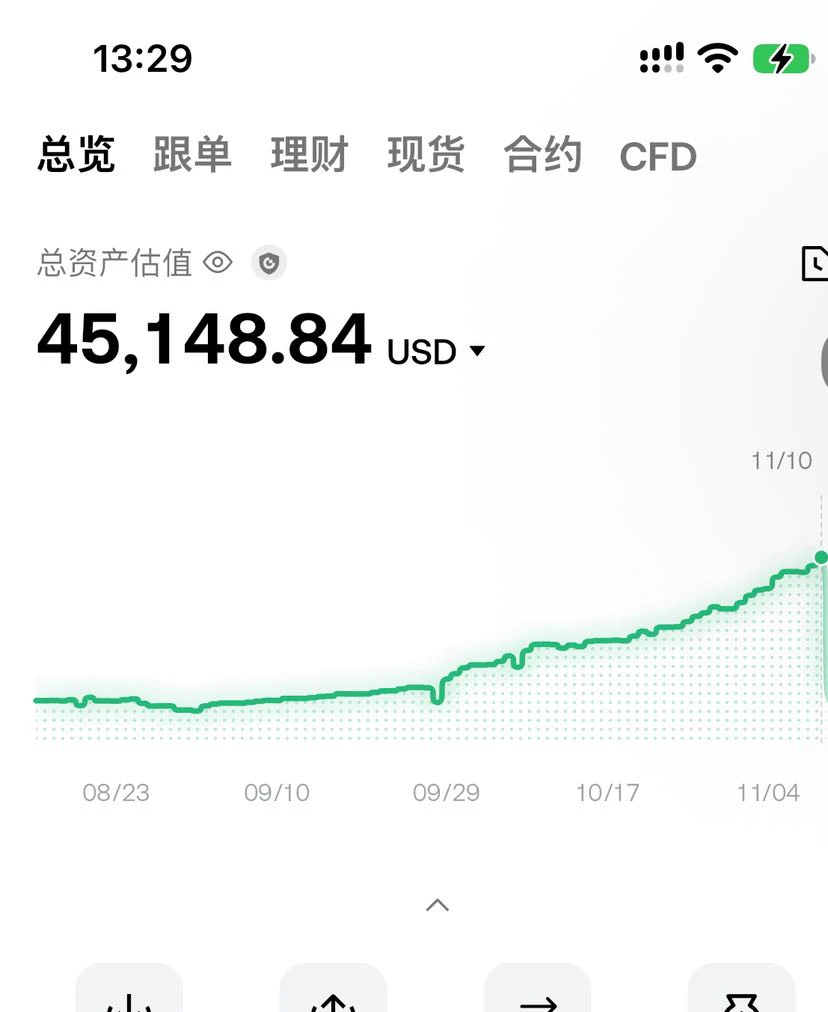
This account's task is complete, turned 300u into 45000u and took a break, getting ready to switch accounts and start again 💰🎉 Let's get rich, brothers
post-image
  • 11
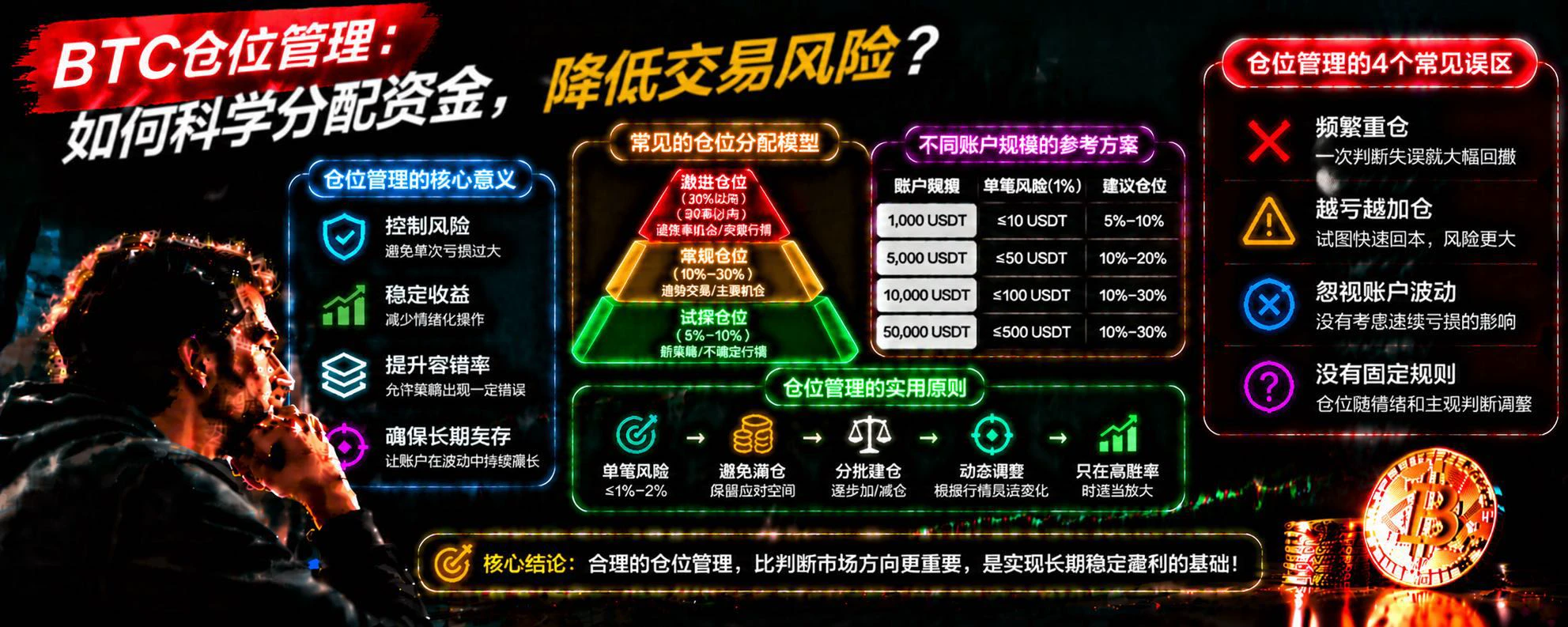
BTC Position Management: How to Allocate Funds Scientifically and Reduce Trading Risk?

In BTC trading, many people study market direction every day, looking for the best entry and exit points, yet overlook a question that may be more important than predicting direction: position management.

Why do some people correctly predict the market several times, but still fail to achieve the returns they want in the end? One reason is poor position sizing. A single oversized trade can wipe out the profits from several previous trades.

First, determine the risk per trade based on your account balance.
post-image
BTC-0.65%
Trenches
Max
M
bade
b
Max
5qaP...pump
Market Cap
$.
Change
.
24h Vol
$.
Holders
mihao
m
bade
b
mihao
4Cxj...pump
Market Cap
$.
Change
.
24h Vol
$.
Holders
.
AGT
A
bade
b
AGT
0x5d...e274
Market Cap
$.
Change
.
24h Vol
$.
Holders
.
DacityCoin
D
bade
b
DacityCoin
DKYc...pump
Market Cap
$.
Change
.
24h Vol
$.
Holders
.
Max
M
bade
b
Max
HPSp...h53z
Market Cap
$.
Change
.
24h Vol
$.
Holders
.
Why Can Stablecoins Peg to $1? Where Are the Risks If They Depeg?

In the cryptocurrency market, many people treat stablecoins as digital versions of the U.S. dollar.

For example, USDT and USDC typically target a price of $1. Traders can use them to denominate, transfer, and trade assets, or temporarily hold funds.

But there is a question worth considering carefully:

Why can stablecoins stay close to $1? If the market suddenly loses confidence, can they still remain stable?

The key to understanding stablecoins is not just their names, but the mechanisms and assets backing them, as well as
post-image
USDC+0.01%
It’d be better to make it this way, using a hoop and stone beads.
post-image
$KGEN A 21% surge in 24 hours, peaking at 0.0940 before getting slammed back to 0.0813. That upper wick is a tombstone for short-term chasers. I’m all about discipline: plans, not emotions—at this price today, chasing long is just handing tokens to the market makers, but I’ll still buy if it pulls back to my levels.
First, the rationale: trading volume of 95 million relative to this market cap, with enough turnover to show real activity—not a dead market. But the 24-hour range from 0.0663 to 0.0940 is nearly 42%, which shows the tokens are extremely unstable. Those who bought into the morning
KGEN-5.46%
  • 11
  • 2
CRYPTO MARKET OVERVIEW
live-cover
LIVE2,112
The economic downturn is so bad I can’t even afford a computer stand anymore. Guess I’ll have Ultraman and Spider-Man fill in.
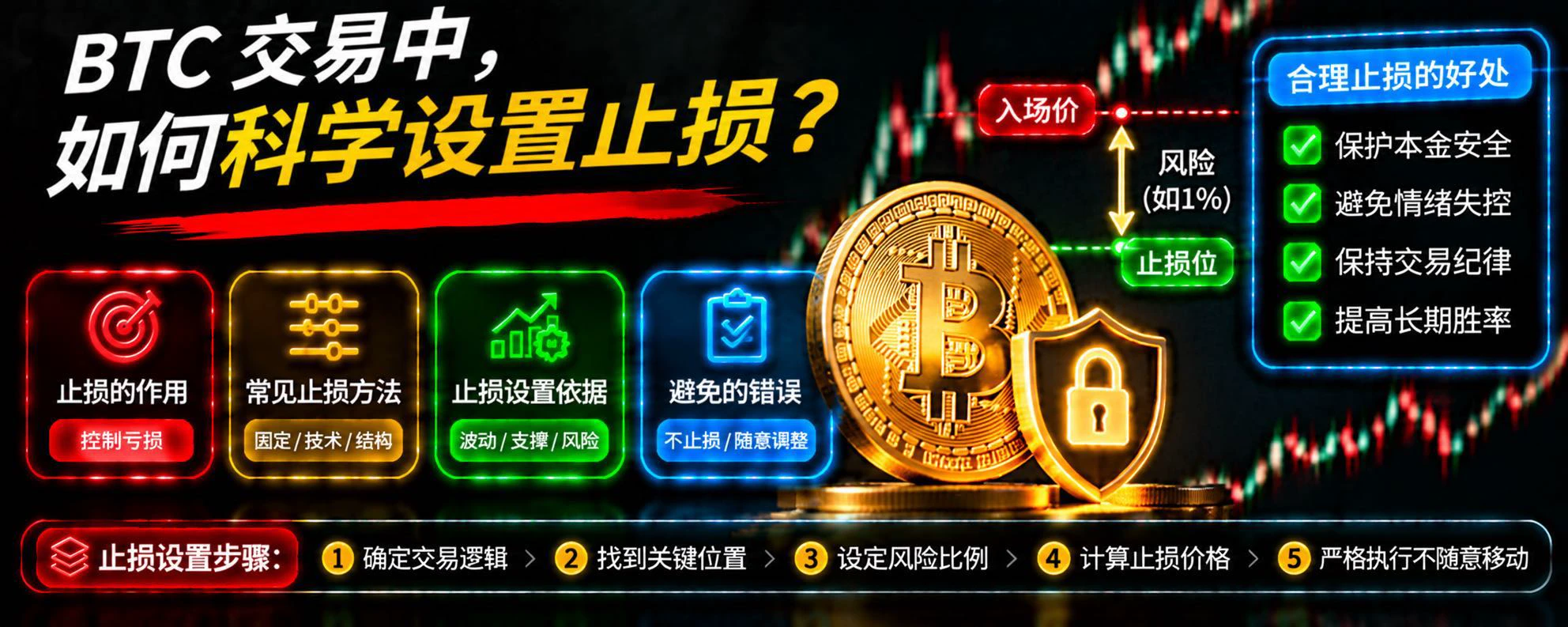
How to Set Stop-Losses Scientifically in BTC Trading?

In BTC trading, many people know the importance of stop-losses but never know where to place them. Set one too close, and a slight price fluctuation can stop you out; set one too far away, and if your judgment is wrong, you may suffer a significant loss.

So how should you set a stop-loss?

First, determine the stop-loss level based on your trading logic. When going long, watch key support levels, previous lows, and price structure. If the price decisively breaks below these levels, the original bullish thesis may no longer be valid. When
post-image
BTC-0.67%
Today's short-term BTC outlook played out as expected. $BTC
I identified the rebound resistance zone in advance and judged that this was only a weak recovery amid the downtrend. After the surge, bullish momentum faded, and the price came under pressure and moved lower as expected.
With news flying around, sticking to the market structure and patiently waiting for signals are crucial in short-term trading.
#Gate直通IPO第三期Anthropic
BTC-0.67%
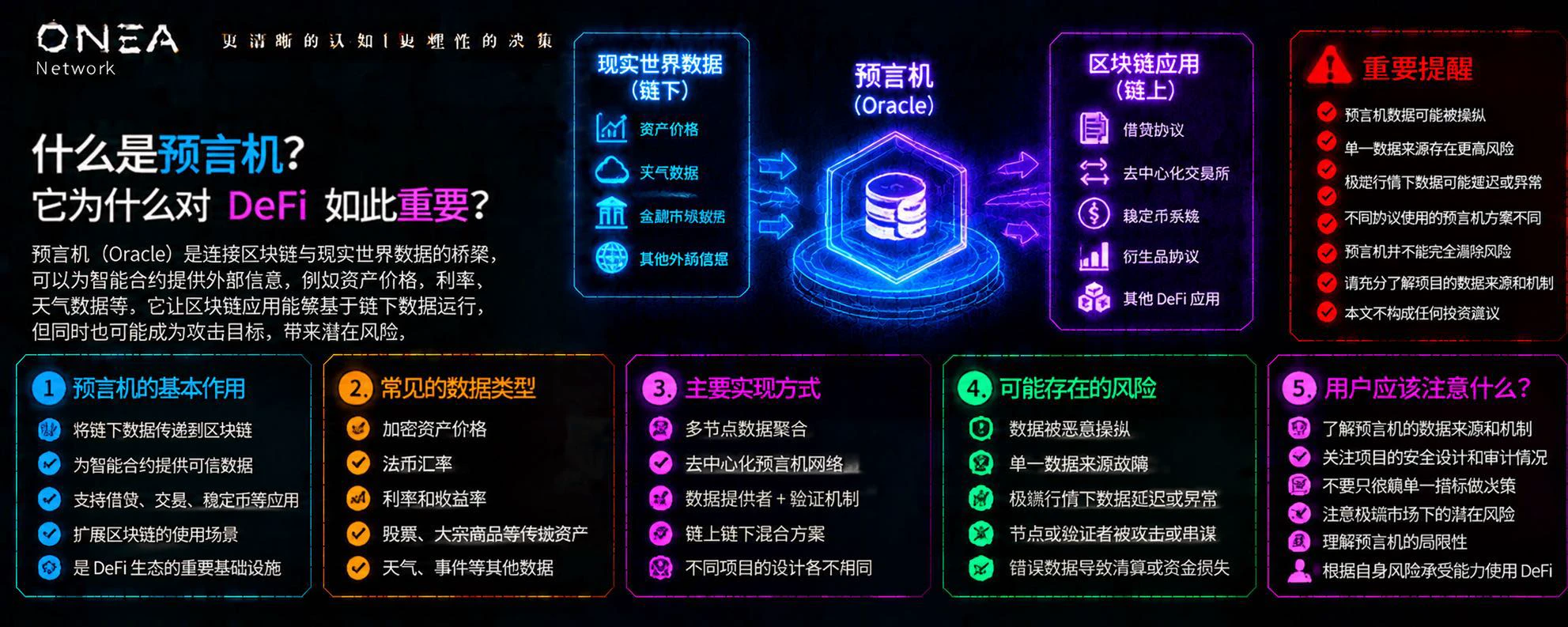
Why Aren’t DeFi Prices Determined by the Blockchain Itself? Understanding the Risks Behind Oracles

In the DeFi world, whether a loan can be completed successfully, whether a collateral asset will be liquidated, or even whether a stablecoin protocol can operate normally may all be affected by price data.

But the blockchain itself cannot directly know the real-world price of BTC, foreign exchange rates, or changes in the weather.

So how do smart contracts obtain this information?

The answer: oracles.

They are critical infrastructure connecting blockchains with external data, and a risk fact
post-image
BTC-0.67%
ETH-1.26%
Nvidia’s board is reportedly preparing to oust Jensen Huang, according to anonymous sources cited in reports today. The bullish side has decided to close all related options after the market opens.

The November 9 assessment was based on the board’s public expressions of confidence in him and Trump’s statement that he should stay on. At the time, it was believed that the worst national security-related news was already out. But two days later, the situation reversed: The New York Times reported that he had an affair with a direct subordinate, and The Wall Street Journal reported that the board
NVDA+2.99%
$ETH Supporting the crypto market's major crash and shakeout,
post-image
ETH-1.26%
Nvidia CEO Jensen Huang had another affair with an $NVDA
live-cover
LIVE4,075
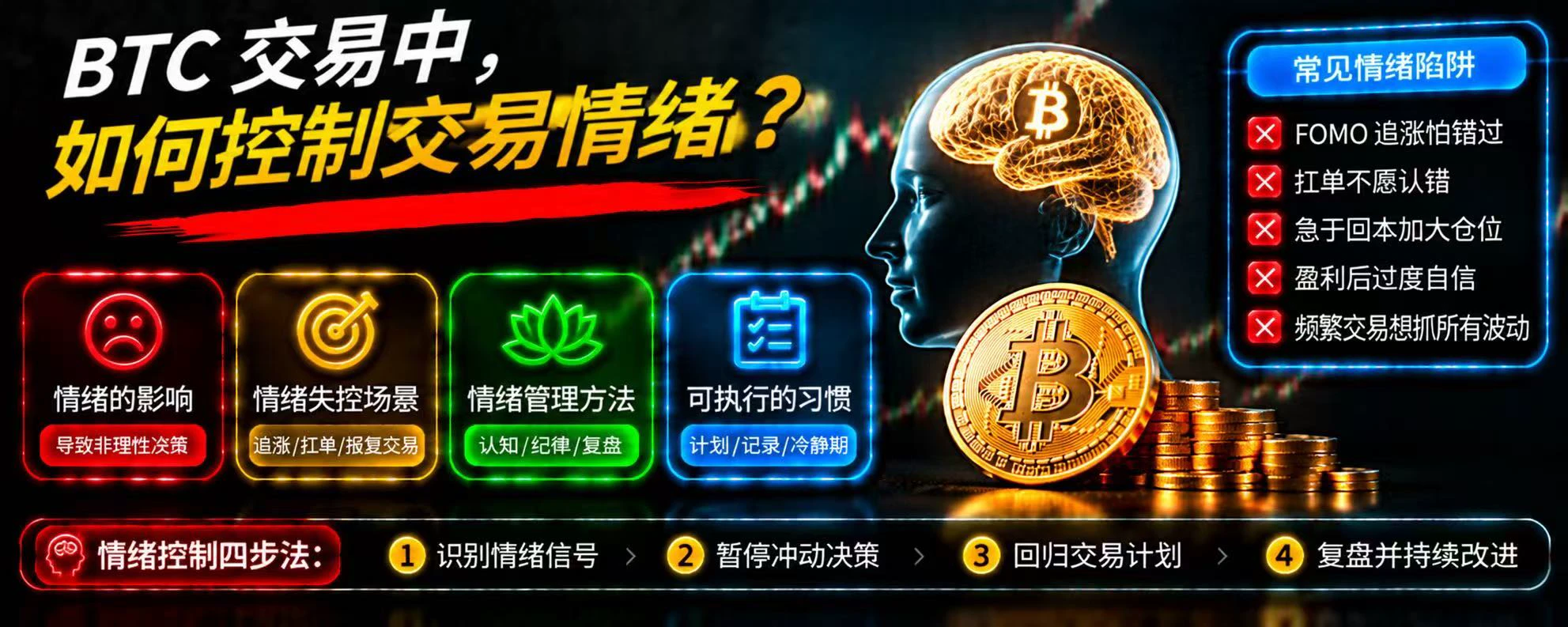
How can you control your emotions when trading BTC?

When trading BTC, many people understand technical analysis and have a trading plan, but find it difficult to stick to that plan when faced with real market volatility.

When prices rise, they fear missing out and can't resist chasing the rally; when prices fall, they worry their losses will grow and rush to stop out; after taking a loss, they want to open another position immediately to win the money back.

Behind these behaviors, trading emotions are influencing decisions.

So how can you build a more stable trading mindset?

First, watch
post-image
BTC-0.65%
$ETH Selling pressure is back: Ethereum spot ETF redemptions had just caught their breath, only to surge again.

On the 10th, the market saw net outflows of just $1.3 million, and BlackRock’s ETHA had no redemptions at all, making it look like things might stabilize. Then on the 11th, the tide turned sharply: net redemptions hit $144.8 million in a single day, with ETHA alone accounting for $129.8 million, nearly 90% of the total—almost single-handedly stirring up trouble.
The mechanism behind this is easy to understand: when shares are redeemed, funds have to move the Ethereum they hold in cu
post-image
ETH+1.07%
Why can a trading strategy with a very high win rate still lose money over the long term?

In cryptocurrency trading, many people prioritize finding strategies with high win rates.

If eight out of ten trades are profitable, it may seem like you already have an edge.

But the actual result may be the exact opposite: many trades are profitable, yet the account balance keeps falling.

That’s because the win rate only tells you how many times you won; it doesn’t tell you how much money you ultimately made.

What truly determines long-term trading results is the expected return, which is shaped by
post-image
We are officially entering a new chapter in the artificial intelligence story. For the past couple of years, the market has been mesmerized by model capabilities—who has the smartest AI, who can generate the best image, or who has the most parameters. But that era is rapidly transitioning into the "payoff phase," where the only question that matters is: can this technology actually make money?

The latest data from OpenAI paints a fascinating picture of this transition. The company generated approximately $10 billion in revenue in the third quarter, an impressive jump of nearly 50% quarter-ove
post-image
OPENAI-0.04%
  • 10
  • 2
Seeing this, I knew leaving the construction industry was a wise move.

The original author created a masterpiece like this with just one prompt:

“I want you to build an AAA-quality miniature house, like the two-story house on the Nuketown map in Call of Duty: Black Ops, with incredible detail, that can run in a Three.js FPS. Send me screenshots as you build, and use subagents to critique it. This should be great.
Use HF Jobs to get a GPU for rendering.”

But it might work better not to specify the exact implementation path for fable.
Why can frequent trading actually make your account smaller and smaller?

In BTC trading, many people watch the market every day, afraid of missing any rise or fall. When the price rises, they want to go long; when it falls, they want to go short; when they see an indicator signal, they can't help opening a position. They trade more than a dozen times a day, which looks like a lot of effort, but when they look back at the end of the month, their account balance may have shrunk.

So where exactly is the problem?

First, trading costs keep adding up. Every time you open and close a position, you
post-image
BTC-0.65%
Load More

Join 40 M users in our growing community

⚡️ Join 40 M users in the crypto craze discussion

💬 Engage with your favorite top creators

👍 See what interests you

Trending Topics

GateIPOAccessAnthropic

249.8K Views2.3K Discussing

Gate IPO Access Phase 3 features Anthropic (ANT), with USDT subscription interest starting from 100 USDT. Successful allocations will be delivered as real shares to Gate Stock Accounts. Indicative price: $70–$78/share Subscription: Nov 12–17 (UTC+8) Allocation is not guaranteed. Please manage risk accordingly.

USJoblessClaimsTonight

166.6K Views32.8K Discussing

GateOctoberTransparencyReport

238.5K Views1.8K Discussing

View More