







#AaveSuesToUnfreeze73MInETH
The decentralized finance (DeFi) space has once again stepped into the spotlight as Aave takes legal action to recover a massive $73 million worth of ETH that has been frozen. This development highlights not only the growing financial stakes in DeFi but also the increasing intersection between blockchain technology and traditional legal systems.
Aave, one of the leading DeFi lending protocols, is known for its innovation and transparency. However, even the most advanced decentralized platforms are not immune to unexpected challenges. The frozen ETH represents a significant portion of capital, and its recovery is critical not only for Aave but also for maintaining confidence across the broader crypto ecosystem.
🔍 What Happened?
The funds became inaccessible due to a technical or legal complication, pushing Aave to pursue legal measures. This marks a notable shift, as DeFi projects traditionally rely on code and governance rather than courts. The move signals that as the industry matures, hybrid approaches combining decentralization with legal frameworks are becoming more common.
⚖️ Why This Matters
Investor Confidence: Large-scale incidents like this can shake trust. Aave’s proactive response may reassure users.
Legal Precedent: This case could set an example for how future DeFi disputes are handled globally.
Risk Awareness: It reminds users that even decentralized systems carry risks beyond smart contract vulnerabilities.
📊 Market Impact
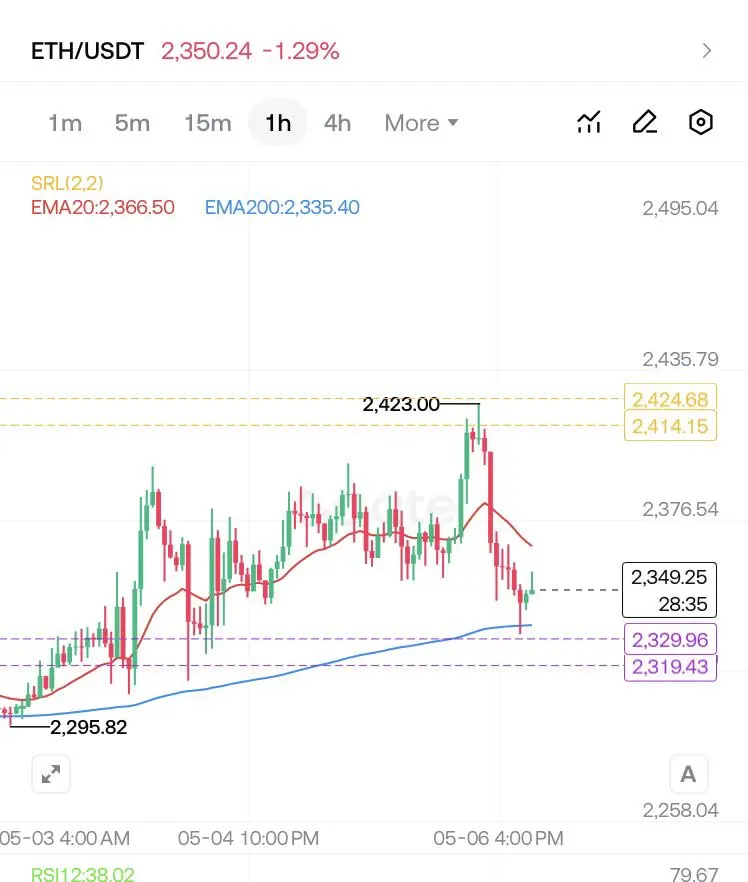
Despite the situation, ETH remains a dominant force in the crypto market. Events like this often trigger short-term volatility, but they also strengthen long-term infrastructure as projects learn and adapt.
🚀 Looking Ahead
Aave’s legal battle could become a defining moment for DeFi. If successful, it may encourage other protocols to adopt stronger safeguards and contingency plans. At the same time, it raises questions about decentralization vs. regulation — a debate that continues to shape the future of crypto.
💡 Final Thoughts
The DeFi revolution is still evolving, and incidents like these are part of its growing pains. Aave’s bold step into legal territory shows that innovation doesn’t stop at technology — it extends into governance, accountability, and resilience.
The decentralized finance (DeFi) space has once again stepped into the spotlight as Aave takes legal action to recover a massive $73 million worth of ETH that has been frozen. This development highlights not only the growing financial stakes in DeFi but also the increasing intersection between blockchain technology and traditional legal systems.
Aave, one of the leading DeFi lending protocols, is known for its innovation and transparency. However, even the most advanced decentralized platforms are not immune to unexpected challenges. The frozen ETH represents a significant portion of capital, and its recovery is critical not only for Aave but also for maintaining confidence across the broader crypto ecosystem.
🔍 What Happened?
The funds became inaccessible due to a technical or legal complication, pushing Aave to pursue legal measures. This marks a notable shift, as DeFi projects traditionally rely on code and governance rather than courts. The move signals that as the industry matures, hybrid approaches combining decentralization with legal frameworks are becoming more common.
⚖️ Why This Matters
Investor Confidence: Large-scale incidents like this can shake trust. Aave’s proactive response may reassure users.
Legal Precedent: This case could set an example for how future DeFi disputes are handled globally.
Risk Awareness: It reminds users that even decentralized systems carry risks beyond smart contract vulnerabilities.
📊 Market Impact
Despite the situation, ETH remains a dominant force in the crypto market. Events like this often trigger short-term volatility, but they also strengthen long-term infrastructure as projects learn and adapt.
🚀 Looking Ahead
Aave’s legal battle could become a defining moment for DeFi. If successful, it may encourage other protocols to adopt stronger safeguards and contingency plans. At the same time, it raises questions about decentralization vs. regulation — a debate that continues to shape the future of crypto.
💡 Final Thoughts
The DeFi revolution is still evolving, and incidents like these are part of its growing pains. Aave’s bold step into legal territory shows that innovation doesn’t stop at technology — it extends into governance, accountability, and resilience.