





#广场预测世界杯赢40000U
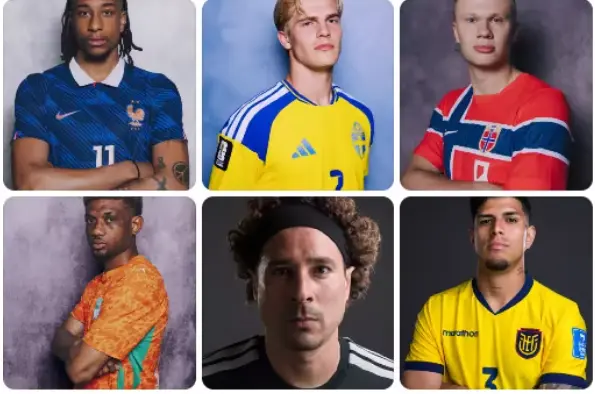
Official meme! World Cup official Twitter account releases preview image for tonight's matches: 6 players didn't smile
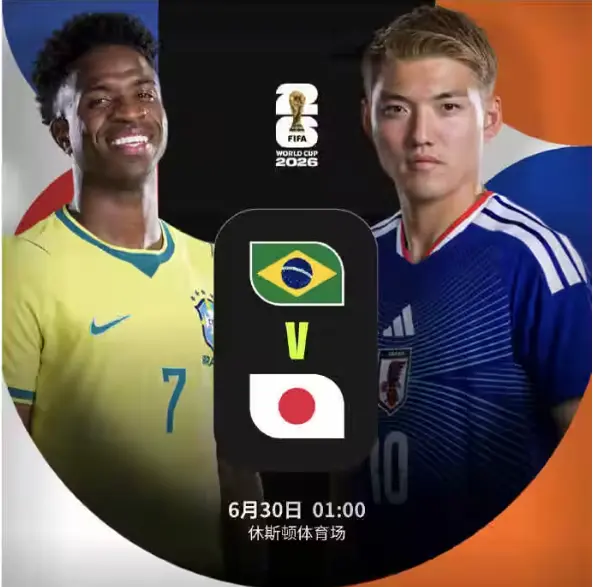
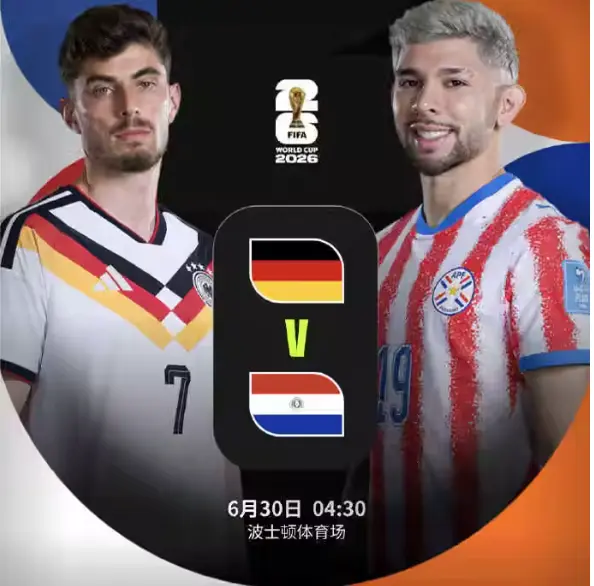
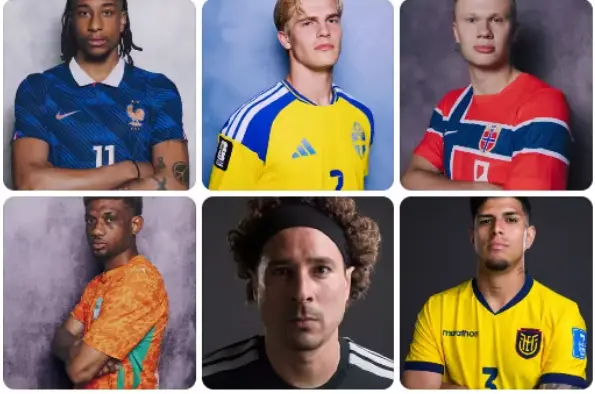
Early tomorrow morning Beijing time, three more matches of the World Cup Round of 32 will kick off successively. Before the matches, the World Cup official Weibo account also made a little joke during the preview, releasing a photo of six players with serious expressions.
This meme originated from the three matches that ended today. Someone noticed that in the three preview posters officially released, all teams whose players were smiling ended up winning.
Now, before the start of the new match day, the World Cup official Weibo account deliberately released a photo of six representative players from the six teams about to play, all with serious expressions, and wrote: "What if... this time everyone kept a straight face?" Released the preview image for tonight's matches: 6 players didn't smile
Official meme! World Cup official Twitter account releases preview image for tonight's matches: 6 players didn't smile
Early tomorrow morning Beijing time, three more matches of the World Cup Round of 32 will kick off successively. Before the matches, the World Cup official Weibo account also made a little joke during the preview, releasing a photo of six players with serious expressions.
This meme originated from the three matches that ended today. Someone noticed that in the three preview posters officially released, all teams whose players were smiling ended up winning.
Now, before the start of the new match day, the World Cup official Weibo account deliberately released a photo of six representative players from the six teams about to play, all with serious expressions, and wrote: "What if... this time everyone kept a straight face?" Released the preview image for tonight's matches: 6 players didn't smile