
#UStoImpose10To12.5PercentTariffsOn60Economies
The global financial landscape entered a new phase of uncertainty after the United States introduced a fresh round of import tariffs ranging from 10% to 12.5% on goods from approximately 60 economies, effective July 24, 2026. The policy marks one of the most significant trade actions of the year and is expected to influence global supply chains, inflation expectations, equity markets, commodities, and cryptocurrencies for months to come.
Unlike previous tariff measures that focused on a limited number of industries, this initiative covers a broad range of trading partners and products. Countries meeting specific labor-related trade requirements face the lower 10% tariff, while others are subject to a 12.5% rate. The move reflects Washington's effort to combine trade policy with broader economic and strategic objectives, while encouraging manufacturing investment inside the United States.
Financial markets reacted immediately. Global equity indices experienced increased volatility as investors reassessed the outlook for international trade and corporate earnings. Companies that rely heavily on imported raw materials or overseas manufacturing may face higher production costs, while exporters could encounter reduced demand if trading partners introduce retaliatory measures. Market participants are now watching whether negotiations will soften the policy or whether further trade restrictions could follow.
One of the biggest concerns is inflation. Tariffs effectively increase the cost of imported goods, and businesses often pass part of those higher costs to consumers. Products such as electronics, automobiles, machinery, industrial equipment, apparel, and household goods could all become more expensive if companies are unable to absorb the additional costs. Higher prices would complicate the inflation outlook at a time when central banks have been trying to stabilize price growth.
The Federal Reserve now faces a more difficult balancing act. If tariffs slow economic activity while simultaneously increasing consumer prices, policymakers may have to choose between supporting growth and controlling inflation. Such uncertainty usually increases volatility across financial markets because investors continuously adjust expectations for future interest-rate decisions.
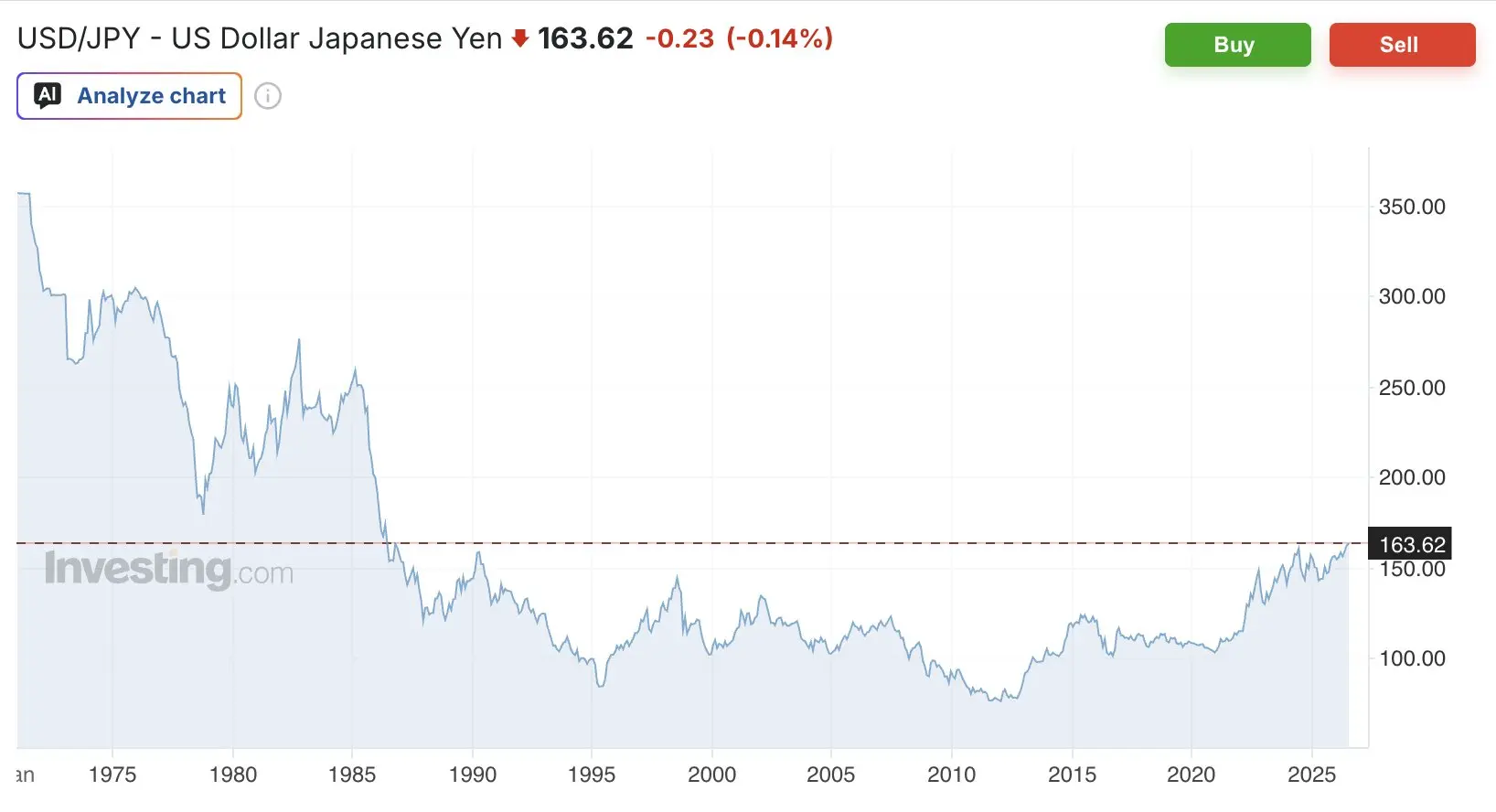
Currency markets have also become increasingly sensitive. Trade tensions often strengthen demand for safe-haven assets while placing pressure on currencies of export-dependent economies. Capital flows may shift toward lower-risk investments until greater policy clarity emerges, creating additional fluctuations across global foreign exchange markets.
Commodity markets are another important area to monitor. Industrial metals, agricultural products, and energy prices could experience significant price swings depending on how global trade volumes evolve. If supply chains become less efficient, transportation costs rise, or inventories tighten, commodity inflation may become another challenge for businesses worldwide.
For the cryptocurrency market, the announcement introduces both short-term risks and long-term opportunities.
Historically, major trade disputes have triggered an initial risk-off reaction. During periods of heightened uncertainty, investors often reduce exposure to volatile assets—including cryptocurrencies—and temporarily move capital toward cash, government bonds, or defensive investments. As a result, Bitcoin, Ethereum, and many altcoins could continue experiencing sharp intraday price swings while markets digest the broader economic impact.
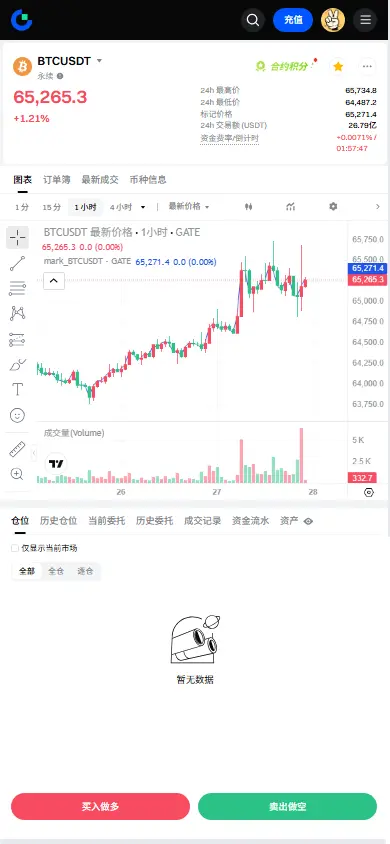
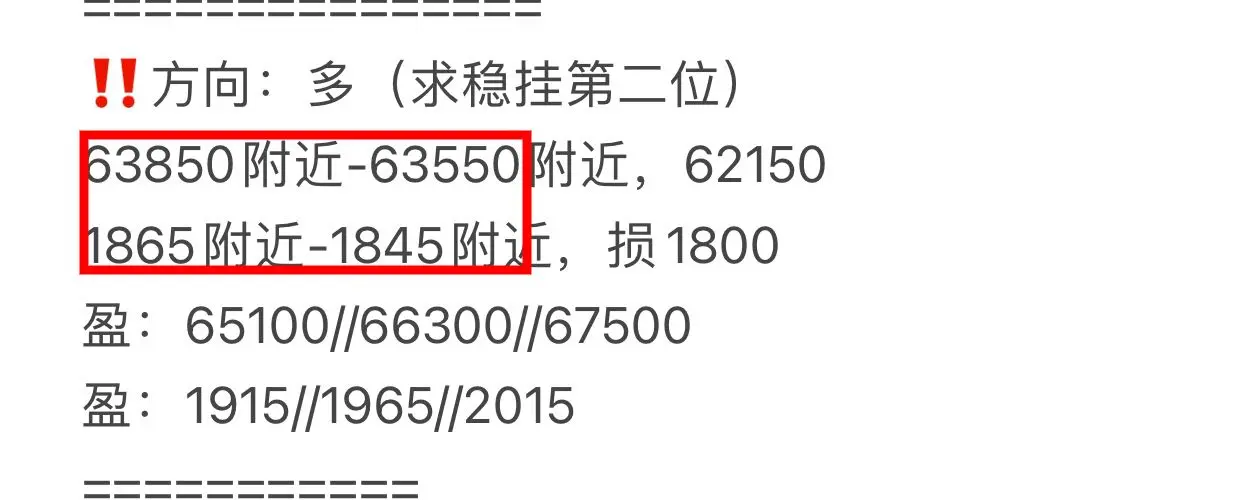
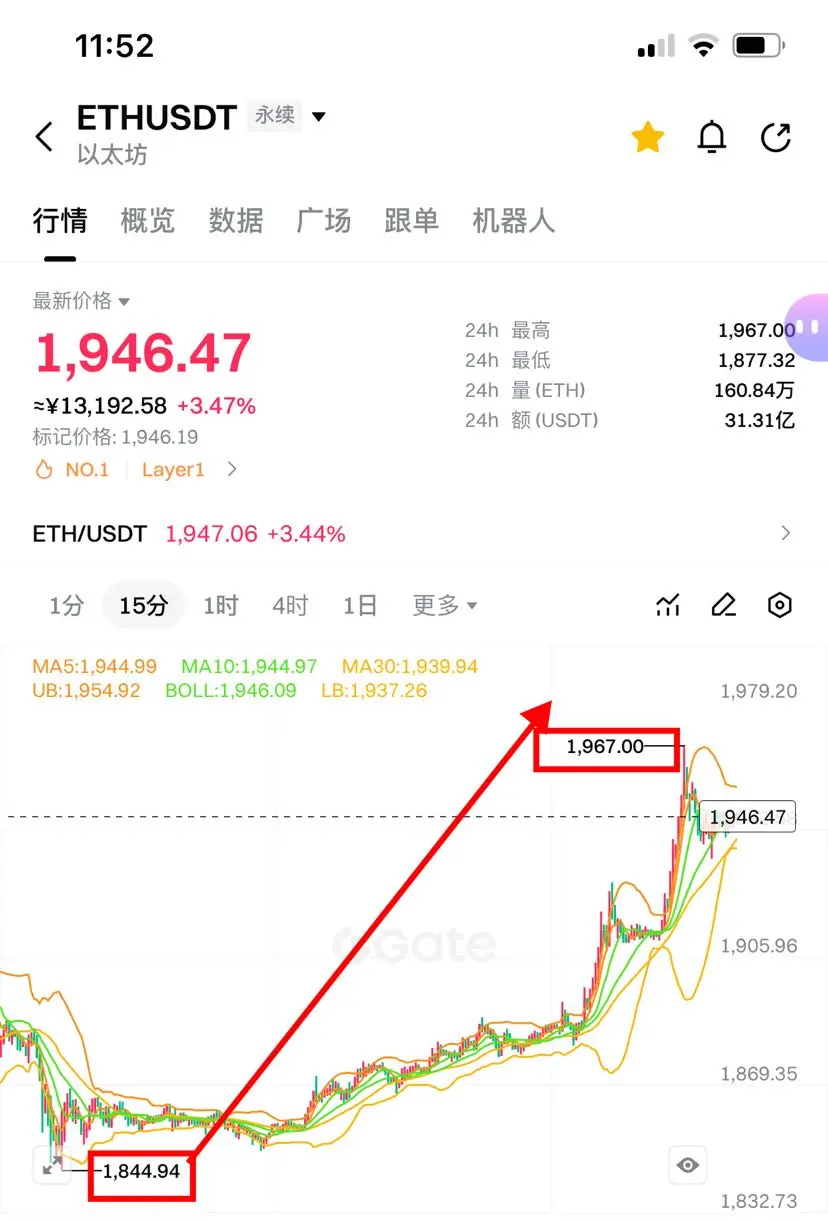
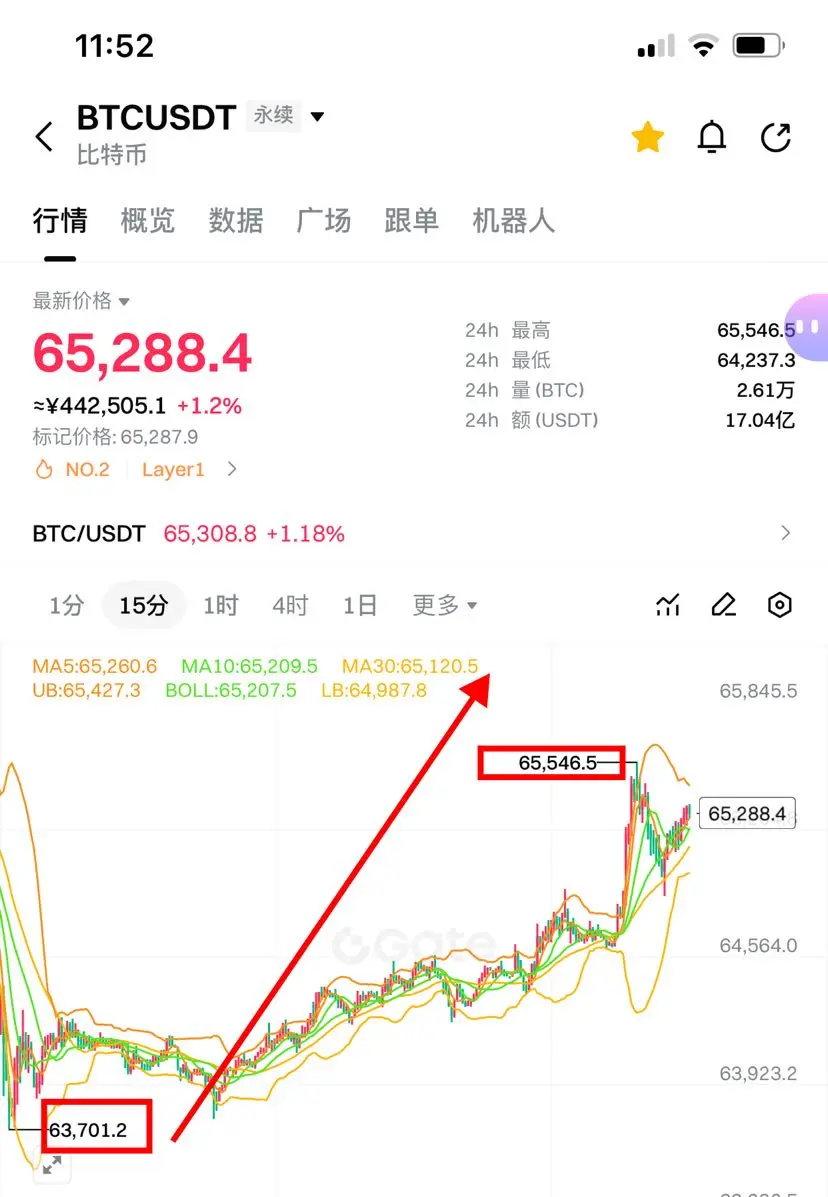
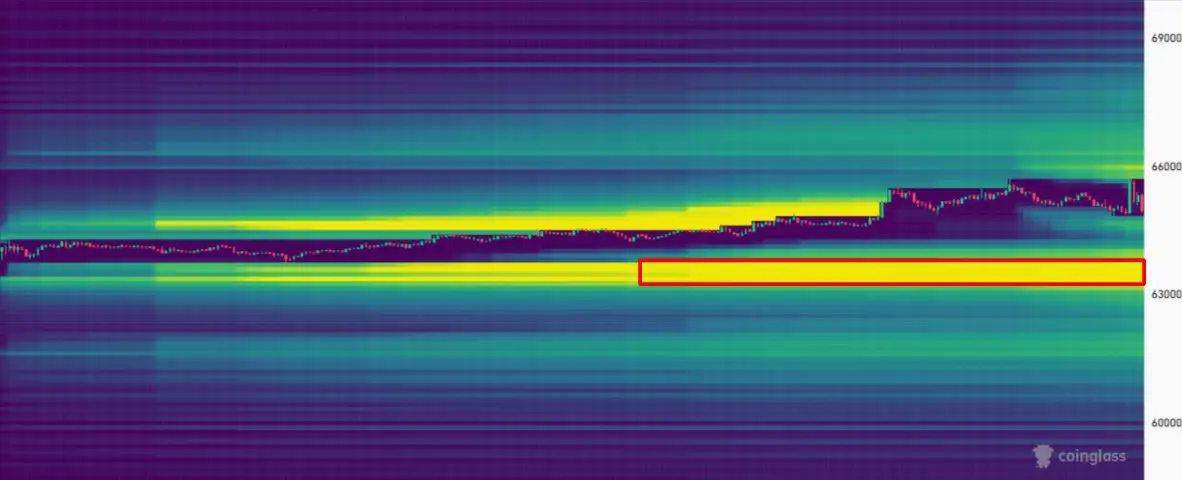
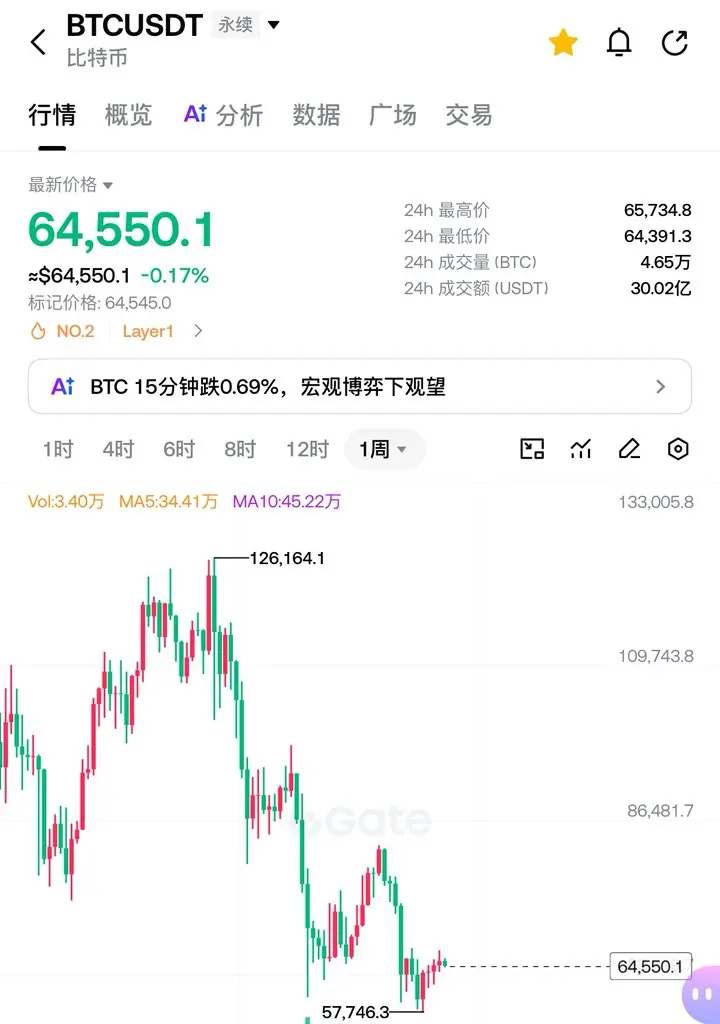
Bitcoin is currently trading near important technical levels, where buyers and sellers remain evenly matched. Strong support continues to attract long-term investors, but resistance remains significant as traders wait for additional macroeconomic clarity. Ethereum has also demonstrated resilience compared with many smaller cryptocurrencies, supported by continued institutional interest and growing blockchain adoption.
An important trend emerging during recent market volatility is the increasing preference for higher-quality digital assets. Institutional investors have generally shown greater interest in Bitcoin and Ethereum while reducing exposure to more speculative altcoins. This reflects a broader shift toward assets perceived as having stronger liquidity, more established ecosystems, and greater long-term adoption potential.
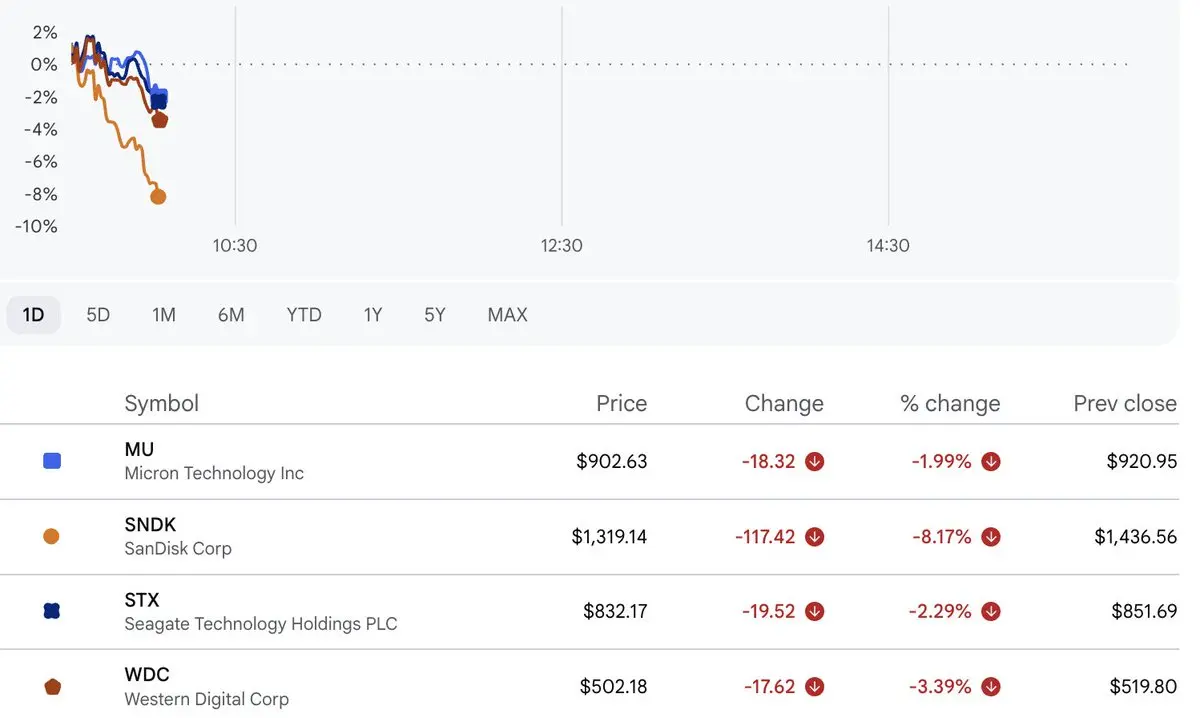
The tariff announcement also has implications for blockchain infrastructure. Semiconductor manufacturing, networking equipment, advanced computing hardware, and specialized components used in mining operations could all become more expensive if supply-chain costs increase. Companies building AI infrastructure, cloud computing systems, and blockchain networks may therefore face higher capital expenditures in the months ahead.
At the same time, the digital asset industry continues benefiting from structural adoption trends. Institutional custody solutions, tokenization initiatives, blockchain payment systems, and regulated investment products continue expanding globally. These long-term developments suggest that while macroeconomic events may influence short-term prices, the broader digital asset ecosystem continues evolving.
Investors should also pay close attention to institutional fund flows. ETF inflows and outflows often provide valuable insight into professional investor sentiment. Sustained inflows despite macroeconomic uncertainty would indicate continued long-term confidence, while prolonged outflows could signal a more defensive market environment.
Another factor worth monitoring is market liquidity. If tighter financial conditions reduce available liquidity, speculative assets may remain under pressure. However, if economic growth weakens enough to encourage future monetary easing, cryptocurrencies could eventually benefit from renewed liquidity entering financial markets.
Global supply chains may undergo additional restructuring as multinational companies diversify manufacturing locations to reduce tariff exposure. While this transition requires significant investment and time, it may gradually reshape international trade patterns and create new economic opportunities across emerging markets.
For traders, disciplined risk management remains essential during periods of elevated uncertainty. Rather than reacting emotionally to every headline, successful participants often focus on technical confirmation, support and resistance levels, trading volume, macroeconomic indicators, and institutional positioning before making decisions. Diversification, appropriate position sizing, and patience become even more valuable when volatility increases.
Looking ahead, several developments will likely determine market direction over the coming weeks. Progress in trade negotiations, inflation data, Federal Reserve communication, corporate earnings, commodity prices, and geopolitical developments will all influence investor sentiment. Markets are likely to remain highly responsive to new information until greater clarity emerges regarding the long-term impact of the tariff policy.
Although the immediate reaction has been cautious, history suggests that financial markets eventually adapt to major policy changes. Businesses adjust supply chains, investors reassess valuations, and new opportunities emerge as uncertainty gradually declines. For cryptocurrency investors, this means balancing short-term volatility with long-term structural trends such as institutional adoption, blockchain innovation, tokenization, and expanding digital finance infrastructure.
Ultimately, the introduction of 10% to 12.5% tariffs on 60 economies represents more than a trade policy adjustment. It has the potential to influence inflation, interest rates, corporate profitability, global trade, and investment flows simultaneously. While near-term volatility is likely to remain elevated across equities, commodities, and cryptocurrencies, disciplined investors who focus on fundamentals rather than short-term market noise may be better positioned to navigate the changing economic environment.
The global financial landscape entered a new phase of uncertainty after the United States introduced a fresh round of import tariffs ranging from 10% to 12.5% on goods from approximately 60 economies, effective July 24, 2026. The policy marks one of the most significant trade actions of the year and is expected to influence global supply chains, inflation expectations, equity markets, commodities, and cryptocurrencies for months to come.
Unlike previous tariff measures that focused on a limited number of industries, this initiative covers a broad range of trading partners and products. Countries meeting specific labor-related trade requirements face the lower 10% tariff, while others are subject to a 12.5% rate. The move reflects Washington's effort to combine trade policy with broader economic and strategic objectives, while encouraging manufacturing investment inside the United States.
Financial markets reacted immediately. Global equity indices experienced increased volatility as investors reassessed the outlook for international trade and corporate earnings. Companies that rely heavily on imported raw materials or overseas manufacturing may face higher production costs, while exporters could encounter reduced demand if trading partners introduce retaliatory measures. Market participants are now watching whether negotiations will soften the policy or whether further trade restrictions could follow.
One of the biggest concerns is inflation. Tariffs effectively increase the cost of imported goods, and businesses often pass part of those higher costs to consumers. Products such as electronics, automobiles, machinery, industrial equipment, apparel, and household goods could all become more expensive if companies are unable to absorb the additional costs. Higher prices would complicate the inflation outlook at a time when central banks have been trying to stabilize price growth.
The Federal Reserve now faces a more difficult balancing act. If tariffs slow economic activity while simultaneously increasing consumer prices, policymakers may have to choose between supporting growth and controlling inflation. Such uncertainty usually increases volatility across financial markets because investors continuously adjust expectations for future interest-rate decisions.
Currency markets have also become increasingly sensitive. Trade tensions often strengthen demand for safe-haven assets while placing pressure on currencies of export-dependent economies. Capital flows may shift toward lower-risk investments until greater policy clarity emerges, creating additional fluctuations across global foreign exchange markets.
Commodity markets are another important area to monitor. Industrial metals, agricultural products, and energy prices could experience significant price swings depending on how global trade volumes evolve. If supply chains become less efficient, transportation costs rise, or inventories tighten, commodity inflation may become another challenge for businesses worldwide.
For the cryptocurrency market, the announcement introduces both short-term risks and long-term opportunities.
Historically, major trade disputes have triggered an initial risk-off reaction. During periods of heightened uncertainty, investors often reduce exposure to volatile assets—including cryptocurrencies—and temporarily move capital toward cash, government bonds, or defensive investments. As a result, Bitcoin, Ethereum, and many altcoins could continue experiencing sharp intraday price swings while markets digest the broader economic impact.
Bitcoin is currently trading near important technical levels, where buyers and sellers remain evenly matched. Strong support continues to attract long-term investors, but resistance remains significant as traders wait for additional macroeconomic clarity. Ethereum has also demonstrated resilience compared with many smaller cryptocurrencies, supported by continued institutional interest and growing blockchain adoption.
An important trend emerging during recent market volatility is the increasing preference for higher-quality digital assets. Institutional investors have generally shown greater interest in Bitcoin and Ethereum while reducing exposure to more speculative altcoins. This reflects a broader shift toward assets perceived as having stronger liquidity, more established ecosystems, and greater long-term adoption potential.
The tariff announcement also has implications for blockchain infrastructure. Semiconductor manufacturing, networking equipment, advanced computing hardware, and specialized components used in mining operations could all become more expensive if supply-chain costs increase. Companies building AI infrastructure, cloud computing systems, and blockchain networks may therefore face higher capital expenditures in the months ahead.
At the same time, the digital asset industry continues benefiting from structural adoption trends. Institutional custody solutions, tokenization initiatives, blockchain payment systems, and regulated investment products continue expanding globally. These long-term developments suggest that while macroeconomic events may influence short-term prices, the broader digital asset ecosystem continues evolving.
Investors should also pay close attention to institutional fund flows. ETF inflows and outflows often provide valuable insight into professional investor sentiment. Sustained inflows despite macroeconomic uncertainty would indicate continued long-term confidence, while prolonged outflows could signal a more defensive market environment.
Another factor worth monitoring is market liquidity. If tighter financial conditions reduce available liquidity, speculative assets may remain under pressure. However, if economic growth weakens enough to encourage future monetary easing, cryptocurrencies could eventually benefit from renewed liquidity entering financial markets.
Global supply chains may undergo additional restructuring as multinational companies diversify manufacturing locations to reduce tariff exposure. While this transition requires significant investment and time, it may gradually reshape international trade patterns and create new economic opportunities across emerging markets.
For traders, disciplined risk management remains essential during periods of elevated uncertainty. Rather than reacting emotionally to every headline, successful participants often focus on technical confirmation, support and resistance levels, trading volume, macroeconomic indicators, and institutional positioning before making decisions. Diversification, appropriate position sizing, and patience become even more valuable when volatility increases.
Looking ahead, several developments will likely determine market direction over the coming weeks. Progress in trade negotiations, inflation data, Federal Reserve communication, corporate earnings, commodity prices, and geopolitical developments will all influence investor sentiment. Markets are likely to remain highly responsive to new information until greater clarity emerges regarding the long-term impact of the tariff policy.
Although the immediate reaction has been cautious, history suggests that financial markets eventually adapt to major policy changes. Businesses adjust supply chains, investors reassess valuations, and new opportunities emerge as uncertainty gradually declines. For cryptocurrency investors, this means balancing short-term volatility with long-term structural trends such as institutional adoption, blockchain innovation, tokenization, and expanding digital finance infrastructure.
Ultimately, the introduction of 10% to 12.5% tariffs on 60 economies represents more than a trade policy adjustment. It has the potential to influence inflation, interest rates, corporate profitability, global trade, and investment flows simultaneously. While near-term volatility is likely to remain elevated across equities, commodities, and cryptocurrencies, disciplined investors who focus on fundamentals rather than short-term market noise may be better positioned to navigate the changing economic environment.