#广场预测世界杯赢40000U
In a battle against the odds, Belgium’s defeat is still honorable; as the veteran bows out, can Spain carry the torch?
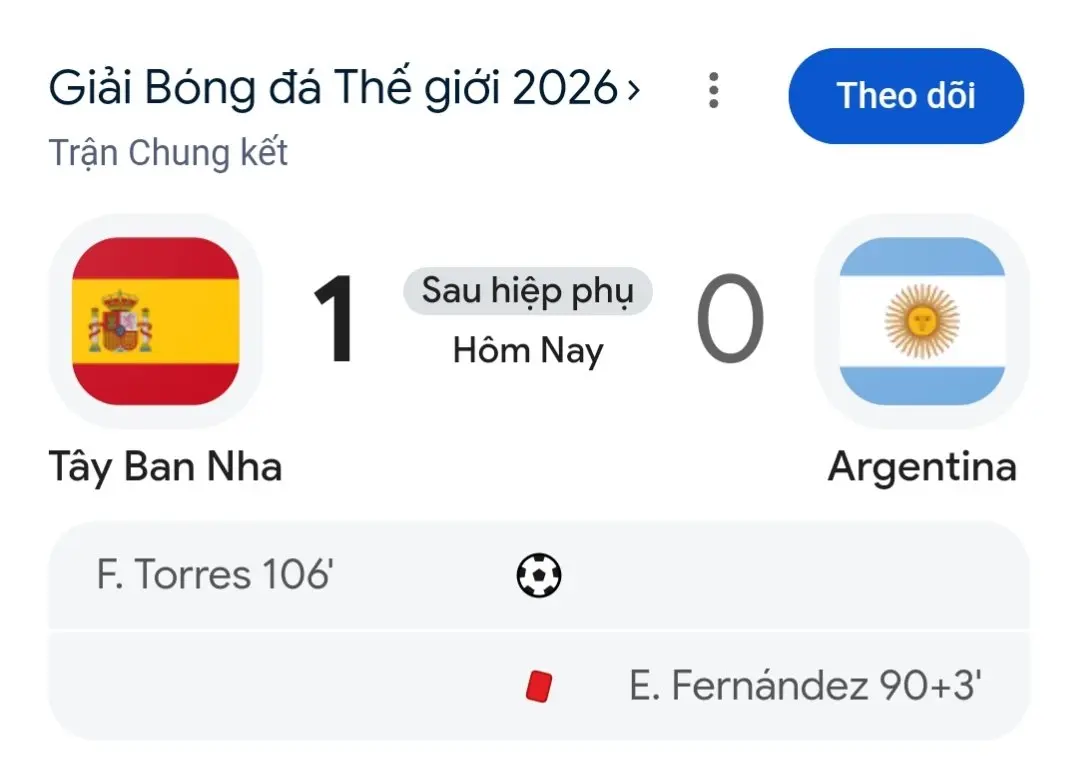
On July 11, 2026 USA–Canada–Mexico World Cup quarterfinals featured a highly anticipated matchup. Spain, relying on substitute hero Merino, scored the winner to defeat Belgium 2-1 after a comeback, securing a spot in the semifinals. This is Spain’s first return to the World Cup semifinals in 16 years. In the semifinal, they will face the powerhouse France.
Spain’s path to qualification in this World Cup has been full of ups and downs. In the group stage opener, the team unexpectedly drew with debutants Cape Verde, causing a surprise upset. After that, the squad quickly found its rhythm, delivering successive big wins over Saudi Arabia and a narrow win over Uruguay, advancing smoothly as group leaders.
In the knockout rounds, Spain’s form was scorching. They kept clean sheets against Austria and then delivered a dramatic winner against Portugal, steadily marching into the quarterfinals.
By contrast, Belgium’s group-stage performance was mediocre. They drew their first two matches against Egypt and Iran, and only in the final round did they steady their hold on first place with a 5-1 rout of New Zealand. In the knockout stage, Belgium showed stubborn resilience. In the Round of 32, they produced a stunning extra-time comeback to beat Senegal 3-2. In the Round of 16, they cruised past the United States 4-1 to reach the quarterfinals. In terms of head-to-head history, Spain holds a clear advantage over Belgium, with 7 wins, 2 draws, and 3 losses in their last 12 meetings.
In this match, Belgium were hit by serious injuries. Key midfielders Tielemans and Onana both missed the game, damaging both their attacking and defensive structure.
At 35, veteran De Bruyne returned to the starting lineup to anchor the midfield, while the 33-year-old Lukaku continued to wait as a substitute. Belgium could only face the strong opponent with a depleted lineup.
Thrilling plot! Courtois’ injury turns the tide
The first half had a tight tempo, with extremely quick transitions between attack and defense.
In the 30th minute, Spain broke the deadlock first. Olmo’s shot was superbly saved by Belgium goalkeeper Courtois. Fabian Ruiz was alert and followed up with a close-range finish to give Spain a 1-0 lead.
However, Belgium responded quickly. In the 41st minute, Deketelaere met Castane’s precise cross with a header, finding the net to level the score 1-1. This goal also ended Spain’s long streak of unbeaten clean sheets—ending goalkeeper Simón’s World Cup record of 650 minutes without conceding. With recent consistent performances, Deketelaere scored 3 goals in his last two knockout matches, matching Lukaku and taking the top spot on Belgium’s World Cup knockout-stage scoring chart together.
In the second half, both teams became locked in a fierce tug-of-war, and physical intensity kept rising. In the 61st minute, a suspected handball in Rodri’s penalty area led Belgium players to collectively protest, but the referee issued no decision, and the score remained unchanged.
In the 69th minute, the match reached another crucial turning point. Belgium’s key goalkeeper Courtois, who had repeatedly produced impressive saves, was unexpectedly injured and could not continue. Manchester United goalkeeper Rasmus replaced him, and Belgium’s defensive strength in front of goal suffered a major blow.
After that, Spain kept pressing. Lamine Yamal kept getting chances, but in the 82nd minute his forced shot was blocked, and in the 83rd minute he missed a one-on-one opportunity—repeatedly failing to change the scoreline.
Miracle in 100 seconds! Merino strikes again to reset records
In the 86th minute, Spain made a substitution: Merino came on for Olmo. This change became the match-winning prelude. After appearing for only 117 seconds, Merino created a classic moment. In the 88th minute, KUBASI fired a long-range effort from the edge of the big box. Substitute goalkeeper Rasmus spilled the save, and Merino was sharp with a follow-up finish to score the winner—helping Spain complete the comeback and take a 2-1 lead.
This goal was packed with value. It not only secured victory and pushed Spain into the semifinals, but also refreshed football records. Merino’s 117-second substitute winner broke the record set by Soria in 1982—159 seconds for the fastest World Cup substitute goal by a Spanish player. The 42-year-old history was finally laid to rest.
Even more noteworthy, Merino achieved the feat of scoring winning goals in consecutive World Cup knockout matches.
In the previous round versus Portugal, he came on as a substitute in the 90th minute and scored the only goal of the match to help the team advance. In this game, he again came off the bench to deliver the winner. Two key wins locked Spain into the semifinals—making him the biggest contributor to their progress.
The curtain falls on youth! Belgium’s golden generation officially bids farewell to the World Cup stage
After this defeat, Belgium’s run ended in the quarterfinals. It also officially marked the end of Belgium’s golden generation—centered on De Bruyne, Lukaku, Courtois, and Witsel—which has now completely said goodbye to the World Cup stage. The peak era of the European “Red Devils” has come to an end.
Belgium’s golden generation rose strongly starting in 2014. At the time, top stars like Hazard, Kompany, Fellaini, and Vertonghen all joined the national team, forming a lineup full of stardom. The team had long held the top spot on the FIFA World Rankings. The 2018 Russia World Cup was their all-time peak: Belgium knocked out Brazil and reached the final four, ultimately winning third place and recording the best World Cup finish in their history—at one point widely viewed as a favorite to lift the title.
But this legendary team never managed to reach the summit. They repeatedly fell short: in the 2020 European Championship, they were eliminated in the quarterfinals; in the 2022 Qatar World Cup, internal conflicts saw them go out early in the group stage. With Hazard retiring, legends like Kompany, Fellaini, and Vertonghen also stepped away and faded from the national team. The former star-studded lineup eventually fell apart.
In this USA–Canada–Mexico World Cup, only four aging stalwarts remain to fight on: De Bruyne, Lukaku, Courtois, and Witsel. Now, with injuries to key players and the team’s elimination, the golden generation has truly come to an end. Although younger players like Deketelaere and Doku continue to develop, the gap in big-tournament experience and individual raw quality compared to their predecessors is clear. In the short term, Belgium will struggle to recreate the top-level competitiveness of the European Red Devils, and they are set to bid farewell to the world’s top contenders.
On July 10, Spain players celebrate a goal during the match. Xinhua News Agency
Spain, returning to the World Cup semifinals for the first time in 16 years, carries forward the team’s depth in big matches. Notably, the last time Spain reached the World Cup semifinals, they ultimately went on to win the title. Now, with a young squad boasting strong resilience and substitute heroes producing standout performances, they will face France in the semifinals and push toward the final stage.
In a battle against the odds, Belgium’s defeat is still honorable; as the veteran bows out, can Spain carry the torch?
On July 11, 2026 USA–Canada–Mexico World Cup quarterfinals featured a highly anticipated matchup. Spain, relying on substitute hero Merino, scored the winner to defeat Belgium 2-1 after a comeback, securing a spot in the semifinals. This is Spain’s first return to the World Cup semifinals in 16 years. In the semifinal, they will face the powerhouse France.
Spain’s path to qualification in this World Cup has been full of ups and downs. In the group stage opener, the team unexpectedly drew with debutants Cape Verde, causing a surprise upset. After that, the squad quickly found its rhythm, delivering successive big wins over Saudi Arabia and a narrow win over Uruguay, advancing smoothly as group leaders.
In the knockout rounds, Spain’s form was scorching. They kept clean sheets against Austria and then delivered a dramatic winner against Portugal, steadily marching into the quarterfinals.
By contrast, Belgium’s group-stage performance was mediocre. They drew their first two matches against Egypt and Iran, and only in the final round did they steady their hold on first place with a 5-1 rout of New Zealand. In the knockout stage, Belgium showed stubborn resilience. In the Round of 32, they produced a stunning extra-time comeback to beat Senegal 3-2. In the Round of 16, they cruised past the United States 4-1 to reach the quarterfinals. In terms of head-to-head history, Spain holds a clear advantage over Belgium, with 7 wins, 2 draws, and 3 losses in their last 12 meetings.
In this match, Belgium were hit by serious injuries. Key midfielders Tielemans and Onana both missed the game, damaging both their attacking and defensive structure.
At 35, veteran De Bruyne returned to the starting lineup to anchor the midfield, while the 33-year-old Lukaku continued to wait as a substitute. Belgium could only face the strong opponent with a depleted lineup.
Thrilling plot! Courtois’ injury turns the tide
The first half had a tight tempo, with extremely quick transitions between attack and defense.
In the 30th minute, Spain broke the deadlock first. Olmo’s shot was superbly saved by Belgium goalkeeper Courtois. Fabian Ruiz was alert and followed up with a close-range finish to give Spain a 1-0 lead.
However, Belgium responded quickly. In the 41st minute, Deketelaere met Castane’s precise cross with a header, finding the net to level the score 1-1. This goal also ended Spain’s long streak of unbeaten clean sheets—ending goalkeeper Simón’s World Cup record of 650 minutes without conceding. With recent consistent performances, Deketelaere scored 3 goals in his last two knockout matches, matching Lukaku and taking the top spot on Belgium’s World Cup knockout-stage scoring chart together.
In the second half, both teams became locked in a fierce tug-of-war, and physical intensity kept rising. In the 61st minute, a suspected handball in Rodri’s penalty area led Belgium players to collectively protest, but the referee issued no decision, and the score remained unchanged.
In the 69th minute, the match reached another crucial turning point. Belgium’s key goalkeeper Courtois, who had repeatedly produced impressive saves, was unexpectedly injured and could not continue. Manchester United goalkeeper Rasmus replaced him, and Belgium’s defensive strength in front of goal suffered a major blow.
After that, Spain kept pressing. Lamine Yamal kept getting chances, but in the 82nd minute his forced shot was blocked, and in the 83rd minute he missed a one-on-one opportunity—repeatedly failing to change the scoreline.
Miracle in 100 seconds! Merino strikes again to reset records
In the 86th minute, Spain made a substitution: Merino came on for Olmo. This change became the match-winning prelude. After appearing for only 117 seconds, Merino created a classic moment. In the 88th minute, KUBASI fired a long-range effort from the edge of the big box. Substitute goalkeeper Rasmus spilled the save, and Merino was sharp with a follow-up finish to score the winner—helping Spain complete the comeback and take a 2-1 lead.
This goal was packed with value. It not only secured victory and pushed Spain into the semifinals, but also refreshed football records. Merino’s 117-second substitute winner broke the record set by Soria in 1982—159 seconds for the fastest World Cup substitute goal by a Spanish player. The 42-year-old history was finally laid to rest.
Even more noteworthy, Merino achieved the feat of scoring winning goals in consecutive World Cup knockout matches.
In the previous round versus Portugal, he came on as a substitute in the 90th minute and scored the only goal of the match to help the team advance. In this game, he again came off the bench to deliver the winner. Two key wins locked Spain into the semifinals—making him the biggest contributor to their progress.
The curtain falls on youth! Belgium’s golden generation officially bids farewell to the World Cup stage
After this defeat, Belgium’s run ended in the quarterfinals. It also officially marked the end of Belgium’s golden generation—centered on De Bruyne, Lukaku, Courtois, and Witsel—which has now completely said goodbye to the World Cup stage. The peak era of the European “Red Devils” has come to an end.
Belgium’s golden generation rose strongly starting in 2014. At the time, top stars like Hazard, Kompany, Fellaini, and Vertonghen all joined the national team, forming a lineup full of stardom. The team had long held the top spot on the FIFA World Rankings. The 2018 Russia World Cup was their all-time peak: Belgium knocked out Brazil and reached the final four, ultimately winning third place and recording the best World Cup finish in their history—at one point widely viewed as a favorite to lift the title.
But this legendary team never managed to reach the summit. They repeatedly fell short: in the 2020 European Championship, they were eliminated in the quarterfinals; in the 2022 Qatar World Cup, internal conflicts saw them go out early in the group stage. With Hazard retiring, legends like Kompany, Fellaini, and Vertonghen also stepped away and faded from the national team. The former star-studded lineup eventually fell apart.
In this USA–Canada–Mexico World Cup, only four aging stalwarts remain to fight on: De Bruyne, Lukaku, Courtois, and Witsel. Now, with injuries to key players and the team’s elimination, the golden generation has truly come to an end. Although younger players like Deketelaere and Doku continue to develop, the gap in big-tournament experience and individual raw quality compared to their predecessors is clear. In the short term, Belgium will struggle to recreate the top-level competitiveness of the European Red Devils, and they are set to bid farewell to the world’s top contenders.
On July 10, Spain players celebrate a goal during the match. Xinhua News Agency
Spain, returning to the World Cup semifinals for the first time in 16 years, carries forward the team’s depth in big matches. Notably, the last time Spain reached the World Cup semifinals, they ultimately went on to win the title. Now, with a young squad boasting strong resilience and substitute heroes producing standout performances, they will face France in the semifinals and push toward the final stage.