
Futures
Access hundreds of perpetual contracts
CFD
Gold
One platform for global traditional assets
Options
Hot
Trade European-style vanilla options
Unified Account
Maximize your capital efficiency
Demo Trading
Introduction to Futures Trading
Learn the basics of futures trading
Futures Events
Join events to earn rewards
Demo Trading
Use virtual funds to practice risk-free trading
Launch
CandyDrop
Collect candies to earn airdrops
Launchpool
Quick staking, earn potential new tokens
HODLer Airdrop
Hold GT and get massive airdrops for free
Pre-IPOs
Unlock full access to global stock IPOs
Alpha Points
Trade on-chain assets and earn airdrops
Futures Points
Earn futures points and claim airdrop rewards


Promotions
AI
Gate AI
Your all-in-one conversational AI partner
Gate AI Bot
Use Gate AI directly in your social App
GateClaw
Gate Blue Lobster, ready to go
Gate for AI Agent
AI infrastructure, Gate MCP, Skills, and CLI
Gate Skills Hub
10K+ Skills
From office tasks to trading, the all-in-one skill hub makes AI even more useful.
GateRouter
Smartly choose from 40+ AI models, with 0% extra fees


Crypto Trading Prohibition in Nepal Hinders Scam Victims from Approaching Authorities, Study Indicates
Gate’s Financial Intelligence Unit (FIU), in its Strategic Analysis Report 2024, has unveiled that Nepal’s comprehensive ban on cryptocurrency trading has emerged as a major barrier for fraud victims seeking to report incidents to official channels.
Overview of Nepal’s Digital Asset Landscape
The FIU, a branch of Nepal Rastra Bank, the nation’s central bank, is tasked with monitoring and reporting suspicious transactions, particularly those associated with illegal activities such as money laundering and funding of terrorism.
The study highlighted an uptick in fraudsters employing tactics like “smurfing,” where substantial transactions are broken down into smaller amounts to evade detection. Moreover, these bad actors convert ill-gotten funds into digital currencies, complicating efforts by authorities to track or freeze assets.
The FIU further stressed that numerous individuals fall prey to digital asset investment scams promising exceptional returns. The report stated:
Nepal imposed a ban on digital asset trading and mining in September 2021. Following this, in January 2023, the Nepalese Telecommunications Authority instructed internet service providers (ISPs) to block access to all cryptocurrency-related websites, including trading platforms.
Social media platforms and online advertisements serve as primary channels through which scammers entice unsuspecting individuals into bogus digital asset investment schemes. However, the illicit status of digital asset trading in Nepal has discouraged victims from reporting these incidents to law enforcement, inadvertently enabling fraudsters.
The FIU has advocated for more rigorous monitoring of crypto transactions within the country to curb these fraudulent activities. The report also emphasized the significance of enhancing public awareness, promoting inter-departmental collaboration, and establishing a balanced regulatory framework to address crypto-related fraud more effectively.
Cryptocurrency Regulations Across South Asia
Nepal is among the few nations, alongside China, Russia, Iran, Bangladesh, and others, to prohibit all digital asset trading activities. However, other South Asian countries have adopted diverse approaches towards digital assets.
For example, digital asset trading is not explicitly banned in India. Nevertheless, the country has levied high taxes on profits generated from crypto trades, without allowing the option to offset losses to reduce potential tax liabilities.
In contrast, Pakistan recently made a significant regulatory shift by legalizing virtual assets, marking a dramatic departure from its previous anti-crypto stance. However, analysts suggest this policy change primarily aims to introduce a central bank digital currency (CBDC) rather than fully embracing decentralized cryptocurrencies.
Bhutan stands out as perhaps the most crypto-friendly nation in the region. The country’s total BTC holdings recently surpassed $1 billion, boosted by the cryptocurrency’s price appreciation. BTC is currently trading at $89,856, experiencing a 0.9% decline over the past 24 hours.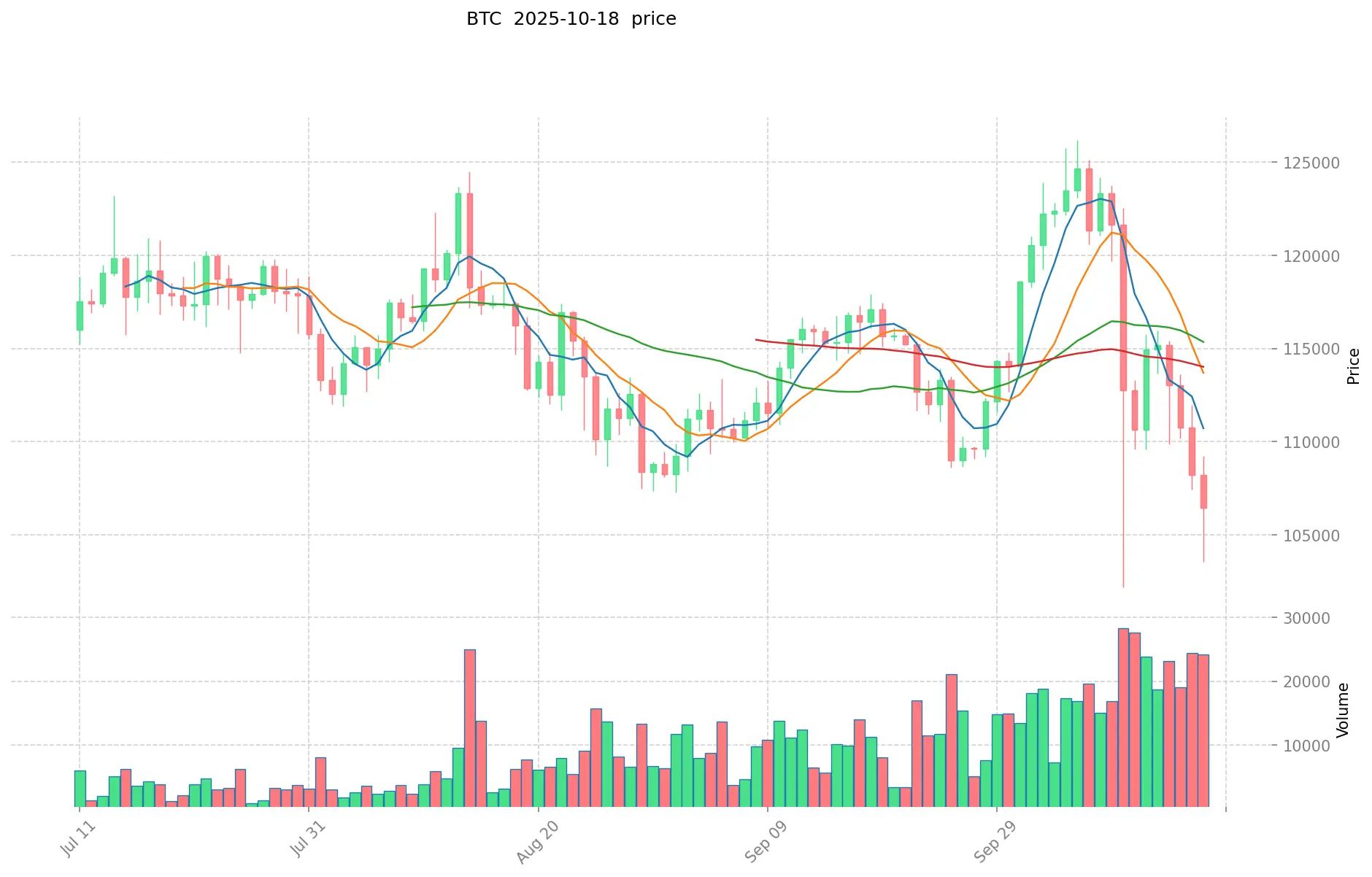
Disclaimer: This information is for educational purposes only. Past performance does not guarantee future results.