Square
Following
Hot
News
Notifications
Profile
Share your thoughts
placeholder
Article
$NIL $NIL is now being heavily shorted, with a sell price of $0.01073 and a short entry price of $0.05638 $NIL 👇
post-image
NIL+10.68%
What Is the Funding Rate, and How Does It Affect Trading?

In crypto futures trading, many people focus only on BTC price movements every day and overlook an important metric: the funding rate.

Sometimes, BTC keeps rising, yet traders who are long have to keep paying funding fees. How does that work?

First, the funding rate is a fee periodically paid between longs and shorts in perpetual futures markets. Its main purpose is to help keep futures prices close to spot prices.

When the funding rate is positive, it usually means the perpetual futures price is relatively high, and longs pay fundi
post-image
BTC-0.65%
Trenches
mihao
m
bade
b
mihao
4Cxj...pump
Market Cap
$.
Change
.
24h Vol
$.
Holders
.
AGT
A
bade
b
AGT
0x5d...e274
Market Cap
$.
Change
.
24h Vol
$.
Holders
.
FOOD
F
bade
b
FOOD
FTu5...pump
Market Cap
$.
Change
.
24h Vol
$.
Holders
.
IDOL
I
bade
b
IDOL
0x3b...ab07
Market Cap
$.
Change
.
24h Vol
$.
Holders
.
AI
A
bade
b
AI
2T56...pump
Market Cap
$.
Change
.
24h Vol
$.
Holders
.
Would you like to hunt for Web3 opportunities more easily?
Want to find ambassadorships, grants, the latest airdrops, testnets, camping, or contests?
Then try joining the waitlist.
Link:
post-image
AIRDROP+0.00%
hear me out
A weekly candle
but its green
post-image
In cryptocurrency trading, many people watch BTC candlestick charts every day but don't know how to tell whether the market is currently in an uptrend or a downtrend. In fact, there is a very common technical indicator that can help us see the market's direction more clearly: the Moving Average, or MA.

So, what do MA20, MA50, and MA200 represent?

First, the MA20 short-term moving average. It reflects recent price movements and is relatively sensitive to short-term market conditions. When BTC trades consistently above the MA20 and the average slopes upward, it usually indicates relative short
post-image
BTC-0.67%
In cryptocurrency futures trading, many people spend every day analyzing whether BTC will rise or fall, yet overlook a very important question: Do you really understand the different order types on trading platforms?

Sometimes, even if you correctly predict the market, an unreasonable order placement method can result in a poor entry price or even unnecessary losses.

First, Limit Order. You can set a buy or sell price in advance and wait for the market to reach that price before the order is filled. It is suitable for looking for buying opportunities near support or planning to sell near res
post-image
BTC-0.65%
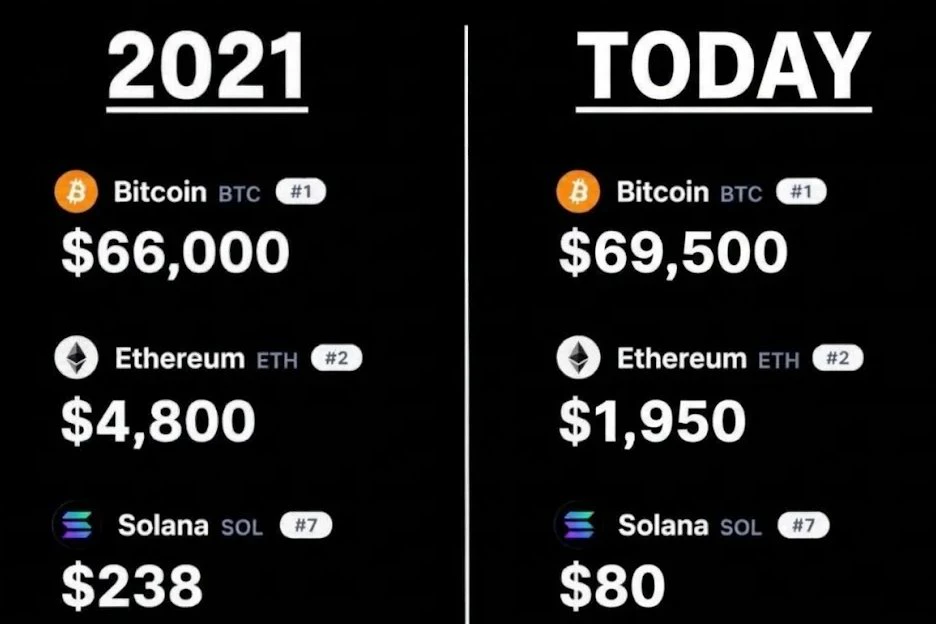
A blood-soaked cry: the rises make your heart pound, and the drops make you wish you were dead!

In the current market, that’s still a long way off, and being worse than dead is even farther away, so shorting on rallies is your

only antidote and way out right now. We’ll meet you all at the 5-handle in 2027!
post-image
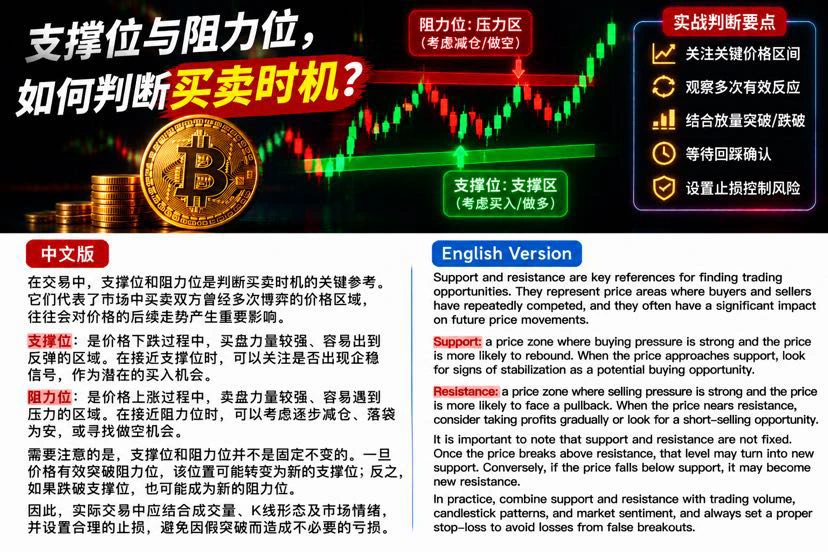
In cryptocurrency trading, many people watch BTC’s price fluctuations every day, but they don’t realize that what’s often worth paying attention to are several key price zones: support and resistance.

What is support?

Simply put, support is an area where buying pressure may gradually increase as the price falls. When BTC approaches an important price range, repeated rebounds may indicate strong buying demand in that area.

What is resistance?

Resistance is the opposite: an area where selling pressure may increase as the price rises. If BTC repeatedly rises to a certain level but cannot brea
post-image
BTC-0.67%
Funny how shorts kept on increasing at the panic lows
post-image
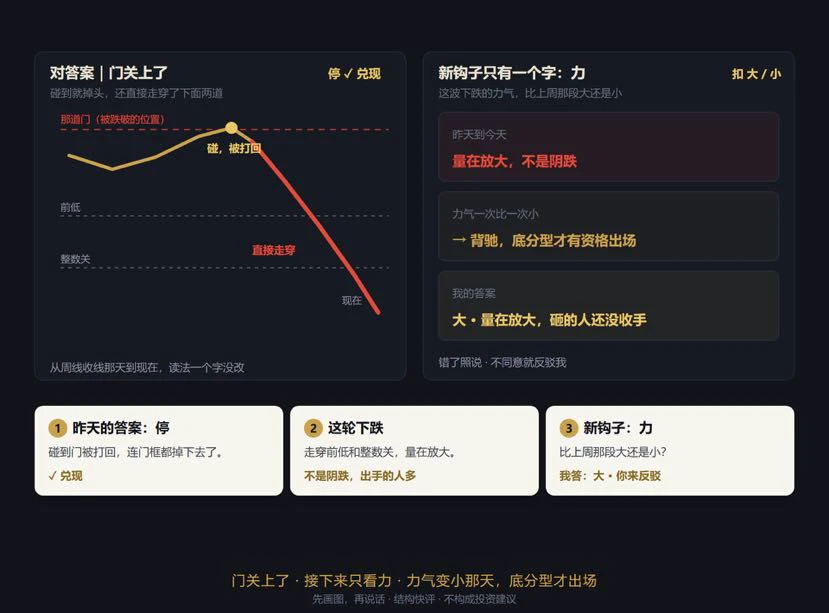
Answer check: Stop. And the door is closed
$BTC ‌Draw the chart first, then speak.
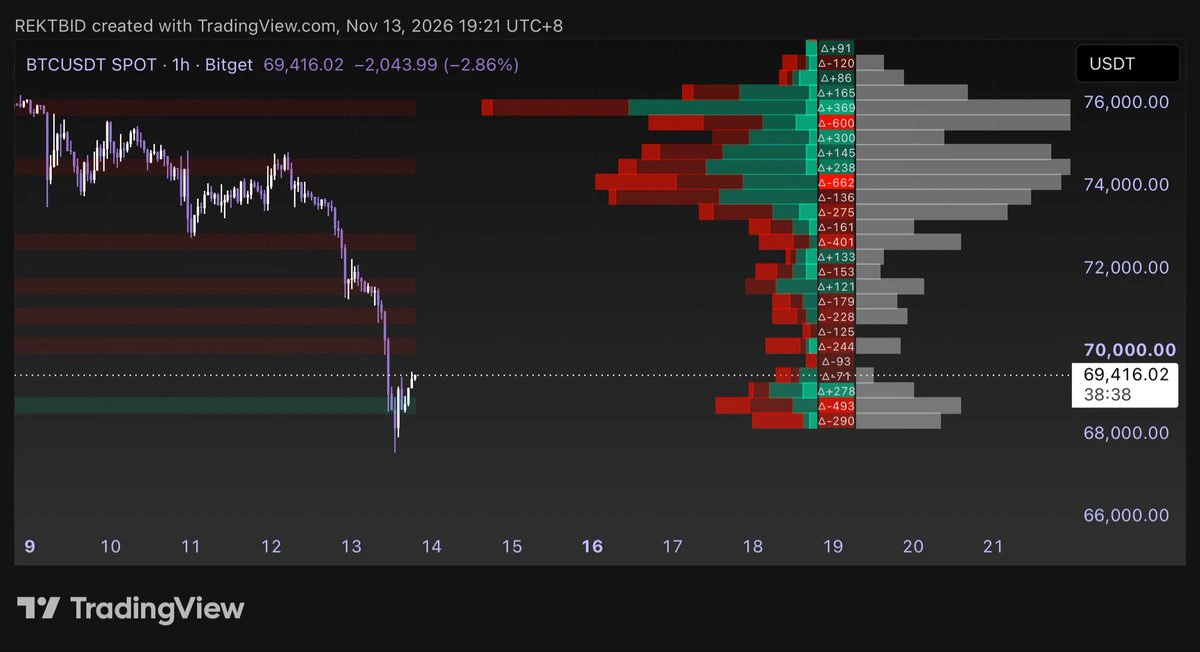
Let's check yesterday's answer first: I chose “stop”—it hit resistance and was pushed back, more decisively than expected: the door didn't open; even the doorframe fell down.
Three things on the chart:
· The rebound came right up to the broken level, then turned back;
· After turning back, it didn't stop at the previous low; it went straight through;
· Volume is expanding on this leg down, with more sellers stepping in—not a slow grind lower.
The reading doesn't need to change, nor even the tone: the downtrend
post-image
BTC-0.65%
The modern hedge against inflation
post-image
#Gate直通IPO第三期Anthropic Anthropic has proven its business model: enterprises are willing to pay for Claude. But whether it can justify a trillion-dollar valuation depends on whether it can withstand high spending, competition, and slowing growth.

Reasons for optimism
· Enterprise revenue makes up the bulk: about 80% of revenue comes from APIs and enterprise services, and 70% of Fortune 100 companies use Claude[2].
· Customers stick around: 22.5% of users are still using it 12 months after their first use, versus about 13.2% for OpenAI.
· Moving from chat to getting work done: Claude Code reach
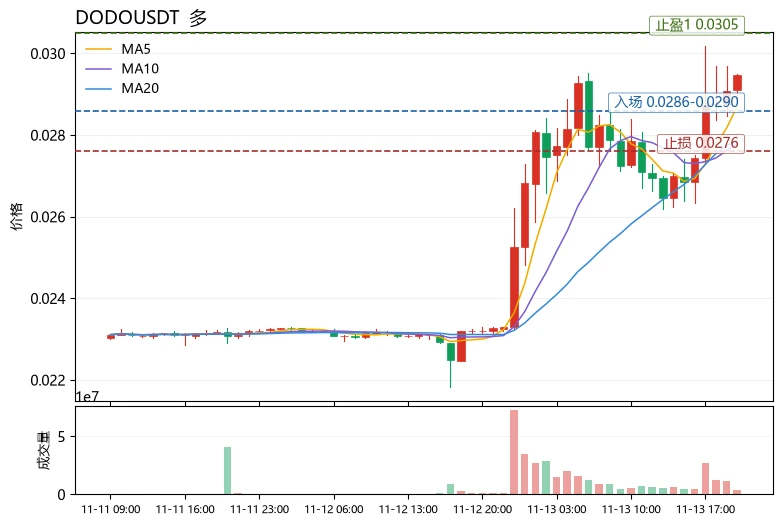
$DODO Current price 0.02948, 24h +27.07%, trading volume only 9.5M, 30-candle range 28.36%, RSI 69.5 nearing overbought, and price is already hugging the upper Bollinger Band at 0.02954; MA5 crossed above MA20, maintaining a bullish trend, and the MACD histogram at +7.02e-05 shows momentum has not faded. However, the Extreme Fear Index at 20 indicates this is a pulse driven by existing capital, not a trend-level move. Assessment: short-term bullish, but with limited upside; chasing the rally means becoming exit liquidity. Only buy pullbacks; don't chase green candles.
Position discipline come
post-image
SNDKB
SNDKBSNDKB
Four.meme
MC:$3.87KHolders:1
0%
DODO+11.43%
SUI-1.05%
#USJoblessClaimsBeatExpectations
Macroeconomic Deep Dive: US Initial Jobless Claims at 200K, Federal Reserve Policy, and the Outlook for Bitcoin and US Equities

Global financial markets are navigating an intricate crossroads defined by modest labor market softening, stubborn consumer price inflation, and shifting interest rate expectations from the Federal Reserve. Recent US economic releases—specifically weekly Initial Jobless Claims rising to 200,000 compared to market expectations of 194,000—have reignited intense debate across institutional desks and retail communities alike. While an up
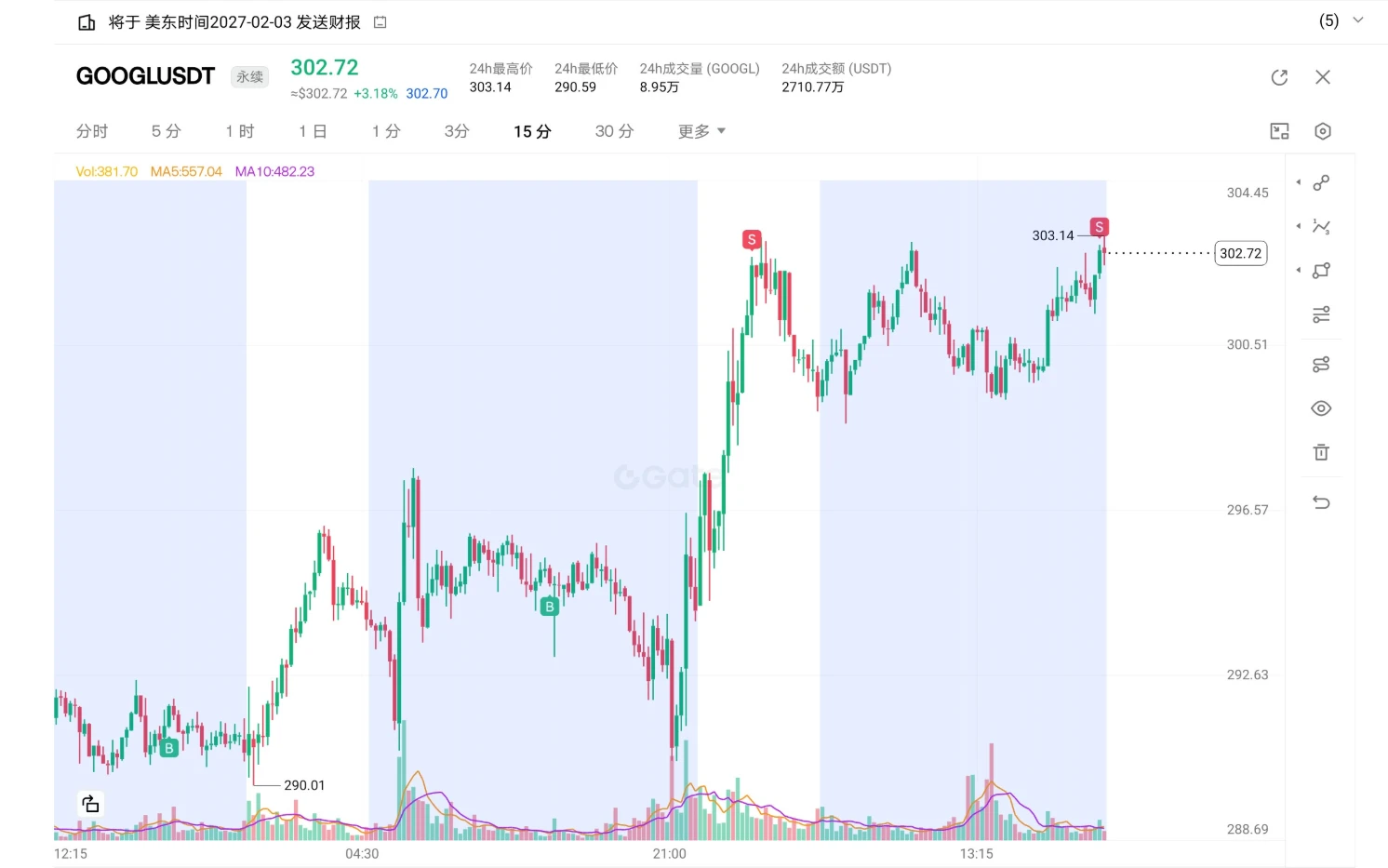
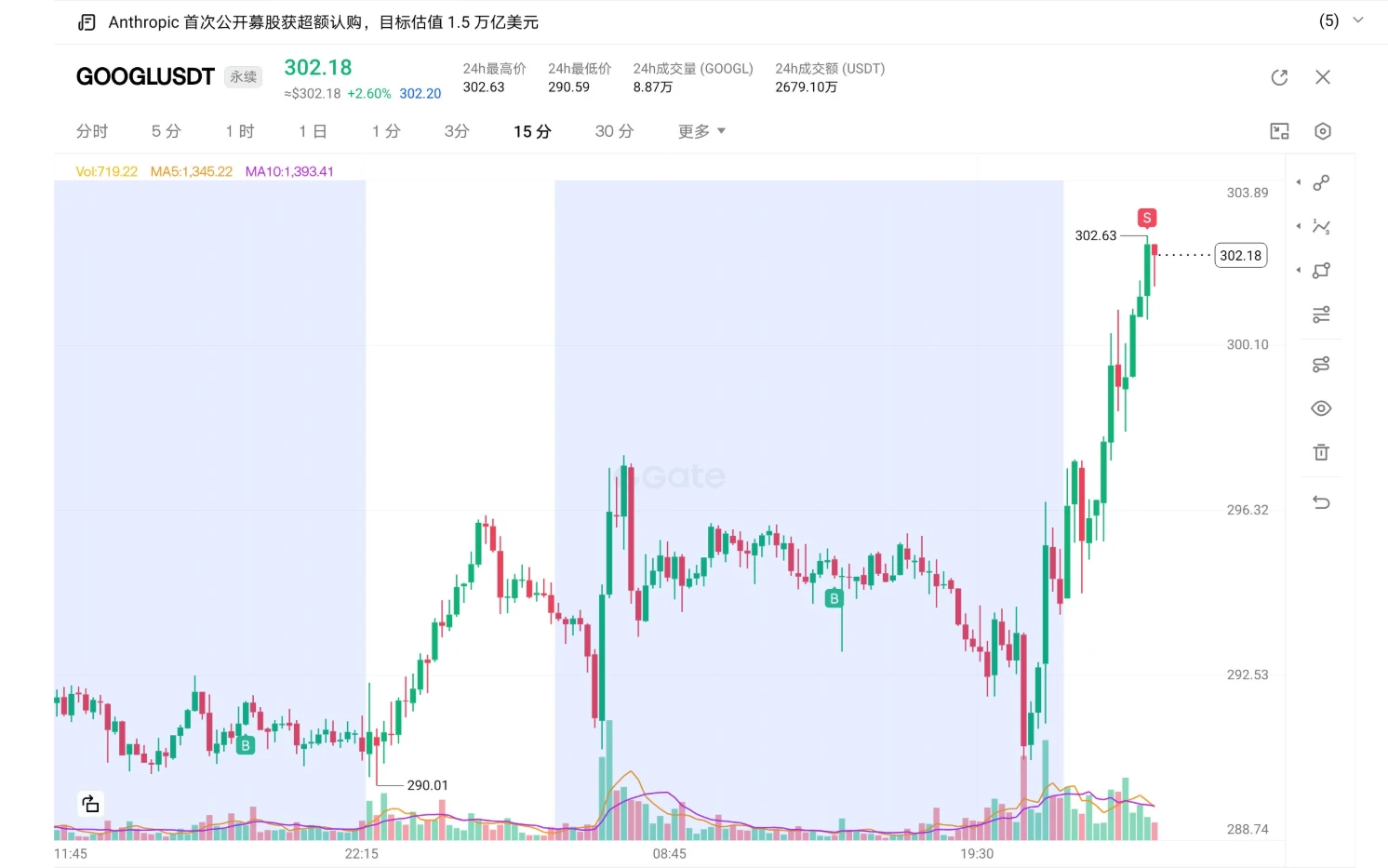
$GOOGL Part of the long position was closed again near the highs. With overall exposure very heavy, any way to reduce positions and control risk is the right move.#美国10月PPI即将出炉 #作手分析 $QQQ
post-image
Trader
$GOOGL Half of the long positions have been closed, with the remaining position aiming for a larger profit. When overall exposure is high, reducing position risk and protecting principal are both the right moves.#美国就业数据今晚公布 #Gate直通IPO第三期Anthropic #作手分析
repost-content-media
GOOGL+0.11%
QQQ+0.01%
  • 2
  • 2
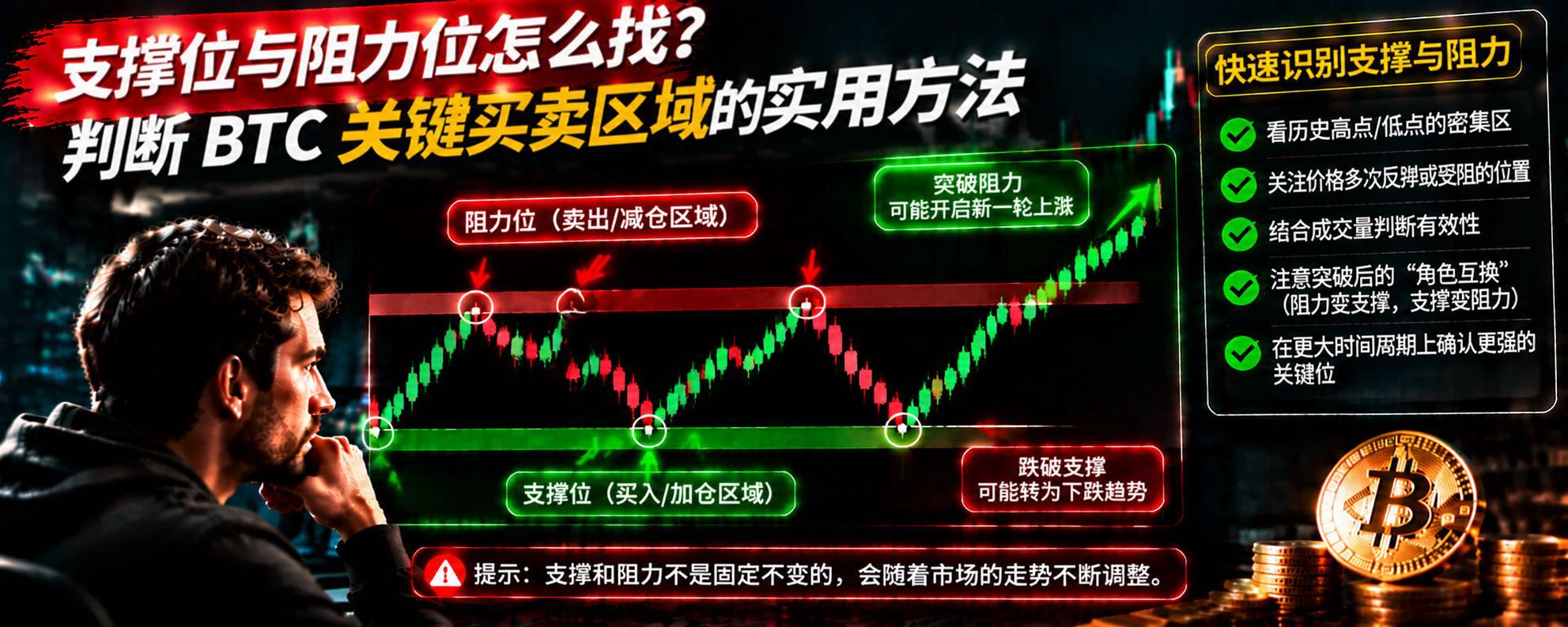
How to Find Support and Resistance Levels? Practical Methods for Identifying Key BTC Buying and Selling Zones

In BTC trading, many people study candlesticks every day but often run into the same question: Where might the price encounter resistance as it rises? At what level might support emerge if it falls?

In fact, support and resistance levels are fundamental tools in technical analysis.

First, look at historical highs and lows. If BTC has repeatedly stopped falling and rebounded in a certain price area, that area may form support. Conversely, if the price has risen to a certain level mul
post-image
BTC-0.67%
$BTC Evening outlook: 11.13.

You got completely thrown off by this drop in $BTC , right? Are you all afraid to go long now? Don’t be confused—just keep buying spot. As long as you believe it won’t go to zero, keep buying spot in batches.

Has BTC stopped falling for now? The first bottoming signal has appeared in the area marked by the white box below. This bullish engulfing pattern indicates a rebound is needed at the current timeframe.

Look at the red arrows above: price has rebounded twice but failed to break above the 69000 resistance level. This shows the rebound is weak and the major
BTC-0.65%
MU-1.61%
In cryptocurrency trading, many people spend a great deal of time studying candlestick charts, indicators, and trading strategies, yet overlook a harder problem: their own emotions.

Why do some traders have a decent trading system but still keep losing money? Often, the problem isn’t the market, but emotions affecting their execution.

First, FOMO (fear of missing out). They see BTC suddenly rise and, afraid of missing an opportunity, chase the price regardless of its level—only to see a pullback just after entering.

Second, greed. They’ve already reached their take-profit target, but want t
post-image
BTC-0.65%
How Should You Adjust Your Trading Mindset After Consecutive Losses?

In cryptocurrency trading, consecutive losses are when many traders are most likely to lose confidence.

After the first loss, you may think you simply misread the market; after the second, you start doubting your strategy; when the losses reach three, five, or even more in a row, some people start rushing to win back what they lost.

And this is often where the real danger begins.

Why do consecutive losses easily trap traders in a vicious cycle?

First, losses affect your judgment. When you are eager to recover your losses
post-image
Load More

Join 40 M users in our growing community

⚡️ Join 40 M users in the crypto craze discussion

💬 Engage with your favorite top creators

👍 See what interests you

Trending Topics

JensenHuangResigns

518.2K Views8.2K Discussing

Jensen Huang has resigned as NVIDIA CEO and stepped down from the board. CFO Colette Kress will serve as interim CEO while NVIDIA considers internal and external successors. $NVDA fell more than 10% in premarket trading following the announcement. With one of AI’s most influential leaders stepping aside, markets are now reassessing NVIDIA’s leadership stability, AI strategy, and long-term valuation.

GateIPOAccessAnthropic

281.9K Views2.6K Discussing

Dr.HanOxfordUnionSpeech

144.8K Views475 Discussing

View More