Square
Following
Hot
News
Notifications
Profile
Share your thoughts
placeholder
Article
🏆 Gate Social Year-End Community Gala | Annual Streamer & Creator Awards Now Open for Entries!

🎁 Top 20 rewards revealed for both Chinese-language categories!
🥇 TOP 1: DJI Osmo Pocket 4
🥈 TOP 2–3: AirPods Pro 3
🥉 TOP 4–6: Honor AI Projector
🎁 TOP 7–10: Anker 3-in-1 Power Bank
🏎️ TOP 11–20: LEGO Red Bull Racing Car
🌟 All TOP 20 winners receive an annual honor trophy + exclusive VIP5 badge!

🔥 Annual Streamer × Annual Creator: Compete for annual honors in two categories!
⏰ Entry deadline: November 10
🚀 Enter now and compete for a spot in the annual TOP 20!
👉 https://www.gate.com/zh/a
GateSquare
🏆 Gate Social Year-End Community Gala | Annual Streamer & Creator Awards Now Open for Entries!

🎁 Top 20 rewards revealed for both Chinese-language categories!
🥇 TOP 1: DJI Osmo Pocket 4
🥈 TOP 2–3: AirPods Pro 3
🥉 TOP 4–6: Honor AI Projector
🎁 TOP 7–10: Anker 3-in-1 Power Bank
🏎️ TOP 11–20: LEGO Red Bull Racing Car
🌟 All TOP 20 winners receive an annual honor trophy + exclusive VIP5 badge!

🔥 Annual Streamer × Annual Creator: Compete for annual honors in two categories!
⏰ Entry deadline: November 10
🚀 Enter now and compete for a spot in the annual TOP 20!
👉 https://www.gate.com/zh/announcements/article/102561
‍#GateLive #GateSquare
repost-content-media
#AsiaPacificStocksPlunge #ShareWeekly

Asia-Pacific Markets Under Pressure: Is the AI Trade Facing a Major Reality Check?

The recent weakness across Asia-Pacific equity markets highlights an important change in global investor sentiment. After a powerful rally driven by artificial intelligence, semiconductor demand, and expectations of long-term technology growth, investors are beginning to question whether some valuations have moved too far ahead of actual business performance.

In my view, this is not simply a normal market correction. It looks more like a selective repricing of companies
CryptoChampion
#AsiaPacificStocksPlunge #ShareWeekly

Asia-Pacific Markets Under Pressure: Is the AI Trade Facing a Major Reality Check?

The recent weakness across Asia-Pacific equity markets highlights an important change in global investor sentiment. After a powerful rally driven by artificial intelligence, semiconductor demand, and expectations of long-term technology growth, investors are beginning to question whether some valuations have moved too far ahead of actual business performance.

In my view, this is not simply a normal market correction. It looks more like a selective repricing of companies that have become heavily dependent on the AI investment cycle. South Korea, Taiwan, and Japan are experiencing different levels of pressure because their market structures and exposure to technology stocks are not the same.

1. The AI Valuation Trade Is Losing Momentum

The correction began with significant weakness in U.S. semiconductor stocks. The Philadelphia Semiconductor Index reportedly dropped around 12% in one session, marking its biggest single-day decline since 2020.

The selling pressure quickly spread throughout Asia. SK hynix and Samsung Electronics experienced intraday declines exceeding 10%, while SoftBank briefly lost nearly 16%.

These movements suggest that investors are reducing exposure to crowded technology positions. The concern is not necessarily that AI demand is disappearing. Instead, the market may be questioning whether current share prices already reflect too much future growth.

This distinction matters because a strong industry can still experience a major stock market correction when valuations become excessive.

2. Why Different Asian Markets Are Reacting Differently

One interesting development is that not every Asian market experienced the same selling pressure.

The Hang Seng Tech Index recovered almost all its early losses after opening lower, while mainland Chinese A-shares showed greater resilience compared with Japanese, South Korean, and Taiwanese equities.

This suggests that investors are becoming more selective rather than abandoning every risky asset simultaneously.

Markets with expensive technology valuations and concentrated semiconductor exposure are facing stronger pressure. Meanwhile, markets with relatively lower valuations and different sector compositions are showing better resistance.

South Korea's finance minister also described the market reaction as excessive and indicated that margin-related rules would be relaxed for three months. This demonstrates that policymakers are paying attention to the potential impact of external volatility.

3. South Korea: High Risk, High Recovery Potential

South Korea is my first market to watch.

Samsung Electronics and SK hynix represent significant parts of its technology investment story. Both companies are closely connected to global memory demand, AI infrastructure, and semiconductor development.

If semiconductor sentiment improves, these stocks could potentially lead a strong recovery. However, concentrated foreign investor positioning and high sensitivity to global technology valuations could create additional volatility.

I would prefer to wait for U.S. semiconductor stocks to stabilize before considering opportunities in this market.

4. Taiwan: Watching TSMC for a Reversal

Taiwan is my second priority.

TSMC remains central to the global semiconductor supply chain, particularly because of its advanced manufacturing capabilities. However, the recent decline has placed considerable pressure on Taiwanese equities, with the index reportedly falling more than 20% from its peak.

After such a substantial correction, valuations and potential entry opportunities deserve attention. Still, a sustainable recovery will depend heavily on whether U.S. semiconductor stocks can establish a stable bottom.

5. Japan: A Different Recovery Story

Japan comes third in my ranking.

The Nikkei has entered technical bear-market territory, but not every sector is equally vulnerable. Traditional manufacturers and automakers, including Toyota, have shown relatively greater resilience compared with highly exposed technology-related assets.

SoftBank remains an important source of volatility because of its technology investment exposure.

Japan could experience an earlier technical rebound, but whether that recovery can continue will depend on global risk sentiment and corporate earnings.

My Market Strategy and Final View

My preferred order of attention is South Korea first, Taiwan second, and Japan third.

However, I am not treating falling prices as automatic buying opportunities. A sharp rebound after heavy selling does not necessarily confirm that a new bullish trend has started.

The signals I want to see are U.S. semiconductor stocks holding their lows for several consecutive sessions, SK hynix and TSMC stopping their downward momentum, and improving market breadth across Asian equities.

For now, capital protection, controlled leverage, and patience are more important than chasing short-term rebounds.

I believe the long-term AI story remains important, but investors must separate genuine business growth from excessive market expectations. The next opportunity may come when valuations become more reasonable and price action begins confirming that selling pressure is fading.

What matters most is not buying the first dip, but identifying the point where the market finally starts recovering with strength.

This is my market perspective, not financial advice.

#亚太股市集体重挫 #WCTCS9 @Gate_Square #GateSquareTradingChallenge
Trenches
ZIG
Z
bade
b
ZIG
0x8c...1145
Market Cap
$.
Change
.
24h Vol
$.
Holders
.
BTC
B
bade
b
BTC
C5xp...pump
Market Cap
$.
Change
.
24h Vol
$.
Holders
.
STONK
S
bade
b
STONK
6GmA...UNgx
Market Cap
$.
Change
.
24h Vol
$.
Holders
.
IDOL
I
bade
b
IDOL
0x3b...ab07
Market Cap
$.
Change
.
24h Vol
$.
Holders
.
scamsem
s
bade
b
scamsem
41Wp...pump
Market Cap
$.
Change
.
24h Vol
$.
Holders
.
BTC ETH MARKET PREDICTION
live-cover
LIVE18
Coolpad has launched the Android camp’s first wide-screen slab phone, the Cool X Wide. It features a 6.38-inch 16:10 display, but its resolution is only 720x1158, and it starts at 999 yuan.

The selling point of a wide-screen slab phone is a broader horizontal field of view. But with 720p resolution spread across 6.38 inches, all that extra width probably just means a wider blur. This time, widescreen and sharpness aren’t exactly holding hands.

$BTC
BTC-0.67%
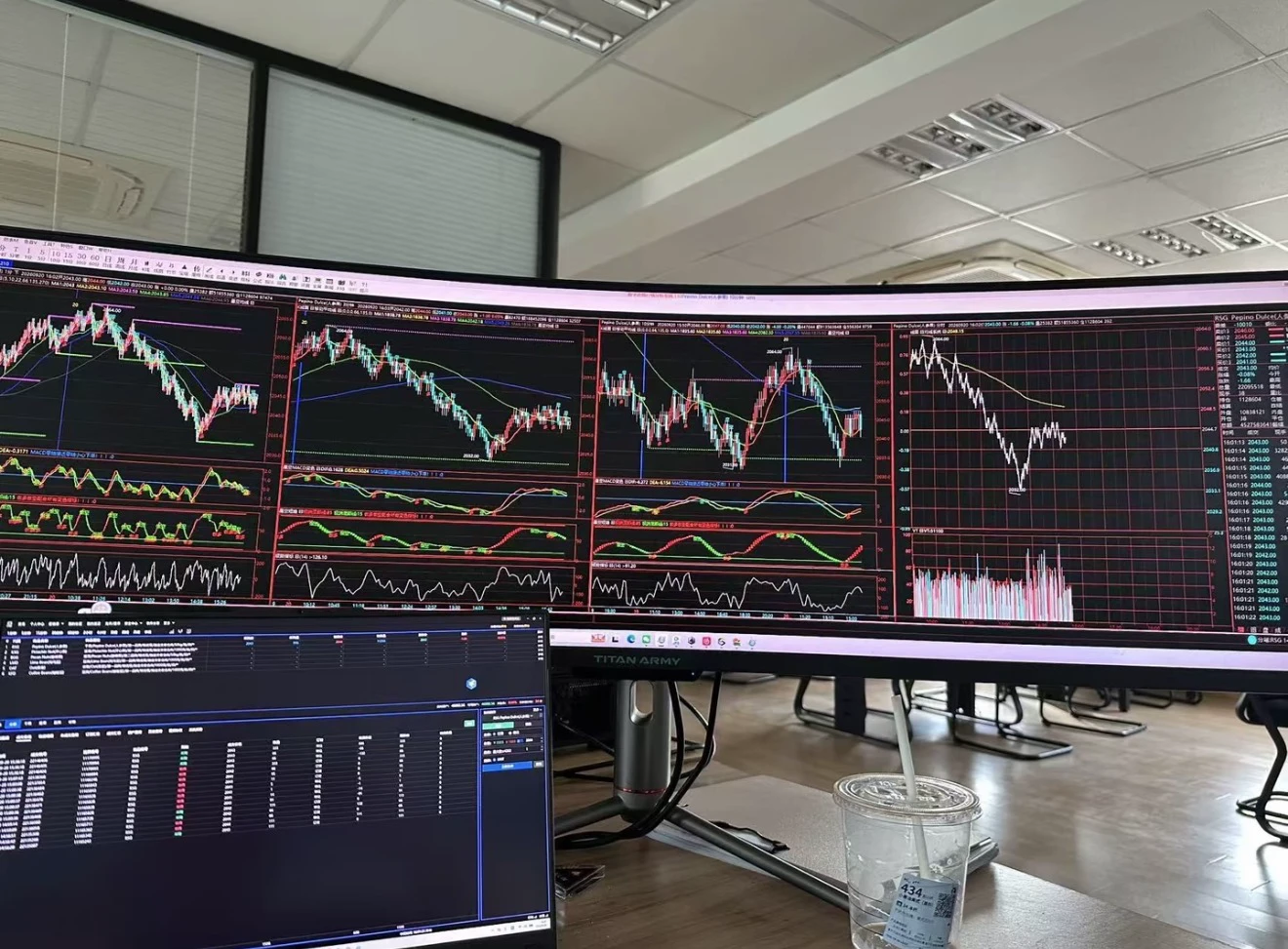
The right way to read naked candlesticks: from big to small, from stillness to movement.

Step one: Set the “map” first; don’t rush to look at candlestick patterns. Open the weekly chart and ask just one question: Are we at the mountaintop, halfway up, or in the valley? Sideways after a continuous decline → valley; look for long signals. Accelerating after a continuous rise → mountaintop; look only for short signals or stay out. In the middle → blank map; not trading is the best trade.

Step two: Find the “battlefield” on the daily chart. Draw two lines between a clear high and low (support/re
post-image
BTC-0.65%
☀️ Good morning this Sunday.
​
The morning light is just right, and everything is lovely.
​
No rat race talk today—let’s just enjoy life. Give this a like and kick off an energetic day!✨
post-image
SOL | Short 🔴 | Bearish | 15m 24h: -1.14% | Volume: 490.2M USDT. Short rationale: Price is below EMA200; EMA20/50/200 are bearishly aligned; RSI14 is 39.5; the MACD histogram is negative; ADX14 is 28.2; volume is 1.49 times the 20-candle average; trend pullback/continuation. Entry price: 89.1. Stop-loss: 89.7158. Take-profit 1: 88.3303 | Take-profit 2: 87.8685 | Take-profit 3: 87.2527. Entry is for reference only; do not chase the trade. The strategy is invalidated if the stop-loss level is hit. This is a technical analysis plan only and does not constitute investment advice. $SOL
post-image
SOL-0.77%
$ONG /USDT BREAKDOWN CONFIRMED Sellers Pressing Lower

Pair: $ONG /USDT

Direction: SHORT

Entry: 0.0660500

Stop Loss: 0.0672038

Targets
TP1: 0.0651847
TP2: 0.0646078
TP3: 0.0637424

ONG rejected sharply from the ~0.070 local high and has since broken below MA7 (0.06626), MA25 (0.06715) and MA99 (0.06802) a full bearish MA stack. Price just pushed to a fresh short-term low, confirming continuation of the downtrend after the earlier breakdown.

$ONG ‌
ONG+0.08%
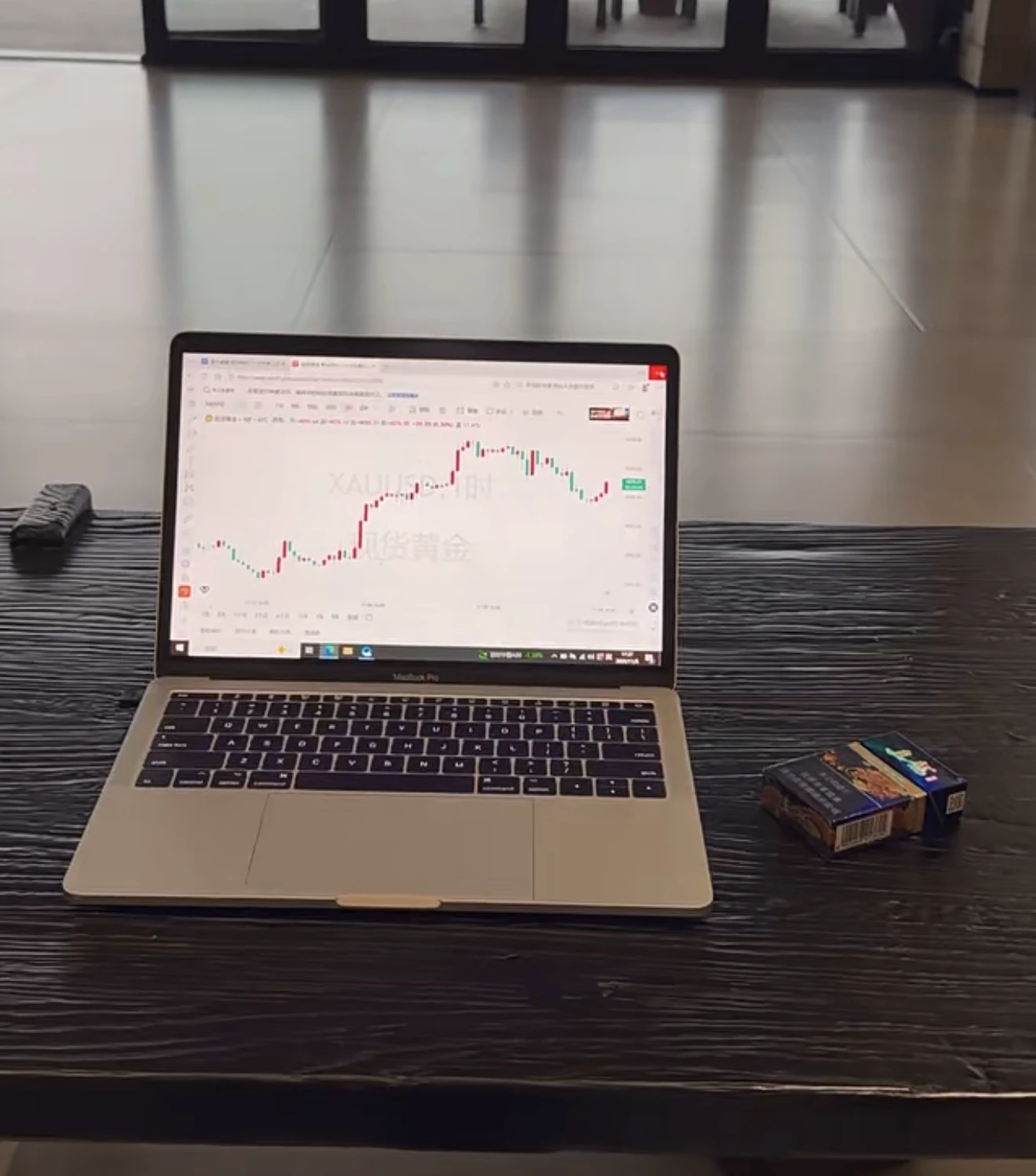
Naked candlestick trading is not “ignoring indicators”; it’s trusting price itself. 1. Naked candlestick trading looks at only four things: Structure: Are highs and lows moving higher (uptrend) or lower (downtrend)? Location: Is price at support or resistance? If it’s in the middle of a range, stay out. Momentum: Candle body size, wick length, and continuity. Confirmation: After a signal appears, does the next candle confirm it? 2. First, recognize three single-candle patterns. Large body (almost no wicks): one side has won decisively; trade in the direction of the move. Long lower wick (hamme
post-image
BTC-0.65%
ETH-1.23%
#GateSocialAnnualStreamerAndCreatorAwards
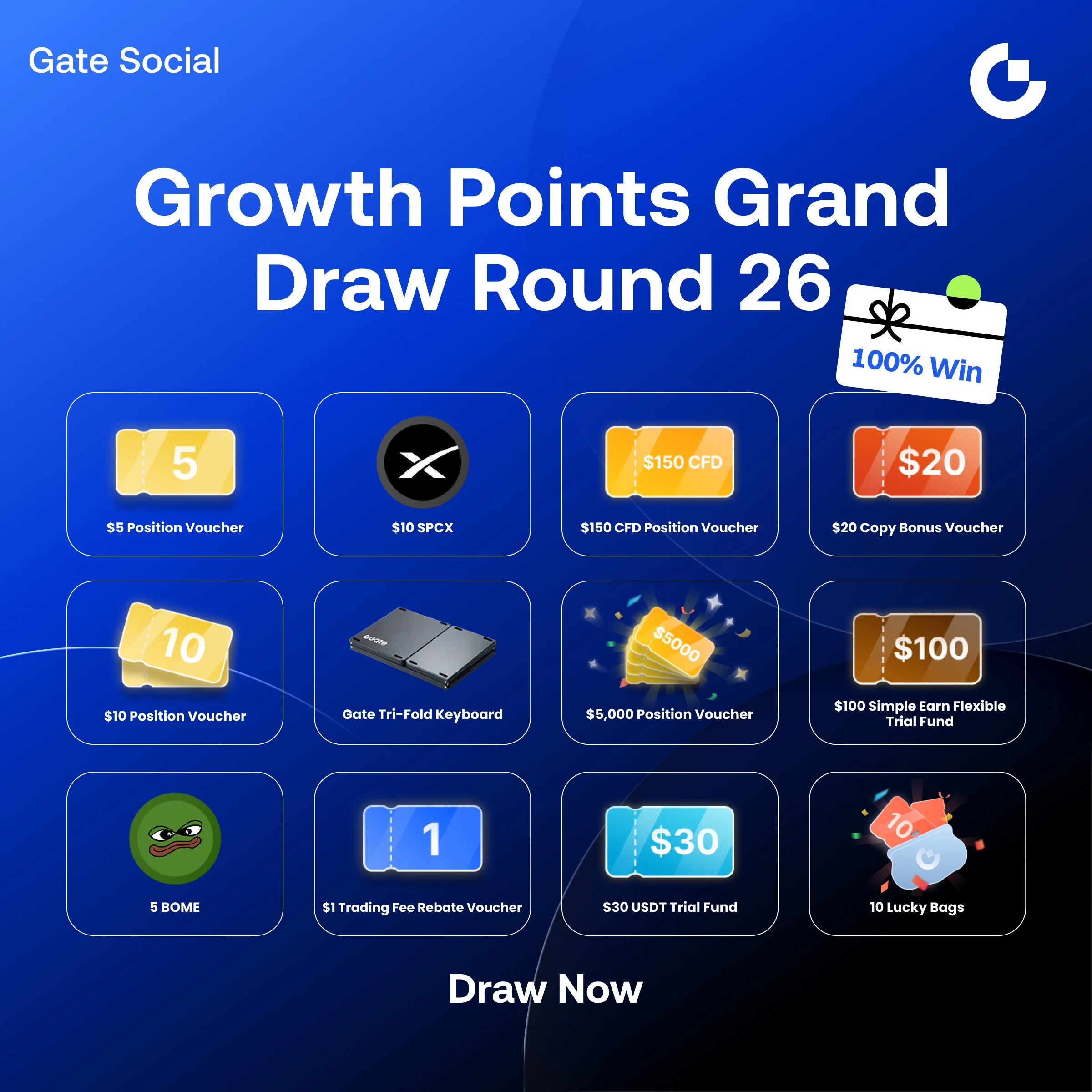
🎁 5,000 USDT for grabs! Round 2️⃣ 6️⃣ of Growth Points Draw is ongoing!
Every draw wins! No trading volume required for new users! 🤩

💫 Stay active and earn points every day:
🔹 Square: Post, like, comment — up to 600 pts/day
🔹 Live: Watch, like, comment, share streams — up to 300 pts/day
🔹 Chat: Join discussions — up to 90 pts/day
🔹 Creators: Post designated token/trading card content — up to 300 pts/task

Unlock SPCX tokens, a Gate tri-fold keyboard, and exclusive vouchers!

$BTC $ETH $TSLA
post-image
SPCX+0.78%
BTC-0.67%
ETH-1.26%
TSLA+4.26%
  • 3
  • 1
So they whipped you like a top?
post-image
“From 200k to 58 million, he says: Only fools can walk away with the money”
I met a veteran a few years ago.
He wasn’t a genius—in fact, he was a bit slow to react and took a long time to think before placing an order.
He entered the market with 200k in capital and turned it into 58 million.
I asked him how, and he gave me a very plain answer:
“In this business, it’s not about who’s smarter. It’s about who trades less.”
I learned from him for a few years. He really only had four rules.
Beginners who follow them often lose less not because of better technique, but because they make fewer moves.
post-image
BTC-0.65%
ETH-1.23%
#USNonfarmPayrolls #ShareWeekly

Strong US Jobs Data Changes the Market Narrative: Is the Federal Reserve Preparing to Keep Rates Higher for Longer?

The latest October US employment report has introduced a significant shift in the global financial market outlook. Investors entered the week expecting moderate job growth and signs of cooling in the labor market. Instead, the latest figures delivered a much stronger picture of the American economy, forcing traders to reconsider their expectations for Federal Reserve policy, interest rates, and risk assets.

According to the reported figures, th
BTC-0.67%
XAU+0.38%
  • 1
A Trading System Isn’t “Designed”—It’s “Found Through Filtering”

Step 1: Track your behavior for 30 days before settling on a system. Each day, note three things: when you have time to watch the charts, what signals make you itch to trade, and how much of a loss makes you uncomfortable. After 30 days, you’ll discover your “physiological parameters”—some people can only trade the Asian session, while others panic as soon as they hold a position overnight. Your system has to fit those parameters; otherwise, even the best strategy will be impossible to follow.

Step 2: Use elimination to narrow
BTC-0.65%
High prices continue to erode purchasing power, and US consumer confidence remains weak.
live-cover
LIVE55
#CLARITYActCouldBeDelayedUntil2028 #ShareWeekly

CLARITY Act Uncertainty: Is Crypto Regulation Entering a New Phase, or Is the Industry Facing Another Two Years of Waiting?

The cryptocurrency industry has spent years asking regulators and lawmakers for one thing: clear rules. Investors, exchanges, blockchain developers, and institutional financial companies all need to understand which regulations apply to their activities. However, the latest political developments in the United States suggest that the wait for comprehensive crypto legislation could become longer than expected.

The possibi
CryptoChampion
#CLARITYActCouldBeDelayedUntil2028 #ShareWeekly

CLARITY Act Uncertainty: Is Crypto Regulation Entering a New Phase, or Is the Industry Facing Another Two Years of Waiting?

The cryptocurrency industry has spent years asking regulators and lawmakers for one thing: clear rules. Investors, exchanges, blockchain developers, and institutional financial companies all need to understand which regulations apply to their activities. However, the latest political developments in the United States suggest that the wait for comprehensive crypto legislation could become longer than expected.

The possibility that the CLARITY Act could be delayed until 2028 has introduced another layer of uncertainty into the digital asset market. But I believe investors should look beyond the headlines. A delay in one major legislative proposal does not automatically mean that the entire crypto industry will stop developing. In fact, regulatory progress may increasingly come through existing laws, agency decisions, court rulings, and individual financial-sector initiatives.

1. Why the CLARITY Act Matters to the Crypto Industry

The main purpose of the CLARITY Act is to establish a clearer regulatory boundary between digital assets classified as securities and those treated as commodities.

This distinction is extremely important because different regulatory authorities have different responsibilities. Uncertainty over jurisdiction can create additional compliance costs, discourage innovation, and make it difficult for crypto companies to introduce new products in the United States.

The bill passed the House of Representatives in July 2025 by 294 votes to 134, demonstrating considerable bipartisan support. However, its progress in the Senate has encountered significant political and policy disagreements.

The September 15, 2026 Senate vote reportedly failed to secure the 60 votes needed to advance, with 49 votes in favor and 50 against. Two major concerns were particularly important: ethical restrictions preventing public officials from personally benefiting from crypto-related investments and the potential impact of stablecoin yields on traditional banking deposits.

These disagreements demonstrate that crypto regulation is no longer simply a technical discussion. It has become part of a wider debate about financial stability, political accountability, and the future structure of the banking system.

2. Political Changes Could Extend the Waiting Period

The midterm election results have created additional uncertainty around the bill's future. With Democrats taking control of both chambers of Congress, the political environment surrounding crypto legislation could become considerably more challenging.

Several lawmakers who have expressed concerns about the proposed framework may gain influential committee positions. This could make negotiations more complicated and reduce the likelihood of quick legislative progress.

If the CLARITY Act remains stalled, 2028 could become a realistic political window for another serious attempt.

However, I would not interpret this possibility as a permanent rejection of crypto regulation. Political priorities can change, negotiations can produce compromises, and market developments can create pressure for lawmakers to revisit unresolved issues.

3. Why Bitcoin Did Not Experience a Major Market Collapse

One interesting development was the market's reaction to the political uncertainty.

Bitcoin reportedly declined to approximately $75,618 during election night before recovering toward the $78,000 region. This recovery suggests that investors had already considered the possibility of a difficult legislative outcome.

However, the market was not completely unaffected. Approximately $288 million in leveraged long positions were reportedly liquidated within 24 hours.

This is an important signal. It shows that even when long-term investors remain confident in the broader crypto market, excessive leverage can create significant short-term pressure.

My view is that traders should pay attention to spot demand, trading volume, funding rates, and liquidation levels rather than making decisions based entirely on political headlines.

4. Stablecoins Could Become the Biggest Regulatory Beneficiaries

While the CLARITY Act faces uncertainty, stablecoin regulation has a separate path forward through the GENIUS Act.

Its framework focuses on payment stablecoins, reserve requirements, and issuer responsibilities. Requiring appropriate liquid reserves can improve transparency and strengthen confidence in stablecoin operations.

This development could be particularly important for USDC and the wider stablecoin ecosystem.

Stablecoins are becoming essential infrastructure for crypto exchanges, international payments, digital settlements, and decentralized finance. Clearer rules could encourage traditional financial institutions to explore these services with greater confidence.

However, the debate surrounding stablecoin yields remains important. Banks are concerned that attractive returns on stablecoin products could encourage customers to move deposits away from traditional institutions.

This conflict between financial innovation and traditional banking interests will likely remain a major regulatory discussion.

5. Tokenization May Continue Without the CLARITY Act

Another sector worth watching is real-world asset tokenization.

The tokenization of stocks, bonds, funds, and other financial instruments could gradually connect traditional markets with blockchain infrastructure.

Institutions such as the Depository Trust & Clearing Corporation (DTCC) are working on tokenization-related infrastructure, demonstrating that financial-market modernization is not dependent on a single congressional bill.

For me, this is one of the most important developments in the current environment.

Even if comprehensive crypto legislation takes longer, financial institutions can continue developing compliant products under existing regulatory frameworks and applicable permissions.

This creates opportunities for blockchain networks, custody providers, exchanges, settlement platforms, and infrastructure developers.

6. What Should Crypto Investors Watch Next?

I believe the next phase of the market will require greater attention to regulatory developments rather than simply waiting for one legislative announcement.

Some important indicators include:

- Bitcoin (BTC): Institutional demand, ETF flows, liquidity, and reactions to macroeconomic developments.
- Ethereum (ETH): Tokenization activity, institutional adoption, and growth in blockchain settlement.
- Solana (SOL): Network activity, stablecoin expansion, and the development of tokenized financial products.
- GateToken (GT): Ecosystem development, exchange activity, platform adoption, and broader market sentiment.
- USDC: Regulatory compliance, reserve transparency, and adoption in payment and settlement infrastructure.

These assets have different risk profiles, and regulatory progress does not guarantee that their market prices will increase.

My Final Perspective

I do not see a potential CLARITY Act delay as the end of crypto's institutional adoption story. Instead, it could mark a transition from expecting one comprehensive legislative solution toward a more gradual regulatory environment shaped by individual agencies, existing laws, and financial institutions.

The short-term outlook may remain volatile, particularly for leveraged traders. However, stablecoins, tokenized securities, and blockchain-based settlement systems could continue developing even without immediate progress in Congress.

The most important question is no longer simply when the CLARITY Act will pass. It is whether the crypto industry can continue building reliable financial infrastructure while lawmakers debate the rules.

My strategy would be to avoid emotional decisions, control leverage, monitor regulatory developments, and focus on projects demonstrating real adoption rather than relying entirely on political expectations.

This is my market perspective, not financial advice.

#WCTCS9 #weeklyshare @Gate_Square #GateSquareTradingChallenge
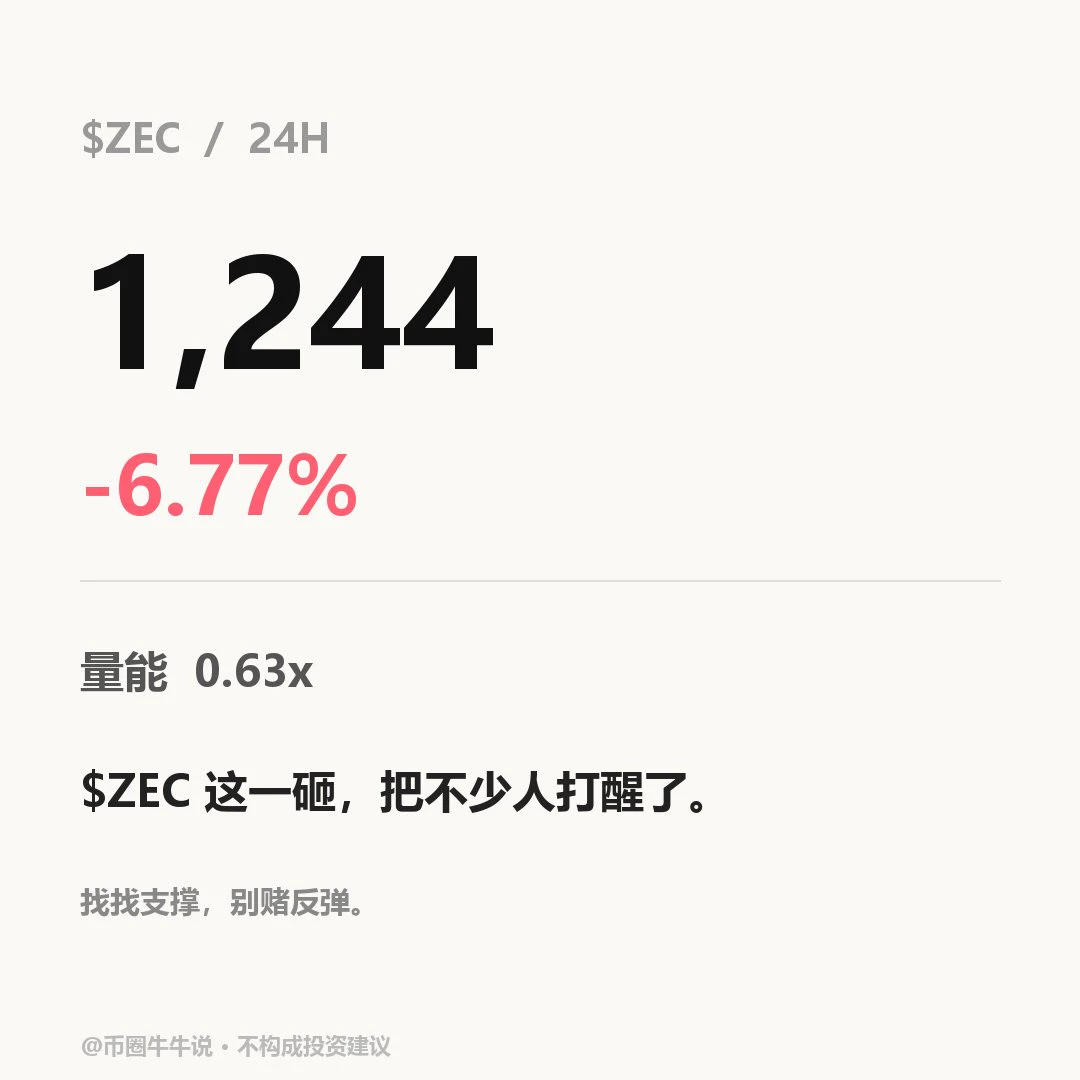
$ZEC Currently at 1243.6, down 6.77% over 24H (range: 1236.65–1364.08). The 1H trend is weak, with RSI at 12.21 (oversold); price is below the EMA20 at 1282.57, and the volume ratio is 0.63. The 4H trend is weak, with RSI at 50.99; price is below the EMA20 at 1282.62, with support at 1159.00 and resistance at 1387.89. If price holds above the 1364.08 resistance, watch for continuation; a break below the 1236.65 support would weaken the structure. Follow up by checking whether price holds above 1364.08 and reclaims 1236.65; volume is only 0.63x. A hold without volume or a failure to reclaim the
post-image
ZEC+1.16%
Is the era of dirt-cheap housing really about to arrive?
post-image
Load More

Join 40 M users in our growing community

⚡️ Join 40 M users in the crypto craze discussion

💬 Engage with your favorite top creators

👍 See what interests you

Trending Topics

USAIStocksHitHard

21.44k Views3.68k Discussing

U.S. stocks sold off sharply on Thursday, November 5 (UTC). The Nasdaq closed down around 5.5%, entering correction territory, while the Philadelphia Semiconductor Index plunged roughly 12%, with chip stocks including $NVDA and $AMD posting steep losses. Beyond profit-taking, investors are growing concerned about the pace of AI data center construction, capital spending, and future returns on investment. The key question now is whether the AI sector’s lofty growth expectations need to be repriced. Where do you think the next opportunities will emerge: chip stocks, tech giants, or other sectors?

USNonfarmPayrolls

35.66k Views4.35k Discussing

StakeOnLaunchpoolToShare450KVLX

10.5k Views833 Discussing

View More